

Are you dreaming of a kitchen island that not only looks great but also makes cooking and cleaning easier? Imagine having a sink and dishwasher right in your island, so you can wash veggies, rinse dishes, and keep your kitchen tidy without running back and forth.
Building a kitchen island with these features might sound complicated, but with the right steps, you can make it happen yourself. In this guide, you’ll discover simple, clear instructions that turn your kitchen into a more functional and stylish space.
Ready to transform your kitchen and enjoy the convenience you deserve? Let’s dive in!
Planning Your Kitchen Island
Planning your kitchen island is the first key step in building a functional and stylish centerpiece. A well-planned island can enhance your kitchen’s workflow and add valuable storage and seating space. Careful thought about location, size, and design ensures the island fits perfectly and works well with your sink and dishwasher setup.
Choosing The Right Location
Pick a spot that keeps the kitchen flow smooth. The island should be easy to reach from the stove, fridge, and main counters. Avoid blocking walkways or doorways. Leave at least 36 to 48 inches of space around the island for comfortable movement. Position near plumbing lines if adding a sink and dishwasher. This reduces installation costs and complexity.
Measuring Space And Dimensions
Measure your kitchen carefully before building. Check the total available space and mark the island’s outline on the floor. The island should not crowd the room or feel oversized. Typical island widths range from 24 to 48 inches. Length depends on your kitchen size and needs. Include space for appliances, cabinets, and seating areas. Precise measurements prevent costly mistakes later.
Selecting Materials And Style
Choose materials that match your kitchen’s look and are durable. Wood offers warmth and a classic feel. Stone countertops bring elegance and strength. Consider water-resistant surfaces near the sink. Pick colors and finishes that complement cabinets and flooring. Style can be modern, rustic, or traditional. Keep the design simple for easy cleaning and maintenance.

Credit: www.fabuwood.com
Designing The Sink And Dishwasher Setup
Designing the sink and dishwasher setup in your kitchen island requires careful planning to ensure functionality and style go hand in hand. You want a space that not only looks great but also makes your daily chores easier. Let's break down the key decisions that will shape how your kitchen island performs.
Picking The Sink Type
Choosing the right sink affects both your workflow and the island’s overall look. Consider whether you prefer a single basin for large pots or a double basin to multitask efficiently. Materials like stainless steel are durable and easy to clean, while farmhouse sinks add a charming, rustic touch.
Think about the depth and size of the sink to match your cooking habits. A deeper sink can handle big pans but might be harder to reach the bottom. What’s your daily dishwashing routine like? This can guide you to the perfect sink shape and size.
Choosing The Dishwasher Model
Selecting a dishwasher involves more than just size; you need to consider features that fit your lifestyle. Look for models with adjustable racks if you often wash large dishes or have odd-shaped items. Energy efficiency is another important factor—saving water and power helps both the planet and your bills.
Quiet operation can be a game changer, especially if your kitchen island is part of an open-plan living area. Would you prefer a built-in model that blends seamlessly or a portable unit for flexibility? Your choice will impact installation and daily use.
Arranging Plumbing And Electrical
Proper plumbing and electrical setup ensures your sink and dishwasher work smoothly without surprises. Plan the water supply lines, drainage, and electrical outlets carefully to avoid costly changes later. Keep in mind local building codes and safety standards—these can affect how you route pipes and wires.
It’s often helpful to consult a professional plumber or electrician early. Have you mapped out where the pipes and outlets will go relative to your kitchen island layout? Clear planning here saves headaches and keeps your project on track.
Building The Base Structure
Building the base structure of your kitchen island is essential for a sturdy and functional workspace. This part supports the sink, dishwasher, and storage components. A solid foundation ensures safety and durability in daily use.
Constructing The Frame
Start by selecting strong, moisture-resistant wood for the frame. Use 2x4 or 2x6 lumber for the base and vertical supports. Cut the pieces to fit your island’s dimensions. Assemble the frame with screws or nails, ensuring all corners are square. Check the frame for levelness on the floor. This step creates the skeleton that holds everything together.
Adding Storage And Cabinets
Plan your storage based on your needs. Include drawers, shelves, or closed cabinets for utensils and cleaning supplies. Use pre-made cabinet boxes or build custom ones from plywood. Attach the cabinets securely to the frame. Leave space for the dishwasher and plumbing. Proper storage makes the island practical and organized.
Ensuring Stability And Support
Add cross braces between the frame’s legs for extra strength. Use metal brackets in corners for added support. Reinforce areas under the sink and dishwasher to handle heavy loads. Secure the island to the floor if possible. Stability prevents wobbling and damage over time.

Credit: www.clearycompany.com
Installing Plumbing And Electrical Systems
Installing plumbing and electrical systems in a kitchen island with a sink and dishwasher requires careful planning. These systems must work safely and efficiently. Proper installation ensures water flows correctly and appliances function well. This part of the project demands attention to detail and following local codes.
Running Water Lines
Start by connecting the cold and hot water supply lines to the island. Use flexible PEX tubing for easy installation and durability. Secure the lines to prevent leaks and kinks. Install shut-off valves under the island for quick water control. Test the water flow before closing walls or cabinets.
Setting Up Drainage
Attach the drain pipe from the sink to the home's main drain line. Use a P-trap to stop sewer gases from entering the kitchen. Ensure the drain pipe slopes downward to allow water to flow freely. Seal all joints with waterproof tape or sealant. Check for leaks by running water through the sink.
Wiring For Dishwasher And Lighting
Run dedicated electrical wiring for the dishwasher, following local electrical codes. Use a grounded outlet near the dishwasher location. Install wiring for overhead or under-cabinet lighting in the island. Connect switches to control the lights easily. Test all connections before final assembly to ensure safety and function.
Mounting The Sink And Dishwasher
Mounting the sink and dishwasher in your kitchen island is a crucial part of the build. It requires precision and careful planning to ensure everything fits perfectly and functions smoothly. Getting this right will save you from leaks, electrical issues, and future repairs.
Cutting The Countertop
Start by measuring the sink and dishwasher dimensions carefully. Mark the outline on the countertop using a pencil or masking tape to avoid mistakes. Double-check your measurements—cutting too large or too small can cause big problems.
Use a jigsaw or circular saw to cut along the marked lines slowly and steadily. Support the countertop underneath to prevent cracking or splintering. Wear safety gear like goggles and gloves to protect yourself while cutting.
Securing The Sink
Place the sink into the cutout to test the fit. It should sit snugly without gaps but shouldn’t be forced in. Apply a bead of silicone sealant around the edge of the opening to prevent water leaks.
Attach the sink clips underneath the countertop to hold it firmly in place. Tighten them gradually and evenly to avoid warping the surface. Don’t forget to connect the plumbing carefully, checking all seals to avoid drips.
Installing The Dishwasher
Position the dishwasher next to the sink for easy water and drainage connections. Slide it into the cabinet opening, making sure it’s level by adjusting the feet if needed.
Secure the dishwasher to the countertop or cabinetry using the provided brackets. Connect the water supply, drain hose, and electrical wiring according to the manufacturer's instructions. Test the dishwasher by running a short cycle to ensure everything works without leaks or electrical faults.
Have you thought about how much extra space your dishwasher needs for ventilation? Leaving just a few inches can make a big difference in its lifespan and performance.
Finishing Touches
Finishing touches bring your kitchen island with sink and dishwasher to life. These final steps ensure durability, style, and flawless functionality. Paying attention now saves you headaches later and keeps your kitchen looking sharp and working smoothly.
Sealing And Waterproofing
Water and wood don’t mix well, especially around sinks. Apply a high-quality waterproof sealant around the sink edges and any joints where water could seep in. This prevents swelling, warping, or mold growth under your countertop.
Don't forget to seal the underside of the countertop too, especially if it’s wood or laminate. A good sealant creates a barrier, protecting your investment from everyday spills and occasional splashes.
Adding Countertop And Backsplash
Choose a countertop material that balances style with durability. Granite, quartz, and butcher block are popular options that hold up well near sinks and dishwashers.
For the backsplash, pick materials that are easy to clean and water-resistant, like tile or glass. This not only protects your walls but also adds a design element to your island.
- Measure carefully to ensure a snug fit of the countertop.
- Use adhesive recommended for your chosen materials to secure the backsplash.
- Caulk the edges to prevent water from slipping behind the backsplash.
Final Inspection And Testing
Before declaring your project complete, test the plumbing connections for leaks. Turn on the water supply and watch closely around the sink and dishwasher hookups.
Check the dishwasher’s drainage and electrical connections to confirm everything operates smoothly. Run a short cycle to catch any issues early.
Is your island stable and level? Small wobbles can cause long-term problems, so adjust legs or add shims if needed. This step is your last chance to perfect your work.
Maintenance Tips
Regular cleaning of pipes and filters keeps your kitchen island sink and dishwasher working well. Check for leaks and tighten connections to avoid water damage. Simple care extends the life of your appliances and saves repair costs.
Maintaining your kitchen island with a sink and dishwasher is crucial for its longevity and optimal performance. Regular upkeep not only ensures a sparkling kitchen but also prevents costly repairs. Let's dive into some essential maintenance tips to keep your kitchen island in top shape.
Cleaning The Sink And Dishwasher
Regular cleaning of your sink and dishwasher is vital. For the sink, use a non-abrasive cleaner to avoid scratches. A mixture of baking soda and vinegar can work wonders for stainless steel sinks. Dishwashers require a different approach. Run an empty cycle with a cup of white vinegar on the top rack. This helps to eliminate odors and mineral buildup. Don't forget the filter! Remove it monthly and give it a good rinse to ensure your dishwasher runs efficiently.
Checking For Leaks
Leaks can lead to extensive damage if not addressed promptly. Regularly inspect the area under the sink for dampness or water stains. Feel around the dishwasher's edges for any moisture. Small leaks can often be detected by touch. A simple flashlight inspection can save you from a bigger problem down the road. Address leaks immediately to avoid mold and structural issues.
Routine Appliance Care
Maintaining your appliances goes beyond cleaning. Check the dishwasher's spray arms for blockages. Remove any food particles that might impede their movement. Inspect the sink's pipes and connections. Tighten any loose fittings to prevent future leaks. Consider setting a monthly reminder for these checks. Consistent care will keep your kitchen island running smoothly, saving you time and hassle.
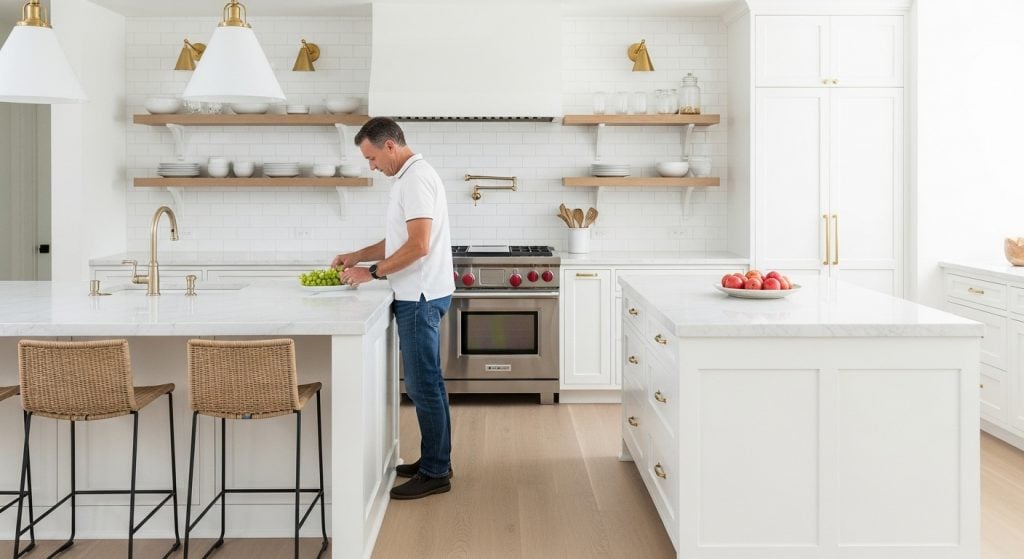
Credit: www.rtacabinetstore.com
Frequently Asked Questions
What Materials Are Best For A Kitchen Island With Sink?
Choose durable, water-resistant materials like granite, quartz, or sealed wood. These withstand moisture and heavy use well. Avoid porous materials that can stain or warp easily.
How Do I Install Plumbing For A Kitchen Island Sink?
Plan plumbing lines under the floor or ceiling before installation. Hire a licensed plumber to connect water supply and drainage safely and correctly.
Can I Add A Dishwasher To A Kitchen Island?
Yes, a dishwasher can fit in a kitchen island. Ensure there’s proper plumbing, electrical outlets, and ventilation for installation.
What Size Should A Kitchen Island With Sink And Dishwasher Be?
A minimum of 4 feet by 2 feet is ideal for functionality. This size allows enough workspace and appliance fitting without overcrowding.
Conclusion
Building a kitchen island with a sink and dishwasher adds great value. It makes cooking and cleaning easier in your kitchen space. Planning well helps avoid mistakes and saves time. Choose materials that fit your style and budget. Measure carefully to ensure everything fits perfectly.
Connect plumbing and electricity safely for best results. Take your time and enjoy the process. A functional kitchen island improves daily life and home comfort. Start small, stay patient, and watch your kitchen transform.