

Are you dreaming of a kitchen island that’s not just stylish but also super functional? Imagine having a sink and dishwasher right in your island, making cooking and cleaning easier than ever.
Building a kitchen island with these features might sound complicated, but with the right steps, you can create a space that transforms how you use your kitchen every day. In this guide, you’ll discover simple tips and clear instructions to help you build your perfect kitchen island.
Ready to upgrade your kitchen and make your life easier? Keep reading—you’re closer than you think!
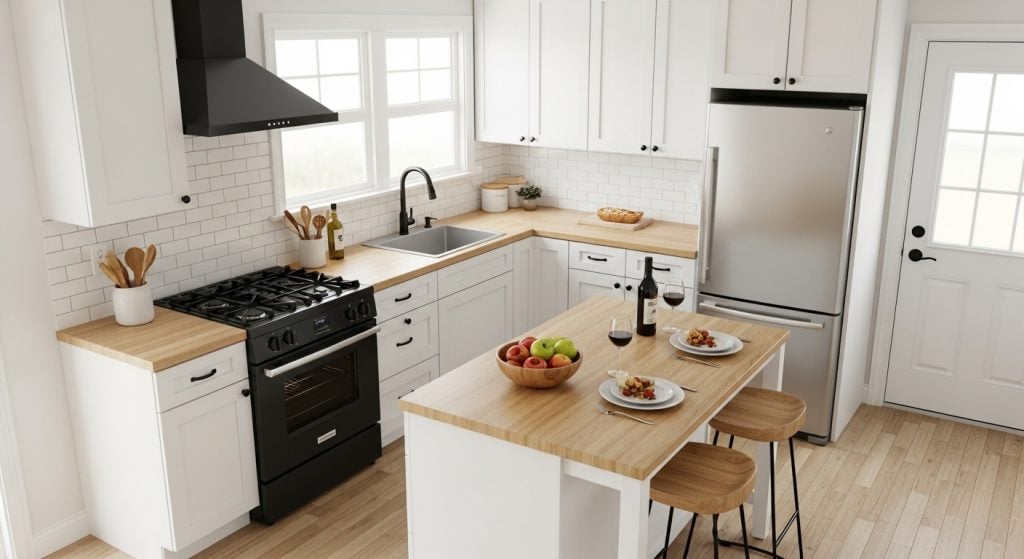
Credit: www.rtacabinetstore.com
Planning Your Kitchen Island
Planning your kitchen island is the foundation of creating a space that not only looks great but also works well for your daily needs. Adding a sink and dishwasher means you need to carefully think about size, materials, and how you’ll use the island. Getting these details right saves time, money, and frustration during and after installation.
Choosing The Right Size And Shape
Start by measuring your kitchen area accurately. Your island should allow at least 36 to 48 inches of walking space around it for easy movement.
Think about the shape that fits your space best—rectangular islands work well in narrow kitchens, while square or L-shaped islands suit larger, open areas. Don’t forget to factor in the sink and dishwasher; they need enough countertop space around them to be functional.
Ask yourself: Will you use the island mainly for cooking prep, dining, or both? This helps decide how much space to allocate for seating versus appliances.
Selecting Materials And Finishes
Choose materials that match your kitchen’s style but also stand up to moisture and heat near the sink and dishwasher. Quartz and granite are popular for their durability and easy maintenance.
For cabinetry, consider water-resistant finishes or sealants to protect against spills and splashes. Matte finishes hide fingerprints better if your island will see lots of use.
Think beyond looks—pick materials that feel right to you every time you touch the surface or open a drawer. Your kitchen island should invite you to cook, clean, and enjoy.
Designing For Functionality
Plan your plumbing and electrical needs early. The sink requires water supply and drainage, while the dishwasher needs proper hookups and an electrical outlet.
Include storage solutions like drawers or cabinets near the sink for soaps, towels, and cleaning supplies. This keeps essentials within arm’s reach and reduces clutter.
Consider adding features like pull-out trash bins or built-in cutting boards to save space. Have you thought about where your trash will go while prepping food?
Remember, every detail should help your kitchen island work smarter, not harder.
Setting Up Plumbing And Electrical
Setting up plumbing and electrical systems is crucial for a kitchen island with a sink and dishwasher. Proper installation ensures smooth water flow and safe power supply. It also prevents leaks and electrical hazards. This section covers key steps to handle plumbing and electrical needs effectively.
Locating Water Supply And Drain Lines
Identify the nearest water supply lines under the kitchen floor or cabinets. Use flexible hoses to connect the island sink to these lines. Plan the drain pipe route carefully to avoid clogs and leaks. Install a P-trap under the sink to prevent sewer gases from entering the kitchen. Verify all connections are tight and sealed properly.
Installing Electrical Outlets
Place electrical outlets near the sink and dishwasher for easy access. Use waterproof covers to protect outlets from moisture. Ensure outlets are grounded and comply with local electrical codes. Run dedicated circuits for the dishwasher to avoid overload. Test all outlets with a voltage tester before finalizing installation.
Ensuring Proper Ventilation
Ventilation prevents moisture buildup around the sink and dishwasher. Install vents or fans to improve air circulation under the island. Check that vent pipes are clear and free from obstructions. Proper airflow helps reduce mold and mildew risks. Maintain ventilation openings during and after installation.
Building The Island Frame
Construct a sturdy frame using wood to support the kitchen island’s weight and appliances. Plan space carefully for the sink and dishwasher connections. Secure all parts tightly to ensure stability and durability.
Building the frame for a kitchen island is a crucial step. This foundation supports the sink, dishwasher, and storage areas. A sturdy frame ensures the island lasts for years. Let's explore each part of this process.
Constructing The Base
Start by measuring the space for the island. Use these measurements to cut wood for the base. Assemble the wooden pieces into a rectangular or square shape. Secure the corners with screws for stability. Ensure the base is level on the floor.
Adding Support For Sink And Dishwasher
Identify where the sink and dishwasher will sit. Reinforce these areas with extra wood beams. These supports bear the weight of the appliances. Ensure the beams are tightly secured. Double-check measurements to fit the sink and dishwasher properly.
Framing For Storage And Shelving
Plan spaces for storage and shelves in the island. Use wood to create compartments within the frame. Install horizontal supports for shelves. Keep compartments accessible for easy use. Consider the height and depth of storage spaces. Adjust the frame to accommodate these dimensions.
Installing The Sink And Dishwasher
Installing the sink and dishwasher in your kitchen island needs careful planning. Proper placement and connections ensure smooth use and avoid leaks. Follow clear steps for a neat, functional setup.
Positioning The Sink
Choose a spot on the island that allows easy access to water lines. Leave enough space around the sink for prep work and drying dishes. Make sure the sink is centered over the plumbing opening.
Check that the sink does not block drawers or cabinets. Keep it near the dishwasher for convenience. Mark the sink’s outline on the countertop before cutting.
Connecting Plumbing Fixtures
Turn off the water supply before starting any plumbing work. Attach the faucet to the sink according to the manufacturer’s instructions. Use plumber’s tape on threaded connections to prevent leaks.
Connect the water supply lines to the faucet. Secure the drain assembly and attach the P-trap. Test for leaks by turning the water back on slowly.
Fitting The Dishwasher
Place the dishwasher next to the sink for easy water and drain access. Slide it into the cabinet opening carefully. Level the dishwasher using adjustable feet.
Connect the dishwasher’s water supply to the hot water valve. Attach the drain hose to the sink drain or garbage disposal. Plug in the dishwasher and run a test cycle to check function.
Adding Countertops And Finishing Touches
Adding countertops and finishing touches to your kitchen island with a sink and dishwasher transforms it from a basic structure into a functional centerpiece. This phase demands attention to detail and smart choices that impact both durability and style. Let’s look at how to select the right materials, secure them properly, and add hardware that complements your kitchen’s workflow.
Choosing Durable Countertop Materials
Your countertop needs to withstand daily kitchen tasks, especially around a sink and dishwasher where moisture and spills are common. Materials like quartz and granite offer excellent durability and resist stains and scratches. If you prefer a warmer look, butcher block adds charm but requires regular sealing to prevent water damage.
Think about your lifestyle. Do you cook frequently or entertain guests often? Choosing a countertop that balances durability with ease of maintenance can save you headaches later. Consider also how the color and texture will blend with your kitchen’s overall design.
Sealing And Securing Countertops
Once you’ve chosen the material, sealing is crucial to protect the surface from water and stains. For stone countertops, applying a high-quality sealant every 6 to 12 months keeps them looking fresh and prevents damage. Wood countertops need food-safe oils or sealants to maintain their integrity.
Securing the countertop firmly to the island base prevents shifting and ensures safety, especially around plumbing fixtures. Use strong adhesive and brackets where possible, and double-check that the sink cut-out edges are smooth and sealed to avoid leaks. Have you checked the stability before moving on to the next step?
Installing Hardware And Accessories
Hardware like drawer pulls, cabinet handles, and faucet fixtures add the final touch and improve usability. Choose finishes that resist corrosion, such as stainless steel or brushed nickel, to complement the sink and dishwasher. Installing soft-close drawers and pull-out trash bins can enhance your kitchen’s functionality significantly.
Don’t forget small accessories like soap dispensers or towel racks near the sink. These details might seem minor but make everyday tasks smoother and keep your workspace organized. What small addition could make your kitchen island more practical for you?
Testing And Troubleshooting
Testing and troubleshooting your kitchen island with a sink and dishwasher is key to a smooth kitchen experience. Checking every connection and appliance function ensures safety and efficiency. This process helps find problems early and fix them quickly. Below are important steps to test and troubleshoot.
Checking Plumbing Connections
Start by inspecting all plumbing joints under the sink. Look for leaks or loose fittings. Tighten any connections that seem weak. Run water through the pipes to check for drips. Watch the drain pipe for blockages or slow flow. Ensure the water supply valves open and close easily. Confirm that the sink drain is sealed well to prevent water damage.
Testing Dishwasher Operation
Plug in the dishwasher and turn it on. Select a short wash cycle to test. Listen for unusual noises like grinding or clanking. Check for water leaks around the base of the dishwasher. After the cycle, open the door and inspect for wet dishes or standing water. Ensure the dishwasher drains properly and the spray arms spin freely. Confirm the door latch closes securely to prevent leaks.
Fixing Common Issues
- Leaks under the sink often need tightened fittings or new washers.
- A dishwasher that won’t drain might have a clogged filter or drain hose.
- Unusual dishwasher noises can come from loose parts or debris in the spray arms.
- If water doesn’t fill the dishwasher, check the water inlet valve for blockages.
- Slow draining sinks may need a plunger or drain snake to clear clogs.
Addressing these issues early keeps your kitchen island working well. Regular checks save time and prevent costly repairs.
Maintenance Tips For Longevity
Maintaining a kitchen island with a sink and dishwasher extends its life and keeps it looking great. Regular care prevents problems and saves money on repairs. Simple habits make a big difference in durability and function.
Cleaning And Care For Sink And Dishwasher
Clean the sink daily with mild soap and warm water. Avoid harsh chemicals that can damage the surface. Use a soft sponge or cloth to prevent scratches. Remove food scraps from the drain to avoid clogs.
Run the dishwasher empty with a cup of vinegar once a month. This removes buildup and keeps it smelling fresh. Check the filter regularly and clean it to maintain proper water flow. Use dishwasher-safe detergents only.
Regular Inspections
Check the plumbing under the sink for leaks or corrosion. Early detection prevents water damage and costly repairs. Inspect dishwasher hoses and connections for cracks or wear. Replace any damaged parts promptly.
Test the dishwasher’s spray arms to ensure they spin freely. Clean any blocked holes to improve cleaning performance. Look for rust or mold around the sink and dishwasher area and address it immediately.
Preventing Damage
Avoid placing heavy objects on the sink edges to prevent cracks. Use cutting boards and avoid chopping directly on the island surface. Do not overload the dishwasher; follow the manufacturer's loading guidelines.
Keep sharp utensils away from the sink surface to avoid scratches. Use gentle cleaning tools rather than abrasive scrubbers. Prevent standing water on the sink and countertop to avoid stains and damage.

Credit: www.cribbsstyle.com

Credit: www.clearycompany.com
Frequently Asked Questions
How Do I Install Plumbing For A Kitchen Island Sink?
Install plumbing by running water supply and drainage lines through the floor. Use flexible connectors for easier alignment. Ensure proper venting to avoid drainage issues. Hiring a professional plumber is recommended for code compliance and leak prevention.
What Size Kitchen Island Fits A Sink And Dishwasher?
A kitchen island should be at least 6 feet long and 3 feet wide. This size accommodates the sink, dishwasher, and workspace comfortably. Adjust dimensions based on kitchen layout and appliance sizes for optimal functionality and flow.
Can I Add Electrical Outlets To My Kitchen Island?
Yes, adding electrical outlets to your kitchen island is possible and practical. It supports appliances and device charging. Plan outlet placement during construction to meet code requirements and ensure safety. Use GFCI outlets near the sink area for protection.
What Materials Are Best For Kitchen Island Countertops With Sink?
Durable materials like granite, quartz, and stainless steel work well for island countertops with sinks. They resist water, stains, and heat. Choose materials that complement your kitchen style and require minimal maintenance for lasting beauty and functionality.
Conclusion
Building a kitchen island with a sink and dishwasher adds great value. It saves space and makes cooking easier. Plan carefully before starting the project. Choose materials that fit your kitchen style. Make sure plumbing and electrical work are done right.
Take your time and follow each step closely. Enjoy a kitchen that is both stylish and practical. Your new island will make daily tasks smoother and more fun.