
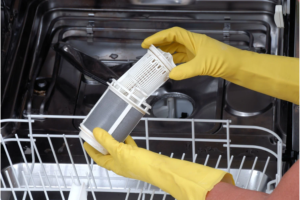
Is your KitchenAid dishwasher not cleaning dishes as well as it used to? One common reason could be a dirty filter.
If you want your dishwasher to work efficiently and keep your dishes sparkling clean, knowing how to clean your KitchenAid dishwasher filter is key. In this guide, you’ll learn simple, step-by-step tips to get your filter spotless fast. Keep reading, and you’ll save time, avoid costly repairs, and enjoy perfectly clean dishes every time.
Identify The Filter Type
Identifying the type of filter in your Kitchen Aid dishwasher is the first step in proper cleaning. Different models use different filters, so knowing your filter type helps you clean it correctly. This prevents damage and keeps your dishwasher running smoothly.
Filters can be found at the bottom of the dishwasher tub, near the spray arms. Some filters are easy to remove by hand, while others need a twist or a gentle pull. Recognizing your filter type ensures effective maintenance.
Check The User Manual
The user manual provides detailed information about your dishwasher model. It shows the exact filter type and how to remove it safely. Manuals often include pictures that make identification easier.
Look For A Mesh Or Cartridge Filter
Mesh filters are flat screens that trap food particles. Cartridge filters are cylindrical and often twist out. Both types require regular cleaning but have different removal methods.
Inspect For A Self-cleaning Filter System
Some Kitchen Aid dishwashers have self-cleaning filters. These filters use a grinder to break down debris. They need less frequent cleaning but still require occasional checks.
Identify The Filter Location
- Bottom center of the dishwasher tub
- Near the spray arms
- Underneath the lower rack
Knowing the exact location helps you access and clean the filter with ease.
Gather Cleaning Supplies
Gathering the right supplies makes cleaning your Kitchen Aid dishwasher filter simple. Having everything ready saves time and avoids interruptions. This small task becomes easier with the correct tools and cleaning agents at hand.
Basic Cleaning Tools
- Soft-bristle brush or old toothbrush
- Non-abrasive sponge or cloth
- Small bowl or container for soaking
- Rubber gloves to protect your hands
Cleaning Agents
- Warm water for rinsing and soaking
- Mild dish soap to remove grease and grime
- White vinegar for breaking down mineral deposits
- Baking soda for gentle scrubbing
Additional Supplies
- Flashlight to inspect the filter clearly
- Soft towel or cloth for drying
- Small bowl to catch debris while cleaning
Remove The Dishwasher Filter
Begin by opening the dishwasher door and locating the filter at the bottom. Twist and lift the filter out carefully to avoid spilling debris. Rinse it under running water to remove food particles and buildup.
Removing the dishwasher filter is crucial for optimal performance. A clean filter ensures your KitchenAid dishwasher runs smoothly. It prevents food particles from clogging the system. Follow these steps to remove the filter effectively.
Locate The Filter
Start by opening the dishwasher door fully. The filter is usually at the bottom of the dishwasher. Check near the base of the lower spray arm. It often has a cylindrical shape. Ensure the dishwasher is off before proceeding.
Unlock And Lift Out
To unlock the filter, twist it counterclockwise. Some models may have a latch to press. Gently lift the filter out of its compartment. Be cautious, as it might hold debris. Keep a bowl nearby to catch any water.
Clean The Filter Thoroughly
Cleaning your Kitchen Aid dishwasher filter thoroughly is key to keeping your dishwasher running smoothly and your dishes spotless. Neglecting this simple task can lead to clogs, bad odors, and inefficient cleaning. Let’s break down how you can give your filter the deep clean it needs with easy-to-follow steps.
Rinse With Warm Water
Start by rinsing the filter under warm running water. The warmth helps loosen food particles and grease stuck on the surface. Hold the filter at different angles to make sure all sides get a good rinse.
Have you noticed how just a quick rinse can remove a surprising amount of grime? It’s the first and most important step to avoid pushing debris further into the dishwasher system.
Scrub With A Soft Brush
Next, take a soft brush—an old toothbrush works perfectly—and gently scrub the filter. Focus on the mesh and crevices where food particles often hide. Avoid using anything too abrasive to prevent damage.
Think about how often tiny bits of food get stuck in the filter’s mesh. A soft brush can reach those tricky spots better than just rinsing. This step ensures your filter is not just clean on the surface but deep inside too.
Soak For Stubborn Debris
If you find stubborn debris that won’t budge, soak the filter in warm, soapy water for about 10-15 minutes. Adding a little white vinegar can help break down mineral buildup and grease. After soaking, scrub again gently and rinse thoroughly.
Have you ever left a filter dirty for too long? Soaking brings back that “like new” feeling by loosening tough residues that brushing alone can’t handle. This extra step can save you from unexpected dishwasher problems down the line.
Inspect And Clean The Filter Housing
Inspecting and cleaning the filter housing in your Kitchen Aid dishwasher is essential to keep your appliance running smoothly. The filter housing is where food particles and debris collect, which can clog the system if not cleaned regularly. Taking a closer look at this part helps you spot blockages early and avoid unpleasant odors or poor cleaning results.
Locate And Remove The Filter Housing
First, open your dishwasher door and look at the bottom. The filter housing usually sits near the spray arm and looks like a small mesh or plastic container.
Carefully twist or lift the housing out, depending on your model. If it feels stuck, check your dishwasher’s manual to avoid damage.
Check For Debris And Damage
Once removed, examine the housing closely. Food particles, grease, and soap scum often build up here, affecting water flow.
Look for any cracks or wear that might require replacement. A damaged housing can let debris enter the dishwasher’s pump, leading to costly repairs.
Clean The Housing Thoroughly
Use warm water and a soft brush or sponge to scrub the filter housing. Avoid harsh chemicals that could damage the plastic or mesh.
Rinse thoroughly to remove all residue. You can soak the housing in vinegar for 15 minutes if you notice stubborn buildup or odors.
Reinstall The Filter Housing Properly
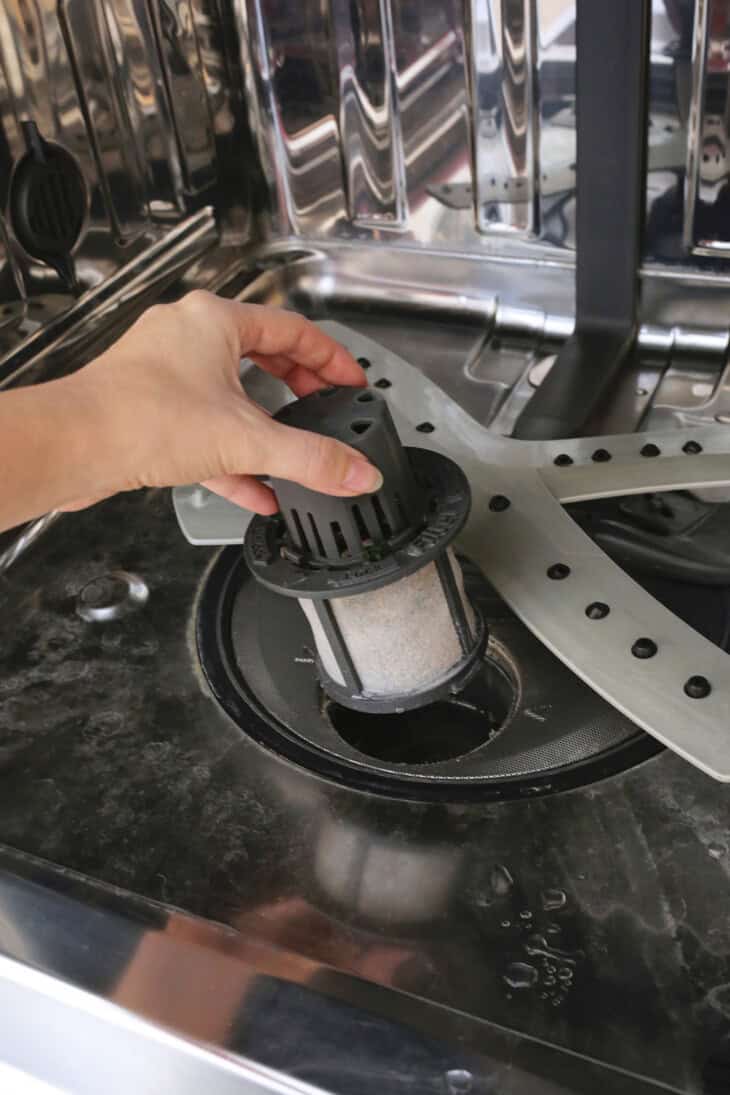
Align the housing back in its place and secure it by twisting or snapping it in, according to your model’s instructions.
Ensuring a snug fit prevents leaks and keeps your dishwasher working at its best. Have you noticed a difference in cleaning performance after this simple step?
Credit: ablissfulnest.com
Reinstall The Filter
After cleaning the Kitchen Aid dishwasher filter, reinstalling it correctly is crucial. A proper fit ensures the dishwasher runs smoothly and cleans effectively. Take your time to place the filter back carefully.
Align Properly
Match the filter’s shape with the dishwasher’s filter slot. Look for grooves or tabs that guide the filter’s position. Gently place the filter into the slot without forcing it. Check that it sits flat and even. Proper alignment prevents leaks and noise during cycles.
Secure In Place
Once aligned, twist or press the filter to lock it in place. You might hear a click or feel it snap securely. Avoid leaving the filter loose; it can cause damage or reduce cleaning power. Confirm the filter does not move by giving it a gentle tug. A secure filter maintains dishwasher performance and protects internal parts.
Run A Maintenance Cycle
Running a maintenance cycle is a crucial part of keeping your Kitchen Aid dishwasher filter clean and your appliance running smoothly. It helps remove leftover food particles, grease, and detergent residue that can build up over time. Taking the time to run a proper maintenance cycle can extend the life of your dishwasher and improve its cleaning performance.
Use Dishwasher Cleaner
Choose a dishwasher cleaner designed specifically to break down grease and limescale inside your machine. These cleaners target the filter and internal parts, loosening debris that regular cycles might miss. Simply place the cleaner in the detergent dispenser or at the bottom of the dishwasher and run the maintenance cycle.
I've noticed a big difference after using a cleaner regularly. Your dishwasher won’t just smell fresher; it will work more efficiently. Don’t underestimate the power of this simple step.
Select Proper Cycle
Not all dishwasher cycles are equal when it comes to cleaning the filter. Use the heavy-duty or maintenance cycle option on your Kitchen Aid dishwasher for the best results. These cycles typically run longer and use higher temperatures to thoroughly clean the interior.
Check your dishwasher’s manual to identify the maintenance cycle or a similar intensive cleaning cycle. Running this cycle once a month can prevent buildup and keep your filter in top shape. Are you using the right cycle to protect your dishwasher’s longevity?

Credit: www.finishdishwashing.ca
Tips For Regular Filter Maintenance
Keeping your KitchenAid dishwasher filter clean is essential for optimal performance and longevity. Regular maintenance prevents food particles from clogging the system, ensuring your dishes come out sparkling every time. Here are practical tips to help you maintain your filter efficiently and avoid common pitfalls.
Schedule Cleaning Frequency
How often you clean your dishwasher filter depends on your usage and the types of dishes you wash. If you run your dishwasher daily, aim to clean the filter at least once a week. For less frequent use, a biweekly cleaning might be sufficient.
Mark your calendar or set a reminder on your phone to keep this task consistent. Skipping cleanings can lead to buildup that reduces water flow and causes unpleasant odors. Think about your last cleaning—does your dishwasher smell fresh? If not, it might be time to check the filter.
Avoid Common Mistakes
One of the biggest errors is neglecting to remove all parts of the filter before cleaning. Your KitchenAid filter often consists of multiple pieces that need separate attention. Cleaning only the outer screen leaves debris trapped inside, which affects performance.
Another mistake is using harsh chemicals or abrasive tools. These can damage the filter and shorten its lifespan. Use warm water, mild soap, and a soft brush to gently remove buildup without causing harm.
Have you ever tried to reassemble the filter without paying attention to how each part fits? Misalignment can cause leaks or noise during cycles. Take a moment to check the user manual or online guides to ensure proper assembly after cleaning.

Credit: www.abt.com
Frequently Asked Questions
How Often Should I Clean My Kitchen Aid Dishwasher Filter?
You should clean your Kitchen Aid dishwasher filter every 1 to 3 months. Regular cleaning prevents clogs and ensures optimal performance. If you use your dishwasher frequently, clean it monthly to avoid residue buildup and odors.
How Do I Remove The Filter From A Kitchen Aid Dishwasher?
To remove the filter, open the dishwasher bottom rack. Twist the filter counterclockwise and lift it out gently. Refer to your manual for model-specific instructions to avoid damage.
Can I Use Soap To Clean The Dishwasher Filter?
Yes, use mild dish soap and warm water to clean the filter. Avoid harsh chemicals to prevent damage. Gently scrub with a soft brush to remove debris and grease.
What Happens If I Don’t Clean The Dishwasher Filter?
A dirty filter causes poor drainage and dirty dishes. It can lead to unpleasant odors and dishwasher malfunctions. Regular cleaning keeps your appliance efficient and extends its lifespan.
Conclusion
Cleaning your Kitchen Aid dishwasher filter keeps your machine working well. Regular cleaning stops bad smells and clogs. It also helps your dishes come out cleaner. Take out the filter gently and wash it with warm water. Use a soft brush to remove stuck bits.
Do this every few weeks for best results. A clean filter saves time and money on repairs. Remember, small care steps make a big difference. Keep your dishwasher fresh and efficient with simple filter cleaning. Your kitchen will thank you!