
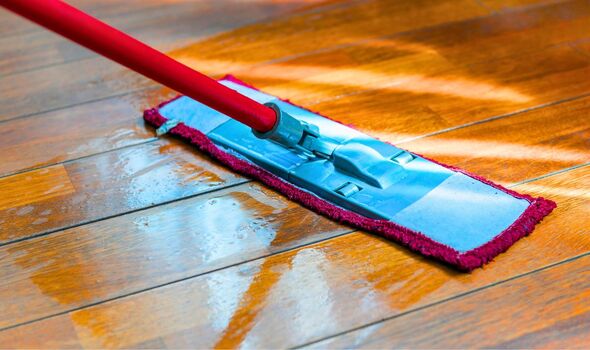
Your kitchen floor can get dirty fast, and sometimes you don’t have a mop ready to clean it up. But don’t worry—cleaning your kitchen floor without a mop is easier than you think.
Imagine having a spotless floor using simple tools you already have at home. You’ll discover quick, effective ways to tackle messes and keep your kitchen shining, even without a mop. Keep reading, and you’ll never stress about cleaning your kitchen floor again.
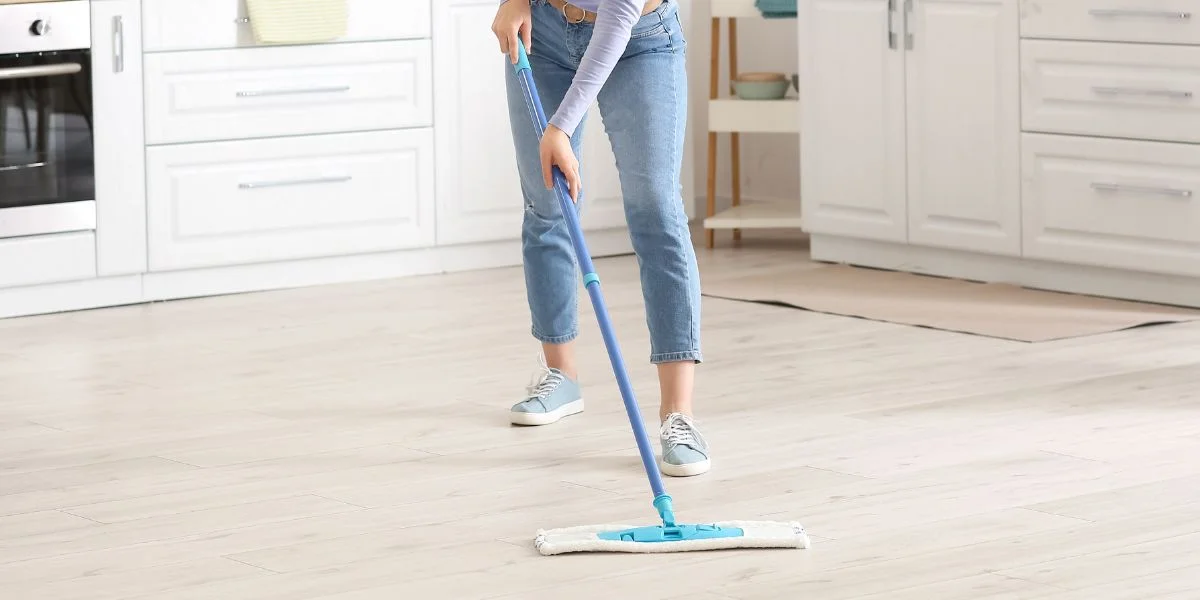
Credit: www.abt.com
Gather Essential Supplies
Before you start cleaning your kitchen floor without a mop, it’s crucial to gather the right supplies. Having everything ready will make the process faster and less frustrating. Plus, using the right tools and solutions ensures your floor gets cleaned effectively without damage.
Choose The Right Cleaning Tools
Think about what you already have at home. A bucket, scrub brush, or even a sponge can replace a mop. Microfiber cloths work great for wiping and scrubbing smaller areas.
Don’t underestimate the power of a good old-fashioned broom and dustpan for sweeping up loose dirt first. You want to avoid spreading dirt around as you clean.
Here’s a simple list of tools that can help:
- Stiff-bristled brush or scrub brush
- Microfiber cloths or rags
- Bucket for water
- Broom and dustpan
- Spray bottle for cleaning solution
Select Safe Cleaning Solutions
Choosing the right cleaning solution is just as important as the tools. Harsh chemicals can ruin your floor’s finish or leave harmful residues. Instead, look for gentle, effective options.
Many people overlook simple solutions like vinegar diluted with water. It’s safe for most floor types and kills germs without harsh fumes. If vinegar isn’t your thing, mild dish soap mixed with warm water can do the trick.
Ask yourself: what kind of floor do you have? Wood, tile, laminate, or vinyl all require different care. Always test your solution on a small patch before applying it everywhere.
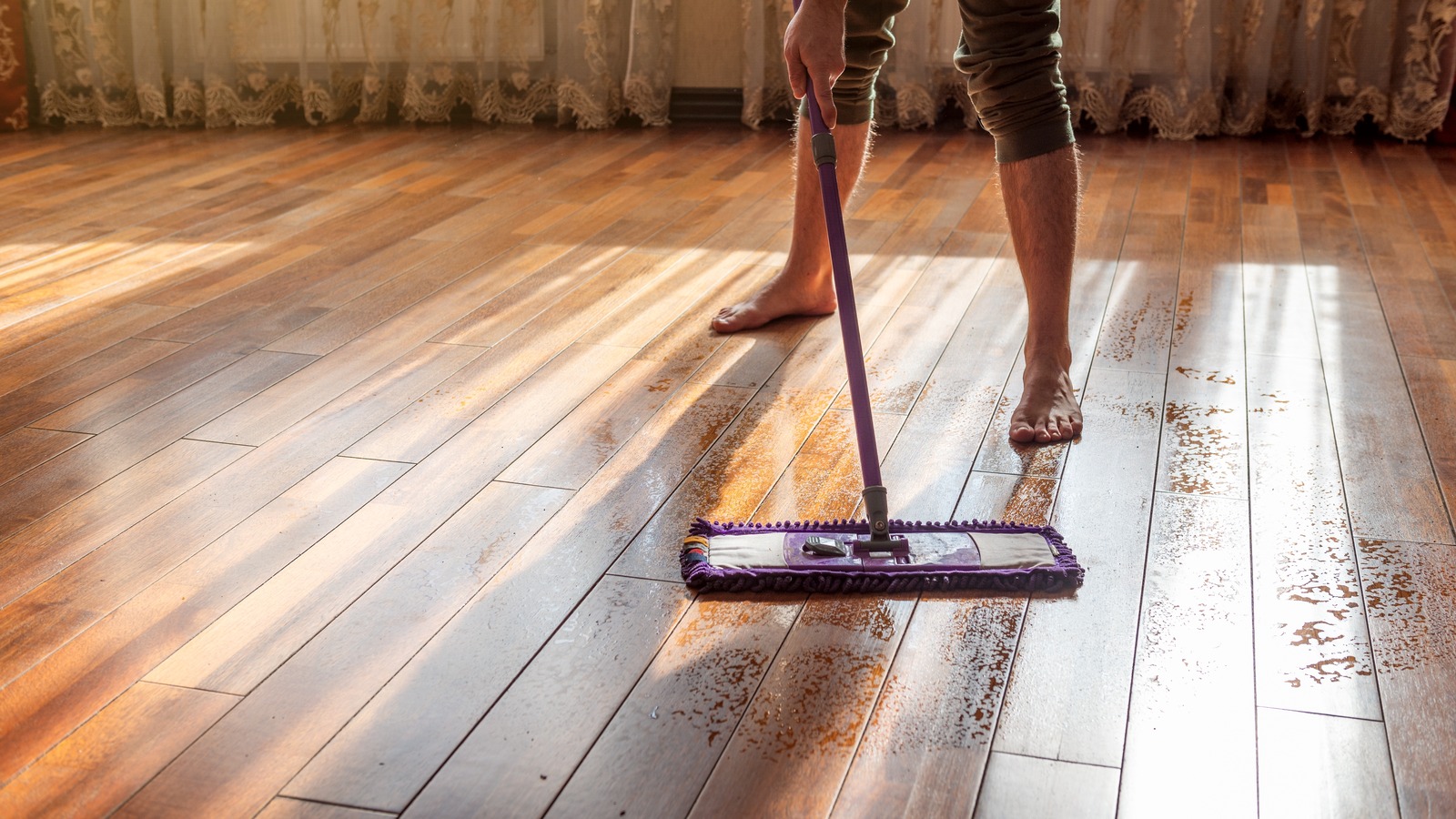
Credit: www.housedigest.com
Prepare The Floor
Preparing your kitchen floor before cleaning without a mop is essential for a thorough and effective result. Taking the time to clear and treat the surface sets the stage for easier cleaning and helps you avoid spreading dirt around. Let’s focus on two key steps that make a big difference: removing loose debris and spot treating stains.
Remove Loose Debris
Start by clearing away crumbs, dust, and other loose particles from your floor. Use a broom, handheld vacuum, or even a dustpan and brush to sweep the entire area. This step prevents dirt from turning into grime when you begin the actual cleaning process.
Don’t forget to check under cabinets, around the corners, and near appliances where debris often hides. I once missed a pile of crumbs behind the fridge, which made my floor feel sticky after cleaning. Catching these hidden spots early saves you from extra scrubbing later.
Spot Treat Stains
Next, identify any stains or sticky spots that need special attention. You can use a damp cloth with a bit of dish soap or a gentle cleaner to target these areas. Apply the cleaner directly, let it sit for a minute, then scrub gently with a sponge or brush.
Think about that stubborn coffee spill you ignored last week—treating it early prevents it from hardening and becoming a bigger problem. Focusing on stains now means your overall floor cleaning will be much smoother and faster.
Cleaning Methods Without A Mop
Cleaning your kitchen floor without a mop might seem tricky at first, but there are simple, effective ways to get the job done. Whether you’re out of mops or just want a quick fix, these methods can save your day. Let’s dive into some practical alternatives that you can try right now.
Use A Sponge Or Cloth
A damp sponge or cloth can be surprisingly powerful for cleaning small spills or sticky spots on your kitchen floor. Dip it in warm, soapy water, wring it out well, and start wiping the area in circular motions. This approach lets you target problem areas without soaking the floor.
Remember to rinse the sponge or cloth often to avoid spreading dirt around. If you have a microfiber cloth, even better—it traps dirt more effectively. Have you noticed how much control you get using a cloth compared to a mop?
Try A Broom And Dustpan Combo
If your floor mainly needs a quick cleanup, a broom and dustpan can do wonders. Sweep up crumbs, dust, and pet hair into a pile, then collect it with the dustpan. This dry method is great for everyday maintenance and keeps your floor looking tidy.
To add a bit of cleaning power, you can slightly dampen the broom bristles before sweeping. It helps pick up finer dust particles. Have you tried sweeping with a damp broom? It might change how you clean floors forever.
Employ A Scrub Brush
A scrub brush works well on stubborn stains or textured floors where dirt hides in grooves. Use a brush with firm bristles and some warm, soapy water to scrub away grime. This method requires a bit more elbow grease but delivers excellent results.
Focus on small sections at a time and rinse the brush regularly. You’ll be surprised how quickly tough spots disappear. What’s your experience with scrubbing floors—does it feel more satisfying to see the dirt lift away by hand?
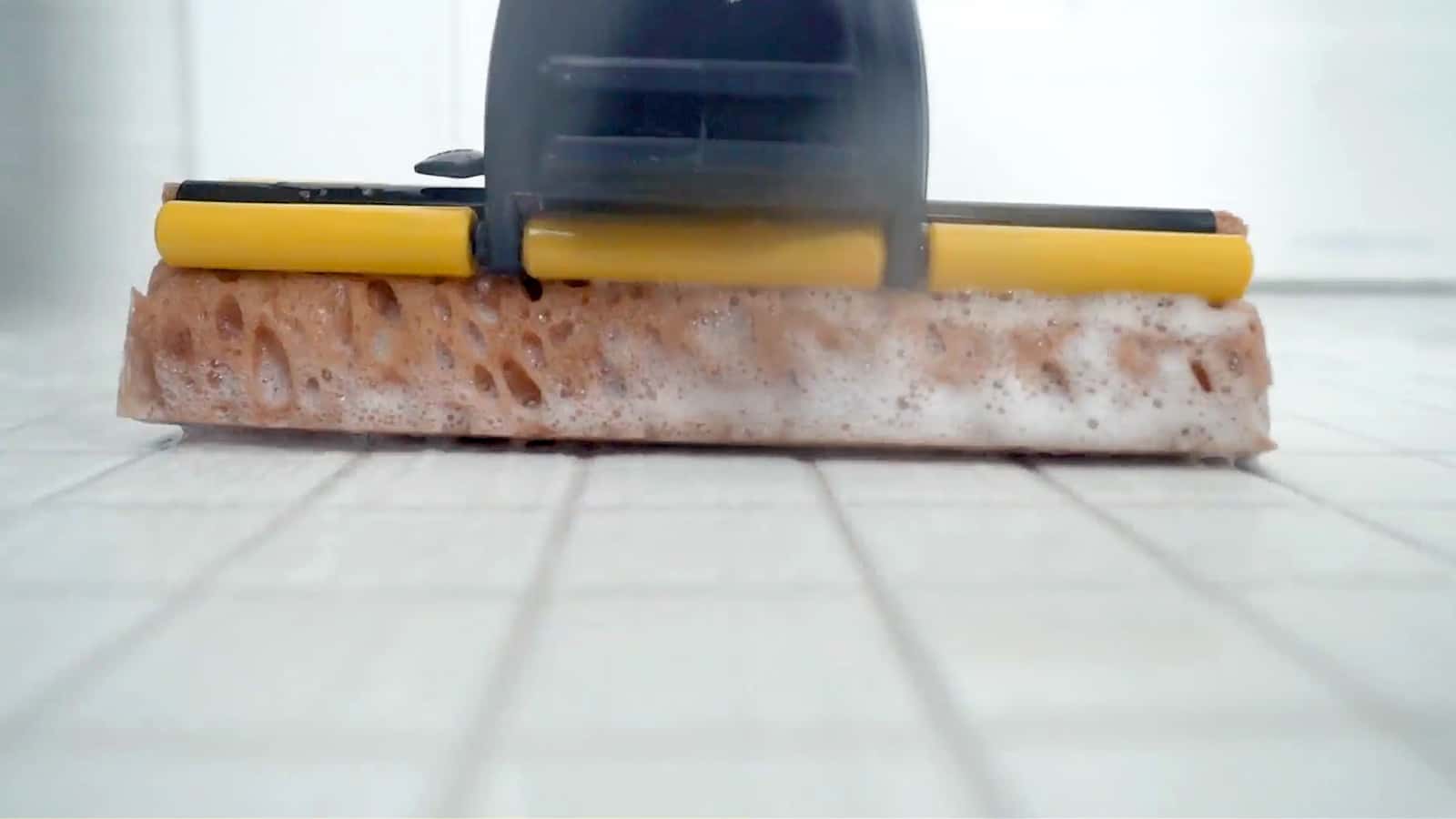
Credit: www.pinesol.com
Drying The Floor
Use a dry cloth or towel to soak up water quickly. Let the floor air dry to prevent slippery spots. Ensure good ventilation by opening windows or turning on a fan.
Drying the floor after cleaning is a crucial step to prevent slips and maintain the pristine look of your kitchen. While mops are typically associated with wet cleaning, there are effective ways to dry your floor without one. Let's delve into some practical methods to ensure your kitchen floor is not only clean but also dry and safe.
Use Towels Or Rags
Grab a few old towels or rags that you don’t mind getting a bit dirty. Spread them across the wet areas of the floor. Step on the towels gently or use your hands to press down, allowing the fabric to absorb the excess moisture. If you have kids, this can be a fun game for them to hop around on the towels. It's a simple, yet effective way to engage them in the cleaning process. Plus, it saves time and energy compared to waiting for the floor to air dry.
Ensure Proper Ventilation
Open windows and doors to let fresh air circulate in your kitchen. This not only helps dry the floor faster but also keeps the space smelling fresh. If your kitchen has a ceiling fan, turn it on to increase airflow. Consider using a small portable fan aimed at the floor for a quicker drying process. Have you ever noticed how quickly laundry dries outside on a windy day? The same principle applies here. The increased airflow can significantly cut down drying time. Remember, a well-ventilated kitchen isn't just about drying the floor—it also prevents moisture buildup that can lead to mold. So, how often do you think about ventilation when cleaning your kitchen?
Tips For Maintaining A Clean Floor
Keeping your kitchen floor spotless without a mop is easier than you might think. The secret lies in consistent care and quick action. These tips help you maintain a clean floor daily, saving you time and effort in the long run.
Regular Sweeping Habits
Sweeping your kitchen floor regularly stops dirt from building up. Use a soft-bristle broom to reach corners and under cabinets where dust loves to hide.
Try sweeping once every day or every other day, especially if you cook often. It keeps crumbs and debris from turning into sticky messes that are harder to clean later.
Ask yourself: How much dirt am I willing to let sit before I sweep? Changing your mindset about this can make a big difference in your floor’s cleanliness.
Quick Spill Cleanup
Spills happen, but leaving them unattended invites stains and sticky spots. Wipe spills immediately with a damp cloth or paper towel to prevent damage.
I once ignored a small juice spill, thinking I’d clean it later. Hours after, it dried and became a stubborn stain. That taught me the value of acting fast.
Keep cleaning wipes or a small bucket of water nearby for quick access. What small changes can you make to ensure spills don’t linger on your kitchen floor?
Frequently Asked Questions
What Are Effective Alternatives To A Mop For Cleaning Floors?
You can use a microfiber cloth, sponge, or a broom with a damp cloth. These tools clean dirt and grime effectively without a mop. They are easy to use and great for quick cleanups or small areas.
How Can I Clean Kitchen Floors Without Harsh Chemicals?
Use a mixture of warm water and mild dish soap. This solution removes dirt gently and is safe for all floor types. Avoid bleach or ammonia to protect your floor's finish and indoor air quality.
Can Vinegar Be Used To Clean Kitchen Floors Without A Mop?
Yes, dilute vinegar with water for an eco-friendly floor cleaner. It cuts grease and kills bacteria effectively. Avoid using vinegar on natural stone floors to prevent damage.
How Do I Dry Floors Without A Mop After Cleaning?
Use a clean, dry towel or microfiber cloth to absorb moisture. Air drying or opening windows speeds up the drying process. This method prevents streaks and water spots on your floor.
Conclusion
Cleaning a kitchen floor without a mop is simple and effective. Use a broom, cloth, or sponge for quick results. Warm water and mild soap work well for most floors. Regular cleaning keeps your kitchen fresh and safe. Small steps make a big difference in cleanliness.
Try these easy methods to save time and effort. A clean floor feels good and looks nice too. Keep your kitchen tidy without needing special tools.