
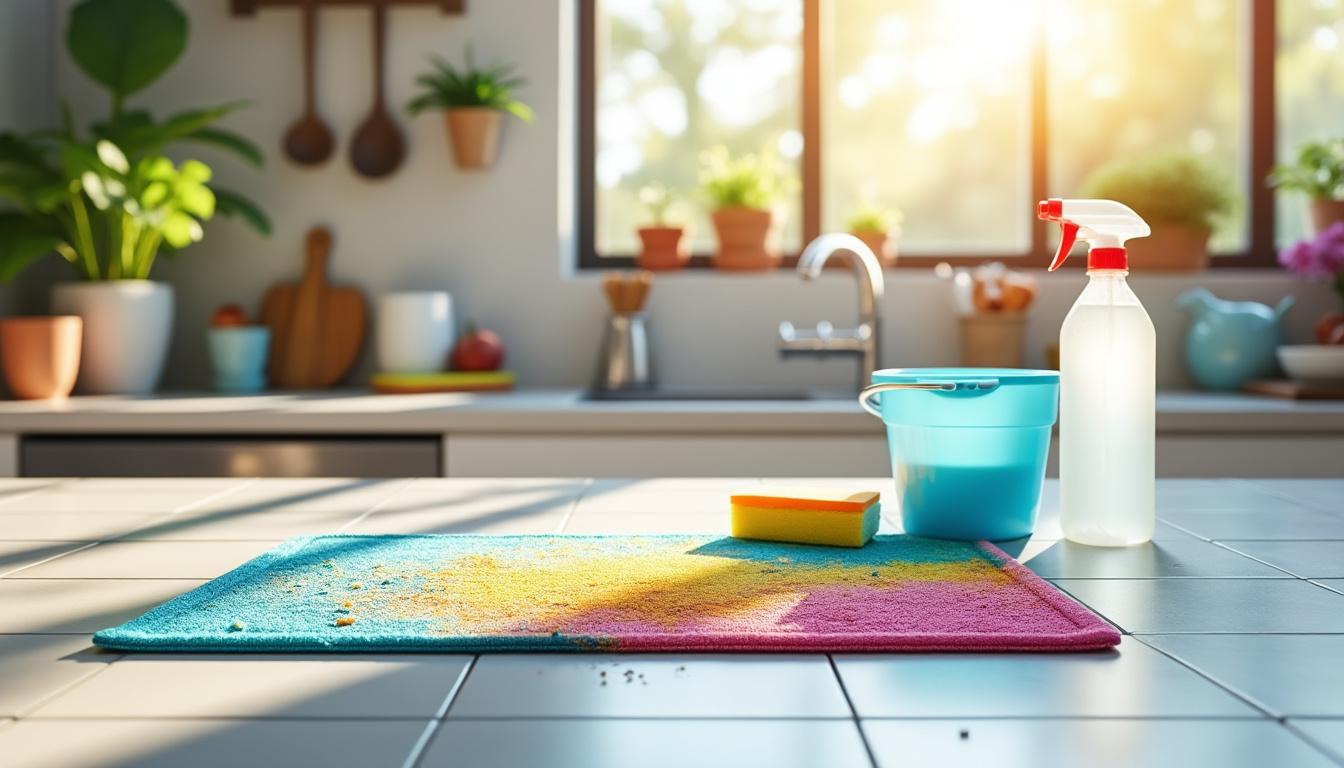
Your kitchen mat works hard every day, catching spills, crumbs, and stains. But when was the last time you gave it a proper clean?
A dirty kitchen mat not only looks unpleasant but can also harbor germs that affect your health. You might think cleaning it is a hassle, but with a few simple steps, you can make your mat look fresh and last longer.
Keep reading to discover easy, effective ways to clean your kitchen mat and keep your cooking space safe and comfortable.
Credit: www.walmart.com
Choosing The Right Cleaning Method
Choosing the right cleaning method for your kitchen mat can save you time and extend its life. Not all mats respond well to the same treatments, so understanding what works best for your specific mat is crucial. Let’s break down how the material and cleaning intensity influence your approach.
Material Matters
Kitchen mats come in different materials like rubber, foam, fabric, or vinyl, and each needs a different cleaning touch. Rubber mats can usually handle a good scrub with soapy water, but fabric mats might require gentler treatments to avoid damage.
Think about your mat’s texture and thickness. If it’s delicate or has a special coating, harsh chemicals or vigorous scrubbing can ruin it. Check the label or manufacturer’s instructions to see if there are any cleaning restrictions.
Spot Cleaning Vs Deep Cleaning
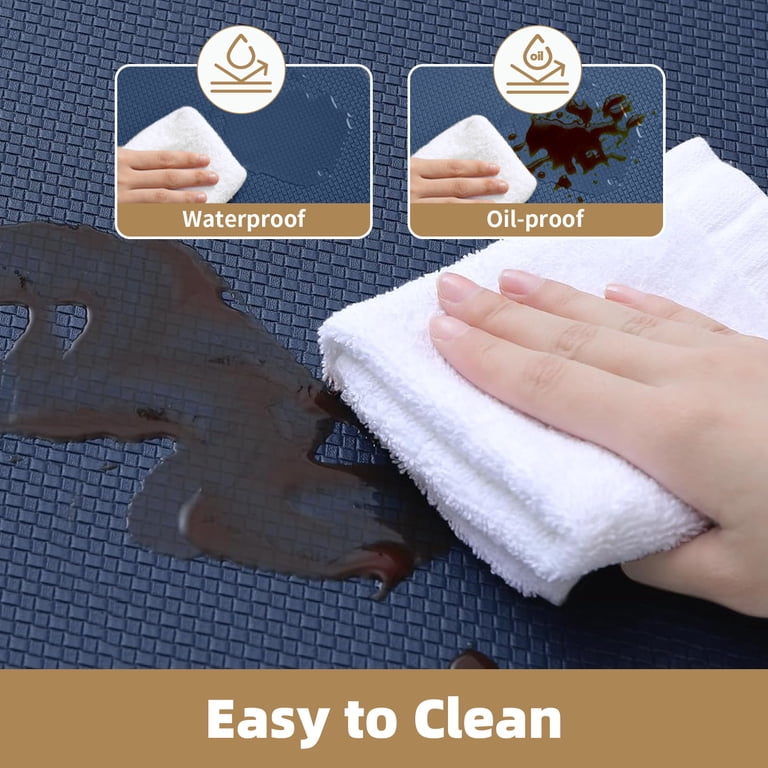
Not every stain or mess calls for a full wash. Spot cleaning targets specific areas without soaking the entire mat, which is perfect for small spills or stains. Use a mild detergent and a soft cloth to gently lift dirt without saturating the material.
Deep cleaning is necessary when your mat looks dull or smells bad. This involves washing the whole mat thoroughly, sometimes soaking or using a machine wash. However, deep cleaning too often can wear out your mat faster, so balance it with regular spot cleaning.
Have you noticed a part of your mat getting dirtier faster? That might mean you need to adjust your cleaning routine or the method you use. What’s your mat made of, and how often do you think it needs a deep clean?
Preparing Your Kitchen Mat For Cleaning
Preparing your kitchen mat for cleaning is the first step to keep it fresh and long-lasting. Dirt, crumbs, and dust often get trapped in the fibers. Removing these particles before washing helps improve cleaning results.
Start by loosening the debris from the surface. This makes deep cleaning easier and more effective.
Shaking Off Debris
Take your kitchen mat outside or to a trash bin area. Hold it firmly and shake it vigorously. This helps dislodge loose crumbs and dirt.
Shaking removes surface debris that vacuuming might miss. Repeat a few times until no more dust falls off.
Vacuuming Dust And Dirt
Use a vacuum cleaner with a brush attachment for best results. Slowly run it over both sides of the mat.
Vacuuming picks up fine dust and dirt embedded deep in the fibers. It also helps reduce allergens and bacteria.
Make sure to cover every corner and edge. Check the vacuum bag or container and empty if needed.
Hand Washing Techniques
Cleaning a kitchen mat by hand requires gentle scrubbing with warm water and mild soap. Rinse thoroughly to remove all dirt and soap residue. Allow the mat to air dry completely before using it again.
Cleaning a kitchen mat by hand can keep it fresh and long-lasting. Hand washing allows you to tackle stubborn stains with care. This method prevents damage that can occur with machine washing. Let's explore some effective techniques for hand washing your kitchen mat.
Using Mild Detergents
Choose a mild detergent for gentle cleaning. Harsh chemicals can damage the mat fibers. Fill a basin with warm water and add a small amount of detergent. Mix until suds form. This ensures the detergent is evenly distributed. Submerge the mat fully in the soapy water. Allow it to soak for a few minutes. This helps to loosen dirt and grime.
Scrubbing Stains Gently
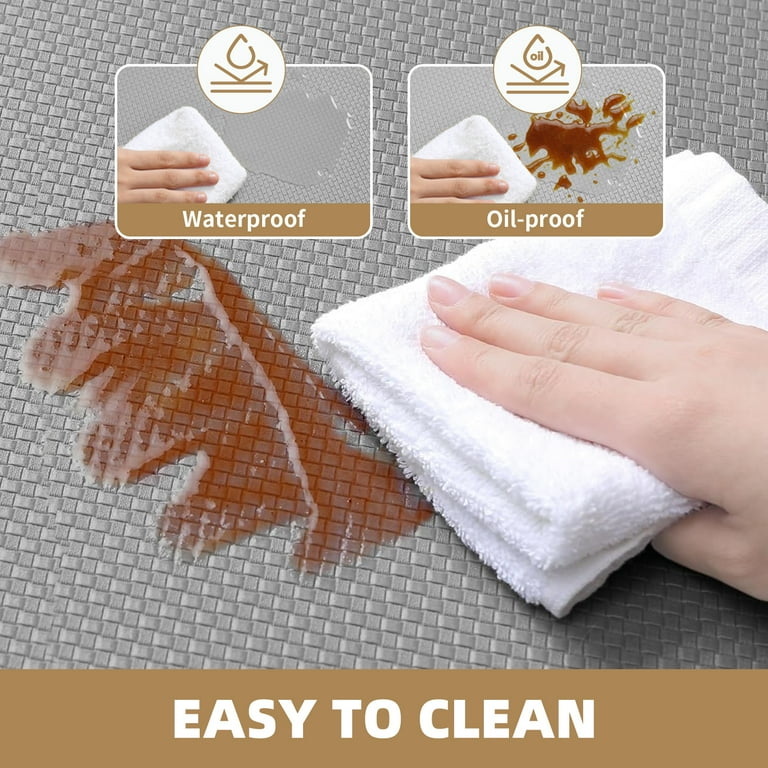
Use a soft brush or cloth for scrubbing. Focus on stained areas, scrubbing gently. Avoid using excessive force to prevent damage. For stubborn stains, apply a bit more detergent directly. Let it sit for a minute before scrubbing. Rinse the mat thoroughly with clean water. Ensure all soap is removed to avoid residue. Hang it to dry in a well-ventilated area.
Credit: www.walmart.com
Machine Washing Tips
Machine washing your kitchen mat can save time and effort, but it requires some care to keep the mat looking fresh and intact. Knowing the right approach helps avoid damage and ensures effective cleaning. Let’s dive into some practical tips that can help you get the best results from your washing machine.
Checking Care Labels
Always check the care label before tossing your kitchen mat into the machine. The label tells you about the mat’s material and any specific washing instructions. Ignoring these details can lead to shrinking, color fading, or fabric damage.
Look for symbols that indicate water temperature, washing method, and drying advice. If the label says “hand wash only” or “spot clean,” machine washing might not be safe. Have you ever ruined a favorite mat by skipping this step? It’s a quick habit that protects your investment.
Setting The Right Cycle
Selecting the proper washing cycle can make all the difference in preserving your kitchen mat’s quality. Use a gentle or delicate cycle to reduce wear and tear on the fibers. Avoid high spin speeds, as they can stretch or distort the mat.
Cold or warm water settings usually work best, especially for synthetic mats. Hot water can weaken glue or backing materials. Remember, a mild detergent is enough—strong chemicals might cause colors to fade or textures to change.
Drying Your Kitchen Mat
Drying your kitchen mat properly is important for its durability and cleanliness. Wet mats can develop mold, odors, and damage over time. Taking time to dry your mat well keeps it fresh and safe for kitchen use.
Choosing the right drying method helps maintain your mat's shape and texture. Some mats need gentle care, while others can handle more airflow. Understanding these options protects your investment and keeps your kitchen clean.
Air Drying Benefits
Air drying is gentle on kitchen mats and saves energy. It reduces the risk of shrinking or warping. Fresh air removes moisture evenly, preventing mold growth. It also keeps the mat’s backing intact and strong. Let your mat dry flat or hang it in a well-ventilated area. Sunlight can help but avoid direct harsh rays for long periods.
Avoiding Heat Damage
Heat can damage the fibers and backing of your mat. Avoid using a dryer or placing the mat near heaters. High temperatures cause mats to lose shape or become brittle. Instead, use fans or open windows to speed drying. If you must use heat, choose the lowest setting and check often. Protect your mat to extend its life and maintain comfort.
Maintaining A Spotless Mat
Keeping your kitchen mat spotless not only improves the look of your kitchen but also ensures a healthier cooking environment. A clean mat can prevent dirt buildup and reduce unpleasant odors. Let’s talk about how you can maintain that fresh, clean feeling every day.
Regular Cleaning Schedule
Set a routine to clean your kitchen mat regularly. Depending on how much traffic your kitchen sees, aim to vacuum or shake out the mat at least once a week. This quick action removes crumbs and loose dirt before they settle deep into the fibers.
For deeper cleaning, wash the mat every month or as needed. Check the care label first—some mats can go in the washing machine, while others need hand washing. If you hand wash, use mild detergent and warm water, then air dry completely to prevent mildew.
Preventing Future Stains
Stains can sneak up on you, but you can stop them before they start. Place a small tray under your kitchen mat to catch spills from pots or plants nearby. Wiping up spills immediately with a damp cloth helps a lot.
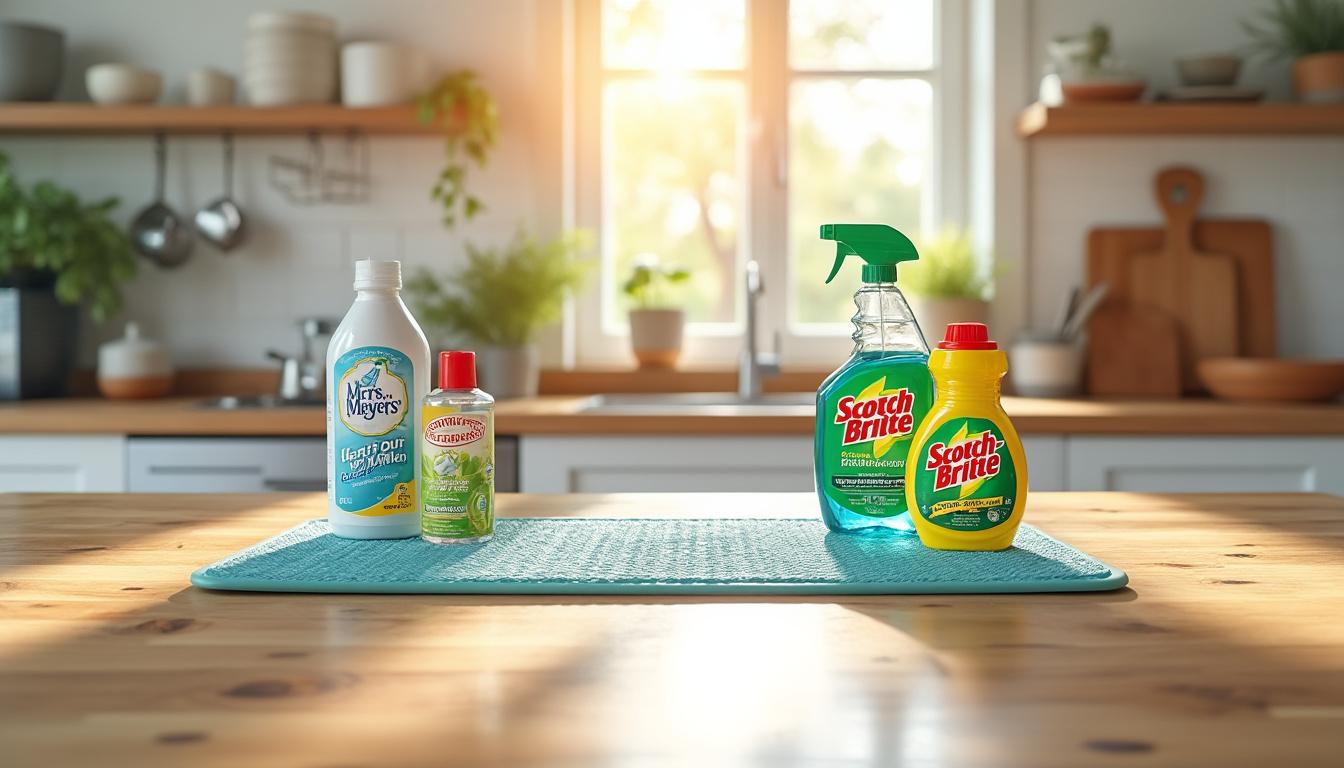
Consider treating your mat with a fabric protector spray to repel liquids and stains. Avoid wearing shoes on the mat to reduce dirt transfer. Have you noticed how a little care can stretch the life of your kitchen mat? It really pays off over time.
Credit: sokafa.com
Frequently Asked Questions
How Often Should I Clean My Kitchen Mat?
Clean your kitchen mat every 1-2 weeks to maintain hygiene. Frequent cleaning prevents dirt buildup and reduces bacteria growth. Regular washing also keeps the mat looking fresh and extends its lifespan. Adjust frequency based on foot traffic and usage.
What Is The Best Method To Clean A Kitchen Mat?
Vacuum first to remove loose dirt, then wash with mild detergent. Use warm water and scrub gently for fabric mats. For rubber mats, wipe with soapy water and rinse. Always air dry the mat completely before placing it back.
Can I Machine Wash My Kitchen Mat?
Many fabric kitchen mats are machine washable. Check the care label for specific instructions. Use a gentle cycle with mild detergent and cold water. Avoid using bleach or harsh chemicals. Air dry to prevent mat damage and maintain shape.
How Do I Remove Stubborn Stains From Kitchen Mats?
Apply a mixture of baking soda and water to stains. Let it sit for 10-15 minutes, then scrub gently with a soft brush. For tougher stains, use a mild stain remover safe for your mat’s material. Rinse and air dry thoroughly.
Conclusion
Cleaning your kitchen mat keeps your space fresh and safe. Regular washing removes dirt and germs easily. Use gentle soap and water for best results. Let the mat dry completely before placing it back. A clean mat helps prevent slips and allergies.
Small efforts lead to a cleaner kitchen every day. Keep your kitchen mat neat to enjoy a healthy home. Simple steps make cleaning quick and stress-free. Remember, a clean kitchen mat means a happier cooking space.