
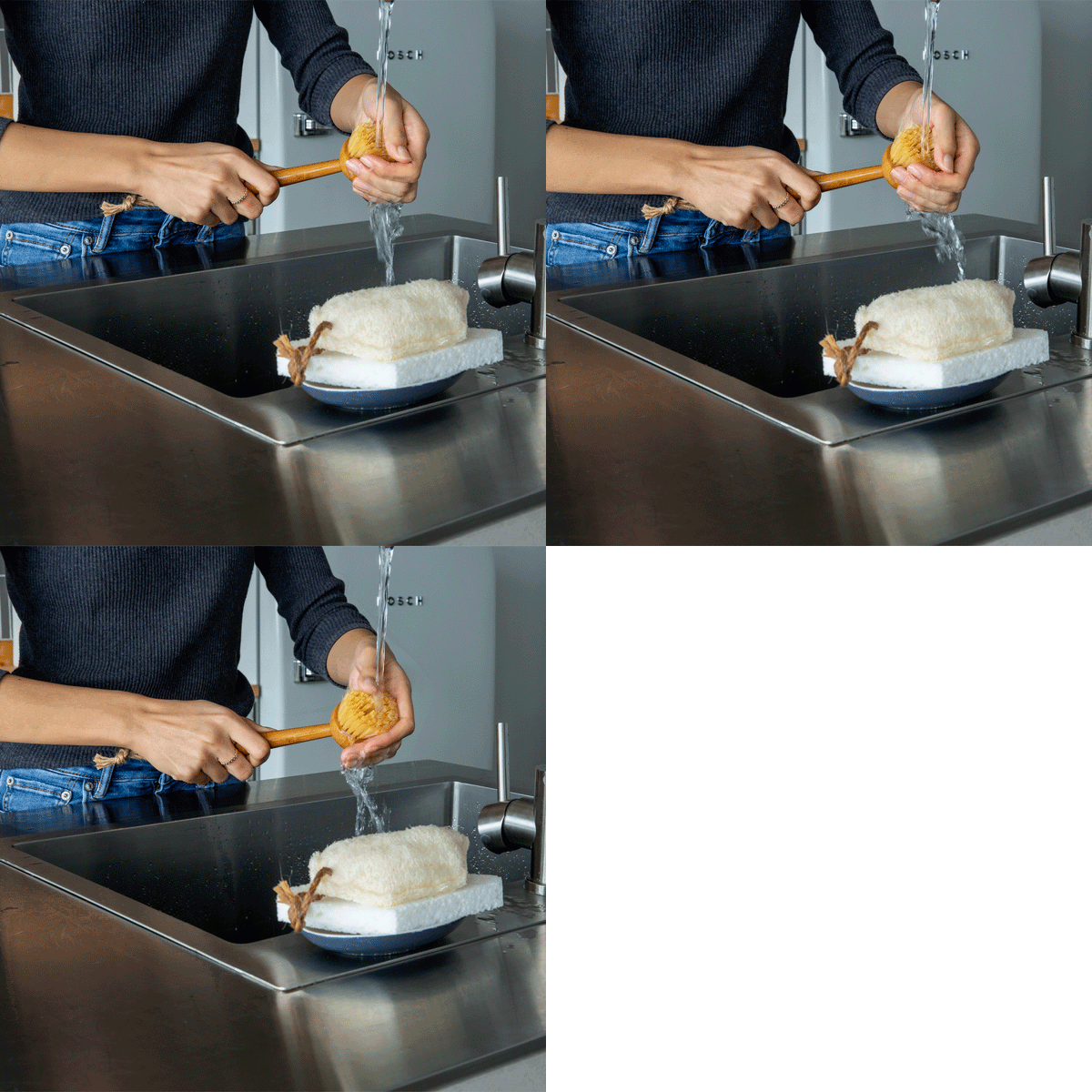
Your kitchen scrub brush works hard to keep your dishes and surfaces spotless. But when was the last time you gave it a proper clean?
If you don’t take care of your scrub brush, it can hold onto germs and grime, making your cleaning efforts less effective. In this post, you’ll discover simple, effective ways to clean your kitchen scrub brush so it stays fresh and ready for action every time you need it.
Keep reading to learn easy steps that will save you time and keep your kitchen truly clean.
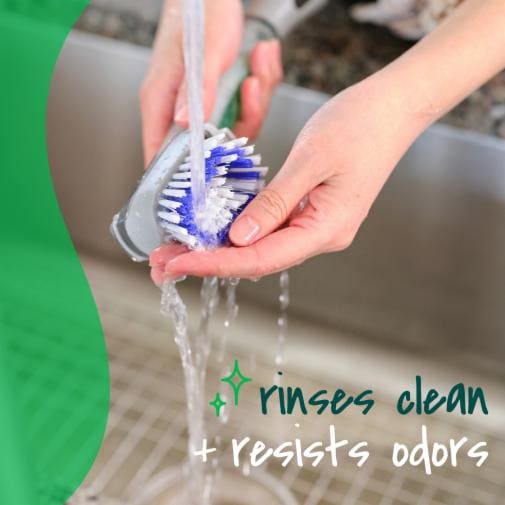
Credit: www.scotch-brite.com
Why Clean Your Scrub Brush
Cleaning your kitchen scrub brush is often overlooked, yet it plays a crucial role in keeping your kitchen hygienic and your cleaning routine effective. You might wonder why this simple tool deserves such attention. The answer lies in how a clean brush impacts your health, the tool’s durability, and the quality of your cleaning.
Bacteria And Germ Buildup
Your scrub brush is exposed to food particles, grease, and moisture daily, creating a perfect breeding ground for bacteria and germs. If left uncleaned, these microbes multiply quickly and can transfer onto your dishes and surfaces, risking your family’s health.
Have you ever noticed an unpleasant smell coming from your brush? That’s often a sign of bacterial growth. Regular cleaning prevents this buildup, keeping your kitchen safer.
Extending Brush Lifespan
Scrub brushes cost money, and replacing them too often can add up. When you clean your brush regularly, you remove debris that wears down the bristles faster.
Keeping your brush free from grime also stops the handle from becoming sticky or cracked. This simple habit saves you money and reduces waste.
Maintaining Cleaning Efficiency
A brush clogged with dirt and grease can’t clean effectively. Dirty bristles don’t scrub surfaces well and may leave residue behind.
When you clean your brush, you restore its scrubbing power, making your kitchen chores quicker and easier. Isn’t it better to use a tool that works perfectly every time?
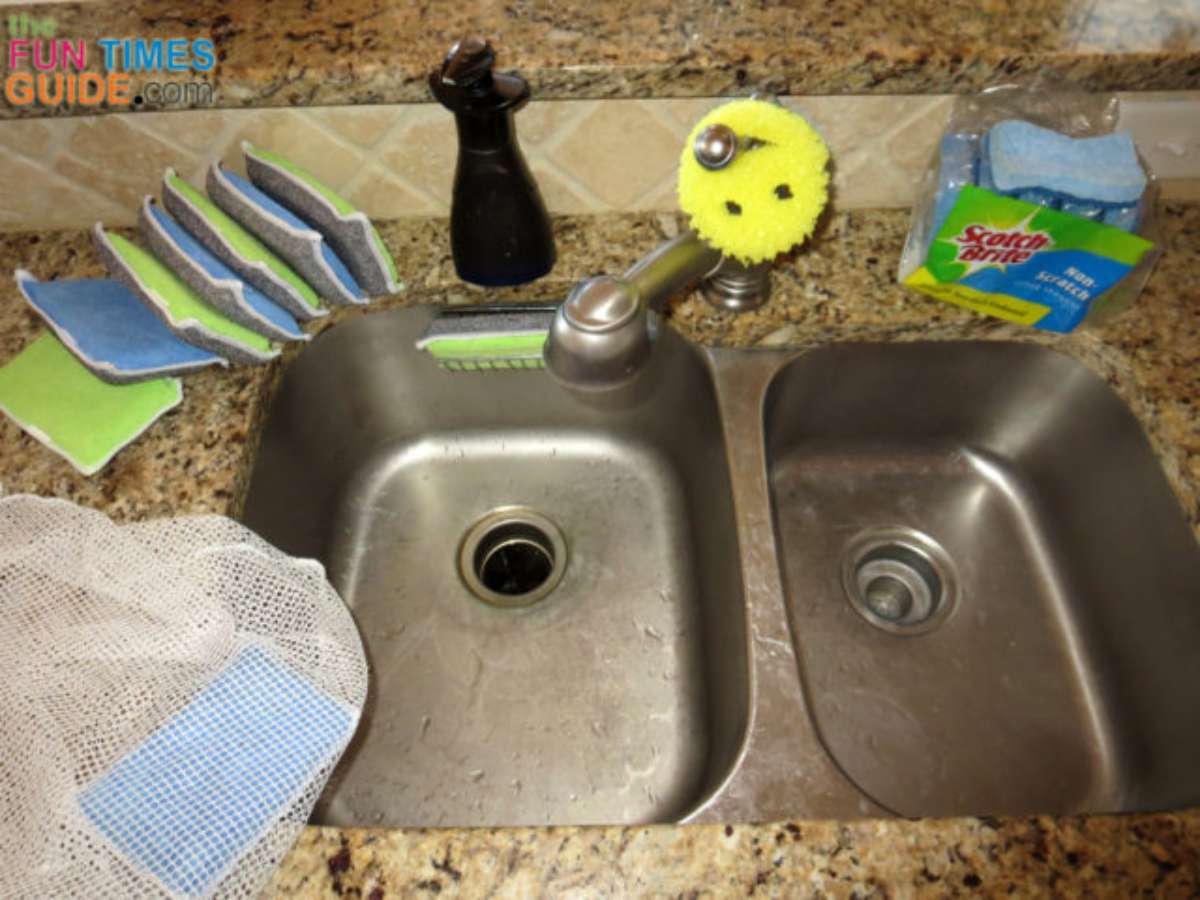
Credit: household-tips.thefuntimesguide.com
Tools And Supplies Needed
Gathering the right tools and supplies makes cleaning your kitchen scrub brush easier and more effective. You don’t need anything fancy, but having a few basics on hand will speed up the process and ensure a thorough clean. Here’s what you’ll want ready before you start scrubbing.
Common Household Items
- Warm water:Helps loosen dirt and grease from the bristles.
- Dish soap:A mild soap breaks down food particles and oils.
- Baking soda:Acts as a gentle abrasive and deodorizer.
- White vinegar:Cuts through grime and disinfects naturally.
- Old toothbrush:Perfect for getting into tight spots on your scrub brush.
- A bowl or sink:To soak your brush during cleaning.
These items are often already in your kitchen, so you probably won’t need to buy anything extra. Have you ever thought about how simple ingredients like baking soda and vinegar can refresh tools you use daily?
Specialized Cleaning Products
- Antibacterial brush cleaner:Designed specifically to sanitize brushes and remove tough buildup.
- Brush disinfectant spray:Useful for a quick, hygienic finish after washing.
- Steam cleaner:If you have one, it’s excellent for deep cleaning without harsh chemicals.
While these products aren’t essential, they can speed up the process and improve results, especially if your brush is heavily soiled. Have you tried using a steam cleaner on your kitchen tools? It’s surprisingly effective and chemical-free.
Simple Cleaning Methods
Soaking the scrub brush in warm, soapy water helps remove dirt and grease. Rinse it well and let it air dry to keep it clean and fresh.
Cleaning your kitchen scrub brush may not be the most glamorous task, but it's essential for maintaining a hygienic kitchen. Over time, these brushes can harbor bacteria, grime, and food particles, making them less effective. Thankfully, simple cleaning methods can restore your scrub brush to its former glory. Let's dive into a few effective techniques that are both straightforward and efficient.
Soap And Warm Water Soak
Begin with a classic approach using warm water and soap. Fill a bowl with warm water and add a few drops of dish soap. Submerge the scrub brush and let it soak for about 15 minutes. This will loosen the dirt and grime. After soaking, scrub the bristles with your fingers to remove debris. Rinse the brush under running water and let it air dry. This method is quick and easy, perfect for weekly maintenance.
Vinegar And Baking Soda Treatment
For a deeper clean, try using vinegar and baking soda. Pour 1 cup of vinegar into a bowl and sprinkle 2 tablespoons of baking soda over it. The mixture will fizz, helping to lift stubborn dirt from the brush. Soak the scrub brush in this solution for at least 30 minutes. Rinse thoroughly with water to remove any vinegar smell. This method is great for brushes with tough stains or unpleasant odors.
Using Hydrogen Peroxide
Hydrogen peroxide is another effective option for sanitizing your scrub brush. Pour a small amount of hydrogen peroxide into a container, enough to cover the bristles. Let the brush soak for about 10 minutes. This process not only cleans but also disinfects, killing any lingering bacteria. After soaking, rinse the brush well with water and let it air dry. Consider this method if you want a thorough sanitization without harsh chemicals. Have you tried any of these methods before? Share your cleaning experiences in the comments below!

Credit: www.cottonvalley.net
Deep Cleaning Techniques
Deep cleaning your kitchen scrub brush removes hidden dirt and bacteria. Regular cleaning keeps your brush fresh and safe to use. Here are effective techniques to deep clean your scrub brush with simple tools.
Boiling Water Method
Boiling water kills germs and loosens debris on the brush. Start by bringing a pot of water to a full boil. Carefully place the scrub brush in the water. Let it soak for 5 to 10 minutes. Remove the brush using tongs and allow it to dry completely. This method is quick and uses only water.
Dishwasher Cleaning
Place the scrub brush in the dishwasher’s top rack. Run a hot water cycle with your regular detergent. The heat and soap clean and sanitize the brush deeply. Make sure the brush is dishwasher safe before using this method. Allow the brush to air dry after the cycle ends.
Uv Light Sanitizing
UV light kills bacteria without water or chemicals. Use a UV sanitizer designed for small kitchen tools. Place the scrub brush inside the device and turn it on. Follow the manufacturer’s instructions for timing. This method is chemical-free and effective for deep cleaning.
Drying And Storage Tips
Proper drying and storage are essential to keep your kitchen scrub brush clean and ready for use. If you leave it wet or store it improperly, bacteria can quickly multiply. Taking a few extra moments to dry and store your brush correctly can make a big difference in hygiene and brush longevity.
Proper Drying Methods
After washing your scrub brush, shake off excess water immediately. Avoid leaving it sitting in a sink or damp area, which encourages mold growth.
Place the brush where air can circulate freely around it. Hanging it by its handle or setting it bristle-side down on a rack helps speed up drying.
Do you have a sunny window or a well-ventilated spot in your kitchen? Use that space. Sunlight and airflow naturally reduce moisture and bacteria buildup.
Storing To Prevent Bacteria
Store your scrub brush in a dry, open area rather than in a closed container. Trapped moisture inside a container creates a perfect environment for germs.
Consider using a brush holder with drainage holes to keep water from pooling. Regularly clean the storage area to avoid any residue buildup.
Think about how often you clean your brush. If it’s daily, quick drying and open storage are crucial. If less often, you might want to sanitize it more frequently to prevent bacteria growth.
Signs To Replace Your Scrub Brush
Knowing when to replace your kitchen scrub brush is just as important as keeping it clean. Using a worn-out brush can make your cleaning less effective and even unhygienic. Here are some clear signs that your scrub brush has served its time and it's time for a new one.
Worn Bristles
Check your brush bristles regularly. If they look frayed, bent, or have broken off, the brush can’t scrub effectively anymore. I once ignored this and ended up scrubbing twice as hard, wasting time and effort.
Worn bristles mean less surface area to tackle tough stains. Replace your brush as soon as the bristles lose their original shape and stiffness.
Persistent Odors
Have you noticed a bad smell that won’t go away even after cleaning the brush? Persistent odors are a sign that bacteria and mold have taken up residence in the bristles. No matter how much you clean, these smells warn you it’s time to toss the brush.
Don’t risk spreading germs to your dishes or countertops. If your brush smells funky after thorough washing, it’s a clear signal to get a fresh one.
Loss Of Cleaning Power
If your brush no longer removes grime like it used to, you’ve lost cleaning power. This often happens gradually and can be easy to miss. Ask yourself: are you scrubbing harder but seeing less result?
A scrub brush should make cleaning easier, not harder. Once it stops performing well, replacing it will save you time and frustration.
Frequently Asked Questions
How Often Should I Clean A Kitchen Scrub Brush?
Clean your kitchen scrub brush weekly to prevent bacteria buildup. Regular cleaning maintains hygiene and extends the brush’s lifespan. Frequent cleaning also keeps it odor-free and effective for scrubbing tasks.
What Is The Best Way To Clean A Kitchen Scrub Brush?
Soak the brush in hot, soapy water for 10 minutes. Scrub bristles with another brush to remove debris. Rinse thoroughly and air dry completely before reuse.
Can I Use Bleach To Clean My Scrub Brush?
Yes, dilute bleach with water (1:10 ratio) to disinfect. Soak the brush for 5 minutes to kill germs. Rinse well to remove bleach residue and prevent damage.
How Do I Remove Odors From A Kitchen Scrub Brush?
Soak the brush in a mixture of vinegar and water for 15 minutes. Vinegar neutralizes odors naturally. Rinse thoroughly and let it dry in sunlight for freshness.
Conclusion
Cleaning your kitchen scrub brush keeps it fresh and ready to use. Regular washing stops germs and dirt from building up. A clean brush helps you cook and clean safely. Simple steps like soaking and rinsing work well every time.
Take a few minutes to clean your brush weekly. This small habit saves you time and effort later. Keep your kitchen tools clean for a healthier home. Clean brush, happy kitchen!