
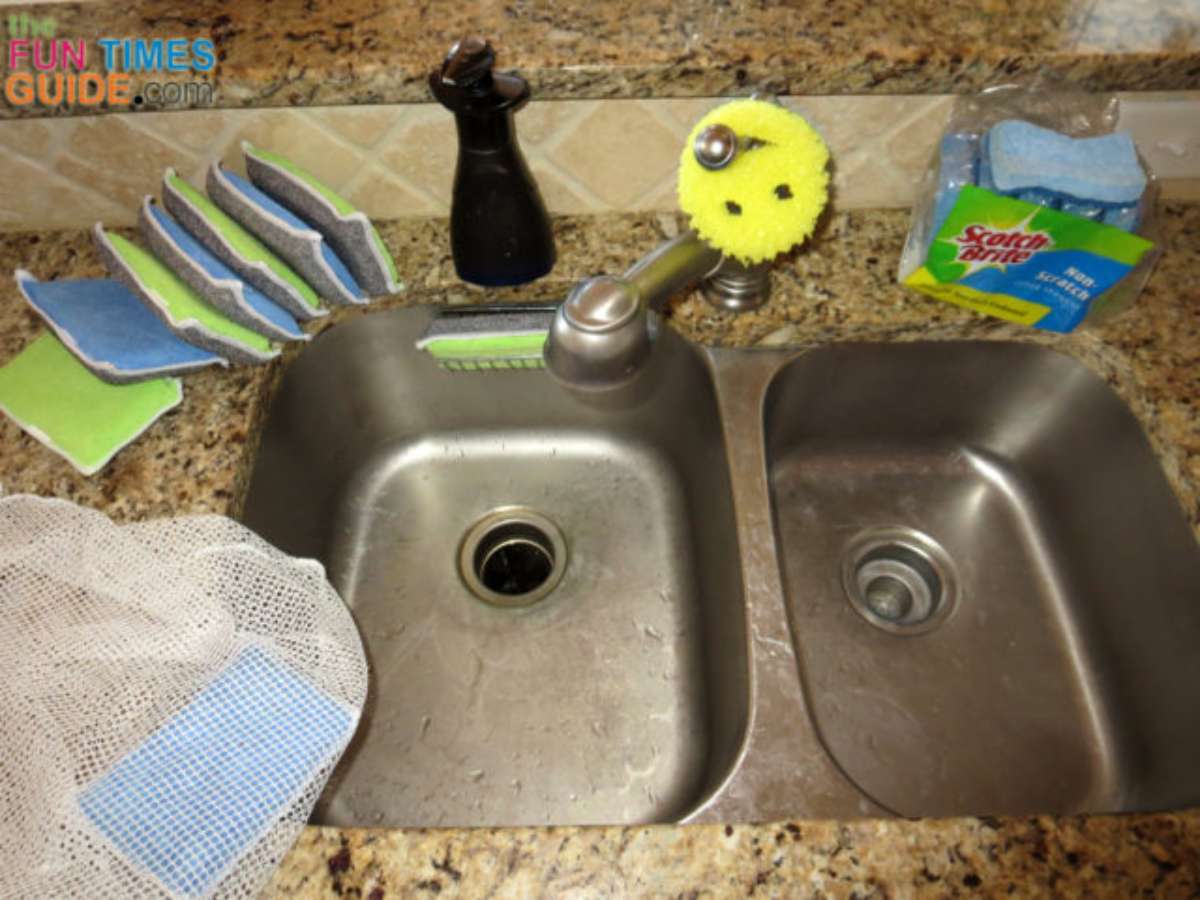
Your kitchen sponge works hard every day, soaking up spills and scrubbing away messes. But did you know it can also be a hotspot for germs and bacteria?
If you want to keep your kitchen clean and your family healthy, knowing how to properly clean your kitchen sponge is a must. You’ll discover simple, effective ways to refresh your sponge and make it last longer. Keep reading to learn the easy steps that will transform your sponge from a germ haven into a powerful cleaning tool you can trust.

Credit: household-tips.thefuntimesguide.com
Why Clean Your Sponge
Cleaning your kitchen sponge is important for keeping your kitchen safe and fresh. Sponges soak up food particles and moisture. These create a perfect place for germs to grow. Regular cleaning stops these germs from spreading.
Health Risks Of Dirty Sponges
Dirty sponges carry harmful bacteria and viruses. These can cause food poisoning and infections. Germs can transfer from the sponge to your dishes and hands. This increases the risk of illness in your home. A dirty sponge also smells bad and looks unpleasant.
Benefits Of Regular Cleaning
Cleaning your sponge often helps remove bacteria and food waste. It extends the life of the sponge. A clean sponge works better and cleans surfaces more effectively. It keeps your kitchen hygienic and safe for cooking. Regular cleaning saves money by reducing the need to buy new sponges.

Credit: www.youtube.com
Materials Needed
Cleaning a kitchen sponge requires just a few simple items. These materials help remove germs and keep your sponge fresh. Most items are easy to find around the house. Having the right tools makes the cleaning process fast and effective.
Common Household Items
- Warm water
- Dish soap
- White vinegar
- Baking soda
- Microwave-safe bowl or container
- Bleach (optional, for deep cleaning)
Optional Cleaning Tools
- Old toothbrush for scrubbing
- Rubber gloves to protect hands
- Microwave or dishwasher for sanitizing
- Small basin or sink for soaking
- Spray bottle for vinegar solution
Microwave Method
Place the damp sponge in the microwave and heat it on high for one to two minutes. This kills germs and bacteria effectively. Be careful when removing it, as the sponge will be hot.
Cleaning your kitchen sponge using the microwave method is a quick and effective way to eliminate bacteria and unpleasant odors. This method leverages the heat from the microwave to sanitize your sponge, making it ready to tackle more kitchen messes. With just a few simple steps, you can ensure your sponge is not a breeding ground for germs.
Preparation Steps
Before you start, make sure your sponge is microwave-safe. You don’t want any metallic elements or non-microwave materials. Begin by soaking your sponge in water. A dry sponge can catch fire, so it’s crucial to thoroughly soak it. You can add a few drops of lemon juice or vinegar to the water for extra cleaning power and a fresh scent.
Microwaving Time And Safety Tips
Place the damp sponge in the microwave. Set the timer for one to two minutes on high heat. This duration is usually sufficient to kill most bacteria. Be cautious when removing the sponge as it will be very hot. Use tongs or allow it to cool before handling. Have you ever thought about how much bacteria your sponge harbors? This quick microwave trick can alleviate those concerns. Remember, keeping your sponge clean extends its life and keeps your kitchen healthier.
Dishwasher Method
The dishwasher method is a simple way to clean kitchen sponges thoroughly. It uses high heat and strong water jets to remove germs and dirt. This method saves time and keeps sponges fresh for longer use.
Loading The Sponge
Place the sponge on the top rack of the dishwasher. Avoid the bottom rack, where water pressure is strongest. Keep the sponge away from sharp objects that may tear it. You can wash multiple sponges together, but do not overcrowd the rack.
Cycle Settings To Use
Choose a hot water cycle for effective cleaning. The sanitize or heavy-duty cycle works best. Avoid quick or eco cycles, which may not clean properly. Add dishwasher detergent as usual to boost cleaning power. After the cycle ends, let the sponge dry inside the dishwasher or outside in fresh air.
Bleach Soak Method
The bleach soak method is a powerful way to clean kitchen sponges. It kills germs and bacteria effectively. This method helps keep your sponge fresh and safe to use. It is simple and requires only a few household items.
Dilution Ratios
Proper dilution is important for safety and effectiveness. Use one tablespoon of bleach for one cup of water. Mix well in a bowl or container. Avoid using undiluted bleach to prevent damage to the sponge.
Soaking Duration And Rinsing
Soak the sponge in the bleach solution for five minutes. Do not soak longer to avoid weakening the sponge. After soaking, rinse the sponge thoroughly with clean water. Squeeze out excess water and let it air dry completely before use.
:max_bytes(150000):strip_icc()/hydrogen-peroxide-uses-home-4174809-05-3c126f03778d46f4858d75c2780429a9.jpg)
Credit: www.thespruce.com
Vinegar And Baking Soda Method
The vinegar and baking soda method is a natural way to clean your kitchen sponge. It helps remove germs and odors without harsh chemicals. This method is simple and uses ingredients you likely have at home. It refreshes your sponge, making it safer to use for daily cleaning tasks.
Mixing Ingredients
Start by gathering white vinegar and baking soda. Use about one cup of vinegar and two tablespoons of baking soda. Pour the vinegar into a bowl or container. Slowly add the baking soda to the vinegar. The mixture will bubble and fizz. This reaction helps break down dirt and kill bacteria in the sponge.
Soaking And Rinsing Process
Place your kitchen sponge into the vinegar and baking soda mixture. Let it soak for at least 15 minutes. This soaking time allows the mixture to clean deep inside the sponge. After soaking, rinse the sponge thoroughly with warm water. Squeeze out excess liquid and let the sponge air dry completely before using it again.
Drying And Storing Tips
Keeping your kitchen sponge clean goes beyond just washing it. How you dry and store it plays a huge role in preventing bacteria buildup and extending its life. Let’s look at some practical tips that make a big difference in keeping your sponge fresh and ready for use.
Proper Drying Techniques
After rinsing your sponge, squeeze out as much water as you can. A wet sponge is a breeding ground for germs, so drying it thoroughly is essential.
Place your sponge somewhere with good air circulation. Avoid leaving it in the sink or a damp spot where moisture lingers.
- Use a sponge holder that allows air to flow around the sponge.
- Consider placing it on a rack or a well-ventilated countertop.
- Occasionally, let your sponge dry out in the sun for a few hours to naturally disinfect it.
Have you noticed how your sponge smells when left in a damp place? That’s a clear sign it’s time to rethink your drying habits.
Best Storage Practices
Where you store your sponge matters just as much as how you dry it. Keeping it in a clean, dry spot reduces the chance of bacteria growth.
Here are some storage tips to keep in mind:
| Storage Tip | Why It Works |
|---|---|
| Use a dedicated sponge holder with drainage | Prevents water from pooling and keeps sponge dry |
| Store away from the sink basin | Reduces exposure to constant moisture |
| Replace sponges regularly, even with good storage | Prevents buildup of unseen bacteria |
Think about your current sponge storage—could a small change here improve your kitchen’s hygiene? Often, a simple adjustment can stop unpleasant odors and prolong your sponge’s usability.
When To Replace Your Sponge
Knowing when to replace your kitchen sponge is just as important as cleaning it regularly. A sponge that’s past its prime can harbor harmful bacteria, making your kitchen less safe. Paying attention to certain signs can help you decide the right time to toss it and grab a new one.
Signs Of Wear And Tear
Look closely at your sponge’s surface. If it’s falling apart, with pieces breaking off or the texture becoming rough and uneven, it’s time for a replacement.
Unpleasant odors that don’t disappear after cleaning are a clear warning. These smells usually mean bacteria have taken hold deep inside.
Notice if your sponge doesn’t absorb water like it used to. A sponge that feels stiff or dry is no longer effective at cleaning.
Recommended Replacement Frequency
Experts suggest changing your kitchen sponge every one to two weeks. This timeline helps prevent bacteria buildup that even thorough cleaning can’t always remove.
If you use your sponge heavily or for raw meat cleanup, consider replacing it more often. Your health can depend on it.
Have you ever kept a sponge too long and regretted it? Try setting a reminder on your phone to swap out your sponge regularly—it’s a small step that makes a big difference in kitchen hygiene.
Frequently Asked Questions
How Often Should I Clean My Kitchen Sponge?
You should clean your kitchen sponge daily to prevent bacteria buildup. Regular cleaning keeps it fresh and safe for use. Replace the sponge every 1-2 weeks for optimal hygiene and effectiveness.
What Is The Best Way To Sanitize A Kitchen Sponge?
Microwaving a damp sponge for 1-2 minutes is an effective sanitizing method. Alternatively, soak it in a bleach solution or run it through the dishwasher. These methods kill most bacteria and extend sponge life.
Can I Use Vinegar To Clean My Kitchen Sponge?
Yes, vinegar is a natural disinfectant. Soak your sponge in a mixture of equal parts vinegar and water for 5 minutes. This helps reduce odors and kills some germs safely.
Is It Safe To Clean A Kitchen Sponge In The Dishwasher?
Yes, placing your sponge in the dishwasher’s top rack during a hot cycle sanitizes it well. Use the heated dry option to ensure thorough drying and bacteria elimination.
Conclusion
Cleaning your kitchen sponge keeps your kitchen safe and fresh. Regular washing stops germs from growing fast. Use simple methods like microwaving or soaking in vinegar. Replace sponges often to avoid bad smells and bacteria. A clean sponge helps dishes stay cleaner and healthier.
Small steps make a big difference in kitchen hygiene. Keep your sponge clean to protect your family’s health. Easy habits lead to a safer, fresher kitchen every day.