
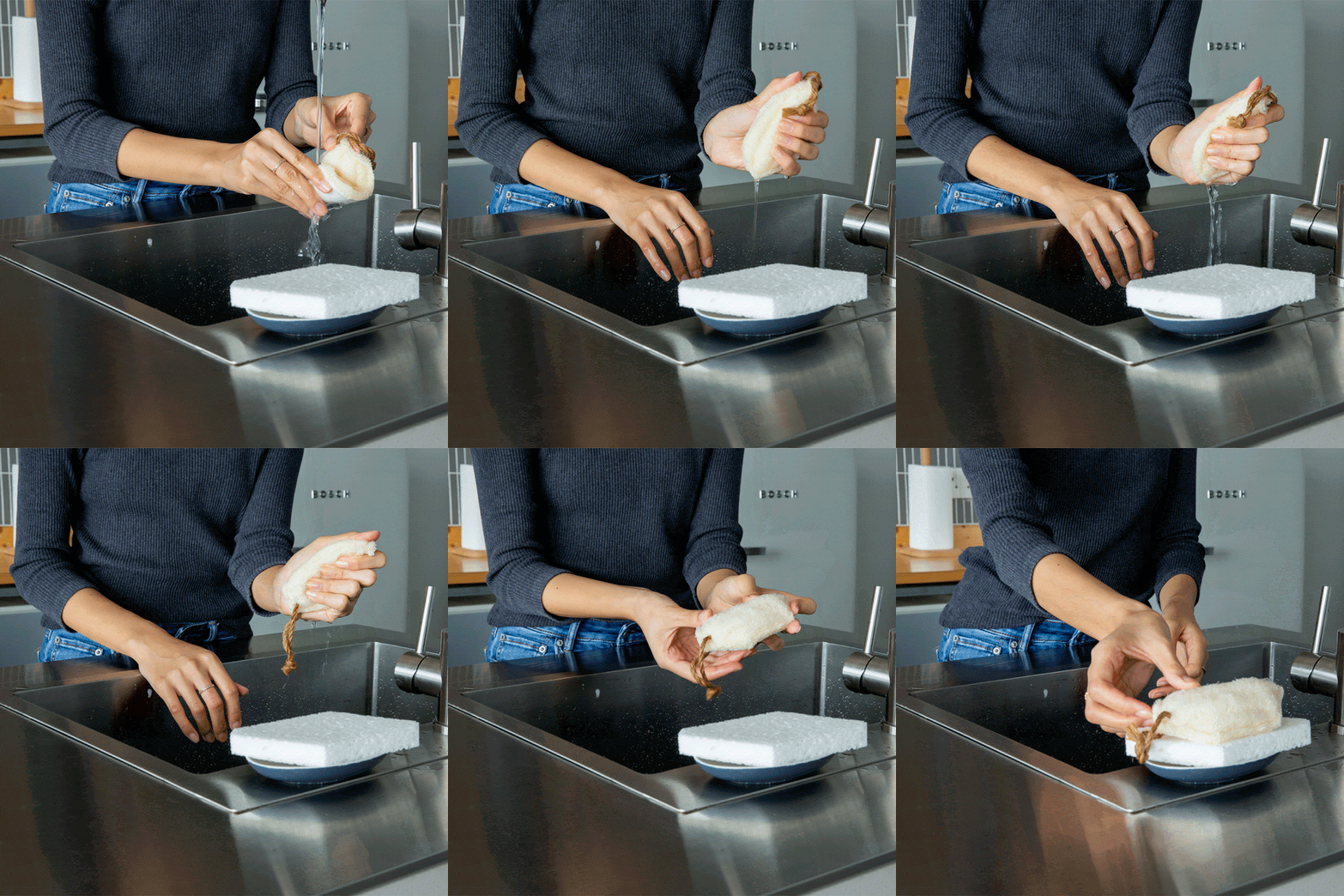
Is your kitchen sponge smelling bad no matter how often you use it? That unpleasant odor is more than just annoying—it can spread germs and make your kitchen less clean than you think.
But don’t toss it out just yet. You can easily bring your sponge back to life with a few simple steps. Keep reading to discover how to clean a smelly kitchen sponge quickly and effectively, so your kitchen stays fresh and hygienic every day.
:max_bytes(150000):strip_icc()/GettyImages-1425295065-f406affe0c904d83a5b948f2d8b2ebff.jpg)
Credit: www.realsimple.com
Causes Of Sponge Odor
Have you ever noticed a foul smell coming from your kitchen sponge even after rinsing it thoroughly? That unpleasant odor usually signals the presence of bacteria and other factors thriving in your sponge. Understanding what causes this smell is the first step to keeping your kitchen fresh and hygienic.
Bacteria And Mold Growth
Your kitchen sponge is a perfect breeding ground for bacteria and mold. These microorganisms thrive because the sponge is often damp and filled with tiny food particles.
Every time you use the sponge to clean dishes, it picks up germs from plates, utensils, and surfaces. If you leave it wet and in a warm spot, bacteria multiply rapidly, producing a strong, unpleasant odor.
Have you ever forgotten to replace your sponge for weeks? That’s when the smell gets unbearable, and mold may start to appear as dark spots.
Food Residue And Moisture
Food bits trapped inside the sponge create a feast for bacteria and mold. Even small crumbs or grease stuck in the sponge fibers can begin to rot.
Moisture keeps the sponge soft but also keeps bacteria alive longer. When you leave a sponge sitting in a wet sink or on a damp surface, it stays moist and smelly.
Consider how often you wring out your sponge or let it dry completely. Neglecting these simple steps invites odor-causing bacteria to stick around.
Signs Your Sponge Needs Cleaning
Knowing when your kitchen sponge needs cleaning is key to keeping your kitchen hygienic and fresh. A sponge that looks or smells off isn’t just unpleasant—it can harbor harmful bacteria. Paying attention to certain signs can help you act before your sponge becomes a breeding ground for germs.
Unpleasant Smell
Does your sponge give off a sour or musty odor? That smell is a clear warning that bacteria and mold are growing inside it. I once ignored the smell, thinking rinsing was enough, but the next day my dishes had a weird residue. A smelly sponge isn’t just annoying; it’s a sign to clean or replace it immediately.
Visible Stains And Discoloration
Look closely at your sponge—are there dark spots, stains, or color changes? These are often signs of mold or food particles trapped inside. Even if the sponge smells fine, visible discoloration means it’s time to give it a thorough clean. Don’t let stains fool you into thinking your sponge is still safe to use.
Quick Cleaning Methods
Soaking a smelly kitchen sponge in vinegar or baking soda helps remove odors quickly. Microwaving a damp sponge for one minute also kills bacteria and freshens it up.
Cleaning a smelly kitchen sponge doesn't have to be a chore. Quick cleaning methods can refresh your sponge and extend its life. These simple techniques ensure your sponge is free from bacteria and odors.
Microwave Sanitizing
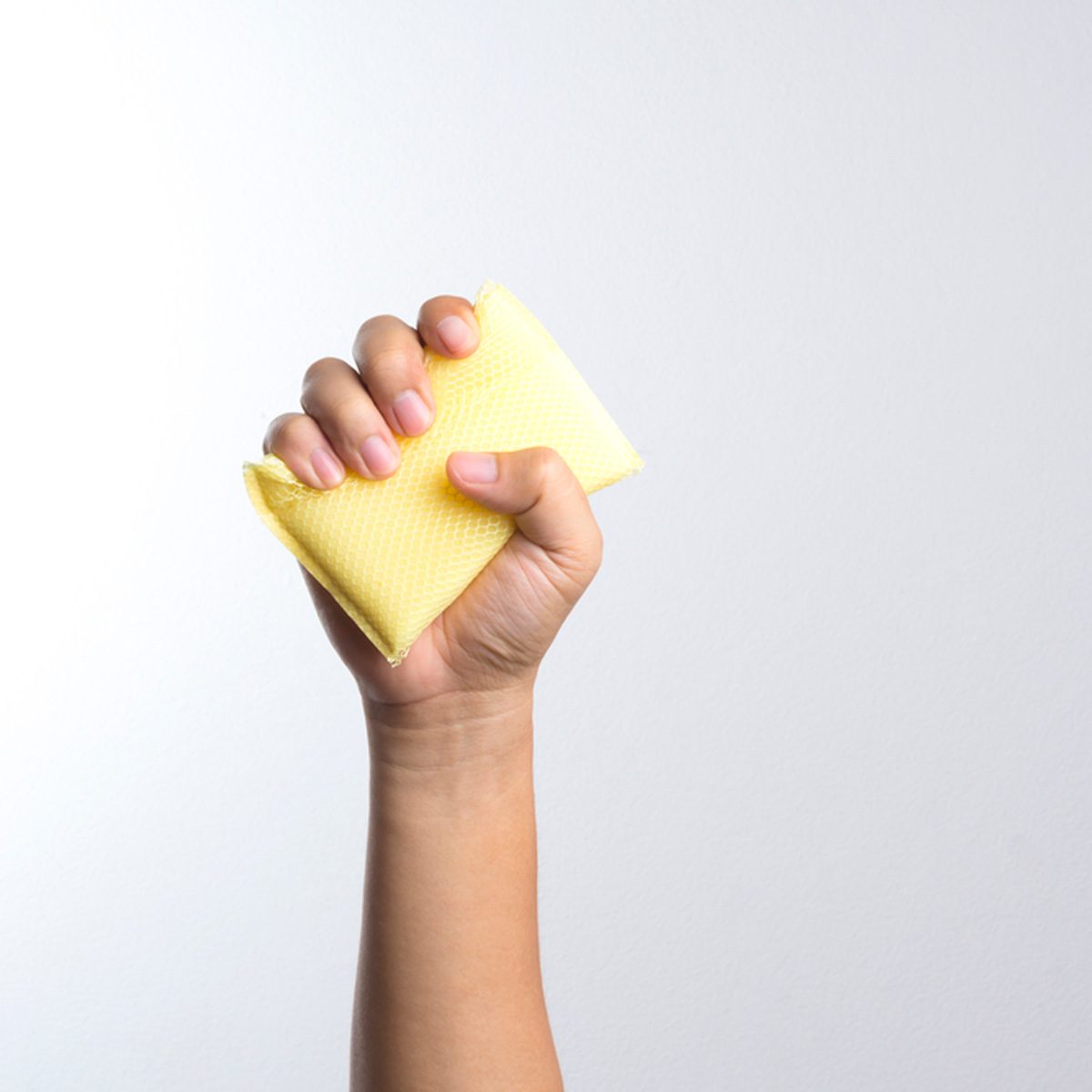
Microwave sanitizing is an easy and effective method. First, thoroughly rinse the sponge with water. Ensure it's damp but not dripping. Place the sponge in the microwave on a microwave-safe plate. Heat it on high for about one minute. The heat kills bacteria and eliminates odors. Let the sponge cool before using it again. Be careful as it will be hot.
Dishwasher Cleaning
The dishwasher offers a hands-free cleaning solution. Simply place the sponge on the top rack. Run a regular dishwashing cycle with your dishes. The hot water and detergent clean the sponge effectively. This method not only removes bacteria but also freshens the sponge. Ensure the sponge is completely dry before using it again. This prevents any lingering smells.
Credit: www.familyhandyman.com
Deep Cleaning Techniques
Deep cleaning a smelly kitchen sponge removes dirt, bacteria, and odors. It helps keep your kitchen safe and fresh. These techniques use common household items for effective cleaning. Follow the steps carefully to restore your sponge’s cleanliness.
Soaking In Vinegar Solution
Vinegar is a natural cleaner with antibacterial properties. It breaks down grime and kills germs inside the sponge. Use white vinegar for the best results.
- Mix equal parts of white vinegar and warm water in a bowl.
- Submerge the sponge completely in the solution.
- Let it soak for 30 minutes to 1 hour.
- Rinse the sponge well with clean water.
- Squeeze out excess water and air dry it.
This method helps remove smells and disinfects the sponge gently. Repeat weekly for a fresh kitchen sponge.
Bleach Soak Method
Bleach kills most bacteria and removes tough odors fast. Use it carefully for deep cleaning. Always wear gloves and ensure good ventilation.
- Mix 3/4 cup bleach with 1 gallon of water in a container.
- Place the sponge into the bleach solution fully.
- Soak for 5 minutes only—do not exceed this time.
- Remove the sponge and rinse thoroughly with water.
- Wring out the sponge and let it dry completely.
This method provides strong disinfection. Use it once a week or less often to avoid damage.
Natural Deodorizing Tips
Natural deodorizing tips help remove bad smells from your kitchen sponge. Using simple ingredients found at home keeps your sponge fresh and clean. These methods avoid harsh chemicals and are safe for daily use. You can easily keep your sponge smelling nice with these natural tricks.
Baking Soda Paste
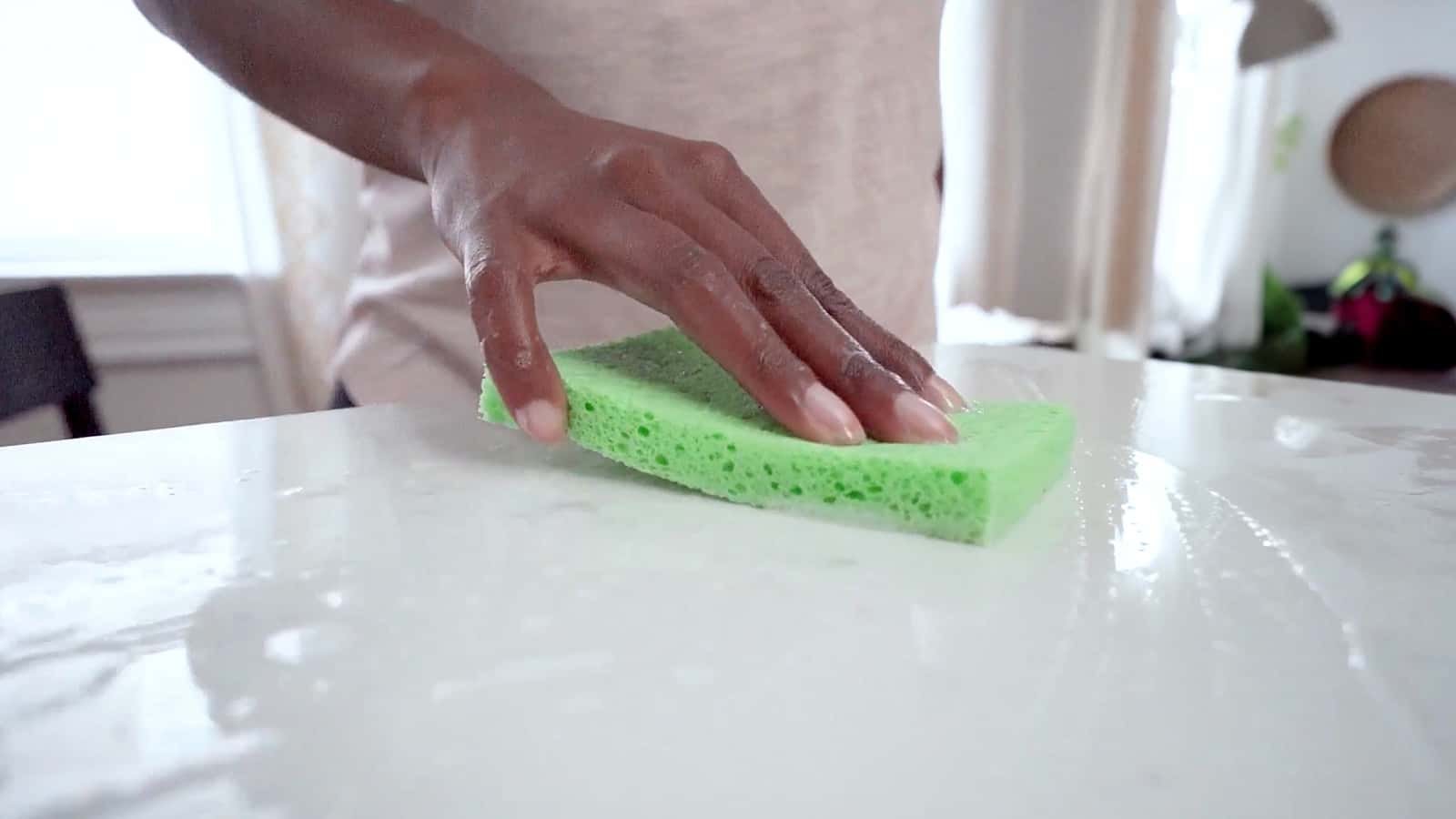
Baking soda is great at neutralizing odors. Make a thick paste by mixing baking soda with water. Spread the paste over the damp sponge. Let it sit for 15 minutes to absorb smells and dirt. Rinse the sponge well under warm water. This method cleans and freshens the sponge naturally.
Lemon Juice Rinse
Lemon juice has natural antibacterial and deodorizing properties. Squeeze fresh lemon juice and pour it over the sponge. Allow the sponge to soak for 10 minutes. Rinse thoroughly with warm water afterward. This rinse removes odors and leaves a fresh citrus scent.
Credit: www.pinesol.com
Preventing Future Odors
Preventing odors in your kitchen sponge is easier than you might think. It all begins with how you treat the sponge after each use and how often you replace it. Small changes in your routine can keep your sponge fresh and your kitchen smelling clean.
Proper Drying Practices
Leaving your sponge wet invites bacteria and odors to grow quickly. After using your sponge, squeeze out as much water as possible. Then, place it somewhere it can dry completely, like a well-ventilated rack or a sunny windowsill.
Avoid leaving the sponge in the sink or on a damp countertop. Those spots trap moisture and create the perfect environment for smells. You might try using a small stand designed to hold sponges upright—this helps air circulate around it.
Regular Sponge Replacement
Even with the best care, sponges don’t last forever. Experts suggest replacing your kitchen sponge every one to two weeks. This might seem frequent, but think about how often you use it and the types of food residue it absorbs.
If you notice a persistent smell despite cleaning, it’s time to toss it out. Using an old sponge can spread bacteria around your kitchen instead of cleaning it. Have you ever found your sponge smelling worse after a quick rinse? That’s a sign replacement is overdue.
Alternative Cleaning Tools
Alternative cleaning tools offer a fresh way to keep your kitchen hygienic. These tools often last longer and resist odors better than traditional sponges. Choosing the right tool can reduce bacteria buildup and save money over time. Here are two popular options to consider.
Silicone Scrubbers
Silicone scrubbers are flexible and easy to clean. Their smooth surface stops food particles from sticking. They dry quickly, which helps prevent bad smells. Silicone scrubbers can be sanitized in the dishwasher or boiled water. They do not wear out like regular sponges. These scrubbers work well on pots, pans, and dishes without scratching.
Reusable Cloths
Reusable cloths are soft and absorbent. They can be washed many times in the washing machine. Cloths dry fast, reducing bacteria growth. You can use them for wiping counters and cleaning dishes. Some cloths have antimicrobial properties to fight germs. They are gentle on surfaces and come in various sizes and textures.
Frequently Asked Questions
How Often Should I Clean My Kitchen Sponge?
You should clean your kitchen sponge every 1-2 days to prevent bacteria buildup. Regular cleaning keeps it fresh and safe for use.
What Is The Best Method To Clean A Smelly Sponge?
Microwaving a wet sponge for 1-2 minutes effectively kills bacteria. Alternatively, soak it in vinegar or bleach for 5 minutes.
Can I Use A Dishwasher To Clean Kitchen Sponges?
Yes, placing sponges in the dishwasher’s top rack during a hot cycle disinfects them well. Ensure the sponge is dishwasher-safe.
How Do I Prevent My Kitchen Sponge From Smelling Bad?
Rinse and wring your sponge after each use. Store it in a dry, well-ventilated place to reduce odor and bacterial growth.
Conclusion
Keeping your kitchen sponge clean helps stop bad smells fast. Regular cleaning removes germs and keeps it fresh longer. Try simple methods like microwaving or soaking in vinegar. Replace your sponge often to stay safe and healthy. A clean sponge means a cleaner kitchen every day.
Small habits make a big difference in hygiene. Stay consistent and enjoy a fresh-smelling kitchen always. Easy steps lead to great results. Simple care keeps your sponge working well and smelling good.