

Is your kitchen sponge smelling bad no matter how often you rinse it? You’re not alone.
A stinky sponge can turn your clean kitchen into a source of unwanted germs and odors. But don’t throw it away just yet. You can bring your sponge back to life with simple, effective cleaning tricks. Keep reading, and you’ll discover easy ways to stop that smell and keep your kitchen fresh every day.
Your sponge – and your nose – will thank you.
:max_bytes(150000):strip_icc()/GettyImages-1425295065-f406affe0c904d83a5b948f2d8b2ebff.jpg)
Credit: www.realsimple.com
Causes Of Sponge Odor
Your kitchen sponge can quickly turn into a source of unpleasant odors. Understanding what causes these smells is key to keeping your sponge fresh and your kitchen hygienic. Let’s look at the main reasons behind that stinky sponge smell.
Bacterial Growth
Bacteria thrive in the warm, damp environment of a kitchen sponge. Each time you use it, tiny food particles and moisture create a perfect breeding ground. Over time, these bacteria multiply, releasing foul odors that you can’t ignore.
Have you noticed your sponge smelling worse after just a day or two? That’s bacteria at work, producing waste that causes the bad smell.
Food Residue
Sponges often trap bits of food from washing dishes or wiping counters. Leftover crumbs and grease don’t just invite bacteria; they themselves start to rot and smell. Even invisible residue can feed odor-causing microbes.
Think about how your sponge smells right after scrubbing something greasy versus after cleaning just water cups. The difference in odor comes from the type and amount of food residue trapped.
Moisture Retention
Your sponge stays wet for long periods, especially if it’s left in a sink or on a damp surface. This constant moisture prevents it from drying out, which is crucial to stopping odor. A dry sponge is less likely to harbor bacteria and smells fresher.
Try leaving your sponge in a well-ventilated spot and notice how the odor changes. Moisture is a silent culprit that keeps your sponge smelling bad.
Simple Sponge Cleaning Methods
Cleaning a smelly kitchen sponge is easier than you think. Simple methods can kill bacteria and remove odors. These ways use everyday household items and take only minutes.
Regular cleaning helps keep your sponge fresh and safe for daily use. Try these quick and effective techniques to maintain a clean kitchen sponge.
Microwave Sanitizing
Wet the sponge well before placing it in the microwave. Heat it on high for about one to two minutes. The heat kills most germs and bacteria inside the sponge. Be careful when removing it; the sponge will be hot. Let it cool before using it again.
Dishwasher Cleaning
Place the sponge on the top rack of your dishwasher. Run a full cycle using your regular detergent. The hot water and detergent clean and disinfect the sponge. This method works well if you run your dishwasher daily. Let the sponge dry completely after the cycle ends.
Boiling Water Soak
Boil a pot of water and place the sponge inside. Let it soak for about five minutes. The boiling water kills germs and loosens dirt in the sponge. Use tongs to remove the sponge carefully. Allow it to dry fully before the next use.
Natural Deodorizing Techniques
Keeping your kitchen sponge fresh doesn't require harsh chemicals. Natural deodorizing techniques can effectively eliminate odors. These methods are safe, simple, and effective. Let's explore some easy ways to freshen up your sponge.
Vinegar Soak
Vinegar is a powerful natural deodorizer. It kills bacteria and neutralizes odors. To clean your sponge, soak it in vinegar. Use white vinegar for best results. Fill a bowl with enough vinegar to cover the sponge. Let it soak for 5 to 10 minutes. Rinse thoroughly with water after soaking.
Baking Soda Paste
Baking soda is a versatile cleaner. It absorbs odors and cleans surfaces. Create a paste with baking soda and water. Use a small bowl to mix them. Apply the paste to the sponge. Let it sit for 10 minutes. Rinse well with warm water.
Lemon Juice Rinse
Lemon juice is a natural deodorizer. It has antibacterial properties and a fresh scent. Squeeze juice from half a lemon into a bowl. Add a cup of water to dilute. Soak the sponge in the solution for a few minutes. Rinse with water to remove lemon residue.

Credit: www.reddit.com
Preventing Future Odors
Preventing odors in your kitchen sponge is key to keeping your kitchen smelling fresh and clean. A stinky sponge not only spreads bad smells but can also harbor harmful bacteria. Taking simple steps to stop odors before they start saves you time and keeps your kitchen healthier.
Regular Cleaning Routine
Cleaning your sponge regularly stops bacteria build-up that causes bad smells. You can soak the sponge in a mixture of warm water and vinegar for 5 minutes, then rinse thoroughly. Another effective way is microwaving a damp sponge for about 1 minute to kill germs, but be sure to watch it closely to avoid fire risks.
Try to clean your sponge every day or at least every other day. This habit drastically reduces the chance of unpleasant odors. Have you noticed how much fresher your kitchen feels after a quick sponge cleanse?
Proper Drying Tips
Moisture is the main enemy when it comes to sponge odors. After each use, squeeze out excess water and place the sponge somewhere it can dry completely, like a well-ventilated rack. Avoid leaving it in the sink or on a wet countertop where moisture lingers.
Keeping your sponge dry between uses prevents mold and bacteria growth. Have you tried using a small holder with drainage holes? It’s a simple tool that can make a big difference.
Sponge Replacement Schedule
Even with the best care, sponges don’t last forever. Experts suggest replacing your kitchen sponge every 1 to 2 weeks, especially if it starts to smell or look worn out. Using a fresh sponge regularly is one of the easiest ways to keep odors at bay.
Don’t wait until the smell is unbearable to swap it out. Setting a reminder on your phone can help you stay on track. How often do you change your sponge? Adjusting your schedule might improve your kitchen’s cleanliness more than you think.
Alternative Sponge Options
Looking for alternatives to the traditional kitchen sponge can save you from dealing with that stubborn, smelly mess. Different materials and designs tackle bacteria build-up in unique ways, making your cleaning routine more hygienic and even more effective. Let's dive into some options that might change how you think about scrubbing your dishes and counters.
Antimicrobial Sponges
Antimicrobial sponges are designed to resist bacteria growth, helping them stay fresher longer. These sponges often contain agents like silver ions, which disrupt bacterial cell walls. If you've struggled with foul odors from your sponge, trying one of these could reduce the frequency of replacements.
Keep in mind, antimicrobial doesn't mean bacteria-free forever. You'll still need to clean and replace them regularly, but they offer a helpful edge. Have you ever noticed how some sponges get smelly within a day? This might be a solution worth testing in your kitchen.
Silicone Scrubbers
Silicone scrubbers are becoming popular for their durability and easy-to-clean nature. Unlike traditional sponges, they don’t absorb water or food particles, which means less chance for bacteria to grow. After use, you can simply rinse and air dry them quickly.
They’re also heat-resistant, so you can boil or microwave them for a deep clean without damage. Their flexible bristles reach into small crevices on pots and pans, making scrubbing efficient. Would switching to silicone save you time and reduce unpleasant smells?
Reusable Cloths
Reusable cloths, like microfiber or cotton dish cloths, offer a versatile alternative to sponges. They dry faster and can be tossed into the washing machine, ensuring a hygienic clean every time. Many people find them gentler on delicate dishes compared to rough sponges.
Using cloths also cuts down on waste since they last longer and you can wash them easily. If you haven’t tried switching to cloths, it might be an experiment worth considering for a fresher kitchen feel. How often do you wash your dish cloths compared to replacing sponges?
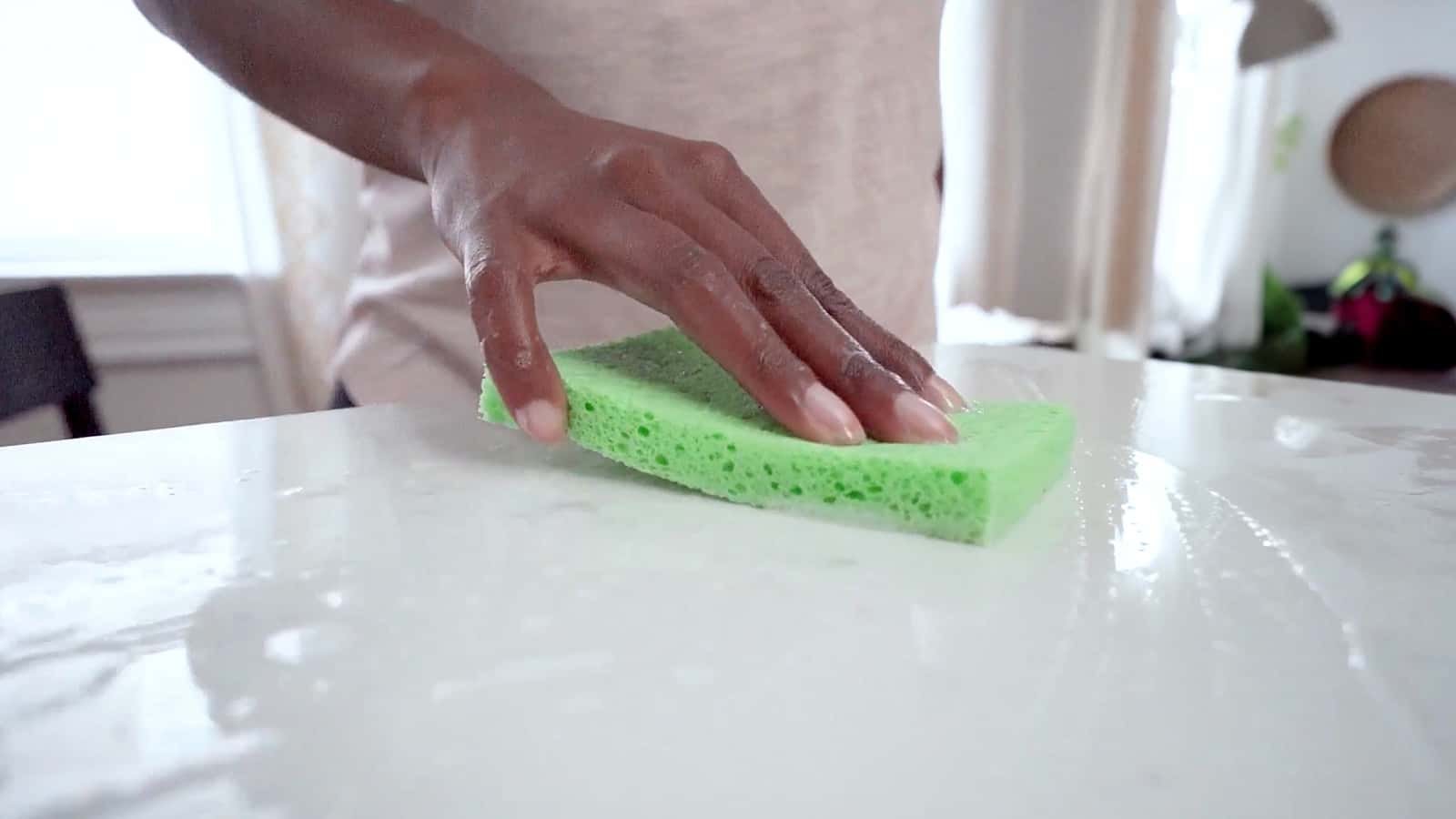
Credit: www.pinesol.com
Frequently Asked Questions
How Often Should I Clean My Kitchen Sponge?
You should clean your kitchen sponge daily to prevent bacteria buildup. Frequent cleaning keeps it fresh and safe for use. Regular sanitizing extends the sponge’s life and maintains hygiene in your kitchen.
What Is The Best Way To Disinfect A Kitchen Sponge?
Microwaving a damp sponge for 1-2 minutes is a quick, effective disinfecting method. Alternatively, soak it in vinegar or bleach solution for 5 minutes. These methods kill most bacteria and reduce odors.
Can I Use A Dishwasher To Clean My Sponge?
Yes, you can clean your sponge in the dishwasher. Place it on the top rack and run a hot cycle. This method sanitizes the sponge and removes food particles efficiently.
Why Does My Kitchen Sponge Smell Bad Quickly?
A sponge smells bad due to trapped food particles and moisture. These conditions promote bacterial growth, causing foul odors. Cleaning and drying the sponge regularly prevents the smell.
Conclusion
Cleaning your kitchen sponge keeps your kitchen fresh and safe. Regular cleaning stops bad smells and bacteria growth. Try simple methods like microwaving or soaking in vinegar. Replace your sponge often to avoid germs. A clean sponge helps you wash dishes better and faster.
Keep your kitchen healthy with these easy steps. Your sponge deserves care, just like your kitchen. Stay consistent, and enjoy a cleaner, fresher kitchen every day.