
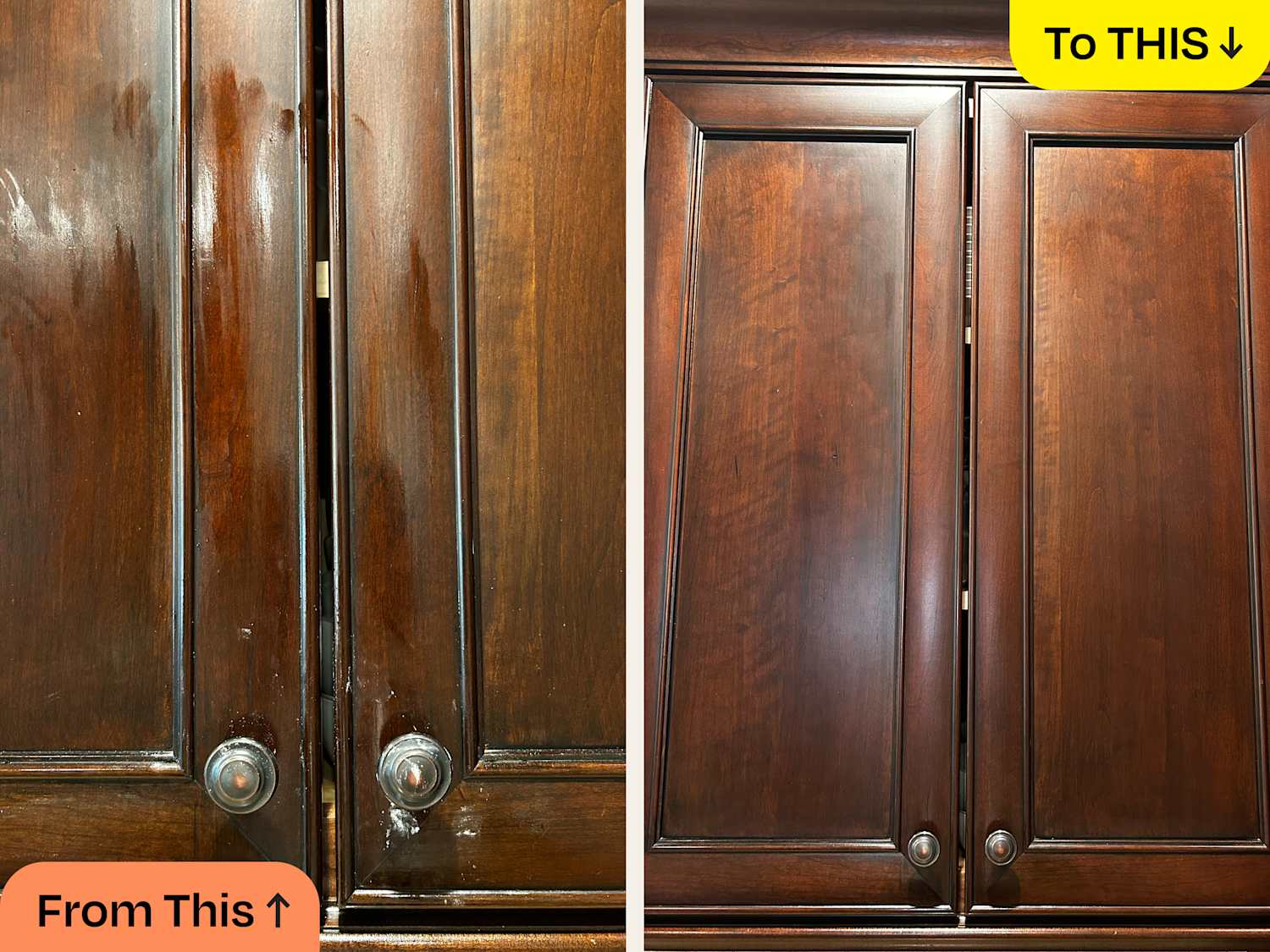
Your kitchen cabinets face constant use, and over time, they can look dull and dirty. But imagine opening your cabinets to reveal surfaces that shine like new, making your entire kitchen feel fresh and inviting.
You don’t need expensive products or professional help to achieve this. In this guide, you’ll discover simple, effective ways to clean and polish your kitchen cabinets. By following these easy steps, you’ll transform your space and enjoy a kitchen that looks well cared for every day.
Ready to bring back that sparkle? Let’s get started.
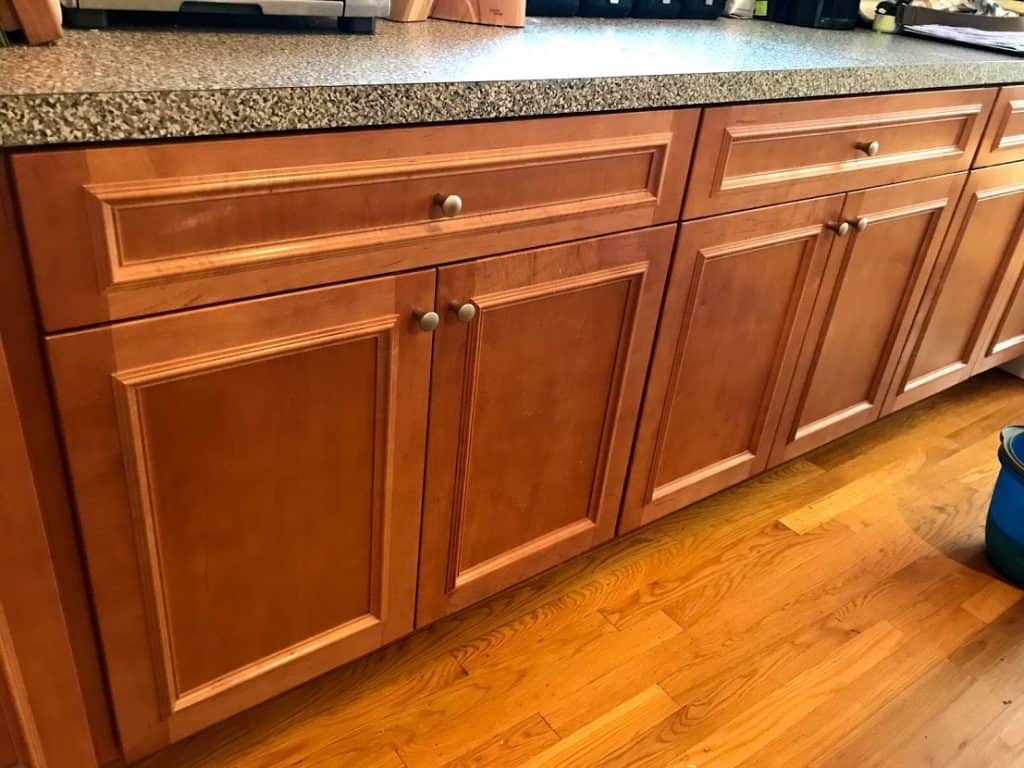
Credit: everydayoldhouse.com
Preparing Cabinets For Cleaning
Preparing your kitchen cabinets for cleaning is a crucial step that sets the stage for a thorough and effective polish. Skipping this part can lead to missed spots or even damage to the cabinet surfaces. Taking a little extra time now saves you from frustration later and ensures your cabinets look their best.
Removing Items And Hardware
Start by clearing off everything from your cabinet surfaces and inside the cabinets. This includes dishes, spices, and any decorative items. Clearing the area prevents accidental spills or damage during cleaning.
Next, consider removing cabinet hardware like knobs and handles if possible. This makes it easier to clean around these often-neglected spots where grime builds up. Keep track of screws and parts by placing them in a small container to avoid losing anything.
Dusting And Wiping Surfaces
Once your cabinets are clear, dust them thoroughly using a microfiber cloth or a soft brush. Pay close attention to corners and edges where dust tends to collect unnoticed. You might be surprised how much dust hides in these little crevices.
After dusting, wipe down the surfaces with a gentle cleaner or a mixture of warm water and mild dish soap. Use a soft cloth to avoid scratching the finish. This step removes grease and dirt buildup, preparing your cabinets for polishing.

Credit: www.youtube.com
Choosing The Right Cleaning Products
Choosing gentle, non-abrasive cleaners helps protect cabinet surfaces from damage. Natural or mild products work best to clean and polish wood without stripping finish. Always test a small area first to avoid unwanted effects.
Choosing the right cleaning products is crucial for maintaining your kitchen cabinets. The right products ensure your cabinets stay clean and last longer. Different materials require specific cleaners to avoid damage. Below, we explore natural and commercial cleaners, and safe options for various cabinet materials.
Natural Cleaners Vs Commercial Cleaners
Natural cleaners are often eco-friendly and gentle on surfaces. They use ingredients like vinegar, lemon, and baking soda. These cleaners are safe for most cabinet finishes. They remove grime without harsh chemicals. Commercial cleaners are designed for tough stains and sticky residues. They contain chemicals that target specific cleaning needs. Some products may be too harsh for delicate surfaces. It's important to read labels carefully before use.
Safe Options For Different Cabinet Materials
Wood cabinets require mild cleaners to protect their finish. Use a mixture of mild dish soap and warm water. Avoid soaking the wood to prevent warping. Laminate cabinets are durable and can handle stronger cleaners. A vinegar and water solution works well. Avoid abrasive scrubbers that can scratch the surface. Metal cabinets need non-abrasive cleaners to prevent rust. A simple soap and water solution is effective. Dry the surface thoroughly after cleaning. For glass-front cabinets, use a streak-free glass cleaner. Ensure the cleaner is ammonia-free to avoid damage. A microfiber cloth helps prevent streaks. Always test any cleaner on a small area first. This ensures it won't damage or discolor your cabinets. Regular cleaning with the right products keeps cabinets looking new.
Step-by-step Cleaning Process
Cleaning and polishing kitchen cabinets can refresh your entire kitchen's look. A careful, step-by-step approach helps remove dirt without damaging the finish. Follow these clear instructions to get your cabinets sparkling clean and shiny.
Cleaning Grime And Grease
Start by removing loose dust with a soft cloth or duster. Mix warm water and mild dish soap in a bucket. Dip a sponge or cloth in the solution and wring it out well.
Wipe the cabinet surfaces gently, focusing on areas near the stove and handles. Grease and grime build up quickly in these spots. Avoid using harsh chemicals that can strip the cabinet finish.
For best results, clean small sections at a time. Rinse the sponge often to avoid spreading dirt. After wiping, dry the cabinets with a clean, dry towel to prevent water damage.
Dealing With Stubborn Stains
Some stains need extra attention. Create a paste using baking soda and water. Apply it to the stained area and let it sit for a few minutes.
Use a soft toothbrush or cloth to gently scrub the stain. Do not scrub hard to avoid scratching the surface. Wipe off the paste with a damp cloth and dry the area well.
For tough grease, white vinegar diluted with water can help. Spray lightly and wipe clean. Test vinegar on a small hidden area first to check for any damage.
Polishing Techniques For Cabinets
Polishing kitchen cabinets adds a smooth, shiny finish that enhances their look. It helps protect the wood from damage and keeps the cabinets looking fresh. Using the right polishing techniques improves the overall appearance and extends the life of your cabinets.
Selecting The Proper Polish
Choose a polish that matches your cabinet material. For wood cabinets, use a wood polish or wax. Avoid harsh chemicals that can damage the finish. Test the polish on a small area first. Look for polishes with natural oils for a gentle shine.
Applying Polish For Maximum Shine
Use a soft cloth to apply the polish. Work in small sections to cover the surface evenly. Apply polish in circular motions to avoid streaks. Let the polish sit for a few minutes. Buff the cabinets with a clean cloth until they shine.
Maintaining Cabinet Shine Over Time
Keeping kitchen cabinets shiny requires simple and steady care. The shine fades over time due to dust, grease, and daily use. Maintaining that fresh look means regular cleaning and smart habits. Small efforts extend the beauty and life of your cabinets.
Regular Cleaning Tips
Dust cabinets weekly with a soft cloth to stop buildup. Use a mild soap mixed with warm water for deeper cleaning. Avoid harsh cleaners that strip the finish or cause damage. Wipe spills quickly to prevent stains and sticky spots. Dry cabinets with a clean towel to avoid water marks.
Preventing Damage And Wear
Keep cabinets away from direct sunlight to stop fading. Use cabinet liners to protect shelves from scratches and stains. Open doors gently to avoid loosening hinges or handles. Avoid leaning or placing heavy items on cabinet doors. Use a polish designed for your cabinet material to keep the shine vibrant and fresh.
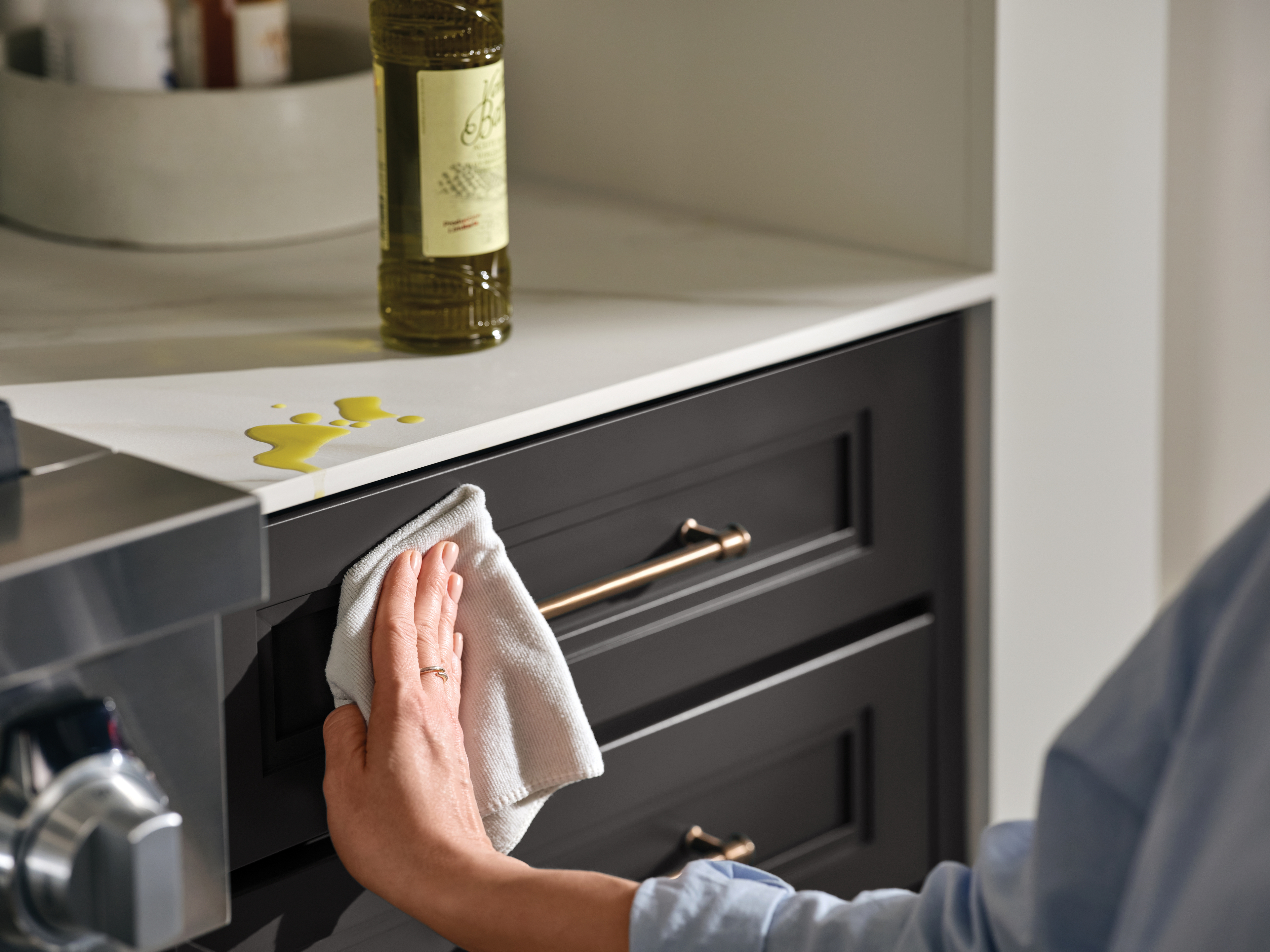
Credit: www.kraftmaid.com
Troubleshooting Common Cabinet Issues
Kitchen cabinets face many common problems over time. Scratches, dents, and water damage reduce their beauty and lifespan. Simple fixes can restore cabinets quickly. This section helps spot issues and repair them.
Fixing Scratches And Dents
Small scratches can make cabinets look old and worn. Use a soft cloth and a wood polish or marker that matches the cabinet color. Gently rub the scratch until it blends in.
For deeper dents, try a damp cloth and an iron. Place the cloth over the dent and press the iron briefly. The steam helps the wood swell and reduce the dent.
- Clean the surface before repairing.
- Use wood filler for large dents.
- Sand lightly and repaint or stain after filling.
Handling Water Damage
Water can cause swelling, stains, or peeling on cabinet surfaces. Dry the area immediately to prevent further damage. Use a soft cloth to soak up water.
Light stains can be removed with a mix of vinegar and water. Apply gently and wipe dry. For swollen wood, sand the area carefully once dry.
- Check cabinet edges and bottoms for leaks.
- Fix plumbing issues to avoid repeat damage.
- Apply a protective finish to prevent future water problems.
Frequently Asked Questions
How Often Should I Clean Kitchen Cabinets?
Clean kitchen cabinets every two weeks to prevent grease buildup. Wipe with a damp cloth and mild detergent for best results. Regular cleaning keeps cabinets looking fresh and prolongs their lifespan.
What Is The Best Polish For Kitchen Cabinets?
Use a polish specifically designed for wood or laminate cabinets. Avoid harsh chemicals that can damage finishes. Apply polish with a soft cloth to enhance shine and protect surfaces.
Can I Use Vinegar To Clean Cabinets?
Yes, vinegar diluted with water is effective for cleaning cabinets. It removes grease and grime without harsh chemicals. Test on a small area first to ensure it doesn’t affect the finish.
How Do I Remove Grease From Kitchen Cabinets?
Use warm water mixed with dish soap or vinegar solution. Apply with a soft sponge and gently scrub greasy spots. Rinse with clean water and dry thoroughly to avoid damage.
Conclusion
Cleaning and polishing kitchen cabinets keeps them looking fresh and new. Regular care removes dirt and protects the wood or finish. Use gentle cleaners and soft cloths to avoid damage. Polishing adds shine and helps cabinets last longer. Small efforts make a big difference in your kitchen’s appearance.
Keep up with cleaning to enjoy a bright, welcoming space every day. Simple steps lead to lasting beauty and cleanliness. Your cabinets will thank you.