
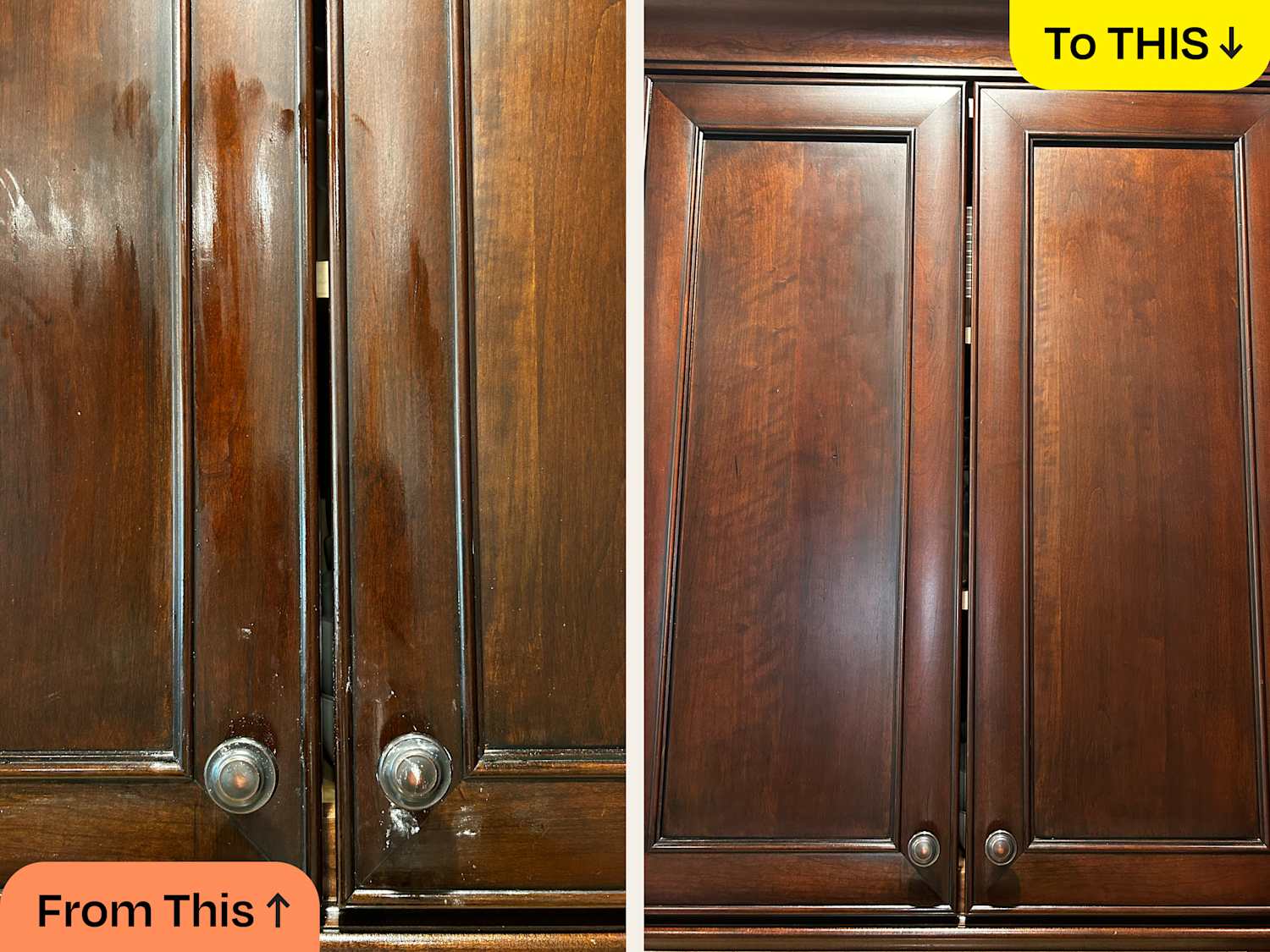
Your kitchen cabinets are the heart of your cooking space, but over time, they can lose their shine and look tired. If you want to bring back that warm, inviting glow to your wood cabinets, you’re in the right place.
Cleaning and polishing wood kitchen cabinets doesn’t have to be a difficult or time-consuming task. With the right steps, you can easily restore their beauty and make your entire kitchen feel fresh and new. Keep reading, and you’ll discover simple, effective tips that anyone can follow to make your cabinets look amazing again.
Choosing The Right Cleaning Supplies
Choosing the right cleaning supplies is essential for maintaining wood kitchen cabinets. The correct products protect the wood finish and keep cabinets looking fresh. Harsh chemicals or rough tools can damage the surface and cause discoloration.
Using gentle and suitable cleaners preserves the cabinet's natural beauty. Proper tools help clean effectively without scratching or harming the wood. Avoiding harmful ingredients ensures safety for your cabinets and family.
Safe Cleaners For Wood Cabinets
Choose mild, pH-balanced cleaners designed for wood surfaces. Products with natural ingredients like vinegar and olive oil work well. A simple mix of warm water and dish soap also cleans gently.
- Wood-specific cleaning sprays
- Diluted white vinegar solution
- Mild dish soap with water
Test any cleaner on a small hidden area first. This avoids unexpected damage or discoloration.
Tools You’ll Need
Use soft cloths and gentle brushes to clean cabinets. Microfiber cloths are ideal because they trap dust and dirt. Avoid abrasive scrubbers that scratch wood surfaces.
- Microfiber cloths for wiping
- Soft-bristle brush for crevices
- Spray bottles for homemade cleaners
- Lint-free towels for polishing
Avoiding Harmful Chemicals
Stay away from ammonia, bleach, and harsh solvents. These chemicals strip the wood finish and cause fading. Avoid abrasive powders and steel wool pads that scratch surfaces.
Check labels carefully to ensure no toxic ingredients are present. Using safe products extends the life and look of your cabinets.
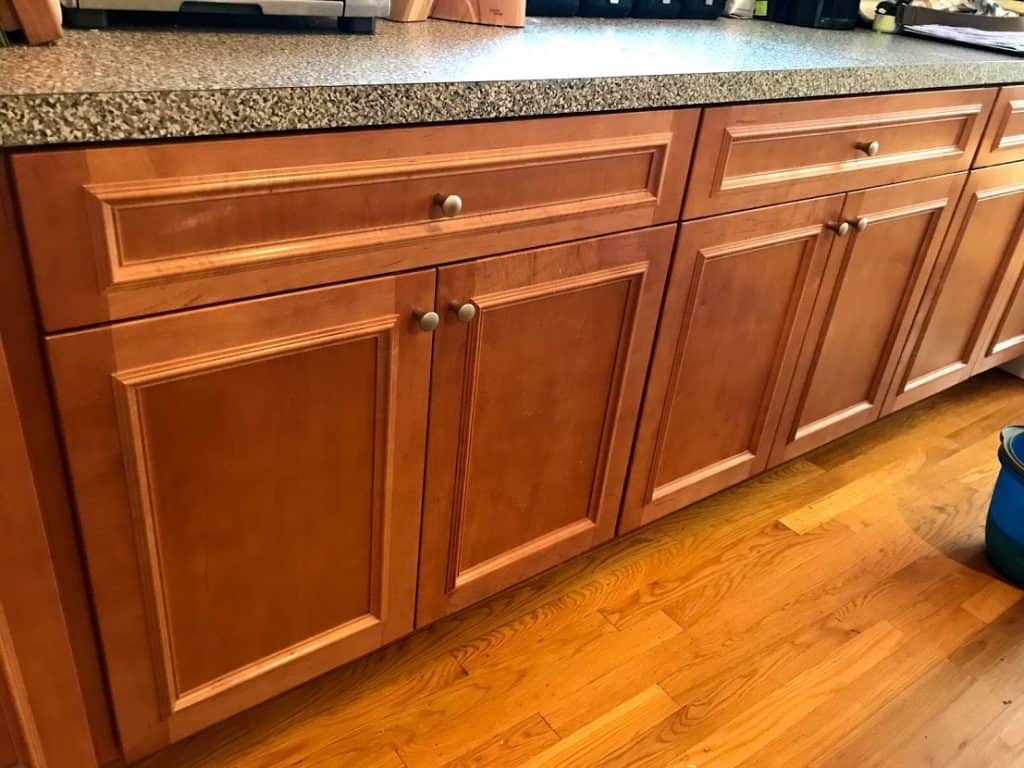
Credit: everydayoldhouse.com
Preparing Cabinets For Cleaning
Preparing your wood kitchen cabinets for cleaning is an important first step. It helps ensure the cleaning process is safe and effective. Taking time to prepare prevents damage and makes polishing easier.
Removing Dirt And Dust
Start by wiping cabinets with a dry cloth or microfiber duster. This removes loose dust and dirt. Avoid using water at this stage to prevent swelling the wood. Pay close attention to corners and crevices where dust collects.
Use a soft brush for stubborn dust in tight spots. Cleaning thoroughly now helps avoid scratching the surface during polishing.
Protecting Surrounding Areas
Cover countertops and floors near your cabinets with old towels or drop cloths. This protects these surfaces from cleaner drips or polish spills. Remove any small appliances or items on or near the cabinets. Clearing the area creates room to work freely and safely.
Masking tape along cabinet edges can protect walls or backsplash from cleaner overspray.
Testing Cleaners On Small Spots
Before applying any cleaner or polish, test it on a hidden cabinet spot. Use a small amount and wait a few minutes. Check for any discoloration or damage. This simple test helps avoid ruining the cabinet finish.
Choose a cleaner made for wood surfaces and avoid harsh chemicals. Always follow product instructions carefully for best results.
Step-by-step Cleaning Process
Cleaning wood kitchen cabinets requires a careful approach. A step-by-step process ensures they look their best. This approach maintains their natural beauty and extends their lifespan. Follow these simple steps to clean and polish your cabinets efficiently.
Wiping Down Surfaces
Start by removing dust and loose dirt. Use a soft, damp cloth for this task. Ensure the cloth is not too wet to avoid soaking the wood. Wipe all surfaces, including corners and edges. This prevents dirt from building up over time.
Tackling Grease And Grime
Grease can be stubborn and sticky. Mix mild dish soap with warm water. Use a soft sponge to gently scrub the greasy areas. Rinse the sponge and repeat until the grease is gone. This method keeps the wood safe from damage.
Dealing With Stubborn Stains
Stubborn stains need special attention. Create a paste with baking soda and water. Apply the paste to the stained area. Let it sit for a few minutes. Gently rub with a soft cloth until the stain lifts. Ensure you wipe away any residue with a damp cloth.

Credit: lifehacker.com
Polishing For A Lasting Shine
Polishing your wood kitchen cabinets is the key to keeping them looking fresh and vibrant long after cleaning. It adds a protective layer that enhances the wood’s natural beauty and prevents damage from daily wear. But how do you ensure that the shine lasts without leaving behind sticky residues or streaks?
Choosing The Right Polish
Not all wood polishes are created equal. Select a polish specifically designed for wood cabinets, ideally one that matches your cabinet’s finish—whether it’s matte, satin, or glossy.
Look for products with natural oils like lemon or beeswax. They nourish the wood and provide a subtle shine without harsh chemicals.
Have you checked the label for silicones? While they offer a quick shine, they can build up over time and dull your cabinets.
Applying Polish Correctly
Apply polish sparingly. A little goes a long way, so start with a small amount on a soft cloth.
Rub the polish gently along the grain of the wood. This ensures even absorption and avoids streaks.
Resist the urge to pile on layers. Over-application can create a sticky surface that attracts dust and grime.
Buffing Techniques
Buffing is what really brings out the shine and smoothness. Use a clean, dry microfiber cloth for the best results.
Move the cloth in small circular motions, applying gentle pressure. This helps the polish settle and highlights the wood’s texture.
Have you noticed how a good buff can make your cabinets almost glow? It’s the final touch that transforms cleaned wood into polished perfection.
Maintaining Cabinets Post-cleaning
Keeping your wood kitchen cabinets looking fresh and polished goes beyond just the initial cleaning. Post-cleaning maintenance plays a crucial role in preserving their natural beauty and extending their lifespan. Simple habits and timely care can make a noticeable difference in how your cabinets age and perform over time.
Regular Dusting Tips
Dust is a constant enemy of wood surfaces. Use a soft, lint-free cloth or a microfiber duster to remove dust gently without scratching the finish. Avoid feather dusters as they can scatter dust into the air instead of trapping it.
Try to dust your cabinets at least once a week. This frequent attention prevents buildup and keeps the wood looking smooth and clean. If you notice sticky spots or fingerprints, a quick wipe with a damp cloth can work wonders.
Avoiding Damage Over Time
Protect your cabinets from harsh chemicals and excessive moisture, which can cause warping or discoloration. Always use mild cleaning agents designed for wood and avoid soaking the surfaces.
Consider where your cabinets are exposed to heat or sunlight. Direct sun can fade the finish, while heat from nearby appliances can dry out the wood. Adding liners inside cabinets and using curtains or blinds can reduce this impact.
Have you checked if your cabinet handles or knobs are loose? Tightening them regularly prevents unnecessary stress on the wood around the screws, which can lead to cracks.
When To Reapply Polish
Polishing isn’t just for shine—it also nourishes and protects the wood. You can tell it’s time to reapply polish when the surface looks dull or feels dry to the touch.
Typically, applying a quality wood polish every 3 to 6 months keeps your cabinets hydrated and glowing. Be mindful not to overdo it; too much polish can cause buildup and attract dirt.
Try a small test area before applying polish all over to ensure compatibility with your cabinet finish. This step saves you from potential damage and keeps the wood looking its best.
Diy Remedies And Natural Alternatives
Cleaning and polishing your wood kitchen cabinets doesn’t always require expensive products. DIY remedies and natural alternatives offer gentle, effective ways to maintain the beauty of your cabinets. These solutions often use ingredients you already have at home, making them budget-friendly and eco-conscious.
Homemade Cleaning Solutions
Simple ingredients like vinegar, baking soda, and olive oil can work wonders on wood surfaces. A common mix is one part white vinegar to three parts water, which cuts through grease and grime without harsh chemicals.
If your cabinets have stubborn stains, sprinkle baking soda on a damp cloth and gently rub the area. This mild abrasive removes dirt without scratching the wood finish.
Have you tried adding a few drops of dish soap to warm water? It creates a gentle cleanser that lifts dirt easily while protecting the wood.
Natural Polishing Ingredients
Natural oils can restore shine and nourish your cabinets. Olive oil is a favorite because it’s easy to find and leaves wood looking rich and smooth.
Mix equal parts olive oil and lemon juice for a homemade polish that also adds a fresh scent. Lemon juice brightens the wood and helps remove surface stains.
Beeswax is another excellent option. When melted and applied, it forms a protective layer that enhances the wood’s natural grain and prevents drying.
Pros And Cons Of Diy Methods
| Pros | Cons |
|---|---|
| Cost-effective and uses common household items | May require more time and effort compared to commercial products |
| Gentle on wood and eco-friendly | Some mixtures might not work on all finishes |
| Customizable to your needs and preferences | Inconsistent results if not mixed or applied properly |
Would you consider testing a natural polish on a small cabinet area first? This can help you see if the DIY method suits your wood type and finish before committing to the entire kitchen.
Common Mistakes To Avoid
Cleaning and polishing wood kitchen cabinets requires care and attention. Many make simple mistakes that harm the wood or dull its shine. Avoiding these errors helps keep cabinets beautiful longer. Pay close attention to how much water you use, the cleaning tools, and the product instructions.
Using Excess Water
Wood is sensitive to water. Too much moisture can cause warping and stains. Avoid soaking cabinets with water or liquid cleaners. Use a damp cloth instead of a wet one. Wipe dry quickly to prevent damage. Water left on wood can lead to swelling and cracking.
Harsh Scrubbing Errors
Scrubbing too hard can scratch the cabinet surface. Avoid rough brushes or steel wool. Use soft cloths or sponges for cleaning and polishing. Gentle motion removes dirt without harming the finish. Scratches reduce the wood’s shine and can be costly to fix.
Ignoring Manufacturer Guidelines
Each wood cabinet has specific care needs. Check the manufacturer’s instructions before cleaning. Using wrong cleaners or polishes can damage the finish. Follow recommended products and methods for best results. Ignoring guidelines risks voiding warranties and ruining cabinets.

Credit: capitoldesignbuild.com
Frequently Asked Questions
How Do I Clean Wood Kitchen Cabinets Safely?
Use a mild soap and warm water solution with a soft cloth. Avoid harsh chemicals that damage wood finish. Wipe gently and dry immediately to prevent moisture damage.
What Is The Best Polish For Wood Kitchen Cabinets?
Use a natural beeswax or oil-based polish designed for wood. These enhance shine and protect the surface without leaving residue. Apply sparingly with a soft cloth.
How Often Should I Clean And Polish Cabinets?
Clean cabinets weekly to remove grease and dust. Polish them every 3 to 6 months to maintain shine and protect wood. Frequency depends on kitchen usage.
Can Vinegar Be Used To Clean Wood Cabinets?
Yes, dilute vinegar with water to clean wood cabinets. It cuts grease and disinfects naturally. Avoid using undiluted vinegar as it can damage wood finish.
Conclusion
Cleaning and polishing wood kitchen cabinets keeps them looking fresh. Use gentle cleaners to avoid damage. Always dry cabinets well after cleaning. Regular polishing helps protect the wood surface. Take your time and be gentle with the process. Clean cabinets make your kitchen feel brighter and cleaner.
Small efforts bring big changes in appearance. Keep up these habits to enjoy beautiful cabinets longer. Simple care makes a noticeable difference every day. Your kitchen will thank you for the attention.