
Keeping your kitchen equipment clean and sanitized is more important than you might think. You use these tools every day to prepare meals for yourself and your loved ones, so making sure they are spotless isn’t just about looks—it’s about your health.
Imagine avoiding foodborne illnesses and extending the life of your favorite gadgets with just a few simple steps. You’ll discover easy, effective ways to clean and sanitize your kitchen equipment, saving you time and giving you peace of mind. Ready to transform your kitchen routine?
Let’s dive in.

Credit: therestaurantwarehouse.com
Kitchen Equipment Types
Understanding the different types of kitchen equipment helps you clean and sanitize them properly. Each category has its own materials and usage patterns, which means cleaning methods should vary. Knowing these differences protects your tools and keeps your kitchen safe.
Small Appliances
Small appliances like blenders, toasters, and coffee makers need special care. Unplug them before cleaning to avoid accidents. Use a damp cloth with mild soap on the exterior, and clean removable parts separately in warm, soapy water.
Pay attention to areas where food particles gather, such as blender blades or toaster slots. Have you noticed how quickly crumbs build up inside your toaster? Regular cleaning stops bacteria growth and keeps your appliances working longer.
Cookware And Utensils
Cookware and utensils include pots, pans, knives, and spoons. Use hot, soapy water to remove grease and food residue. For stubborn stains or burnt-on food, soak items before scrubbing with non-abrasive pads.
Sanitize metal utensils by dipping them in a solution of one tablespoon of bleach per gallon of water for a minute, then rinse well. How often do you sanitize your kitchen knives? Keeping utensils clean prevents cross-contamination during meal prep.
Cutting Boards
Cutting boards are a common source of bacteria. Plastic boards can be washed in the dishwasher, but wooden boards need hand washing with soap and hot water. After cleaning, sanitize by wiping with vinegar or diluted bleach solution.
Replace cutting boards if they develop deep grooves, as these can trap germs. Think about your last cutting board—does it show signs of wear? Taking care of boards this way reduces the risk of foodborne illnesses.
Refrigerators And Ovens
Refrigerators and ovens require regular cleaning to maintain food safety. Remove shelves and drawers from the fridge and wash them with warm, soapy water. Wipe down the interior walls and door seals with a gentle cleaner.
Ovens often need degreasing sprays or baking soda paste to remove baked-on grime. Don’t forget to clean oven racks separately. Have you checked behind your fridge or under the oven lately? Dust and spills in these spots can affect appliance performance and hygiene.
Cleaning Basics
Cleaning kitchen equipment is essential for food safety and hygiene. Proper cleaning removes dirt, grease, and bacteria. It also helps keep equipment in good condition for longer use. Understanding the basics of cleaning sets the foundation for effective sanitizing.
Choosing The Right Cleaning Agents
Select cleaning agents that fit the material of your equipment. Mild detergents work well for most surfaces. Avoid harsh chemicals on delicate items to prevent damage. Use food-safe cleaners to protect health. Check labels for instructions and safety warnings.
Safe Cleaning Practices
Always wear gloves to protect your hands. Clean equipment in a well-ventilated area. Rinse thoroughly to remove all cleaning agents. Never mix different chemicals; it can cause harmful reactions. Follow manufacturer guidelines for cleaning and sanitizing.
Tools For Effective Cleaning
- Soft cloths and sponges for gentle scrubbing
- Brushes with different bristle sizes for hard-to-reach spots
- Scrapers to remove stuck-on food or grease
- Spray bottles for even application of cleaners
- Microfiber towels for streak-free drying
Using the right tools makes cleaning faster and more efficient. Change or clean tools regularly to avoid spreading germs.
Step-by-step Cleaning Process
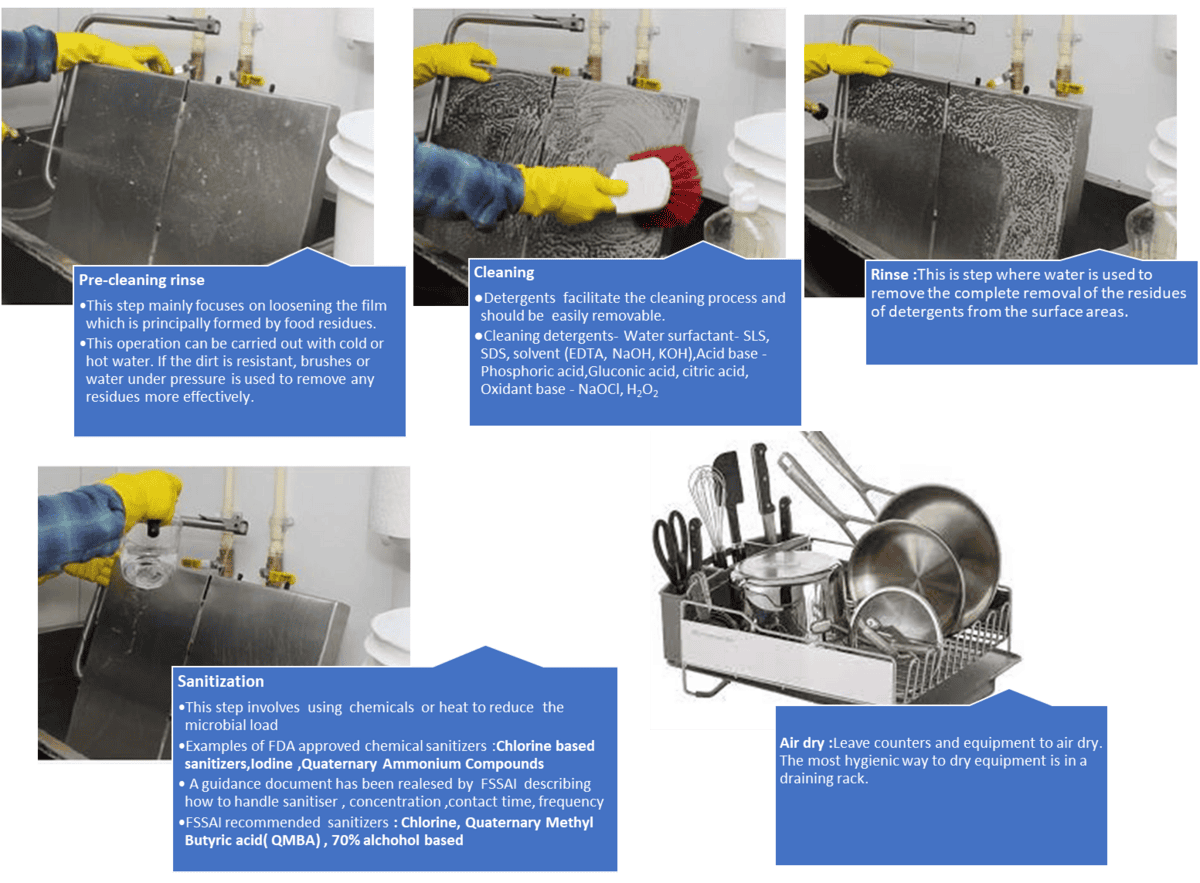
Begin by removing food scraps and rinsing the equipment thoroughly. Use warm, soapy water to wash all surfaces, then rinse well. Finish by applying a sanitizer to kill germs and let the equipment air dry completely before use.
Cleaning and sanitizing kitchen equipment is essential to maintaining a safe and efficient cooking environment. A systematic approach can make this task easier and more effective. Let's dive into a comprehensive step-by-step cleaning process that ensures your kitchen tools are spotless and ready for use.
Pre-cleaning Preparation
Preparation is crucial before you begin cleaning. Start by gathering all necessary cleaning supplies, such as dish soap, scrubbing brushes, and sanitizing solutions. Clear the workspace to ensure you have enough room to work efficiently. Remove any leftover food residues from the equipment. This initial step makes the washing process more straightforward, saving you time and effort. Always wear gloves to protect your hands and maintain hygiene.
Washing Techniques
Effective washing is the cornerstone of clean kitchen equipment. Use warm, soapy water to wash each item thoroughly. Scrub all surfaces, including hard-to-reach areas, to remove grease and grime. For stubborn stains, let the equipment soak for a few minutes. This technique loosens the debris, making it easier to clean. Use a brush with stiff bristles for items with intricate designs or grooves.
Drying Methods
Proper drying prevents bacterial growth. After washing, rinse each item with clean water to remove soap residues. Shake off excess water before placing them on a drying rack. Allow kitchen tools to air-dry completely. This method minimizes the risk of contamination compared to towel drying. Ensure items are fully dry before storing them to maintain cleanliness and hygiene. Taking the time to follow this step-by-step process ensures that your kitchen equipment is not only clean but also safe for your next culinary adventure. Have you ever wondered if your cleaning routine is as effective as it could be? Consider these steps to elevate your kitchen's cleanliness and safety.

Credit: www.youtube.com
Sanitizing Methods
Sanitizing your kitchen equipment is essential to keep your cooking space safe and hygienic. Different sanitizing methods offer various ways to eliminate harmful bacteria and germs. Choosing the right one depends on your equipment type, time availability, and safety considerations.
Chemical Sanitizers
Chemical sanitizers are widely used in kitchens because they work quickly and effectively. Common chemicals include chlorine bleach, quaternary ammonium compounds, and iodine solutions.
When using chemical sanitizers, always follow the instructions on the label for dilution and contact time. Too strong a concentration can damage your equipment or leave harmful residues, while too weak may not kill germs properly.
Have you ever noticed a strange smell after cleaning? That’s often a sign you need to rinse equipment thoroughly after using chemicals. Proper rinsing prevents chemical taste or odor from transferring to your food.
Heat Sanitizing
Heat sanitizing uses high temperatures to kill bacteria and viruses on kitchen equipment. This can be done by boiling, steaming, or using a dishwasher with a sanitizing cycle.
Many commercial kitchens rely on dishwashers that reach temperatures above 160°F (71°C) to sanitize effectively. You can also boil smaller tools, like knives or spoons, for at least 1 minute to ensure sanitation.
Heat sanitizing is chemical-free and safe, but it might not suit all materials. For instance, plastic or wooden utensils can warp or crack under high heat. What tools in your kitchen can handle this method without damage?
Uv Light Sanitizing
UV light sanitizing is a modern method that uses ultraviolet light to destroy bacteria and viruses on surfaces. It’s gaining popularity because it doesn’t require chemicals or heat.
Special UV sanitizing boxes or lamps can be used for small kitchen tools, cutting boards, and even countertops. Keep in mind, UV light only works on surfaces it directly touches, so shadowed areas might remain contaminated.
Have you considered how convenient it would be to sanitize your equipment without water or chemicals? UV sanitizers can be a great option for quick and eco-friendly cleaning, especially for delicate items.
Cleaning Frequency Guidelines
Keeping your kitchen equipment clean and sanitized is essential for food safety and the longevity of your tools. Understanding how often to clean different items helps you maintain a hygienic workspace without wasting time or resources. Let’s break down the cleaning frequency to fit your daily routine and larger maintenance plans.
Daily Cleaning Tasks
Some equipment needs attention every single day. Items like cutting boards, knives, and countertops should be washed and sanitized right after use to prevent bacteria buildup. You want to wipe down mixers, blenders, and other frequently touched surfaces too.
Think about how quickly crumbs and spills accumulate. If you skip daily cleaning, you risk cross-contamination and unpleasant odors. Do you notice the difference in kitchen freshness when these tasks are skipped even once?
Weekly Deep Cleaning
Once a week, give your equipment a more thorough scrub. Detach removable parts from appliances and soak them in warm, soapy water. Check items like ovens, refrigerators, and grills for grease and grime that daily wipes can’t remove.
Clean the seals and vents where dirt loves to hide. This deeper clean keeps your gear running smoothly and prevents hidden bacteria. Have you ever found leftover food particles in hard-to-reach spots during weekly cleaning?
Monthly Maintenance
Monthly cleaning focuses on less obvious areas and preventive care. Inspect and clean behind heavy appliances where dust and debris collect. Sharpen blades and check for wear and tear that might affect performance.
Monthly attention extends your equipment’s life and ensures everything works safely. How often do you take time to maintain the tools you rely on every day?
Troubleshooting Common Issues
Cleaning and sanitizing kitchen equipment isn’t always straightforward. You might face stubborn stains, risks of cross-contamination, or worry about wearing out your tools too quickly. Identifying these common issues early helps you tackle them effectively and keeps your kitchen safe and efficient.
Removing Stubborn Stains
Some stains just won’t budge with regular soap and water. Grease, burnt-on food, and mineral deposits often need extra attention.
Try soaking the equipment in warm water mixed with a bit of baking soda or vinegar. These natural cleaners break down tough grime without harsh chemicals.
If stains persist, a gentle scrub with a non-abrasive pad can help. Avoid steel wool, which can scratch surfaces and create hiding spots for bacteria.
Preventing Cross-contamination
Cross-contamination is a hidden danger during cleaning. Using the same cloth or sponge on multiple items spreads germs instead of eliminating them.
Use color-coded cloths or separate cleaning tools for different equipment types, such as cutting boards and utensils. This practice keeps raw food residues away from ready-to-eat items.
Sanitize your cleaning tools regularly. Even your sponge can become a breeding ground for bacteria if not replaced or cleaned frequently.
Maintaining Equipment Longevity
Proper cleaning habits extend the life of your kitchen equipment. Avoid harsh chemicals that can degrade materials over time.
Follow manufacturer guidelines for cleaning and sanitizing. Some items may require hand washing instead of dishwashers to avoid damage.
Regular maintenance, like checking seals and hinges, prevents small issues from becoming costly repairs. Have you checked your equipment’s condition lately?
Safety Tips
Keeping your kitchen equipment clean and sanitized is essential, but safety should always come first. Handling cleaning agents and tools incorrectly can lead to accidents or health issues. You need to protect yourself while making sure your equipment is spotless and safe to use.
Handling Chemicals Safely
Cleaning chemicals can be powerful and sometimes dangerous. Always read the label before use to understand the proper application and any warnings. Never mix different chemicals, especially bleach with ammonia, as toxic fumes can form.
Store chemicals in their original containers and keep them away from food items. Use only the recommended amount of cleaner—more doesn't mean better cleaning and can increase risk. Have good ventilation in your cleaning area to avoid inhaling harmful vapors.
Protective Gear Recommendations
Wearing the right protective gear shields you from spills, splashes, and skin irritation. Gloves are a must; choose chemical-resistant ones if you’re using strong cleaners. Eye protection like goggles can prevent accidental splashes from reaching your eyes.
Consider wearing a mask if fumes bother you or if you’re working in a poorly ventilated space. Long sleeves and closed shoes add an extra layer of protection against spills. Do you feel fully prepared with the gear you have when cleaning your kitchen equipment?

Credit: www.aol.com
Frequently Asked Questions
How Often Should Kitchen Equipment Be Cleaned?
Kitchen equipment should be cleaned after every use to prevent bacteria buildup. Regular cleaning ensures food safety and maintains equipment performance. Deep cleaning is recommended weekly for heavily used items.
What Is The Best Sanitizer For Kitchen Tools?
A solution of 200 ppm chlorine bleach or commercial kitchen sanitizer works best. Always follow manufacturer instructions and safety guidelines for effective sanitizing without damaging equipment.
Can I Use Natural Cleaners To Sanitize Kitchen Equipment?
Yes, natural cleaners like vinegar and hydrogen peroxide can sanitize surfaces. However, they may not eliminate all pathogens, so use them alongside thorough cleaning and proper drying.
How Do I Prevent Cross-contamination During Cleaning?
Use separate cloths and brushes for different equipment types. Clean and sanitize tools immediately after use to avoid transferring bacteria between surfaces.
Conclusion
Cleaning and sanitizing kitchen equipment keeps your space safe and healthy. Use the right tools and cleaning agents each time. Wash away food dirt and germs thoroughly and regularly. Dry equipment completely before storing to stop bacteria growth. Simple habits help prevent illness and keep food fresh.
Stay consistent with these steps for best results. Clean kitchens make cooking safer and more enjoyable. Keep your kitchen equipment clean, safe, and ready to use.