
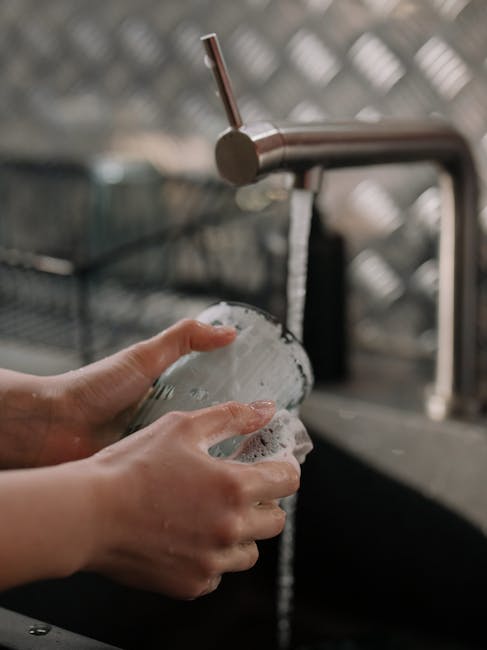
Your kitchen sink is one of the busiest spots in your home. It’s where you wash dishes, rinse vegetables, and sometimes even clean your hands.
But have you ever stopped to think about how clean and safe your sink really is? If you want to keep your kitchen healthy and free from harmful germs, knowing how to properly clean and sanitize your kitchen sink is a must.
You’ll discover simple, effective steps to make your sink sparkle and stay germ-free. Ready to transform your kitchen’s hygiene? Let’s dive in.
Choose The Right Cleaning Supplies
Choosing the right cleaning supplies is key for a spotless kitchen sink. It ensures thorough cleaning and keeps the sink safe from damage. The right tools and cleaners work together to remove dirt, grime, and germs effectively.
Using improper supplies can harm your sink's surface or leave residues. Focus on items that clean well and protect your sink's material. This makes maintenance easier and extends your sink's life.
Essential Cleaning Tools
- Soft sponge or cloth for gentle scrubbing
- Non-abrasive scrub brush to reach corners
- Old toothbrush for tight spots and drain areas
- Microfiber cloth for drying and polishing
- Rubber gloves to protect your hands
- Spray bottle for applying cleaners evenly
Safe And Effective Cleaners
- Mild dish soap to cut grease and dirt
- Baking soda as a natural, gentle abrasive
- White vinegar for disinfecting and removing stains
- Lemon juice to freshen and brighten the sink
- Commercial sink cleaner made for your sink type
- Hydrogen peroxide for sanitizing without harsh chemicals
Credit: modern-maids.com
Prepare The Sink For Cleaning
Preparing your kitchen sink for cleaning is essential to achieve a truly spotless and sanitized surface. Before you dive into scrubbing, you need to clear the area and loosen any stuck-on grime. This makes the actual cleaning easier and more effective, saving you time and effort.
Remove Debris And Dishes
Start by clearing out all dishes, utensils, and any food scraps from the sink. Leftover debris can block your drain and make cleaning harder. If you notice stuck-on bits, use a paper towel or a small brush to remove them gently.
Don't forget to check the sink strainer or drain area. Empty it completely to avoid clogging and unpleasant odors later. This simple step often gets overlooked but makes a huge difference in hygiene.
Rinse And Pre-soak
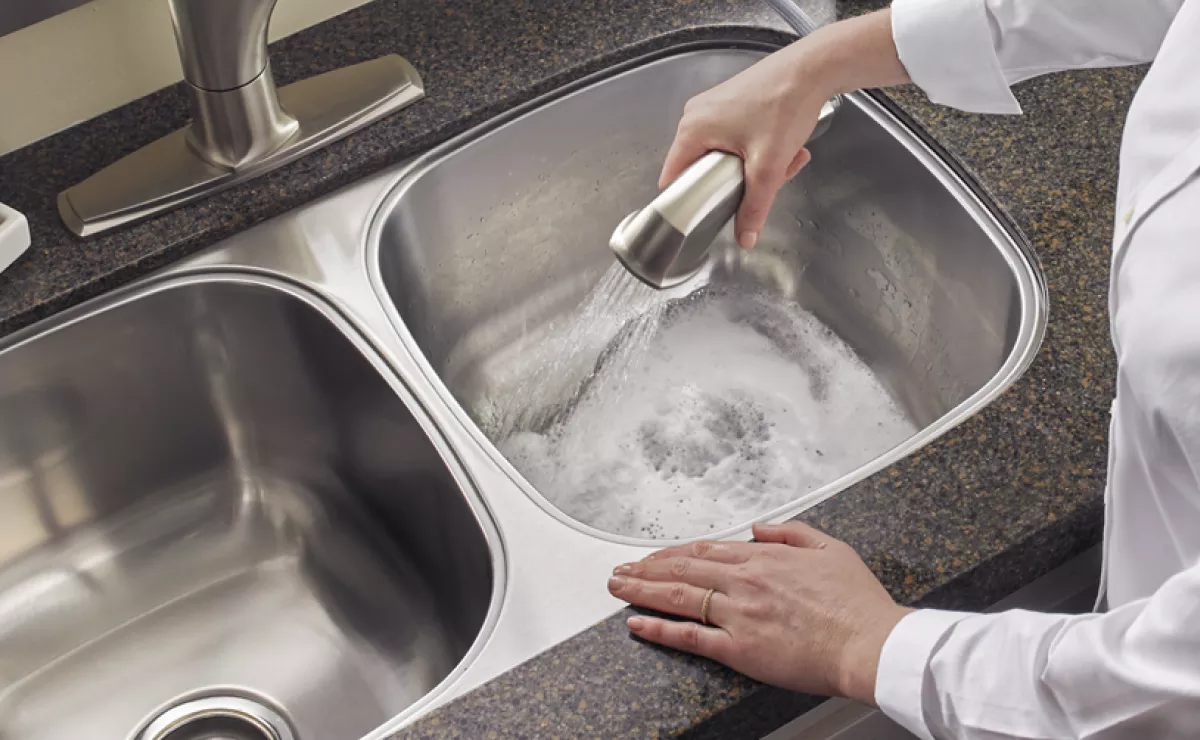
Once the sink is clear, give it a thorough rinse with warm water. This helps wash away loose dirt and prepares the surface for deep cleaning. If you have stubborn stains or residue, fill the sink with warm water and a bit of dish soap to pre-soak for 10–15 minutes.
Pre-soaking softens grime and makes scrubbing less of a chore. Have you ever tried cleaning without this step? It usually takes much longer and feels more frustrating. Taking a few extra minutes here will pay off when you see your sink sparkle.
Clean The Sink Basin
The sink basin is the heart of your kitchen sink. It holds water, dishes, and food scraps all day. Keeping it clean prevents germs and bad smells. A clean basin also looks fresh and inviting. Regular cleaning stops stains and grime buildup. Follow simple steps to maintain a spotless sink basin.
Scrub With Baking Soda
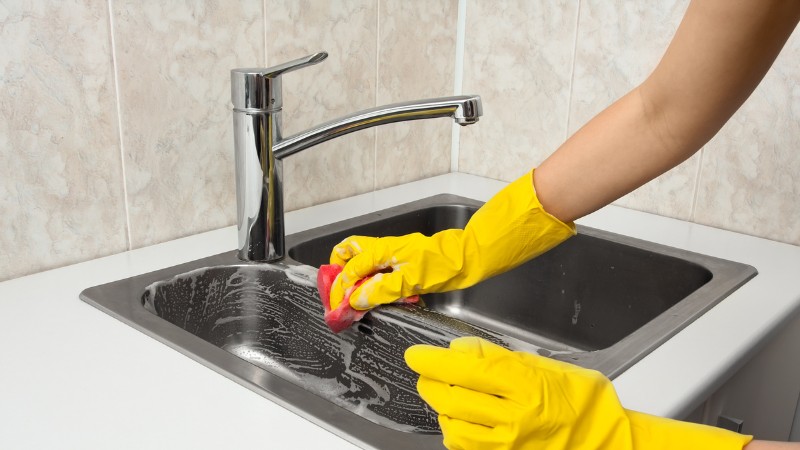
Baking soda is a gentle, natural cleaner. Sprinkle it all over the wet sink basin. Use a soft sponge or cloth to scrub the surface. Focus on corners and edges where dirt hides. Baking soda lifts dirt without scratching the sink. Rinse well with warm water to remove residue. This step refreshes your sink and removes light stains.
Tackle Stubborn Stains
Some stains need extra care. Mix baking soda with a little water to form a thick paste. Apply the paste on tough spots and let it sit for 10 minutes. Use a soft brush or sponge to scrub the stains. For metal sinks, avoid harsh scrubbing to protect the finish. Rinse thoroughly to clear all paste and grime. Repeat if stains remain for a cleaner basin.
Sanitize The Sink
Keeping your kitchen sink clean is crucial for hygiene. It prevents bacteria and mold. Regular sanitizing helps maintain a safe kitchen environment. Let's explore some effective ways to sanitize your sink.
Use Disinfecting Solutions
Disinfecting solutions are effective against germs. Choose a suitable disinfectant from the store. Spray or apply it to the sink surface. Let it sit for a few minutes. This ensures germs are killed thoroughly. Rinse the sink with water after.
Natural Alternatives For Sanitizing
Prefer natural methods? Use white vinegar and baking soda. Sprinkle baking soda in the sink. Pour vinegar over it. The mixture will fizz, cleaning the surface. Let it rest for five minutes. Rinse with warm water.
Lemon juice is another option. It acts as a natural sanitizer. Rub a sliced lemon on the sink. Focus on corners and edges. Rinse with water for a fresh finish.
Clean The Faucet And Drain
The faucet and drain are high-touch areas in the kitchen sink. They collect dirt, grime, and germs quickly. Cleaning these parts keeps your sink hygienic and extends its life. Regular care prevents buildup and keeps water flowing well.
Remove Mineral Deposits
Mineral deposits can clog the faucet and drain. Use white vinegar to dissolve these hard deposits. Soak a cloth in vinegar and wrap it around the faucet base. Let it sit for 30 minutes.
For the drain, pour a cup of vinegar down and let it work for 10 minutes. After soaking, scrub gently with an old toothbrush or soft brush. Rinse with warm water to clear away loosened deposits.
Sanitize Handles And Drain Area
Handles and the drain area harbor many germs. Use a disinfectant spray or a solution of diluted bleach. Spray the handles and drain thoroughly. Wipe with a clean cloth to remove dirt and bacteria.
Focus on small crevices where germs hide. Regular sanitizing reduces the risk of spreading bacteria. Finish by rinsing with water and drying with a soft towel.
Credit: www.maytag.com
Maintain A Sparkling Sink
A clean kitchen sink keeps your whole kitchen fresh. Maintaining a sparkling sink is simple with regular care. A neat sink stops germs and keeps bad smells away. It also prevents clogs that slow down water flow. Small daily habits make a big difference. Let’s explore easy ways to keep your sink shining.
Daily Cleaning Tips
- Rinse the sink after each use to remove food particles.
- Wipe the surface with a soft cloth or sponge.
- Use mild dish soap to clean away grease and dirt.
- Dry the sink with a towel to prevent water spots.
- Clean the faucet and handles to avoid buildup.
Preventing Odors And Clogs
- Pour baking soda followed by vinegar down the drain weekly.
- Flush the drain with hot water after washing dishes.
- Avoid pouring grease or oil into the sink.
- Use a drain strainer to catch food scraps.
- Remove trapped debris from the drain regularly.

Credit: www.yahoo.com
Frequently Asked Questions
How Often Should I Clean And Sanitize My Kitchen Sink?
You should clean your kitchen sink daily to remove food debris. Sanitize it at least once a week to kill harmful bacteria and maintain hygiene.
What Is The Best Natural Cleaner For Kitchen Sinks?
A mixture of baking soda and vinegar works well. It removes stains and kills germs without harsh chemicals, making it eco-friendly.
Can Bleach Be Used To Sanitize Kitchen Sinks?
Yes, bleach is effective for sanitizing sinks. Dilute it properly and rinse thoroughly to avoid damage and ensure safety.
How Do I Prevent Bad Odors In My Kitchen Sink?
Regular cleaning and sanitizing prevent odor buildup. Use lemon or baking soda to neutralize smells naturally and keep your sink fresh.
Conclusion
A clean kitchen sink helps keep your home healthy. Regular cleaning stops germs from spreading. Use simple ingredients like baking soda and vinegar. Scrub well, rinse often, and dry the sink. Clean and sanitize to avoid bad smells and stains.
Small daily efforts make a big difference. Your kitchen will look fresh and inviting. Everyone can keep their sink sparkling with easy steps. Start today for a cleaner, safer kitchen space.