
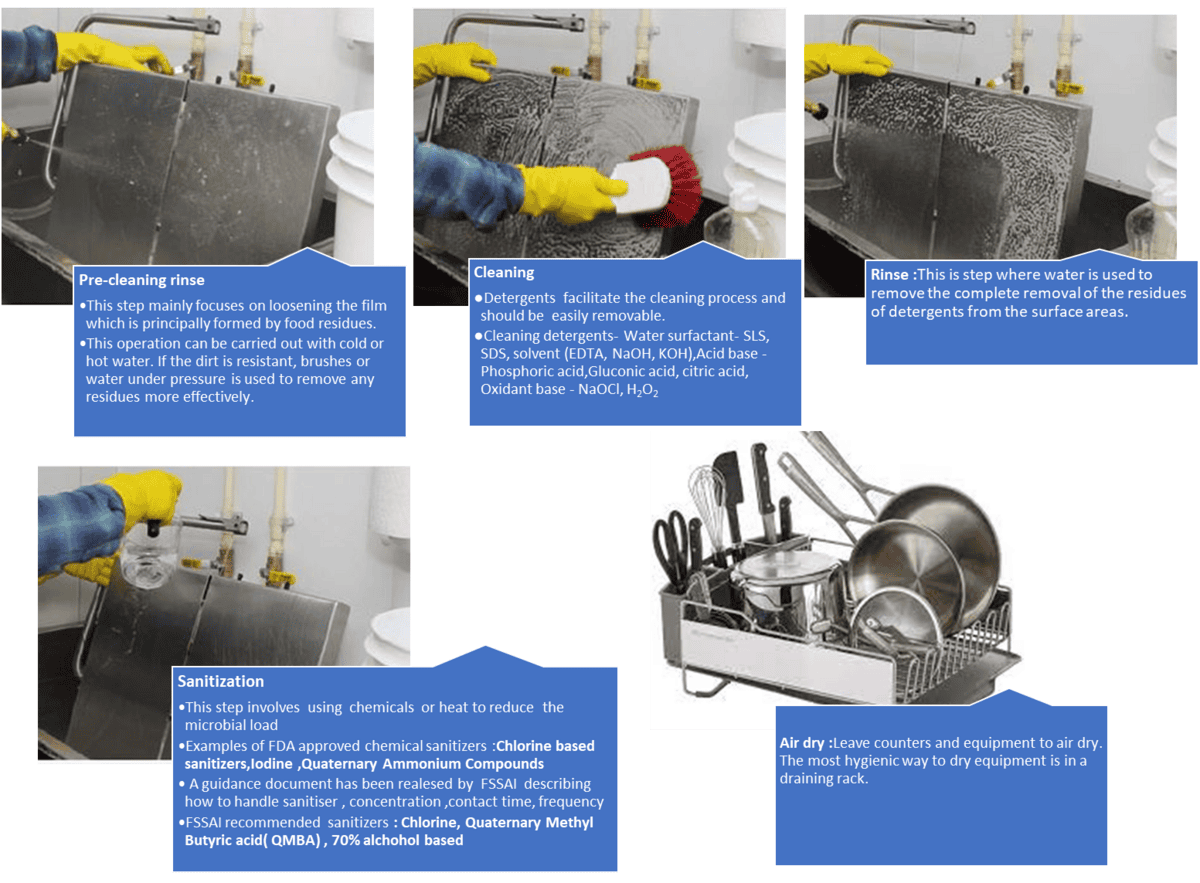
Your kitchen tools and equipment are the heart of every meal you create. But if they aren’t properly cleaned and sanitized, they can hide harmful germs that put your health at risk.
Imagine cooking with knives, cutting boards, or utensils that look clean but still carry invisible bacteria. How safe do you feel? You’ll learn simple, effective steps to make sure your kitchen tools aren’t just clean—but truly sanitized. Keep reading, because a few small habits can protect you and your loved ones from foodborne illnesses every time you cook.

Credit: www.youtube.com
Importance Of Cleaning Kitchen Tools
Keeping your kitchen tools and equipment clean is more than just a chore—it's a vital part of maintaining a safe and efficient cooking environment. Neglecting this can lead to serious health issues, spoil your meals, and even shorten the life of your valuable kitchen gear. Are you aware of the real impact that dirty kitchen tools can have on your daily cooking and health?
Health Risks Of Dirty Equipment
Dirty kitchen tools can harbor harmful bacteria and viruses that cause foodborne illnesses. Even small residues of raw meat or unwashed vegetables left on knives or cutting boards can spread germs. These invisible dangers can lead to symptoms like stomach cramps, vomiting, or worse.
Think about the last time you used a sponge or cloth that hadn't been washed properly. The germs from that one tool can multiply quickly, contaminating everything you touch afterward. Protecting yourself and your loved ones starts with cleaning your tools thoroughly after every use.
Preventing Cross-contamination
Cross-contamination happens when bacteria transfer from one food item to another through unclean tools. For example, using the same cutting board for raw chicken and then vegetables without cleaning it can cause contamination. This risk is especially high in busy kitchens where multiple tasks happen at once.
To prevent this, assign specific tools for different food types or clean them meticulously between uses. Simple habits like washing knives and boards with hot, soapy water immediately can save you from many health headaches. Have you ever thought about how easily germs travel from one dish to another in your kitchen?
Extending Equipment Lifespan
Regular cleaning and proper sanitation not only keep your kitchen safe but also protect your tools from damage. Food particles and grease left behind can cause rust, dull blades, and sticky surfaces. Over time, this wear and tear can make equipment less effective or even unusable.
By cleaning your tools right after use, you prevent buildup that can degrade materials. This simple practice saves money by avoiding frequent replacements and keeps your kitchen running smoothly. How often do you inspect your tools to make sure they’re in good shape?
Types Of Kitchen Tools And Equipment
Kitchen tools and equipment come in many shapes and sizes. Each type needs special care to stay clean and safe. Knowing the different kinds helps you clean them properly. This keeps your kitchen healthy and your food tasty.
Handheld Utensils
Handheld utensils include spoons, forks, spatulas, and whisks. These tools touch food directly. They must be washed with warm water and soap. Use a brush to clean hard-to-reach spots. Dry them well to avoid rust or bacteria growth.
Cutting Boards And Knives
Cutting boards and knives need careful cleaning. Use hot, soapy water after each use. Plastic boards can go in the dishwasher. Wooden boards require gentle scrubbing and quick drying. Always sanitize to stop bacteria from spreading.
Appliances And Gadgets
Appliances like blenders, mixers, and food processors have many parts. Unplug before cleaning. Remove detachable pieces for washing. Wipe the main body with a damp cloth. Regular cleaning prevents food buildup and keeps them working well.
Cookware And Bakeware
Cookware includes pots, pans, and baking trays. Clean these with hot water and a scrubber. Avoid harsh tools that can scratch surfaces. Non-stick pans need gentle washing to keep coating safe. Dry cookware fully before storage.
Basic Cleaning Techniques
Keeping your kitchen tools and equipment clean is crucial for health. Basic cleaning techniques ensure your kitchen stays safe and hygienic. Below, we'll explore simple steps to clean and sanitize effectively.
Washing With Soap And Water
Start by washing items with soap and warm water. Use a sponge or brush. Scrub thoroughly to remove all food particles. Pay special attention to corners and crevices. Rinse off any soap residue completely.
Rinsing And Drying Properly
After washing, rinse tools under clean running water. This removes soap and any loosened dirt. Dry all items with a clean towel. Air drying is also effective and prevents bacteria growth. Ensure everything is completely dry before storing.
Using Dishwashers Effectively
Place items correctly in the dishwasher. Avoid overloading to ensure effective cleaning. Use the right detergent for your dishwasher. Select a cycle with hot water for best results. Let items cool and dry before putting them away.
Credit: www.youtube.com
Sanitizing Methods
Sanitizing your kitchen tools and equipment is essential to keep harmful bacteria and germs at bay. Choosing the right sanitizing method depends on the type of tools you have and how frequently you use them. Understanding different options helps you keep your kitchen safe without damaging your utensils.
Chemical Sanitizers
Chemical sanitizers are widely used in both home and professional kitchens. Common options include chlorine bleach, quaternary ammonium compounds, and iodine-based solutions.
To use them effectively, dilute the sanitizer according to the label instructions and soak or spray your tools for the recommended time. Be cautious with concentrations; too strong can damage surfaces, too weak won't sanitize properly.
Have you ever noticed a lingering smell after using bleach? That’s a sign you might be using too much. Always rinse tools well after sanitizing to remove any chemical residue.
Heat Sanitization
Heat is a natural and powerful way to kill bacteria. You can sanitize kitchen tools by boiling them in water for at least one minute or using a dishwasher’s sanitizing cycle.
This method is great for metal utensils, glassware, and heat-resistant plastic tools. Remember, not all materials can handle high heat, so check your equipment’s care instructions before applying heat.
Do you use your dishwasher’s sanitize cycle regularly? It’s an easy way to keep your tools germ-free without extra effort.
Natural Alternatives
If you prefer avoiding chemicals, natural options like vinegar and hydrogen peroxide can help sanitize your kitchen tools. Vinegar’s acidity kills many bacteria, while hydrogen peroxide breaks down into water and oxygen, leaving no harmful residues.
Simply soak your tools in vinegar or spray them with hydrogen peroxide, then rinse thoroughly. These alternatives work well for light sanitizing but may not be as effective against all pathogens.
Could switching to natural sanitizers make your kitchen safer and healthier? It’s worth experimenting to find what fits your routine best.
Cleaning Specific Items
Cleaning kitchen tools and equipment requires attention to the unique needs of each item. Different materials and designs call for specific approaches to ensure they are both clean and safe to use. Let’s dive into how you can effectively clean and sanitize some common kitchen essentials.
Knives And Cutting Boards
Knives need careful cleaning to keep their edges sharp and prevent cross-contamination. Wash knives immediately after use with warm, soapy water and dry them thoroughly to avoid rust.
Cutting boards, especially wooden ones, require extra care. Use a scrub brush and hot soapy water, then sanitize with a vinegar solution or diluted bleach to kill bacteria.
Have you noticed how some cutting boards develop stains or smells? Regularly rubbing them with coarse salt and lemon can freshen the surface and remove odors effectively.
Mixers And Blenders
Mixers and blenders have many nooks where food particles hide. Remove detachable parts and soak them in warm, soapy water before scrubbing.
For stubborn residue, blend a mixture of warm water, dish soap, and a bit of baking soda—then rinse well. Wipe the base with a damp cloth, avoiding water inside the motor housing.
Do you often forget to clean your blender immediately? Leaving food inside can lead to unpleasant smells and bacterial growth, so quick cleaning pays off.
Ovens And Stovetops
Ovens often accumulate grease and burnt food. Use a paste of baking soda and water, apply it inside the oven, and let it sit overnight before wiping it clean.
Stovetops require daily attention. Remove burner grates and knobs, soak them in hot soapy water, and scrub off grease. For glass stovetops, use a specialized cleaner to avoid scratches.
Consider how often you check under burners or oven racks—cleaning these less obvious spots can prevent buildup that affects cooking performance.
Refrigerators And Freezers
Keeping your fridge and freezer clean prevents odors and mold. Remove all food items and shelves, then wash shelves with warm, soapy water.
Wipe the interior with a solution of baking soda and water to neutralize smells. Don’t forget to clean door seals, where grime tends to accumulate.
Have you noticed frost build-up in your freezer? Defrosting regularly improves efficiency and keeps your frozen food safe.
Maintenance Tips For Longevity
Keeping kitchen tools and equipment in good shape extends their life and saves money. Regular care prevents wear and tear. Simple habits help maintain hygiene and performance over time.
These maintenance tips focus on small actions that protect your tools. They make sure everything stays clean, safe, and ready to use.
Regular Inspection And Repair
Check kitchen tools often for signs of damage or rust. Look closely at handles, blades, and joints. Small cracks or loose parts can worsen quickly.
Fix issues early to avoid bigger problems. Tighten screws, sharpen blades, and replace broken parts. Regular repairs keep tools safe and effective.
Proper Storage Techniques
Store tools in dry, clean places to prevent rust and contamination. Use racks, holders, or drawers to keep items separate. Avoid piling tools on top of each other.
Keep sharp tools covered or sheathed. This protects both the tool and your hands. Proper storage also makes it easier to find what you need.
Avoiding Damage During Cleaning
Use gentle scrubbing tools like soft sponges or brushes. Avoid harsh steel wool or abrasive pads that scratch surfaces. Follow manufacturer instructions for cleaning chemicals.
Do not soak wooden handles for long periods. Excess water causes wood to crack or warp. Dry tools thoroughly before storing to prevent mold and rust.
Safety Precautions During Cleaning
Cleaning kitchen tools and equipment requires care to avoid injuries and accidents. Following safety precautions protects you and keeps your kitchen hygienic. Simple habits can prevent cuts, chemical burns, and skin irritation. Always stay alert and use the right tools for each task.
Handling Sharp Tools Safely
Sharp tools like knives and peelers need careful handling. Always hold blades away from your body. Use a cutting board to avoid slips. Clean sharp tools separately to prevent accidental cuts. Store them safely in knife blocks or protective covers. Never leave sharp tools soaking in soapy water.
Using Chemicals Responsibly
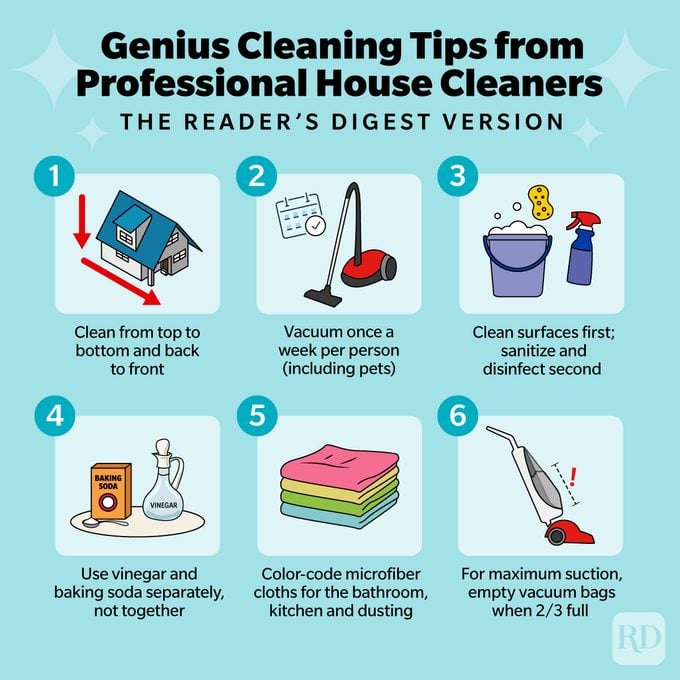
Choose cleaning chemicals that suit kitchen tools and surfaces. Read labels for proper use and warnings. Never mix different chemicals; this can cause dangerous fumes. Use only the recommended amount. Keep chemicals away from food and children. Store them in cool, dry places with secure lids.
Protecting Hands And Skin
Wear gloves to shield your hands from cuts and chemicals. Use gloves made for cleaning tasks. Wash hands thoroughly after cleaning. Avoid touching your face during the process. Moisturize your skin to prevent dryness from harsh soaps. Replace gloves if they tear or wear out.
Credit: www.rd.com
Frequently Asked Questions
How Often Should I Clean Kitchen Tools And Equipment?
Kitchen tools should be cleaned after each use to prevent bacteria buildup. Regular cleaning ensures safety and maintains tool longevity. Deep sanitizing is recommended weekly or after handling raw meat.
What Is The Best Sanitizer For Kitchen Tools?
A solution of 1 tablespoon bleach in 1 gallon of water effectively sanitizes kitchen tools. Commercial food-safe sanitizers are also suitable. Always follow manufacturer instructions for safe and effective use.
Can I Sanitize Kitchen Tools In A Dishwasher?
Yes, dishwashers with a sanitize cycle effectively kill germs on kitchen tools. Use hot water and a proper detergent. Ensure tools are dishwasher-safe to avoid damage.
How Do I Clean Wooden Kitchen Tools Safely?
Wash wooden tools with warm soapy water and dry immediately. Avoid soaking to prevent cracking. Sanitize with a vinegar solution or food-safe mineral oil regularly.
Conclusion
Cleaning and sanitizing kitchen tools keeps your cooking safe and healthy. Regular care stops germs and dirt from spreading. Use warm water, soap, and a disinfectant for best results. Dry tools completely to avoid bacteria growth. Simple steps make a big difference in your kitchen.
Stay consistent and protect your family’s health every day. Clean tools mean better food and less risk of illness. Easy habits lead to a safer kitchen environment for everyone.