
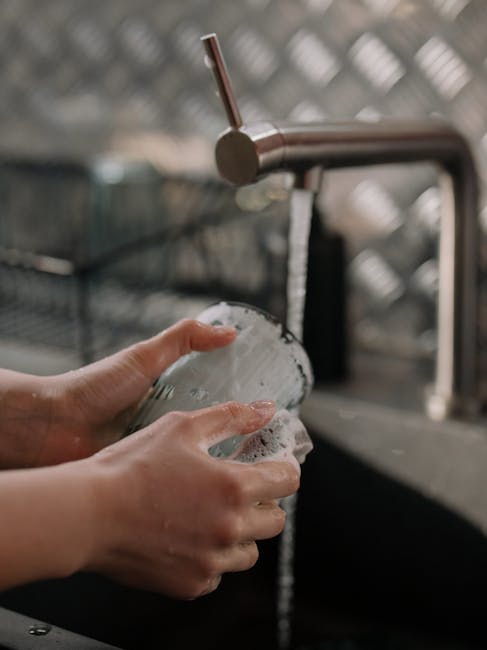
Your kitchen utensils are used every day to prepare meals for you and your loved ones. But have you ever stopped to think about how clean and safe they really are?
Dirty or poorly sanitized utensils can harbor harmful bacteria that put your health at risk. The good news is, cleaning and sanitizing your kitchen tools doesn’t have to be complicated or time-consuming. You’ll discover simple, effective steps that ensure your utensils are spotless and safe to use.
Keep reading, and you’ll learn how to protect yourself and your family with easy habits you can start right now.
Choosing The Right Cleaning Tools
Choosing the right cleaning tools makes kitchen utensil care easy and effective. Proper tools remove food particles and kill germs quickly. Using the correct brushes, sponges, and cleaning agents protects your utensils and your health. It also saves time and effort during cleaning.
Types Of Brushes And Sponges
Brushes come in many shapes and sizes. Stiff bristles work well for pots and pans. Soft brushes clean delicate utensils without damage.
- Nylon brushes resist bacteria and dry fast.
- Natural fiber brushes are eco-friendly and gentle.
- Sponges absorb water and scrub surfaces.
- Non-abrasive sponges avoid scratching non-stick surfaces.
Choose brushes and sponges based on utensil material and cleaning needs.
Using Dishcloths And Scrubbers
Dishcloths absorb water and wipe surfaces clean. Change cloths often to avoid bacteria build-up. Scrubbers remove stuck-on food. They come in metal, plastic, or sponge types. Use softer scrubbers on fragile items. Hard scrubbers work best on tough stains and grime.
Selecting Safe Cleaning Agents
Cleaning agents must kill germs but be safe for utensils. Choose non-toxic, food-safe detergents. Avoid bleach or harsh chemicals on items that touch food. Natural cleaners like vinegar and baking soda work well. Read labels to ensure safety and effectiveness. Use the right amount to avoid residue.
Credit: foodsafetyworks.com
Step-by-step Cleaning Process
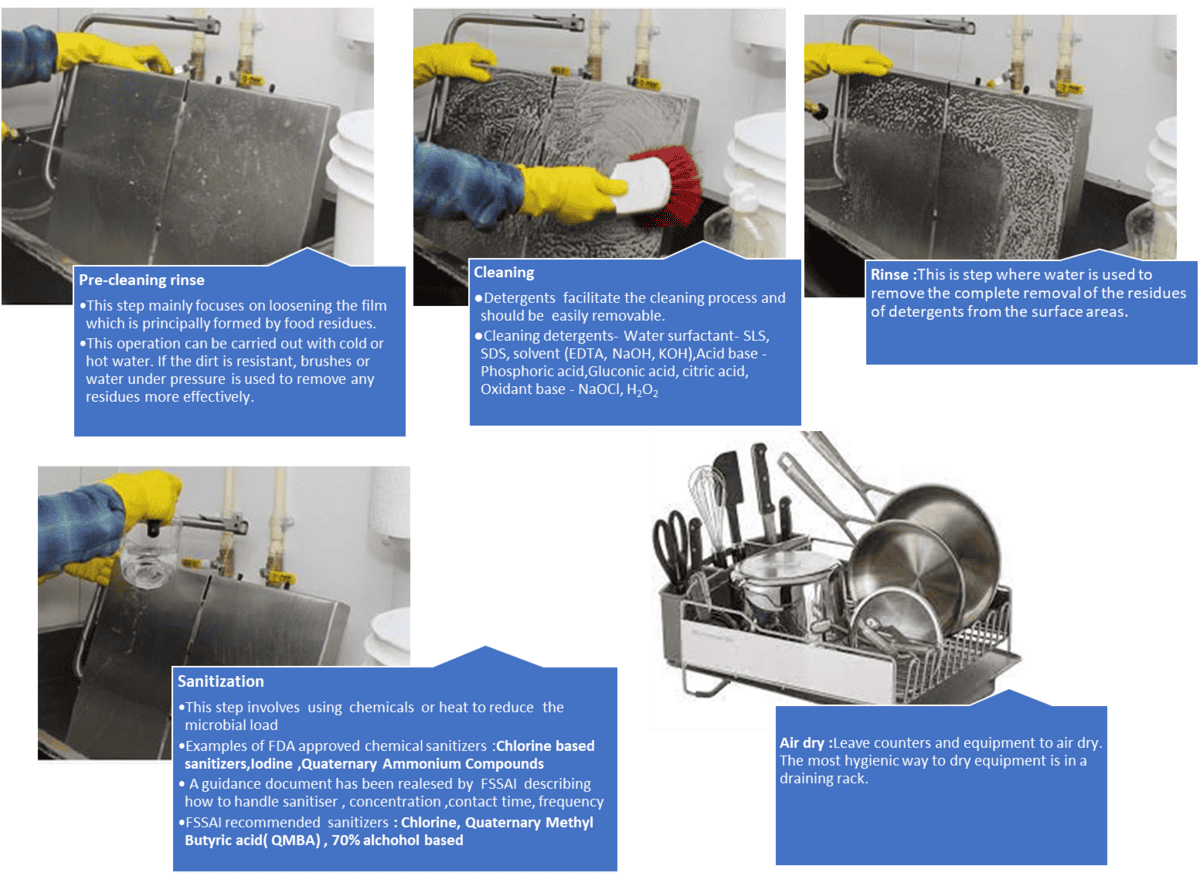
Cleaning and sanitizing kitchen utensils properly keeps your cooking safe and healthy. This process removes food particles, grease, and germs that can cause illness. Follow these clear steps to clean your utensils effectively.
Pre-rinsing Utensils
Start by removing large food scraps from utensils. Hold each item under warm running water. This step prevents clogging and makes washing easier.
Use a soft brush or sponge to loosen stuck-on bits. Avoid harsh scrubbing that can damage the surface of utensils.
Washing With Soap And Water
Fill the sink or basin with hot water and add dish soap. Hot water helps break down grease and kills some bacteria.
Use a clean sponge or cloth to scrub each utensil. Pay special attention to handles and crevices where dirt hides.
Wash all sides thoroughly to remove germs and food residue. Change the water if it becomes too dirty.
Rinsing Thoroughly
Rinse utensils under clean, running water to remove soap and debris. Soap left on utensils can affect taste and safety.
Check each item carefully to ensure no suds remain. Any leftover soap can cause irritation or contamination.
Shake off excess water and place utensils on a clean drying rack. Air drying is the safest method to avoid bacteria growth.
Effective Sanitizing Methods
Keeping kitchen utensils clean and sanitized is crucial for health. Bacteria and germs can easily transfer from one item to another. Using effective sanitizing methods ensures your kitchen remains safe. Here are some tried-and-true techniques.
Boiling Water Technique
Boiling water kills most germs on utensils. Fill a large pot with water. Bring the water to a rolling boil. Carefully place utensils into the pot. Boil for at least five minutes. Remove and let them air dry. This method is simple and effective. It requires no chemicals.
Using Bleach Solutions
Bleach is a powerful sanitizer. Mix one tablespoon of bleach with one gallon of water. Soak utensils for two minutes. Rinse with hot water afterward. Ensure good ventilation when using bleach. This method kills most bacteria and viruses. Remember to handle bleach carefully.
Vinegar And Baking Soda Options
Vinegar and baking soda are natural cleaners. Mix equal parts vinegar and water. Soak utensils for 15 minutes. Rinse them with water. For tough stains, sprinkle baking soda on utensils. Scrub gently with a damp cloth. Rinse thoroughly afterward. This method is eco-friendly and non-toxic.

Credit: www.carawayhome.com
Cleaning Specific Utensils
Cleaning your kitchen utensils properly is essential to keep your cooking safe and your tools lasting longer. Different materials and designs require specific care to avoid damage and ensure thorough sanitation. Let’s look at how you can clean various types of utensils effectively.
Knives And Cutting Boards
Your knives and cutting boards are breeding grounds for bacteria if not cleaned correctly. Always wash knives immediately after use with warm, soapy water, being careful around the blade. Avoid soaking knives to prevent rust and damage to the handle.
Cutting boards, especially wooden ones, need special attention. Scrub plastic boards with hot soapy water, then sanitize them using a vinegar solution or diluted bleach. For wooden boards, rub with coarse salt and lemon to deodorize and clean, then rinse well and dry immediately.
Plastic And Wooden Utensils
Plastic utensils can often absorb odors and stains. Wash them in hot, soapy water and check if they are dishwasher-safe for an extra clean. If you notice lingering smells, soak them in a baking soda and water solution before rinsing.
Wooden utensils need gentle care to avoid cracking or warping. Clean them with mild soap and water, but never soak them. Periodically rub them with mineral oil to keep the wood hydrated and prevent splitting.
Metal And Non-stick Cookware
Metal cookware, like stainless steel and cast iron, requires different cleaning methods. Stainless steel pans can handle scrubbing with a nylon brush and a bit of baking soda to remove stuck-on food. Cast iron should never be soaked; instead, wipe it clean and season regularly to maintain its surface.
Non-stick pans demand extra care to preserve the coating. Use soft sponges and avoid abrasive cleaners that can scratch the surface. If food sticks, soak the pan briefly in warm soapy water before gently cleaning.
Drying And Storing Tips
Drying and storing kitchen utensils correctly is key to keeping them clean and safe. Wet utensils can breed bacteria fast. Proper drying stops germs from growing. Correct storage keeps your utensils ready for the next use. It also prevents damage and contamination. Follow these tips to maintain hygiene in your kitchen.
Air Drying Vs. Towel Drying
Air drying is the safest way to dry utensils. It allows water to evaporate naturally. This reduces the chance of bacteria spreading. Place utensils on a clean drying rack. Make sure they do not touch each other. Avoid stacking wet items.
Towel drying is faster but riskier. Towels can carry bacteria if not clean. Use a fresh, dry towel only. Pat utensils gently. Avoid rubbing, which can cause scratches. These scratches may trap food and germs.
Proper Storage To Prevent Contamination
Store utensils in a dry, clean place. Use closed drawers or containers to keep dust out. Separate clean utensils from dirty ones. This stops cross-contamination. Keep sharp tools in protective covers or holders.
- Store spoons, forks, and knives separately.
- Use utensil organizers to avoid clutter.
- Check storage areas for moisture regularly.
- Replace damaged storage items to maintain cleanliness.
Credit: modern-maids.com
Maintaining Utensil Hygiene
Maintaining utensil hygiene is vital for safe cooking and preventing illness. Clean utensils help keep food fresh and tasty. Proper care stops harmful bacteria from spreading in the kitchen. Simple habits can make a big difference in hygiene.
Regular Deep Cleaning
Regular deep cleaning removes grease and hidden dirt. Use hot water and dish soap to wash utensils thoroughly. Soak items like wooden spoons in a vinegar solution to kill germs. Scrub all surfaces, including handles and crevices. Rinse well and dry completely before storing.
Avoiding Cross-contamination
Cross-contamination spreads bacteria from one food to another. Use separate utensils for raw meat, vegetables, and cooked food. Clean utensils immediately after use to prevent bacteria growth. Store utensils in clean, dry places to avoid contamination. Replace sponges and cloths often as they harbor germs.
Replacing Worn-out Utensils
Worn-out utensils can hide bacteria in cracks and scratches. Check utensils regularly for damage or discoloration. Replace any items that show signs of wear or rust. Using new utensils improves hygiene and keeps food safe. Invest in good-quality utensils for longer use and easier cleaning.
Frequently Asked Questions
How Often Should Kitchen Utensils Be Sanitized?
Kitchen utensils should be sanitized after each use to prevent bacteria buildup. Regular cleaning removes food residues and germs, ensuring food safety and hygiene in your kitchen.
What Is The Best Method To Clean Kitchen Utensils?
The best method is washing with hot, soapy water followed by sanitizing. Use a disinfectant solution or dishwasher for thorough cleaning and to kill harmful bacteria effectively.
Can Vinegar Be Used To Sanitize Utensils?
Yes, vinegar is a natural sanitizer. It effectively kills some bacteria and removes odors. However, it may not eliminate all germs, so use it alongside proper washing.
Is It Safe To Clean Wooden Utensils In The Dishwasher?
No, wooden utensils can crack or warp in the dishwasher. Hand wash them gently with mild soap and air dry to maintain their quality and hygiene.
Conclusion
Cleaning and sanitizing kitchen utensils keeps your cooking safe and healthy. Always wash utensils with hot, soapy water first. Then, use a sanitizer to kill germs and bacteria. Dry utensils completely before storing them. Regular cleaning stops the spread of harmful germs.
Clean utensils help keep food fresh and tasty. Simple steps protect your family from illness. Make cleaning a daily habit. Clean utensils make cooking easier and safer every day.