
Your kitchen is the heart of your home, where meals are made and memories are shared. But if it’s not clean and sanitized properly, it can become a hotspot for germs and bacteria that put your health at risk.
You might think cleaning is simple, but doing it the right way makes all the difference. You’ll discover easy, effective steps to keep your kitchen spotless and safe. Stick with me, and you’ll learn how to protect your family while making your kitchen shine like never before.
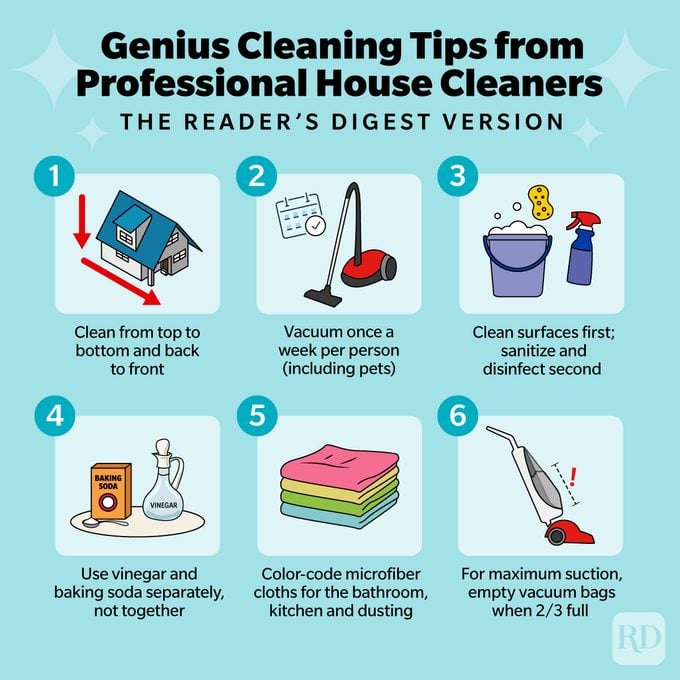
Credit: www.rd.com
Essential Cleaning Supplies
Having the right cleaning supplies on hand is key to keeping your kitchen spotless and safe. Without the essentials, you might find yourself struggling to remove tough stains or effectively sanitize surfaces. Let's look at the basic tools and agents you should never be without, plus some natural options that work just as well.
Must-have Tools
Start with a good set of tools that make cleaning easier and more efficient. A sturdy sponge or scrub brush helps tackle stuck-on food. Microfiber cloths are perfect for wiping down counters without leaving streaks.
Don't forget a mop or floor brush to keep your kitchen floor clean. Having a spray bottle handy lets you apply cleaning solutions evenly. Gloves protect your hands, especially when working with harsh chemicals.
Effective Cleaning Agents
Choosing the right cleaning agents can make a big difference in kitchen hygiene. A multi-surface cleaner will handle most tasks like wiping counters and appliances. For tougher grime, a degreaser specifically designed for kitchens is essential.
Disinfectants with ingredients like bleach or alcohol kill bacteria and viruses, keeping your kitchen safe. Always read labels to ensure the product is food-safe and follow instructions carefully. Have you checked if your cleaner is suitable for the surfaces in your kitchen?
Natural Alternatives
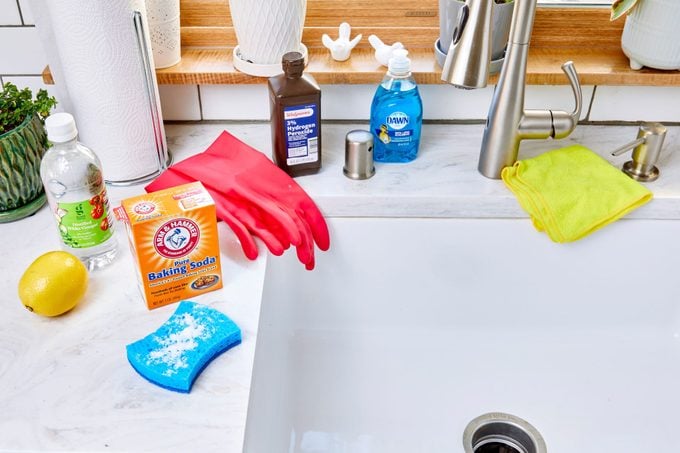
If you prefer fewer chemicals, natural options can be just as powerful. White vinegar is great for cutting grease and disinfecting surfaces. Baking soda acts as a gentle abrasive to scrub away stains without scratching.
Lemon juice adds a fresh scent and has antibacterial properties. Mixing these with water creates homemade cleaners that work well and are safer around children and pets. Have you tried swapping out commercial products for natural ones yet?
Preparing Your Kitchen For Cleaning
Preparing your kitchen for cleaning sets the stage for a more efficient and thorough process. Without a clear and organized space, cleaning can feel overwhelming and take much longer than necessary. Taking a few moments to prepare can save you time and energy, making the task less daunting and more manageable.
Decluttering Surfaces
Start by removing any items cluttering your countertops. Put away dishes, utensils, and small appliances that don't need to be out. This clears the way for easy access to all surfaces, so you don’t miss any spots while cleaning.
Consider sorting through items that accumulate on counters daily. Ask yourself if each item truly belongs there or if it can be stored elsewhere. This small step can transform your kitchen’s appearance and make cleaning quicker.
Organizing Cleaning Stations
Set up designated spots for your cleaning supplies before you begin. Gather all necessary products like sprays, cloths, sponges, and gloves in one easy-to-reach area. This prevents you from stopping mid-clean to search for a missing item.
Think about grouping supplies based on the task—for example, separate cloths for counters and floors. This helps avoid cross-contamination and keeps your cleaning process more hygienic. Have you ever started cleaning only to realize you don’t have the right cloth or cleaner at hand? Avoid that frustration by preparing your station in advance.
Cleaning Kitchen Surfaces
Wipe kitchen surfaces with warm, soapy water to remove dirt and grease. Use a disinfectant spray to kill germs and keep your kitchen safe. Regular cleaning prevents bacteria and keeps food preparation areas healthy.
Cleaning kitchen surfaces is crucial for a healthy cooking space. Germs and bacteria thrive in these areas. Regular cleaning keeps them at bay. Focus on countertops, backsplashes, cabinets, drawers, floors, and mats. Each surface requires specific care. Here's how you can effectively clean and sanitize them.
Countertops And Backsplashes
Countertops and backsplashes collect dirt and stains. Use warm soapy water for daily cleaning. Wipe the surfaces with a soft cloth. Avoid abrasive cleaners that scratch. For tough stains, use a baking soda paste. Apply it on the stain and scrub gently. Rinse with clean water and dry with a towel. For sanitizing, use a diluted bleach solution. Spray and let it sit for a few minutes. Wipe with a clean damp cloth. Ensure no bleach residue remains.
Cabinets And Drawers
Cabinets and drawers store food and utensils. Clean them monthly to prevent grime buildup. Empty the contents before cleaning. Use a mild detergent mixed with water. Wipe the inside and outside surfaces. Pay attention to handles and knobs. They often harbor bacteria. Use a toothbrush to clean grooves and corners. Dry surfaces thoroughly to prevent moisture damage.
Floors And Mats
Kitchen floors and mats endure heavy foot traffic. Sweep or vacuum the floors daily. This removes loose dirt and crumbs. Mop with a mild floor cleaner weekly. Focus on high-traffic areas. For sanitizing, use a steam mop if suitable. Kitchen mats can trap spills and grease. Shake them outside to remove debris. Wash them in the machine if possible. Check labels for washing instructions. Let mats dry completely before placing them back.
Sanitizing Key Areas
Sanitizing key areas in the kitchen is crucial for health and safety. Germs and bacteria hide in places we use daily. Cleaning alone does not kill all microbes. Sanitizing these spots reduces the risk of foodborne illness. Focus on areas that come in direct contact with food and hands.
Sink And Faucets
The kitchen sink and faucets often carry harmful bacteria. Food scraps and dirty water create a breeding ground for germs. Use hot water and a disinfectant cleaner on these surfaces. Pay special attention to faucet handles where hands touch most. Rinse thoroughly and dry with a clean cloth. Regular sanitizing keeps these spots safe and fresh.
Cutting Boards And Utensils
Cutting boards and utensils spread bacteria between foods. Use separate boards for meat and vegetables to avoid cross-contamination. After use, wash them with hot soapy water. Then sanitize by soaking or spraying with a solution of one tablespoon bleach per gallon of water. Let them air dry fully before next use. Replace boards if deep grooves develop.
Appliances
Kitchen appliances like refrigerators, microwaves, and toasters also need sanitizing. Food particles and spills can grow bacteria inside and outside. Unplug appliances before cleaning. Wipe surfaces with a mild detergent, then disinfect with a suitable sanitizer. Clean appliance handles and buttons regularly. Keep these areas germ-free to ensure safe food preparation.
Maintaining A Germ-free Kitchen
Keeping your kitchen germ-free is more than just a cleanliness goal; it’s essential for your health. Germs can hide in unexpected places, turning your cooking space into a hotspot for bacteria. How often do you think about the invisible threats lurking on your countertops or cutting boards?
Daily Cleaning Habits
Start each day by wiping down all surfaces with a disinfectant. Don’t skip high-touch areas like faucet handles, light switches, and refrigerator doors. These spots collect germs quickly and often go unnoticed.
Wash your dishcloths and sponges regularly—they can become breeding grounds for bacteria if left damp. Replace them weekly or sanitize them in the microwave for a minute to kill germs.
Always clean as you go when preparing food. This habit reduces cross-contamination and keeps your workspace tidy and safe.
Weekly Deep Cleaning Tasks
Set aside time once a week to thoroughly clean appliances like your oven, microwave, and refrigerator. Remove shelves and drawers to wash them with warm, soapy water.
Scrub your sink and drain with a disinfectant to eliminate any buildup. Pay special attention to garbage disposal units—food particles stuck inside can promote bacterial growth.
Don’t forget to mop the kitchen floor with a disinfecting cleaner. Dirt and spills can harbor germs that spread throughout your home.
Proper Food Storage Tips
Store raw meat, poultry, and seafood in sealed containers on the bottom shelf of your fridge. This prevents juices from dripping onto other foods and causing contamination.
Label leftovers with dates and use them within safe timeframes to avoid spoilage. Keeping your fridge organized helps you spot expired items quickly.
Use airtight containers for dry goods to keep pests and moisture out. This simple step protects your food and keeps your kitchen cleaner.
Handling Tough Stains And Odors
Tough stains and bad odors can make your kitchen feel dirty and unwelcoming. Removing these problems quickly keeps your kitchen fresh and safe. Strong grease and grime build-up or persistent smells need special care. Simple cleaning may not be enough to clear them away.
Using the right tools and techniques helps fight tough stains and odors. This section explains easy ways to clean stubborn grease and get rid of unpleasant smells in your kitchen.
Removing Grease And Grime
Grease can stick to surfaces like counters, stovetops, and cabinets. It builds up fast and becomes hard to remove. Use warm water and dish soap to break down grease. A sponge or soft cloth works well for scrubbing.
For extra tough spots, mix baking soda with water to form a paste. Apply the paste on the stain and let it sit for 10 minutes. Scrub gently with a sponge and rinse with warm water.
- Use vinegar spray to dissolve grease on kitchen tiles.
- Try lemon juice for a natural grease-fighting solution.
- Clean kitchen hoods and filters regularly to prevent grease build-up.
Eliminating Unpleasant Smells
Bad smells often come from food spills, trash, or damp areas. Baking soda is great at absorbing odors. Sprinkle it inside trash bins or on carpets near the kitchen.
Keep the sink fresh by pouring a mix of baking soda and vinegar down the drain. Let it foam and work for a few minutes, then rinse with hot water.
- Place bowls of activated charcoal in cabinets to trap odors.
- Boil citrus peels with water to freshen the air naturally.
- Clean the refrigerator regularly to avoid lingering smells.
Safety Tips While Cleaning
Cleaning your kitchen thoroughly is essential, but doing it safely is just as important. Chemicals and cleaning tools can pose risks if not handled properly. Paying attention to safety tips protects your health and keeps your kitchen truly clean.
Using Chemicals Safely
Chemicals like bleach and disinfectants are powerful, but they can be dangerous if mixed incorrectly. Never combine ammonia with bleach, as it creates toxic fumes. Always read labels carefully to understand proper usage and dilution.
Ventilation matters. Open windows or turn on fans to avoid breathing in strong fumes. If you feel dizzy or have difficulty breathing, stop immediately and get fresh air.
Store cleaning products out of reach of children and pets. Think about where you keep them—are they secure enough to prevent accidents? A locked cabinet or high shelf can make a big difference.
Protective Gear Recommendations
Wearing protective gear isn’t just for professionals. Gloves shield your skin from harsh chemicals and prevent irritation. Choose rubber or latex gloves that fit well and don’t have holes.
Eye protection can save you from splashes or airborne particles. Safety goggles are a smart choice, especially when working with sprays or strong solutions.
Consider a mask if you’re sensitive to fumes or dust. Even a simple cloth mask can reduce inhalation of airborne irritants. You wouldn’t want your cleaning session to cause sneezing fits or headaches, right?
Credit: www.rd.com

Credit: www.bestonlinecabinets.com
Frequently Asked Questions
How Often Should I Clean And Sanitize My Kitchen?
Clean daily to remove dirt and sanitize weekly to kill germs. Regular cleaning prevents bacteria buildup and keeps surfaces safe.
What Is The Best Way To Sanitize Kitchen Surfaces?
Use a solution of 1 tablespoon bleach per gallon of water. Apply, let sit for 5 minutes, then air dry for effective sanitization.
Can Natural Products Effectively Clean And Sanitize Kitchens?
Yes, vinegar and baking soda clean well but don’t kill all germs. For full sanitization, use approved disinfectants or bleach solutions.
Should I Sanitize Kitchen Sponges And Cloths Regularly?
Yes, sponges and cloths harbor bacteria. Microwave damp sponges for 1-2 minutes or wash cloths in hot water to sanitize.
Conclusion
A clean kitchen keeps your family safe and healthy. Wipe surfaces often to stop germs. Use warm water and soap for best results. Sanitize with approved cleaners to kill bacteria. Don’t forget to clean handles and appliances. Regular cleaning saves time and avoids bad smells.
Simple steps make your kitchen shine every day. Keep cleaning tools handy and replace sponges often. A tidy kitchen feels good and works well. Small habits lead to big cleanliness.