
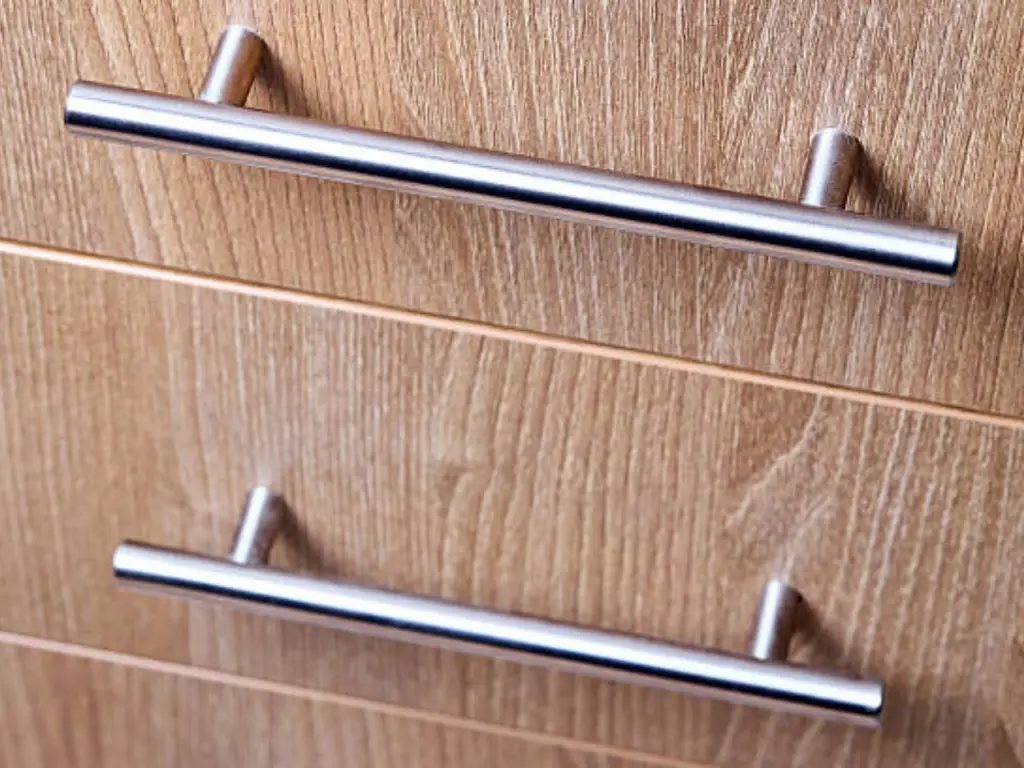
Your kitchen handles get touched a hundred times a day, collecting dirt, fingerprints, and grime. If you have brushed stainless steel handles, you know they look sleek but can be tricky to clean without leaving streaks or damage.
What if you could make them shine like new with simple steps you can do yourself? In this guide, you’ll discover easy and effective ways to clean your brushed stainless steel kitchen handles, keeping them spotless and stylish without any hassle.
Keep reading to find out how to bring back that polished look and protect your handles for the long run.
Choosing The Right Cleaning Supplies
Choosing the right cleaning supplies is essential for keeping your brushed stainless steel kitchen handles looking pristine without causing damage. Using inappropriate products can leave scratches, dull the finish, or create streaks. Let’s dive into what works best and what to avoid.
Safe Cleaners For Stainless Steel
Pick cleaners that are specifically labeled as safe for stainless steel or non-abrasive. Mild dish soap mixed with warm water is a simple but effective option you likely already have. White vinegar diluted in water also works well to remove fingerprints and smudges without harming the metal’s finish.
Avoid cleaners containing bleach or chlorine, as these can corrode the surface over time. You might be surprised how well a gentle glass cleaner performs on brushed stainless steel, leaving a streak-free shine.
Avoiding Abrasive Materials
Scrubbing pads, steel wool, or rough sponges can scratch your handles and ruin their brushed texture. Even some microfiber cloths with rough fibers can cause tiny scratches if used too aggressively. Instead, opt for soft microfiber cloths or non-abrasive sponges designed for delicate surfaces.
Ask yourself: is the cleaning tool too harsh for a surface you touch daily? If yes, pick a gentler alternative to maintain that smooth, brushed look.
Tools You Will Need
- Soft microfiber cloths for wiping and drying
- Non-abrasive sponge for applying cleaner
- Spray bottle to mix and apply vinegar or soap solution
- Soft-bristle toothbrush for hard-to-reach crevices
Having the right tools on hand can make the cleaning process quicker and more effective. For example, a toothbrush helps you clean tiny grooves without scratching the surface. What tools do you already have that can double up for this task?

Credit: www.morehandles.co.uk
Preparing The Kitchen Handles
Preparing kitchen handles is the first key to effective cleaning. It ensures dirt and grime do not spread or scratch the brushed stainless steel surface. Taking time to prepare handles properly makes the cleaning process easier and more thorough.
Start with a gentle approach. Proper preparation protects the finish and keeps handles looking new. This stage sets the foundation for a spotless kitchen.
Removing Dust And Loose Dirt
Remove dust and loose dirt using a soft cloth or microfiber duster. Avoid rough materials that could scratch the surface. Wipe the handles gently in the direction of the grain. This helps lift off surface debris without damaging the steel.
Check all sides of each handle carefully. Dust often hides in crevices and edges. A clean surface allows cleaning solutions to work better on stains.
Checking For Stubborn Stains
Look closely for stubborn stains like grease, fingerprints, or water spots. These marks need special care. Identify their location before applying any cleaner.
Test a small, hidden area with your cleaner to avoid damage. Stubborn stains may need a mild detergent or a vinegar solution. Preparing the handles by spotting these stains prevents uneven cleaning results later.
Step-by-step Cleaning Process
Begin by wiping the handles with a soft cloth to remove dust and dirt. Use mild soap and water for gentle cleaning, then dry with a clean towel. Finish by polishing to restore the brushed stainless steel shine.
Cleaning brushed stainless steel kitchen handles can seem daunting, but with the right approach, it's a breeze. A step-by-step cleaning process ensures that you not only maintain the sleek look of your handles but also extend their lifespan. Let's delve into each step to make your cleaning process efficient and effective.
Applying The Cleaner
First, choose a mild cleaner suitable for stainless steel. Common household items like vinegar or mild dish soap can work wonders. Mix a small amount of the cleaner with warm water in a spray bottle for easy application. Spray the solution directly onto the handles, ensuring even coverage. Remember, less is more—over-saturating the surface can lead to streaks.
Wiping Techniques
Use a soft microfiber cloth to wipe the handles. These cloths trap dirt effectively without scratching the surface. Wipe in the direction of the grain to maintain the brushed look of the steel. If you notice stubborn spots, apply a little more pressure, but avoid using abrasive pads. Consistency in your wiping technique will prevent uneven wear over time.
Rinsing And Drying
After wiping, it's crucial to rinse off any remaining cleaner to prevent residue build-up. Dampen a clean cloth with water and go over the handles again. This step ensures all cleaner traces are removed. Finally, dry the handles thoroughly with another microfiber cloth. Water spots can tarnish the look of your stainless steel, so don't skip this step. How often do you clean your kitchen handles? Regular cleaning can significantly reduce the effort needed each time. Keep your cleaning supplies handy and make it a quick part of your routine.

Credit: www.maxavegroup.com
Dealing With Tough Stains And Fingerprints
Tough stains and fingerprints on brushed stainless steel kitchen handles can be stubborn and frustrating. They tend to dull the sleek finish you've worked hard to maintain. But with the right techniques, you can restore that clean, polished look quickly and easily.
Using Vinegar And Water Solution
Mix equal parts of white vinegar and water in a spray bottle for an effective cleaning solution. Vinegar cuts through grease and grime without damaging the brushed stainless steel surface.
Spray the solution onto the handle and wipe gently with a soft cloth. Avoid scrubbing too hard, as this can scratch the finish. The vinegar helps break down tough stains and removes fingerprints in just a few wipes.
Polishing With Olive Oil
After cleaning, apply a small amount of olive oil to a microfiber cloth and rub it over the handle. This adds a subtle shine and helps mask any minor scratches or imperfections.
Olive oil also creates a protective layer that reduces fingerprint buildup. Have you noticed how oil can bring out the depth of brushed stainless steel? A little oil goes a long way in keeping your handles looking fresh.
Avoiding Water Spots
Water spots can quickly ruin the appearance of your kitchen handles. To prevent them, always dry the handles immediately after cleaning using a soft, dry cloth.
Try to avoid using hard water for cleaning, as minerals in it leave visible marks. If you live in an area with hard water, consider using distilled water in your cleaning solutions to keep your handles spotless.
Maintaining The Finish
Maintaining the finish of your brushed stainless steel kitchen handles is essential to keep them looking sleek and new. It’s not just about cleaning but also about protecting the surface from damage that dulls the metal over time. By adopting a thoughtful care routine, you can extend the life of your handles and preserve their elegant appearance.
Regular Cleaning Schedule
Set a simple schedule to clean your kitchen handles regularly. Even a quick wipe-down once or twice a week can prevent buildup of grease and dirt.
Use a soft cloth with mild soap and warm water for each cleaning session. Avoid harsh chemicals that could strip the brushed finish.
Have you noticed how much easier cleaning feels when dirt doesn’t have a chance to settle? That’s the power of consistency.
Preventing Future Damage
Think about what causes scratches and stains on your handles. Sharp objects, abrasive scrubbers, and harsh cleaners are common offenders.
Try using silicone or rubber gloves while cooking to reduce fingerprints and oils transferring to the handles. This small habit helps maintain the finish longer.
Also, avoid placing handles directly under running water or steam for extended periods; moisture can harm the metal’s surface over time.
Best Practices For Daily Care
Make it a habit to wipe down your handles after cooking or washing dishes. Use a microfiber cloth to remove fingerprints and smudges effectively.
If you encounter stubborn spots, dampen the cloth with a mixture of vinegar and water, but rinse and dry immediately to avoid corrosion.
Remember, your daily care choices add up. What small change can you make today to protect your kitchen handles tomorrow?
Credit: www.maxavegroup.com
Frequently Asked Questions
How Often Should I Clean Brushed Stainless Steel Handles?
Clean brushed stainless steel handles weekly to maintain their shine and hygiene. Frequent cleaning prevents dirt buildup and fingerprints, keeping handles looking new and polished.
What Is The Best Cleaner For Stainless Steel Handles?
Use a mild detergent or a mixture of vinegar and water for cleaning. Avoid abrasive cleaners as they can damage the brushed finish and cause scratches.
Can I Use A Cloth To Clean Stainless Steel Handles?
Yes, use a soft microfiber cloth to clean handles gently. It removes dirt effectively without scratching or dulling the brushed stainless steel surface.
How Do I Remove Fingerprints From Stainless Steel Handles?
Wipe handles with a damp microfiber cloth and dry immediately. For stubborn fingerprints, use a small amount of glass cleaner or vinegar solution.
Conclusion
Keeping your brushed stainless steel kitchen handles clean is simple. Use mild soap and a soft cloth for daily care. Avoid harsh chemicals that can damage the finish. Wipe handles gently to remove fingerprints and dirt. Regular cleaning keeps them shiny and fresh.
Small efforts make a big difference in your kitchen’s look. Clean handles feel nice to touch and last longer. Follow these easy steps to maintain your kitchen handles well. A clean kitchen always feels welcoming and neat.