
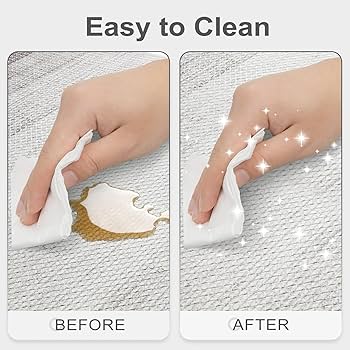
Are your foam kitchen mats looking dirty or sticky? Keeping them clean isn’t just about appearance—it helps protect your health and keeps your kitchen fresh.
But how do you clean foam mats without damaging them? You might be surprised how simple and quick the process can be. You’ll discover easy, effective steps to make your foam kitchen mats spotless again. Ready to bring back that fresh, clean feeling under your feet?
Let’s get started!
Choosing The Right Cleaning Supplies
Choosing the right cleaning supplies is key to keeping your foam kitchen mats fresh and lasting longer. Using harsh chemicals or rough tools can damage the foam, making it less comfortable and reducing its lifespan. You want to pick cleaners and tools that are gentle yet effective to maintain both cleanliness and comfort.
Safe Cleaners For Foam Mats
Foam mats need mild cleaners that won’t break down their material. Avoid bleach or strong solvents, as these can cause discoloration and weaken the foam.
- Mild dish soap:A few drops mixed with warm water works great to remove grease and dirt.
- White vinegar solution:Mix equal parts of water and white vinegar for a natural disinfectant that won’t harm the foam.
- Baking soda paste:Combine baking soda with a bit of water to tackle stubborn stains gently.
Have you ever noticed how some cleaners leave your mats sticky or stiff? That’s a sign the cleaner was too harsh. Stick to these gentle options for the best results.
Tools You'll Need
Picking the right tools can make cleaning easier and protect your mats from damage. Avoid anything abrasive that could tear or wear out the foam surface.
- Soft cloth or sponge:Perfect for applying cleaners without scratching the foam.
- Soft-bristled brush:Helpful for scrubbing dirt out of grooves but gentle enough to avoid damage.
- Spray bottle:Makes it easy to apply cleaning solutions evenly.
- Microfiber towel:Ideal for drying the mat without leaving lint behind.
Think about how you clean other delicate items in your home—those same principles apply here. What tools do you already have that could work well for this task?

Credit: www.amazon.ca
Preparing Your Foam Mat
Preparing your foam kitchen mat properly ensures a thorough and safe cleaning process. Taking time to prep the mat helps remove surface dirt and prevents damage during washing. These steps also make the mat look fresh and last longer.
Removing Loose Dirt And Debris
Start by shaking the foam mat outside to remove dust and crumbs. Use a soft brush or vacuum cleaner to clear stuck-on dirt. Make sure to clean all corners and edges carefully. This step prevents dirt from spreading while washing.
Spot Testing For Colorfastness
Test a small hidden area of the mat with water and mild detergent first. Wait a few minutes to see if the color fades or bleeds. Spot testing protects your mat from stains or color loss. Only clean the entire mat if the test area stays safe.
Cleaning Methods For Foam Mats
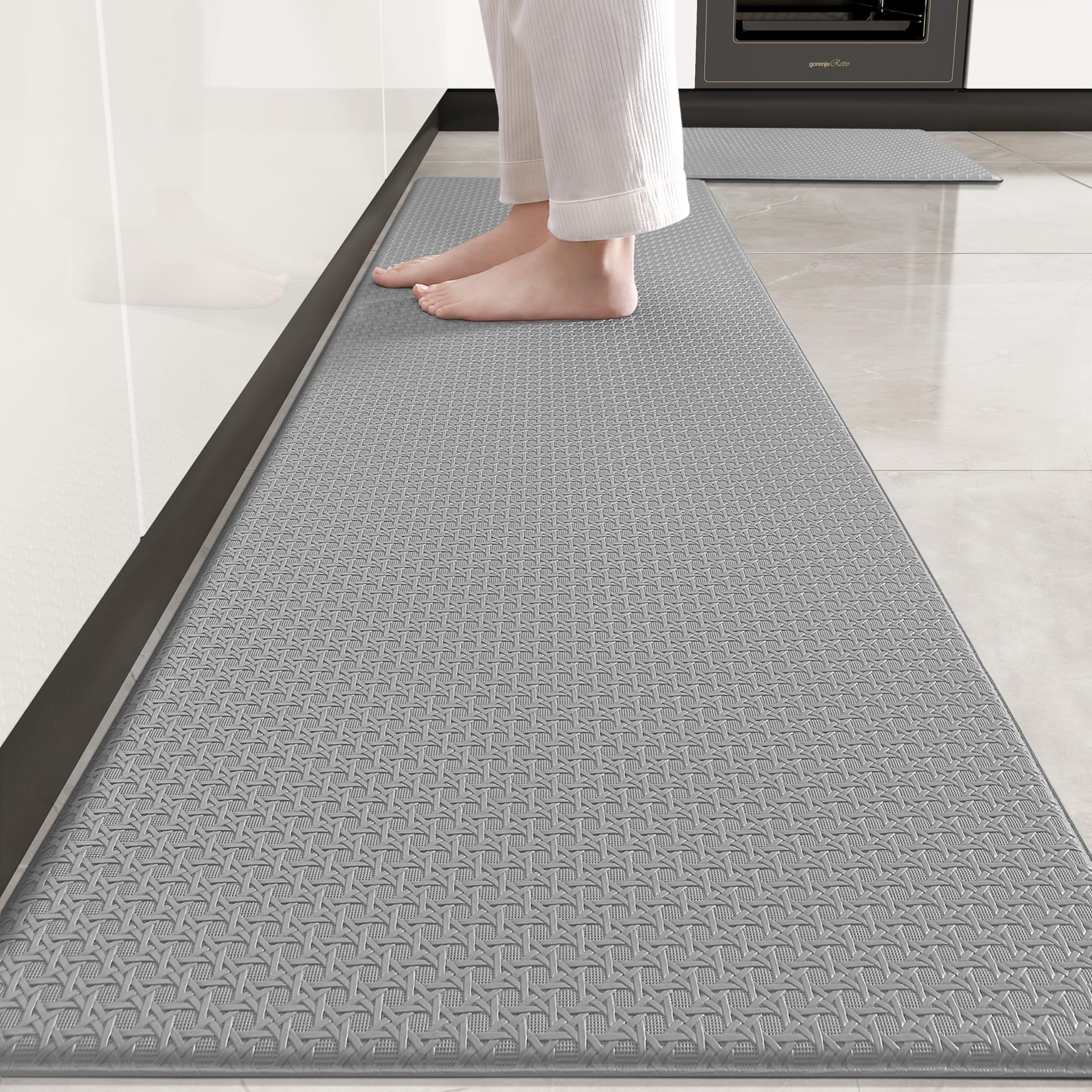
Use a mild soap and warm water to gently scrub foam kitchen mats. Rinse thoroughly and air dry to keep them fresh and clean. Avoid harsh chemicals to prevent damage.
Cleaning foam kitchen mats can be a simple task if you know the right methods. These mats offer comfort and support, but they also gather dirt and spills. Choosing the best cleaning technique can extend their lifespan and keep your kitchen looking fresh. Let's explore some effective cleaning methods.
Hand Washing Technique
Hand washing is ideal for maintaining the integrity of your foam mats. Start by filling a basin or your sink with warm water and add a small amount of mild dish soap. Use a soft cloth or sponge to gently scrub the surface of the mat, focusing on any stained or dirty areas. Rinse thoroughly with clean water to remove soap residue. Lay the mat flat in a well-ventilated area to air dry. Avoid direct sunlight to prevent discoloration.
Machine Washing Tips
Before tossing your foam mat into the washing machine, check the care label. If machine washing is permissible, use a gentle cycle with cold water. Add a small amount of mild detergent and avoid fabric softeners, which can break down the foam over time. Consider using a laundry bag to protect the mat during the wash. Once clean, hang the mat to air dry. Never use a dryer, as the heat can damage the foam structure.
Using A Steam Cleaner
Steam cleaning is a great option for a deeper clean. The high temperature effectively sanitizes the mat, killing germs and bacteria. Hold the steam cleaner a few inches away from the surface to avoid soaking the mat. Move the steam cleaner slowly across the mat, ensuring you cover all areas. Allow the mat to dry completely before placing it back in your kitchen. Have you ever noticed how fresh your kitchen feels after a good steam cleaning? Each method has its advantages, and your choice may depend on the time and resources available. Which technique will you try first?
Credit: infrakraft.com
Drying Your Kitchen Mat
Drying your foam kitchen mat properly is just as important as cleaning it. If you rush this step or use the wrong techniques, you risk damaging the mat’s material or causing mold growth. Taking time and care during drying ensures your mat stays fresh, safe, and ready for daily use.
Air Drying Best Practices
After washing your kitchen mat, lay it flat in a well-ventilated area. Avoid folding or bunching it up, as this traps moisture inside. If possible, place it near a window or a fan to speed up drying without direct sunlight.
Hanging the mat over a clean, dry surface like a shower rod or a clothesline also works well. Make sure both sides get enough air circulation by flipping it halfway through drying. This simple step prevents damp spots that could lead to unpleasant odors.
Avoiding Heat Damage
Heat can warp or melt foam mats, so stay away from dryers, direct sunlight, or heaters. High temperatures break down the foam’s structure, causing it to lose cushioning and shape.
If you’ve ever tossed a foam mat in the dryer, you might have noticed it becoming hard or cracked. That’s a sign of heat damage. Instead, stick to gentle air drying and watch your kitchen mat last longer and stay comfortable underfoot.
Maintaining Freshness Between Deep Cleans
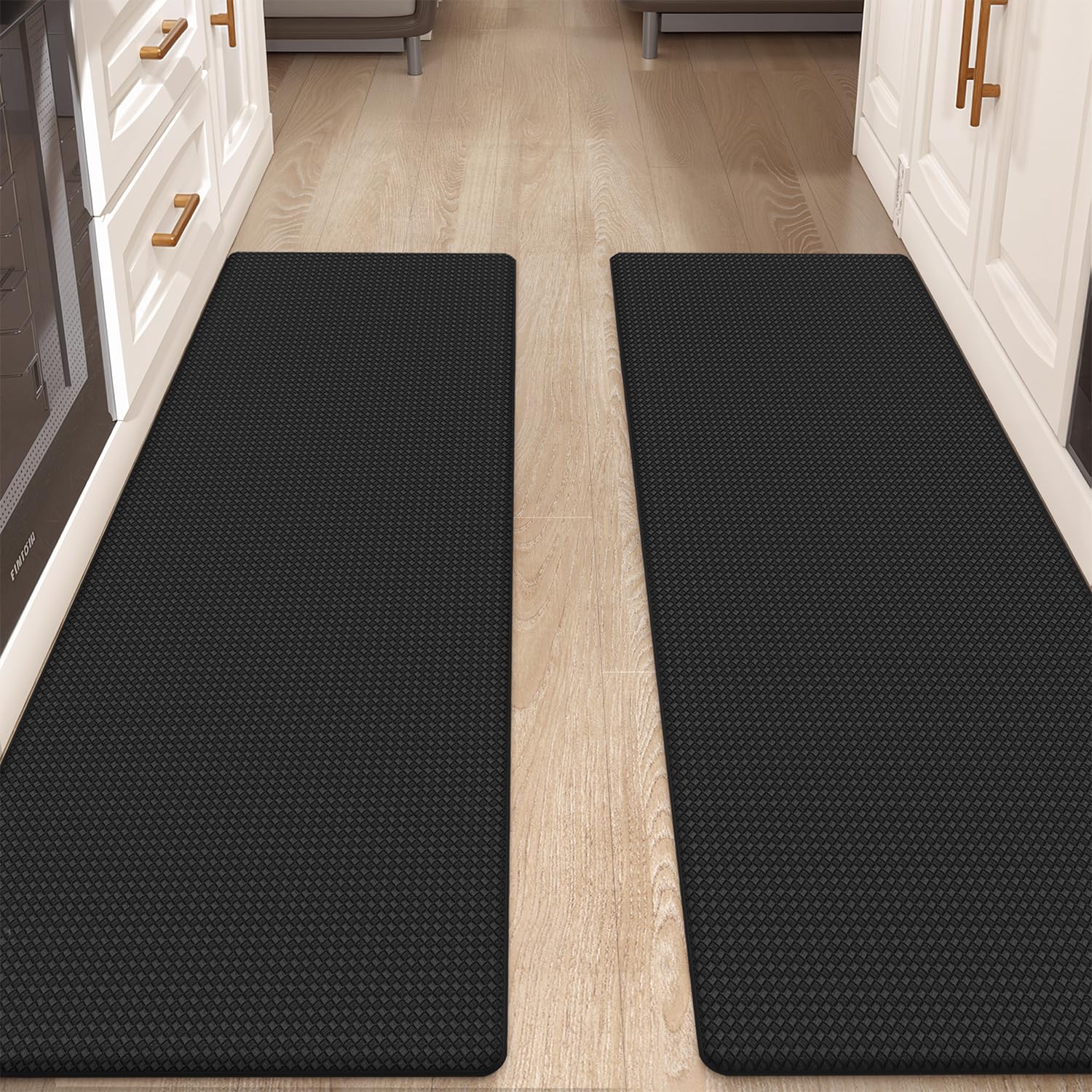
Keeping your foam kitchen mats fresh between deep cleans can save you time and keep your kitchen inviting. Small, regular efforts prevent dirt buildup and odors from becoming overwhelming. Let’s look at simple ways to maintain that fresh feeling daily.
Regular Wiping And Spot Cleaning
Wiping your foam mat regularly helps remove crumbs, spills, and dust before they settle in. Use a damp cloth with mild soap to clean visible spots right away. This stops stains from setting and keeps your mat looking neat.
If you notice a spill, don’t wait—blot it immediately with a clean towel. Avoid soaking the mat since excess water can damage the foam. A quick wipe is often enough to keep things under control.
Deodorizing Tips
Odors can sneak into foam mats from food and moisture. Sprinkling baking soda over your mat and letting it sit for 15-30 minutes absorbs smells effectively. Afterward, shake off the powder or vacuum it up for a fresher surface.
You might also try a light mist of diluted vinegar or a few drops of essential oils mixed with water. These natural solutions neutralize odors without harsh chemicals. Ever thought about how a small spray could change the atmosphere in your kitchen?
Credit: www.amazon.ca
Troubleshooting Common Issues
Foam kitchen mats can brighten your workspace and ease the strain on your feet, but they aren’t immune to everyday problems. Knowing how to troubleshoot common issues helps you keep your mat fresh and functional. Let’s dive into practical solutions for stubborn stains, lingering odors, and minor damages that you can handle yourself.
Removing Stubborn Stains
Stains on foam mats can be tricky because the material absorbs liquids easily. Start by blotting the stain gently with a clean cloth to remove excess moisture. Avoid rubbing, as this can push the stain deeper.
Mix a mild dish soap with warm water and use a soft brush to scrub the affected area. Rinse with a damp cloth and let the mat air dry completely before placing it back.
If the stain persists, try a paste made from baking soda and water. Apply it on the stain, let it sit for 10 minutes, then scrub gently and rinse. Have you ever noticed how simple household items can work wonders on tough stains?
Fixing Odors
Odors often come from trapped moisture or food particles. Sprinkle baking soda generously over the mat and leave it for several hours or overnight to absorb smells.
Afterward, vacuum or shake off the baking soda outside. To freshen it further, wipe the mat with a cloth dipped in a vinegar-water solution (equal parts) and let it dry thoroughly.
Remember, keeping your mat dry between uses can prevent odors from developing. How often do you check your mat for hidden smells?
Repairing Minor Damages
Small tears or cuts in foam mats can worsen if ignored. Use a foam-safe adhesive to glue the edges back together carefully. Press firmly and allow the glue to cure as per instructions.
If the damage is a small hole, filling it with a piece of foam cut to size and glued in place can restore comfort. Avoid heavy use until the repair fully sets to prevent further damage.
Taking quick action on minor damages saves you from the hassle of replacing your mat. Have you ever fixed a tear in your mat before it got worse?
Frequently Asked Questions
How Often Should I Clean Foam Kitchen Mats?
Clean foam kitchen mats every 1-2 weeks to maintain hygiene. Regular cleaning prevents dirt buildup and bacteria growth. Frequent cleaning also keeps mats fresh and odor-free, ensuring a safe kitchen environment.
What Is The Best Method To Clean Foam Mats?
Use mild soap and warm water to clean foam mats. Gently scrub with a soft brush or cloth to remove stains. Avoid harsh chemicals or machine washing, as they can damage the foam material.
Can I Use Bleach To Clean Foam Kitchen Mats?
No, avoid using bleach on foam kitchen mats. Bleach can degrade the foam and cause discoloration. Stick to mild detergents or natural cleaners to preserve the mat’s texture and longevity.
How Do I Dry Foam Kitchen Mats After Cleaning?
Air dry foam kitchen mats flat in a well-ventilated area. Avoid direct sunlight, which can cause fading or warping. Ensure mats are completely dry before use to prevent mold and mildew growth.
Conclusion
Cleaning foam kitchen mats keeps your kitchen safe and fresh. Regular care stops dirt and germs from building up. Use gentle soap and warm water for best results. Let mats dry fully to avoid mold and smells. Small efforts make mats last longer and look better.
Keep your kitchen comfortable and clean every day. Simple steps create a healthy space for cooking and family time. Remember, clean mats mean a happy kitchen.