
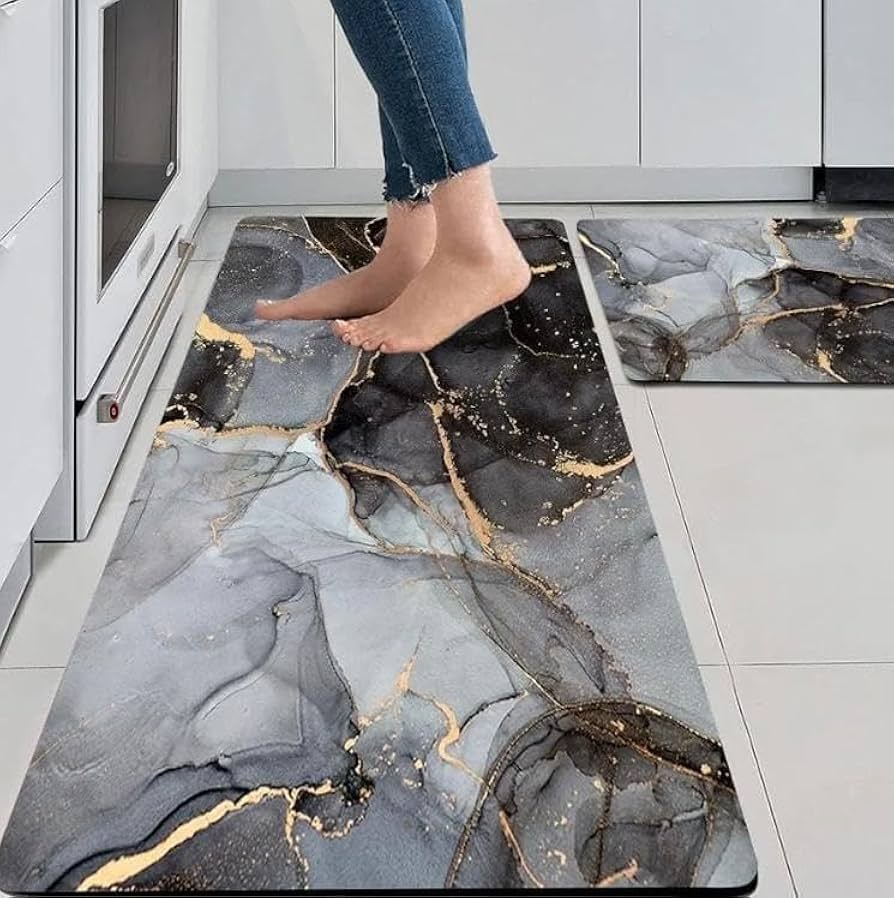
Your kitchen mat works hard every day, catching spills, crumbs, and dirt while you cook and clean. But when was the last time you gave it a proper wash?
A dirty kitchen mat can hide germs and make your cooking space less fresh than it should be. You might think cleaning it is a hassle, but with the right tips, it can be quick and easy. Keep reading to discover simple, effective ways to clean your kitchen mats and keep your kitchen looking and feeling spotless.
Choosing The Right Cleaning Method
Choosing the right cleaning method for kitchen mats is crucial for maintaining their look and durability. Different mats need different care to stay fresh and safe. Understanding how to clean your kitchen mat properly saves time and effort.
Knowing the material and cleaning type helps prevent damage. It also ensures thorough cleaning without ruining the mat’s texture or color.
Material Matters
Kitchen mats come in many materials like rubber, foam, fabric, or vinyl. Each needs a different cleaning approach. Rubber mats resist water and can be scrubbed easily. Foam mats require gentle cleaning to avoid tears. Fabric mats absorb stains and may need washing. Vinyl mats clean well with mild soap and water.
Check the mat’s label for cleaning instructions. Use the right tools and products for your mat’s material. This keeps the mat safe and extends its life.
Spot Cleaning Vs Deep Cleaning
Spot cleaning removes small stains and dirt quickly. Use a cloth or sponge with mild detergent. Focus only on the dirty area. This method saves time and keeps the whole mat clean.
Deep cleaning is for heavy dirt or odors. It involves washing the entire mat thoroughly. You can soak the mat or use a brush for scrubbing. Deep cleaning is needed less often but keeps mats fresh and hygienic.
Choose spot cleaning for light messes and deep cleaning for tough grime. Both methods keep your kitchen mat clean and safe to use.
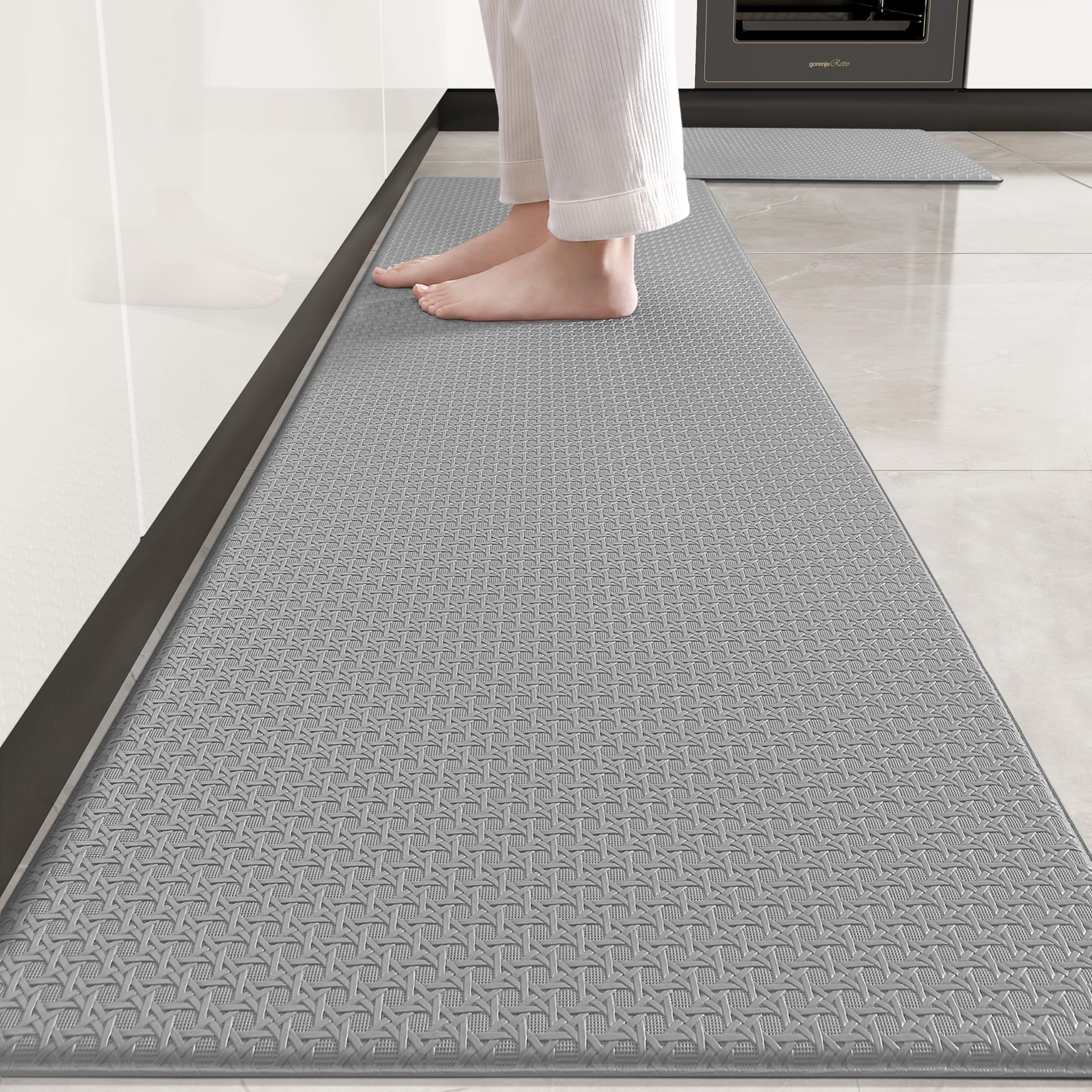
Credit: infrakraft.com
Daily Maintenance Tips
Keeping kitchen mats clean daily helps them last longer and stay fresh. Simple habits prevent dirt buildup and stains. Spending a few minutes each day makes deep cleaning easier. Follow these easy tips to maintain your kitchen mats every day.
Shaking And Vacuuming
Take your kitchen mat outside and give it a good shake. This removes loose dirt and crumbs that settle on the surface. After shaking, use a vacuum cleaner to pick up smaller dust and particles. Focus on both sides of the mat to clean thoroughly. Regular vacuuming stops dirt from embedding deep into the fibers.
Dealing With Spills Immediately
Spills can cause stains and odors if left unattended. Blot the spill with a clean cloth or paper towel right away. Avoid rubbing, as this spreads the stain. Use mild soap and water to gently clean the affected area. Dry the spot completely to prevent mold and mildew growth. Quick action keeps your mat looking fresh and clean.
Washing Kitchen Mats
Kitchen mats collect dirt and spills quickly, so regular cleaning keeps them fresh. Shake out debris, then wash with mild soap and warm water for best results. Let mats air dry completely before placing them back in the kitchen.
Washing kitchen mats might seem like a mundane task, but it plays a crucial role in maintaining a clean and hygienic cooking space. A spotless mat not only enhances the kitchen's aesthetics but also extends its life. The process can be simple, whether you choose to machine wash or hand wash, and each method has its benefits.
Machine Washing Guidelines
Machine washing is a convenient option for many types of kitchen mats, especially those made of fabric. Before tossing your mat into the washing machine, check the care label for any specific instructions. Use a gentle cycle with cold water to prevent any damage or fading. Add a mild detergent, avoiding any harsh chemicals that might degrade the mat’s fibers. Consider adding a cup of vinegar to the wash cycle for a natural disinfectant boost. After washing, air dry your mat to maintain its shape and texture, as high heat from dryers can cause shrinkage.
Hand Washing Techniques
For mats that require a more delicate touch, hand washing is ideal. Fill a basin with warm water and add a few drops of mild detergent. Submerge your mat and gently scrub it using a soft-bristled brush. Focus on any stained or heavily soiled areas, using circular motions for effective cleaning. Rinse thoroughly with clean water to remove all soap residues. Finally, hang your mat in a well-ventilated area to air dry completely before placing it back in your kitchen. Have you ever considered the hidden grime lurking beneath your feet? Regular cleaning ensures that your kitchen mat remains free from germs and dirt, offering a fresh and welcoming feel every time you step into your kitchen.

Credit: www.youtube.com
Drying And Preventing Mold
Drying your kitchen mats thoroughly after cleaning is key to keeping mold at bay. Moisture left trapped in the fibers creates the perfect environment for mold growth, which can lead to unpleasant odors and health risks. Taking the right steps to dry your mats ensures they stay fresh and safe for everyday use.
Air Drying Best Practices
Air drying is one of the safest ways to dry kitchen mats without damaging them. Hang your mat over a railing or clothesline to allow both sides to dry evenly. Avoid folding or bunching it up, as this traps moisture and slows the drying process.
Make sure the drying area is well-ventilated. Opening a window or using a fan can speed up drying and reduce humidity around the mat. If you dry your mat indoors, keep it away from damp corners or bathrooms where moisture levels are high.
Have you noticed how mats left in a humid room tend to develop that musty smell? That’s a sign mold might be forming. Prevent this by giving your mat plenty of space and air circulation while drying.
Using Sunlight Safely
Sunlight can help kill mold spores and freshen your kitchen mat naturally. However, too much direct sun can fade colors or damage certain materials over time. Limit exposure to a few hours and flip the mat halfway through to ensure even drying.
Choose a shady spot with indirect sunlight if your mat is made from rubber or delicate fabrics. This way, you get the benefits of sunlight without risking cracks or brittleness. Remember, sunlight isn’t just for drying—it’s an easy way to sanitize your mat too.
Have you ever left a mat out in the sun only to find it stiff and cracked later? Adjusting how you use sunlight can protect your mat and extend its life while keeping it mold-free.
Removing Stains And Odors
Stains and odors on kitchen mats can make your cooking space feel less fresh and inviting. Tackling these issues promptly prevents buildup and keeps your mats looking and smelling clean. Understanding the right cleaning methods will save you time and effort while restoring your mats effectively.
Natural Cleaning Solutions
Using natural ingredients to clean your kitchen mats is gentle and safe, especially if you have pets or children around. Baking soda is a powerful deodorizer; sprinkle it generously over the mat, let it sit for 15-20 minutes, then vacuum it off to neutralize odors.
For stains, mix equal parts white vinegar and water in a spray bottle. Spray the solution on the stained areas and let it sit for 10 minutes before scrubbing gently with a soft brush. Vinegar cuts through grease and lifts stains without harsh chemicals.
Have you tried lemon juice? Its natural acidity brightens stains and leaves a fresh scent. Dab lemon juice on the stain, wait 5 minutes, then wipe clean with a damp cloth. These natural methods often work better than you expect.
Commercial Cleaners That Work
If natural solutions don’t fully remove stubborn stains or odors, certain commercial cleaners can help. Look for enzyme-based cleaners designed specifically for fabrics or mats; they break down organic stains like food or pet accidents effectively.
Always test any cleaner on a small, hidden area first to avoid discoloration. Use the cleaner according to the instructions, and consider using a scrub brush to agitate tough spots gently. Rinse thoroughly to prevent residue buildup that attracts dirt.
Have you noticed how some sprays leave a strong chemical smell? Choose products labeled as low-odor or hypoallergenic to keep your kitchen environment pleasant. A well-cleaned mat not only looks better but also contributes to a healthier kitchen space.

Credit: www.amazon.in
Maintaining Hygiene Regularly
Maintaining hygiene regularly is essential for kitchen mats. These mats catch spills, crumbs, and dirt daily. Without proper cleaning, they can harbor bacteria and cause odors. Regular care keeps your kitchen safe and fresh. A clean mat also lasts longer and looks better.
Scheduling Cleaning Sessions
Set a routine to clean your kitchen mats. Depending on use, aim for weekly or biweekly washes. Use a gentle detergent and warm water for best results. Shake out loose dirt before washing. Dry mats completely to prevent mold growth. Mark cleaning days on your calendar or phone as reminders.
Replacing Mats When Needed
Check mats for signs of wear and tear often. Look for thinning, holes, or stubborn stains. Replace mats that no longer clean well or smell bad. Old mats can hide germs even after washing. Choose mats made of durable, easy-to-clean materials. Regularly swapping mats keeps your kitchen hygienic and comfortable.
Frequently Asked Questions
How Often Should I Clean Kitchen Mats?
Clean kitchen mats at least once a week to prevent dirt buildup. Regular cleaning keeps mats hygienic and extends their lifespan. For heavy use, clean more frequently to maintain a safe, slip-free surface.
What Is The Best Method To Clean Kitchen Mats?
Vacuum mats first to remove loose dirt. Then, scrub with warm water and mild detergent. Rinse thoroughly and air dry completely before placing back in the kitchen.
Can I Machine Wash Kitchen Mats Safely?
Check the mat’s care label first. Many fabric mats are machine washable on a gentle cycle with cold water. Avoid harsh detergents and high heat drying to prevent damage.
How Do I Remove Tough Stains From Kitchen Mats?
Use a mixture of baking soda and water to form a paste. Apply to stains, scrub gently, then rinse well. For stubborn stains, try vinegar or a mild stain remover.
Conclusion
Cleaning kitchen mats keeps your kitchen safe and tidy. Regular washing stops dirt and germs from building up. Use gentle soap and water for the best results. Dry mats fully before placing them back down. A clean mat lasts longer and feels better underfoot.
Small efforts make a big difference in your kitchen’s cleanliness. Keep your mats fresh to enjoy a healthier cooking space. Simple steps, big impact.