

Your kitchen rubber mats work hard every day, catching spills, crumbs, and dirt. But when was the last time you gave them a good clean?
If your mats look grimy or start to smell, it’s time to take action. Cleaning them properly not only keeps your kitchen hygienic but also extends the life of your mats. You’ll discover simple, effective ways to clean your kitchen rubber mats so they look fresh and last longer.
Keep reading—you’ll be surprised how easy it is to bring new life to something you use every day.
Benefits Of Cleaning Kitchen Rubber Mats
Cleaning kitchen rubber mats offers many benefits for both hygiene and safety. These mats catch dirt, spills, and grease during cooking. Regular cleaning keeps them fresh and extends their life. A clean mat creates a better cooking environment and protects your health.
Improves Kitchen Hygiene
Rubber mats hold food crumbs and grease. Cleaning removes bacteria and mold that grow on dirty mats. This stops bad smells and keeps your kitchen safe for cooking.
Prevents Slips And Falls
Grease and dirt make mats slippery. Cleaning restores their grip and reduces the risk of accidents. Safe mats protect you and others from injuries in the kitchen.
Extends Mat Lifespan
Regular cleaning stops dirt buildup that wears down the rubber. Removing debris helps mats stay strong and last longer. This saves money on replacements.
Enhances Kitchen Appearance
Clean mats look neat and tidy. They add to a well-maintained kitchen space. A fresh mat shows good care and professionalism.
Reduces Allergens And Irritants
Dust and food particles trapped in mats can cause allergies. Cleaning removes these irritants and improves indoor air quality. This benefits everyone’s health.
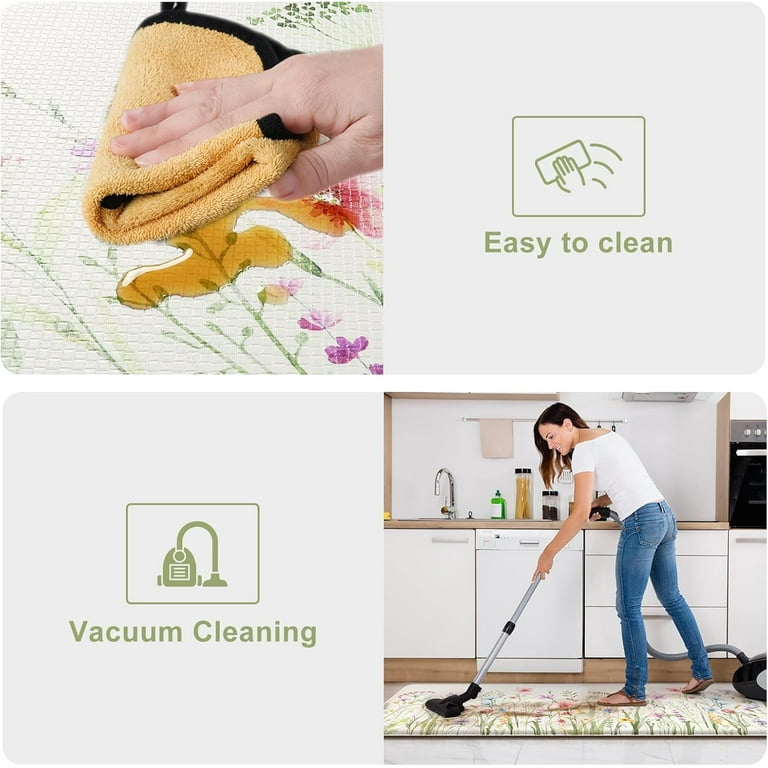
Credit: www.walmart.com
Gathering Cleaning Supplies
Before you start scrubbing your kitchen rubber mats, gathering the right cleaning supplies makes the entire process smoother and more effective. Having everything ready prevents interruptions and helps you tackle tough stains without frustration. Plus, using the correct materials protects the rubber from damage and keeps your mats lasting longer.
Essential Cleaning Agents
Choose gentle yet effective cleaning agents. Dish soap is a must-have—it breaks down grease and grime without harming the rubber. For stubborn dirt, a mixture of white vinegar and water works wonders and is safe for your mats.
Steer clear of harsh chemicals like bleach or ammonia. They can cause the rubber to crack or lose flexibility over time. Instead, opt for natural or mild household cleaners.
Tools To Make Cleaning Easier
Gather a soft-bristle brush or a sponge to scrub the mats without scratching them. A microfiber cloth helps wipe away excess moisture and leaves the surface clean. If you have a hose or access to a sink with a spray nozzle, it makes rinsing quicker and more thorough.
Consider using gloves to protect your hands, especially if you have sensitive skin. Also, a bucket or basin is handy for soaking the mats if they are very dirty.
Additional Supplies To Keep Handy
- Towels:For drying the mats after cleaning to avoid slipping hazards.
- Baking Soda:Useful for deodorizing and tackling persistent odors.
- Old Toothbrush:Perfect for reaching into grooves and textured surfaces.
- Spray Bottle:To evenly apply cleaning solutions.
Have you ever started cleaning only to realize you’re missing a key tool? Preparing all your supplies ahead saves time and keeps your motivation high.
Removing Loose Dirt And Debris
Shake the rubber mat outside to remove loose dirt and debris. Use a broom or brush to sweep off stubborn particles. This prepares the mat for a deeper clean.
Removing loose dirt and debris is the first essential step in cleaning your kitchen rubber mats effectively. It's the foundation for a thorough clean, ensuring that the deeper grime can be tackled without obstruction. Overlooking this step could mean you're merely spreading dirt around, rather than actually cleaning it away.
Shake And Whack The Mats
Take your rubber mats outside for a good shake. Holding them firmly, give them a few good whacks against a sturdy surface like a wall or railing. This helps dislodge any stubborn particles that may cling to the surface.
Use A Broom Or Vacuum
A broom with stiff bristles can be your best friend here. Sweep vigorously to remove dust and dirt from both sides of the mat. Alternatively, if you prefer less manual effort, a vacuum cleaner with a brush attachment works wonders for sucking up hidden debris.
Inspect For Stubborn Dirt
After initial cleaning, closely inspect your mat. Are there any spots still clinging to dirt? Sometimes, a gentle rub with your hand can reveal hidden particles that need extra attention.
Consider The Mat's Location
Think about where your mat is typically placed. Is it by the sink, catching food scraps, or by the stove, absorbing grease? Understanding its usual dirt exposure helps you tailor your cleaning efforts.
Make It A Routine
Consistency is key. Make a habit of removing loose dirt and debris from your kitchen mats every week. This not only ensures cleanliness but also extends the life of your mats. Do you find dirt still lingering even after a good shake and sweep? It might be time to dive deeper into the cleaning process. Regular attention to these steps ensures your kitchen remains a fresh and welcoming space.

Credit: www.amazon.com
Soaking And Washing The Mats
Soaking and washing your kitchen rubber mats is a straightforward way to remove stubborn dirt, grease, and grime that accumulates daily. This process softens the debris, making it easier to scrub away without damaging the mat. With the right approach, you can restore your mats to a clean, fresh condition that feels almost new.
Choosing The Right Cleaning Solution
Not all cleaning solutions are safe for rubber mats. Avoid harsh chemicals like bleach or ammonia, which can degrade the rubber over time. Instead, opt for gentle options such as:
- Warm water mixed with mild dish soap
- A diluted vinegar solution (one part vinegar to three parts water)
- Baking soda paste for tough stains
These choices are effective yet gentle, preserving the mat's flexibility and texture. Have you ever noticed how some cleaners leave your mats sticky or cracked? Choosing the right solution prevents that.
Soaking Duration Tips
Soaking your rubber mats too briefly might not loosen all the grime, while soaking too long could weaken the material. Aim for a soaking time between 15 to 30 minutes. This timeframe allows the cleaning agents to break down grease and dirt effectively.
If the mats are extremely dirty, soak them for the full 30 minutes, then scrub with a soft brush. For regular maintenance, a quick 15-minute soak often does the trick. How long you soak can make a big difference in how much effort you need to scrub afterward.
Scrubbing Stubborn Stains
Stubborn stains on kitchen rubber mats can be tough to remove. These marks often come from food spills, grease, or dirt trapped in the mat’s texture. Cleaning them requires more effort than a simple wipe. Scrubbing helps lift these deep stains effectively.
Use the right tools and cleaning agents to avoid damaging the mat. Gentle scrubbing can restore the mat’s original look and maintain its grip. Patience and consistent scrubbing make a big difference.
Choose The Right Brush For Scrubbing
A brush with firm bristles works best for rubber mats. Avoid metal brushes as they can tear the surface. Nylon or plastic bristle brushes clean well without causing damage. The brush size should fit the mat’s grooves for thorough cleaning.
Apply A Suitable Cleaning Solution
Mix warm water with mild dish soap for a safe cleaning solution. For tougher stains, add a small amount of baking soda. Avoid harsh chemicals that can degrade rubber. Apply the solution directly to the stained areas before scrubbing.
Scrub With Controlled Pressure
Use circular motions to scrub the stains gently but firmly. Too much pressure might damage the mat’s surface. Focus on stained spots and edges where dirt hides. Rinse the brush often to remove loosened dirt and soap.
Rinse And Repeat If Needed
Rinse the mat thoroughly with clean water after scrubbing. Check if the stains have lifted. Repeat scrubbing for any remaining stubborn spots. Dry the mat completely to prevent mold or mildew growth.
Rinsing And Drying Methods
Rinsing and drying your kitchen rubber mats properly is crucial to maintain their cleanliness and longevity. Skipping these steps or doing them incorrectly can leave behind soap residue or moisture, which may cause mold or unpleasant odors. Let’s dive into effective rinsing and drying techniques that will keep your mats fresh and ready for daily use.
Proper Rinsing Techniques
Rinse your rubber mats thoroughly with clean water to remove all soap and grime. Use a garden hose or a handheld shower nozzle to ensure water reaches every groove and crevice.
Pay special attention to the textured side of the mat where dirt tends to get trapped. Hold the mat at an angle to allow water to flow off easily, carrying away loosened debris.
- Use warm water for better grease removal without damaging the rubber.
- If rinsing indoors, tilt the mat over the sink or bathtub to avoid water pooling.
- Repeat rinsing until the water runs clear and you don’t feel any slippery soap film.
Have you noticed mats feeling sticky after cleaning? That’s often due to leftover detergent—rinsing well will fix it instantly.
Best Drying Practices
Drying your rubber mats completely prevents mold growth and keeps your kitchen smelling fresh. Lay the mat flat on a clean surface or hang it over a railing where air can circulate freely.
Avoid direct sunlight for long periods as it can cause rubber to crack or fade. Instead, choose a shaded, well-ventilated spot or use a fan to speed up drying.
- Flip the mat periodically to dry both sides evenly.
- Ensure no moisture remains trapped under the mat before placing it back on the floor.
- If in a hurry, gently pat the mat with a dry towel to remove excess water before air drying.
How often do you let your mats dry completely before using them again? Skipping this step might be why your kitchen sometimes smells off.
Maintaining Kitchen Rubber Mats
Maintaining kitchen rubber mats keeps them safe and long-lasting. Clean mats prevent slips and help keep the kitchen hygienic. Simple care routines stop dirt and grime buildup. This also avoids damage and keeps mats looking new. Follow easy tips to keep rubber mats fresh and effective.
Regular Cleaning Schedule
Set a daily or weekly time to clean mats. Sweep or shake off loose dirt each day. Use warm water and mild soap for deeper cleaning. Rinse mats thoroughly to remove all soap. Let mats air dry completely before placing them back. Regular cleaning stops stains and keeps mats safe.
Preventing Mold And Odors
Keep mats dry to avoid mold growth. Wipe mats after spills and wet kitchen work. Store mats in a well-ventilated area when not in use. Use a mixture of vinegar and water to kill bacteria. Dry mats in sunlight to reduce odors naturally. Preventing moisture keeps mats fresh and odor-free.

Credit: www.amazon.com
Frequently Asked Questions
How Often Should I Clean Kitchen Rubber Mats?
Clean kitchen rubber mats weekly to prevent bacteria buildup and odors. Regular cleaning maintains hygiene and extends mat life.
What Is The Best Method To Clean Rubber Mats?
Use warm water, mild detergent, and a soft brush. Rinse thoroughly and air dry to avoid damage and slipping hazards.
Can I Use Bleach To Clean Rubber Mats?
Avoid bleach; it can degrade rubber material. Use gentle cleaners like dish soap or vinegar for safe and effective cleaning.
How Do I Remove Stubborn Stains From Rubber Mats?
Apply baking soda paste on stains, scrub gently, then rinse. This method lifts stains without harming the rubber surface.
Conclusion
Cleaning kitchen rubber mats keeps your kitchen safe and fresh. Regular washing removes dirt, grease, and germs. Use mild soap and warm water for best results. Let mats dry completely before placing them back. Clean mats last longer and prevent slips.
A small effort can keep your kitchen healthier. Simple steps save time and avoid damage. Keep your mats clean for a safer kitchen space. Easy care makes a big difference every day.