
Your padded kitchen mat is more than just a spot to stand—it’s where you spend time cooking, chatting, and creating memories. But over time, spills, crumbs, and daily wear can leave it looking tired and dirty.
You might think cleaning it is a hassle or worry about damaging the padding. What if you could refresh your mat quickly and easily, making your kitchen feel cleaner and more inviting? In this guide, you’ll discover simple, effective steps to clean your padded kitchen mats without stress.
Keep reading—you’ll be surprised how easy it is to bring back that fresh, comfortable feel under your feet.
Credit: www.walmart.com
Choosing The Right Cleaning Supplies
Choosing the right cleaning supplies is key to keeping padded kitchen mats fresh and intact. Using proper products helps avoid damage and keeps mats looking new. Simple, gentle supplies work best. Harsh chemicals or rough tools can ruin the padding and fabric. Select items that clean effectively without wearing out the mat.
Gentle Detergents And Cleaners
Opt for mild detergents designed for delicate fabrics. These cleaners remove dirt without stripping away the mat’s protective layer. Avoid strong soaps that create residue or cause fading. Liquid detergents with natural ingredients often work well. Always dilute the detergent with water before applying.
Soft Brushes And Cloths
Use soft-bristled brushes or microfiber cloths to clean mats. These tools lift dirt gently without scratching the surface. Avoid stiff brushes or abrasive pads, which can damage the padding. A soft cloth can also absorb excess moisture after cleaning. This helps mats dry faster and prevents mold growth.
Avoiding Harsh Chemicals
Harsh chemicals like bleach and ammonia weaken mat fibers and padding. They can cause discoloration and shorten the mat’s lifespan. Steer clear of strong solvents or acidic cleaners. These substances may leave harmful residues, unsafe for kitchen areas. Choose safe, eco-friendly cleaning options to protect your mats and family health.

Credit: www.amazon.com
Preparing The Mat For Cleaning
Before you dive into cleaning your padded kitchen mat, it's essential to prepare it properly. This preparation not only makes the cleaning more effective but also protects the mat’s material and extends its lifespan.
Removing Loose Dirt And Debris
Start by shaking the mat outdoors to get rid of loose dirt and crumbs. You can also use a vacuum cleaner with a brush attachment to suck up dust and particles stuck in the padding.
Make sure you clean both sides, especially if the mat is used frequently. This simple step can save you from scrubbing harder later and prevents dirt from embedding deeper during washing.
Checking Care Labels
Look for care instructions sewn onto the mat or printed on a tag. These labels tell you what cleaning methods and products are safe to use without damaging the material or padding.
Ignoring these labels can lead to shrinking, discoloration, or loss of cushioning. If the label is missing, consider testing a small hidden area with water before applying any cleaner.
Spot Testing Cleaners
Before applying any cleaning solution, test it on a small, inconspicuous spot on your mat. This helps you see if the cleaner causes any discoloration or fabric damage.
Use a cotton swab or soft cloth to apply a bit of cleaner and wait a few minutes. If the spot looks unchanged, the cleaner is likely safe to use on the entire mat.
Spot Cleaning Stains
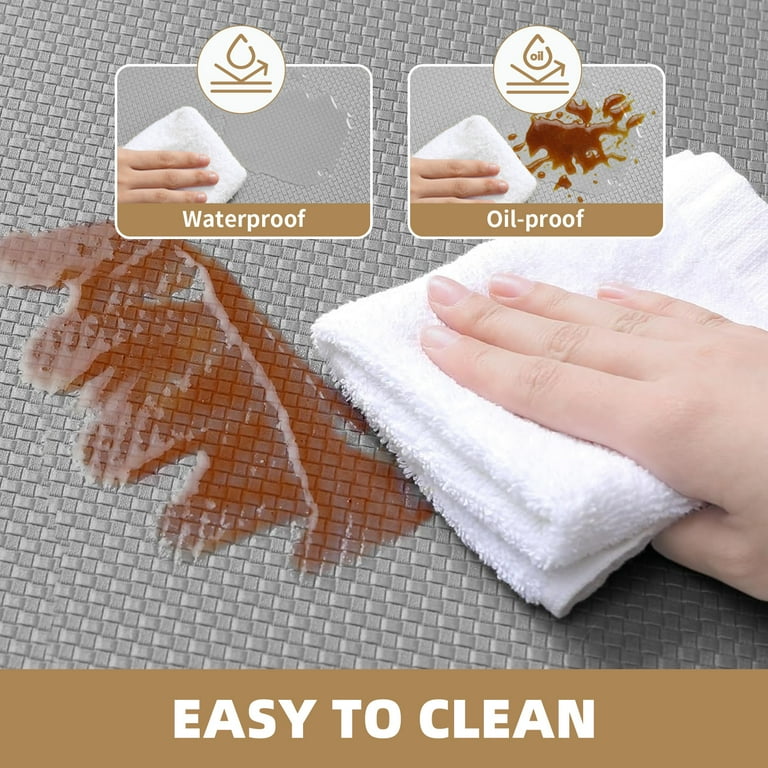
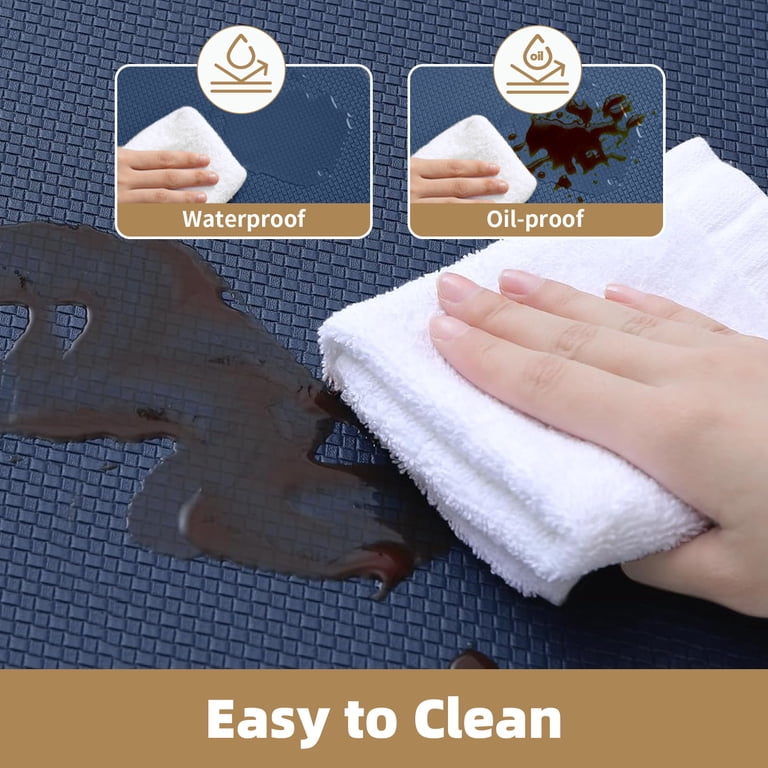
Treat stains on padded kitchen mats quickly by blotting with a damp cloth and mild soap. Avoid rubbing to prevent damage. For tougher spots, use a gentle cleaner and rinse with water.
Spot Cleaning Stains on padded kitchen mats can be simple. It's important to tackle stains early. Quick action prevents deep set-in. Different stains need different treatments. Here's how to handle common stains effectively.
Treating Common Stains
Food spills and grease are frequent. Use a mild dish soap for greasy stains. Dab a cloth in soapy water. Gently blot the stain. For beverage stains, cold water works best. Avoid hot water, it sets the stain. Rinse the area thoroughly.
Using Homemade Solutions
Homemade solutions are effective and cheap. For a vinegar solution, mix equal parts vinegar and water. This helps with coffee or tea stains. Baking soda can lift tough stains. Sprinkle it on the stain and let it sit. After 30 minutes, vacuum it up.
Blotting Vs. Scrubbing
Blotting is gentle on mats. It absorbs the stain without spreading. Use a clean, white cloth for blotting. Scrubbing can damage the mat's padding. It may spread the stain further. Always blot before attempting to scrub.
Deep Cleaning Padded Mats
Deep cleaning padded kitchen mats keeps them fresh and extends their life. Dirt and oils can sink deep into the padding. Regular cleaning removes buildup and prevents odors. Use gentle methods to protect the mat’s cushioning and fabric.
Hand Washing Techniques
Fill a basin with warm water and mild detergent. Soak the mat for 10 to 15 minutes. Use a soft brush to scrub stains gently. Focus on dirty spots without soaking the padding too much. Rinse with clean water until soap is gone. Press the mat with a towel to remove excess water.
Machine Washing Guidelines
Check the mat’s label for washing instructions. Use a gentle cycle with cold water. Add mild detergent without bleach or fabric softeners. Place the mat in a mesh laundry bag to protect it. Avoid washing with heavy or rough items. Run an extra rinse cycle to remove soap residue.
Drying Methods To Maintain Padding
Lay the mat flat on a clean surface to air dry. Avoid direct sunlight that can damage padding and colors. Flip the mat occasionally for even drying. Do not use a dryer, as heat can shrink or ruin the padding. Ensure the mat is fully dry before placing it back in the kitchen.
Maintaining Clean And Fresh Mats
Keeping padded kitchen mats clean and fresh improves your kitchen’s look and feel. Dirt and spills build up quickly in busy kitchens. Regular care stops stains and odors from settling deep into the mat. A clean mat also lasts longer and stays comfortable underfoot.
Simple habits and proper storage protect your mats from damage. Consistent cleaning and smart handling make a big difference.
Regular Cleaning Schedule
Set a routine to clean your kitchen mat often. Wipe it daily with a damp cloth to remove crumbs and spills. Vacuum or shake the mat weekly to get rid of dust and dirt. Deep clean the mat every month or as needed using mild soap and water. Avoid harsh chemicals to protect the padding and surface. Let the mat dry completely before placing it back on the floor.
Preventing Future Stains
Act fast to prevent stains from setting in. Blot spills immediately with a clean cloth. Avoid rubbing, which can push stains deeper. Use a gentle cleaner suitable for your mat’s material. Consider placing a clear protective cover over high-use areas. Encourage family members to clean their shoes or feet before stepping on the mat.
Storage Tips When Not In Use
Roll your padded kitchen mat instead of folding it to prevent creases. Store it in a dry, cool place away from direct sunlight. Avoid stacking heavy items on top, which can damage the padding. Clean the mat before storing to stop mold and odor buildup. Use a breathable bag or cover to keep dust off without trapping moisture.

Credit: www.amazon.ca
Frequently Asked Questions
How Often Should I Clean Padded Kitchen Mats?
Clean padded kitchen mats every 1-2 weeks to maintain hygiene. Frequent cleaning prevents dirt buildup and bacteria growth. Spot clean spills immediately to avoid stains. Regular care extends the mat's lifespan and keeps your kitchen safe and fresh.
Can I Machine Wash Padded Kitchen Mats?
Yes, most padded kitchen mats are machine washable. Use cold water and a gentle cycle to avoid damage. Avoid harsh detergents and bleach. Always check the care label for specific instructions before washing.
What Is The Best Cleaning Method For Padded Mats?
Vacuum or shake out loose dirt first. Use mild detergent and warm water for hand washing. Avoid soaking mats for long periods. Air dry mats flat to maintain their padding and shape.
How Do I Remove Stubborn Stains From Kitchen Mats?
Apply a mixture of baking soda and water on the stain. Let it sit for 10-15 minutes, then scrub gently with a soft brush. Rinse with clean water and air dry. Repeat if necessary for tough stains.
Conclusion
Cleaning padded kitchen mats keeps your kitchen fresh and safe. Regular washing removes dirt and germs easily. Use mild soap and warm water for best results. Let mats dry completely before placing them back. This prevents mold and bad smells from forming.
Taking small steps often keeps mats in good shape. Clean mats also protect your feet and reduce slips. Simple care helps your kitchen stay neat and healthy. Keep these tips in mind for easy mat cleaning. Your kitchen will thank you for it.