
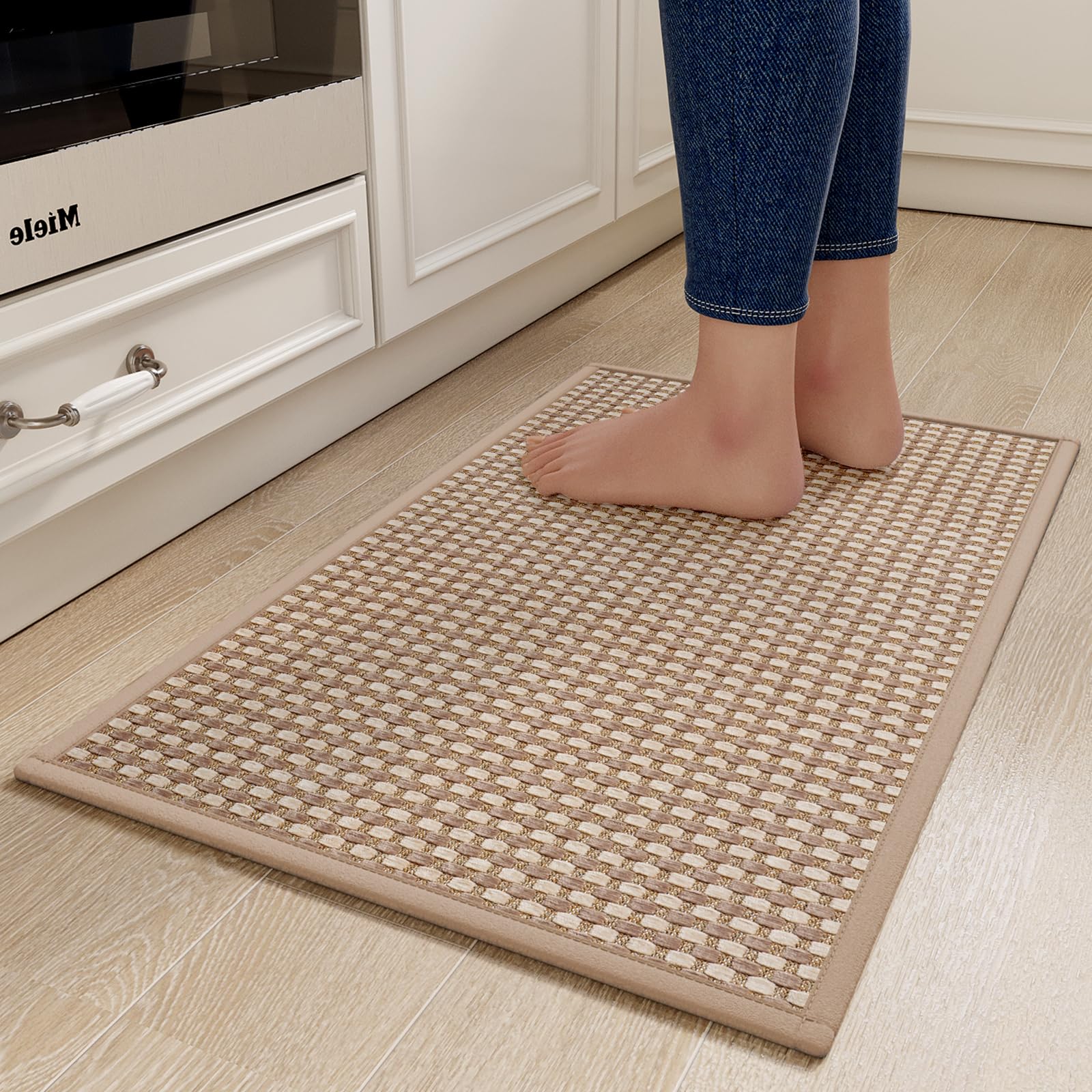
Your rubber kitchen floor mats work hard every day, catching spills, crumbs, and dirt. Over time, they can start to look dull and even smell unpleasant.
But cleaning them doesn’t have to be a hassle. Imagine stepping into your kitchen with mats that look fresh and feel clean under your feet. You’ll discover simple, effective ways to clean your rubber kitchen floor mats quickly. Keep reading to learn easy tips that will make your mats shine and keep your kitchen healthier.
Choose The Right Cleaning Supplies
Choosing the right cleaning supplies is essential for maintaining rubber kitchen floor mats. The wrong products can damage the rubber, causing cracks or fading. Gentle and effective supplies keep mats clean and extend their life.
Select Mild Detergents
Use mild detergents to clean rubber mats safely. Harsh chemicals can break down the rubber material. Look for soaps labeled as gentle or biodegradable. Avoid bleach or strong solvents. These can cause discoloration and weaken the mat’s surface.
A simple mix of warm water and a mild dish soap works well. This solution removes dirt and grease without harming the rubber. Mild detergents also rinse off easily, leaving no sticky residue behind.
Gather Soft Brushes And Cloths
Soft brushes and cloths prevent scratches during cleaning. Hard bristles can damage the rubber’s texture. Choose brushes with soft nylon bristles or microfiber cloths. These tools lift dirt without abrasion.
Use a soft cloth to wipe the mat after scrubbing. This helps remove loosened grime and soap residue. Microfiber cloths also absorb moisture quickly, aiding in faster drying.
Prepare The Mats For Cleaning
Getting your rubber kitchen floor mats ready for cleaning is crucial for a thorough job. Dirt and crumbs can hide in the grooves, making it harder to clean if you skip this step. Preparing the mats properly saves time and effort later on.
Remove Loose Dirt And Debris
Start by taking your mats outside or over a trash bin. Give them a good shake to dislodge loose dirt, crumbs, and other debris.
Pay attention to corners and edges where dirt tends to collect. If you notice stubborn bits stuck in the grooves, use a soft brush or an old toothbrush to gently sweep them away.
Shake And Vacuum Mats
After shaking, vacuum both sides of the mats thoroughly. Use a vacuum with a brush attachment to lift dirt without damaging the rubber surface.
This step helps remove dust and smaller particles that shaking might have missed. Have you ever skipped this part and found dirt spreading around after cleaning? It’s a simple trick that makes a big difference.
Hand Wash Rubber Mats
Rubber kitchen floor mats stay clean by rinsing with water and scrubbing gently using mild soap. Let mats air dry completely before placing them back on the floor. Regular hand washing prevents dirt buildup and keeps mats safe to use.
Cleaning rubber kitchen floor mats by hand is simple and effective. This method keeps your mats fresh and increases their lifespan. You don't need special tools or chemicals. Just follow these easy steps for sparkling clean mats.
Create A Cleaning Solution
Start with warm water in a bucket. Add a few drops of mild dish soap. Mix until bubbles form. This solution is gentle yet effective. It will remove grease and grime without harming the rubber.
Scrub Gently To Avoid Damage
Dip a soft brush into the soapy water. Scrub the mat gently in circular motions. Focus on areas with stains or dirt buildup. Rinse the mat with clean water. This will wash away soap and loosened dirt. Let the mat air dry completely before using it again. This prevents mold and keeps your mat fresh.
Use Machine Washing When Suitable
Machine washing can save you time and effort when cleaning rubber kitchen floor mats, but it’s important to know when it’s a good option. Not all rubber mats are designed to withstand the rigors of a washing machine. Using the machine appropriately ensures your mats get clean without damage.
Check Manufacturer’s Guidelines
Before tossing your rubber mat into the washing machine, always check the manufacturer’s instructions. Some mats come with specific care labels that tell you if machine washing is safe or if hand cleaning is better.
Ignoring these guidelines can cause the rubber to crack, warp, or lose its non-slip properties. If you’ve ever ruined a favorite mat by assuming it could handle a machine wash, you know how frustrating that can be.
When instructions are unclear, try contacting customer support or looking up the model online. This step helps you avoid costly mistakes and extends the life of your mat.
Set Proper Washing Cycle
If your mat is machine washable, select a gentle cycle with cold or lukewarm water. High heat or harsh cycles can degrade the rubber and shorten its lifespan.
Use mild detergent and avoid bleach or fabric softeners, which can damage the material. Adding towels or other soft items with the mat can help balance the load and reduce wear.
Have you noticed your mats losing grip or becoming brittle after washing? Adjusting the cycle and detergent might be the fix you need to keep them fresh and functional.
Rinse Thoroughly
Rinsing thoroughly is a crucial part of cleaning rubber kitchen floor mats. It removes dirt, soap, and grime left behind after scrubbing. Proper rinsing keeps the mats safe and extends their lifespan.
Skipping this step can leave slippery soap residue. This makes the floor dangerous and mats sticky. Follow simple rinsing tips to keep mats clean and safe.
Use Clean Water
Always rinse mats with fresh, clean water. Avoid using dirty or soapy water for rinsing. Clean water helps wash away all loosened dirt and cleaning agents.
Using a hose or a bucket of clean water works well. Make sure water flows evenly over the entire mat. This ensures every part is rinsed properly.
Ensure No Soap Residue Remains
Soap left on mats can cause slipperiness and attract more dirt. Rinse until water runs clear and bubbles disappear. Check the mat’s surface carefully for any slippery spots.
Repeat rinsing if needed to remove all soap traces. A clean, residue-free mat feels firm and safe underfoot.
Credit: www.greatmats.com
Dry Rubber Mats Effectively
Drying rubber kitchen floor mats properly is key to keeping them durable and fresh. If moisture lingers, it can cause unpleasant odors and even damage the mat over time. Let’s look at how you can dry your mats effectively to avoid these problems.
Air Dry In A Shaded Area
After washing your rubber mat, hang it or lay it flat in a well-ventilated, shaded area. This allows air to circulate around the mat, speeding up the drying process without risking damage. I once left a rubber mat drying indoors near an open window, and it dried evenly without any warping or discoloration.
Choose a spot where the mat won’t be stepped on or exposed to dirt. If your kitchen lacks space, a laundry room or garage with good airflow works well too. The key is to avoid stacking or folding the mat while it's still damp.
Avoid Direct Sunlight
Direct sunlight can cause rubber mats to crack or fade over time. It might seem faster to dry them in the sun, but this can reduce their lifespan significantly. Instead, keep your mats out of harsh sunlight even during the drying stage.
Think about how sunlight affects other rubber items you own—doesn’t exposure usually make them brittle? The same principle applies here. Protect your mats by drying them in shade to maintain their flexibility and color.
Maintain Cleanliness Regularly
Maintaining the cleanliness of your rubber kitchen floor mats regularly not only extends their lifespan but also keeps your kitchen safe and hygienic. Dirt and spills can quickly accumulate, making mats slippery and unpleasant. Staying on top of cleaning tasks helps you avoid tough stains and keeps the mats looking fresh.
Establish A Cleaning Schedule
Set a specific day each week to clean your rubber floor mats thoroughly. Consistency makes the task less overwhelming and ensures no buildup of grime. You might find it helpful to align this with your regular kitchen cleaning routine, so it becomes a seamless part of your chores.
Mark your calendar or set a reminder on your phone. Treat this schedule like an appointment you can’t miss. Over time, keeping to this plan will make cleaning feel effortless.
Spot Clean Spills Immediately
Spills happen fast, but so should your reaction. Wipe up any liquid or food mess as soon as you see it to prevent stains and sticky residue. It’s easier to clean a fresh spill than to scrub dried-on gunk later.
Keep a small cleaning kit near your kitchen entrance with a cloth and mild detergent. This way, you’re always ready to act quickly without searching for supplies. Have you noticed how tackling messes right away saves you time and stress?

Credit: www.amazon.com
Troubleshoot Common Issues
Rubber kitchen floor mats can face common problems like stubborn stains, unpleasant odors, and mold buildup over time. These issues not only affect the mat’s appearance but can also impact kitchen hygiene. Knowing how to troubleshoot these problems helps keep your mats clean and safe for daily use.
Remove Stubborn Stains
Stains on rubber mats can be tricky, especially from grease or food spills that soak in quickly. Start by sprinkling baking soda directly on the stained area. Then, scrub gently with a damp brush to lift the stain without damaging the mat’s surface.
If the stain persists, mix equal parts white vinegar and water in a spray bottle. Spray the solution on the stain and let it sit for 10 minutes before scrubbing again. This natural approach works well on most stains and avoids harsh chemicals that can degrade rubber.
Fix Odors And Mold
Have you noticed a musty smell or seen dark spots on your mat? These are signs of mold or trapped odors. To tackle this, soak the mat in a mixture of warm water and a cup of white vinegar for 30 minutes. Vinegar kills mold spores and neutralizes odors effectively.
After soaking, scrub the mat with a brush, rinse thoroughly, and hang it to dry in a well-ventilated area. Avoid leaving mats damp or folded, as this encourages mold growth. Regularly airing out your mats can prevent these problems before they start.
Credit: rugstars.co.uk
Frequently Asked Questions
How Often Should I Clean Rubber Kitchen Floor Mats?
Clean rubber kitchen mats weekly to prevent dirt buildup and maintain hygiene. Frequent cleaning extends their lifespan and keeps your kitchen safe.
What Is The Best Method To Clean Rubber Floor Mats?
Use warm water, mild soap, and a soft brush to scrub mats gently. Rinse thoroughly and air dry to avoid damage and odors.
Can I Use A Pressure Washer On Rubber Mats?
Yes, a pressure washer works well for deep cleaning rubber mats. Use a low-pressure setting to avoid tearing or damaging the rubber surface.
How Do I Remove Tough Stains From Rubber Kitchen Mats?
Apply a paste of baking soda and water on stains. Scrub gently with a soft brush, then rinse and air dry for best results.
Conclusion
Cleaning rubber kitchen floor mats keeps your kitchen safe and fresh. Regular washing stops dirt and germs from building up. Use mild soap and warm water for best results. Let mats dry completely before placing them back. Clean mats last longer and look better.
Small efforts make a big difference in kitchen hygiene. Easy steps, big benefits. Keep your mats clean and enjoy a healthier kitchen space every day.