
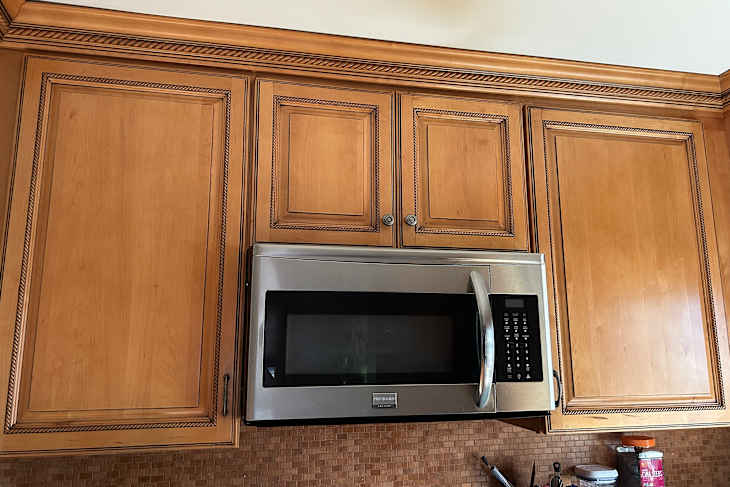
Your wood kitchen cabinets can lose their shine and start looking dull over time. But cleaning them doesn’t have to be a hassle or damage the wood.
What if you had a simple, effective way to bring back that warm, natural glow? That’s where Murphy’s Oil Soap comes in. You’ll discover exactly how to use this trusted cleaner to make your cabinets look fresh and beautiful again.
Keep reading, and you’ll learn easy steps that save you time and protect your wood, so your kitchen feels inviting every day.

Credit: currently.att.yahoo.com
Why Choose Murphy's Oil Soap
Choosing the right cleaner for your wood kitchen cabinets can make a huge difference in maintaining their beauty and longevity. Murphy's Oil Soap stands out as a trusted option that many homeowners swear by. But what makes it the go-to choice for cleaning wood surfaces?
Benefits For Wood Cabinets
Murphy's Oil Soap is specially formulated to clean wood without stripping away its natural oils. This means your cabinets retain their rich finish and don’t dry out over time.
You’ll notice that it removes dirt and grime effectively, yet leaves behind a subtle shine that highlights the wood’s natural grain. Unlike harsh cleaners, it won’t cause discoloration or damage.
Many users find that regular use of Murphy's Oil Soap helps prevent buildup, making future cleaning easier and faster. Have you ever tried a cleaner that actually makes your cabinets look better after every wash?
Safe And Gentle Ingredients
One of the biggest concerns when cleaning kitchen cabinets is the use of chemicals that can be harmful to your family or pets. Murphy’s Oil Soap contains ingredients that are both safe and gentle, making it a smart choice for busy households.
It’s free from harsh abrasives and strong solvents, which means you don’t have to worry about irritating your skin or breathing in toxic fumes while cleaning.
This soap’s gentle formula also means it’s less likely to cause allergic reactions or damage delicate finishes. Isn’t it reassuring to know your cleaning product cares for your home as much as you do?
Gathering Supplies
Before you dive into cleaning your wood kitchen cabinets with Murphy's Oil Soap, it's important to gather all the necessary supplies. Having everything ready will make the process smoother and more efficient. Plus, it helps you avoid interruptions that can slow down your momentum.
Murphy's Oil Soap
Murphy's Oil Soap is the star of this cleaning routine. It's specially formulated to clean wood surfaces gently without stripping away natural oils. You can find it in liquid form, which you’ll dilute with water according to the instructions on the bottle.
Using this soap ensures your cabinets get a deep clean while maintaining their rich finish. Have you noticed how some cleaners leave your wood feeling dry and brittle? Murphy's Oil Soap avoids that by nourishing the wood instead.
Cleaning Tools Needed
Gather a soft cloth or microfiber towel for wiping down the surfaces. Avoid abrasive scrubbers that can damage the wood finish. A soft-bristled brush can help you get into corners and crevices where dirt builds up.
You’ll also need a bucket or bowl to mix the soap with water. Make sure the water is warm, not hot, to avoid harming the wood. Having these tools ready keeps the cleaning process quick and effective.
Optional Protective Gear
While Murphy’s Oil Soap is gentle, wearing rubber gloves can protect your skin if you have sensitive hands. If you’re prone to allergies or have a dust sensitivity, consider using a mask to avoid inhaling dust particles loosened during cleaning.
Protective eyewear is optional but useful if you plan to scrub stubborn spots vigorously. Do you find yourself scrubbing too hard and worrying about splashes? These simple precautions can keep your cleaning comfortable and safe.
Preparing Your Cabinets
Clear away dust and dirt from your wood cabinets before cleaning. Use a soft cloth to avoid scratches and prepare for Murphy’s Oil Soap. Make sure cabinets are dry and free of grease for the best results.
Preparing your kitchen cabinets for a deep clean with Murphy's Oil Soap is essential to ensure a thorough and effective cleaning process. This preparation phase is not just about gathering your supplies; it's about setting the stage for a successful transformation of your kitchen space. Whether you're tackling years of grime or just doing a routine clean, the right preparation can make all the difference.
Clearing The Area
Begin by removing all items from your cabinets. This means dishes, glasses, and anything else stored inside. Clearing the area allows you to access every nook and cranny, ensuring no spot is left untouched. Place the items on a nearby table or counter. This gives you space to work and keeps your belongings safe from cleaning products. It's also a great opportunity to declutter and organize your kitchen essentials.
Dusting And Removing Loose Dirt
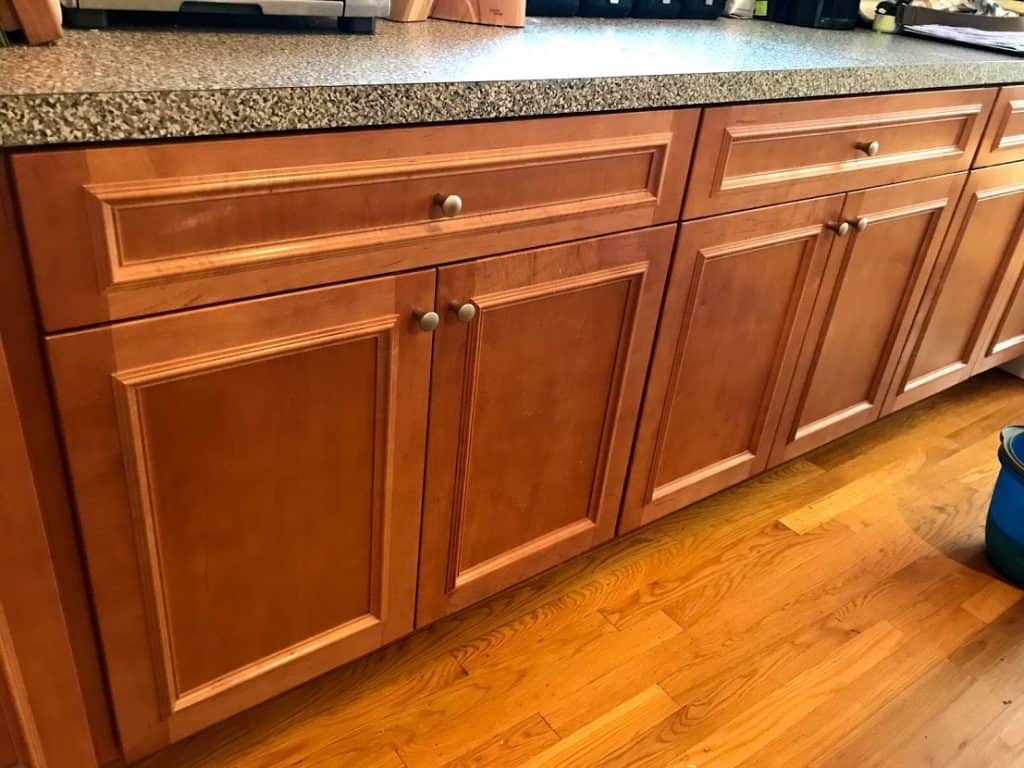
Once the cabinets are empty, start dusting the surfaces. Use a microfiber cloth or a soft brush to gently wipe away dust and loose dirt. This step is crucial as it prevents dirt from mixing with the cleaning solution, which could cause scratches. Pay special attention to corners and edges where dust tends to accumulate. You might be surprised at the difference a little dusting can make. This simple act not only sets the stage for a deeper clean but also gives you a sense of accomplishment as you see the immediate impact of your effort. Is there a particular spot in your cabinets that always seems to collect more dust? Identifying these areas can help you maintain them more effectively in the future.
Credit: everydayoldhouse.com
Mixing The Cleaning Solution
Mixing the cleaning solution correctly is key to protecting your wood kitchen cabinets while getting them spotless. Too strong a mix can damage the finish, and too weak won’t clean effectively. Finding the right balance ensures your cabinets stay beautiful and last longer.
Recommended Dilution Ratios
Murphy's Oil Soap is concentrated, so you need to dilute it with water before use. A common and effective ratio is:
- 1 tablespoon of Murphy's Oil Soap per 1 quart (4 cups) of warm water
This dilution is gentle enough to clean dirt and grease without stripping the wood's natural oils. For tougher grime, you can increase to 2 tablespoons per quart, but never exceed this to avoid damage.
Tips For Effective Mixing
Use a clean bucket or container for mixing to avoid contamination. Add the water first, then pour in the Murphy's Oil Soap slowly. Stir gently with a soft cloth or spoon to mix without creating too many suds.
Have you noticed how sometimes harsh scrubbing leaves streaks or dull spots? Proper mixing prevents that by ensuring the soap is evenly distributed and gentle. Also, always mix only the amount you’ll use immediately—Murphy’s solution doesn’t store well and can lose effectiveness.
Cleaning Process
Cleaning your wood kitchen cabinets with Murphy’s Oil Soap is straightforward and gentle on the wood’s finish. The process ensures your cabinets look refreshed without causing damage. Paying attention to each step helps you maintain the natural beauty of your cabinets for years to come.
Wiping Down Cabinets
Start by mixing Murphy’s Oil Soap with warm water according to the instructions on the bottle. Use a soft cloth or sponge dipped in the solution, wring it out well to avoid excess moisture, and gently wipe down the cabinet surfaces. This removes dust, grease, and everyday grime without stripping the wood’s finish.
Do you notice how quickly dirt lifts off with just a gentle wipe? It proves that a harsh scrub isn’t necessary to clean wood cabinets effectively.
Tackling Stubborn Spots
For tough stains or sticky spots, apply Murphy’s Oil Soap directly onto a damp cloth and rub the area gently in a circular motion. Avoid using abrasive pads or excessive force, which can scratch the wood surface. If needed, let the soap sit for a minute before wiping it away to loosen stubborn grime.
Have you ever struggled with greasy fingerprints on your cabinets? This targeted approach makes those spots disappear without harsh chemicals.
Rinsing And Drying
After cleaning, take a clean cloth dampened with plain water and wipe down the cabinets to remove any soap residue. It’s important not to leave soap on the wood, as it can cause build-up or dull the finish over time. Finally, dry the surfaces thoroughly with a soft towel to prevent water damage or streaks.
How often do you think about drying your cabinets after cleaning? This simple step preserves the wood’s integrity and keeps your kitchen looking polished.
Maintaining Cabinet Shine
Maintaining the shine of your wood kitchen cabinets is essential to keep them looking fresh and inviting. Murphy's Oil Soap is a gentle yet effective way to clean and nourish the wood, helping preserve its natural beauty. Regular care not only enhances the appearance but also extends the life of your cabinets.
Frequency Of Cleaning
How often you clean your cabinets depends on your kitchen's usage. For busy households, a light cleaning once a week helps prevent grime buildup. If your kitchen sees less action, every two weeks or monthly might be enough.
Using Murphy’s Oil Soap during these cleanings removes dirt without stripping the wood’s natural oils. Avoid over-cleaning, which can dry out the wood and dull the finish. Instead, focus on consistent, gentle care to keep that shine alive.
Additional Care Tips
Beyond regular cleaning, protect your cabinets with a few simple habits:
- Wipe spills immediately to prevent stains and water damage.
- Use a soft cloth or sponge with Murphy’s Oil Soap to avoid scratches.
- Avoid harsh chemicals and abrasive scrubbers that can damage the finish.
- Apply a wood conditioner or polish occasionally to boost shine and moisture.
Have you ever noticed how small habits, like wiping off grease after cooking, can make a big difference? Keeping up with these little tasks keeps your cabinets looking their best without extra work.
Common Mistakes To Avoid
Cleaning your wood kitchen cabinets with Murphy’s Oil Soap is a smart choice, but there are some common mistakes that can actually harm your cabinets instead of helping them. Avoiding these pitfalls will save you time, effort, and the frustration of dealing with damaged wood. Let’s look at two key mistakes to watch out for during your cleaning routine.
Over-saturating Wood
It’s tempting to pour a lot of Murphy’s Oil Soap on your cabinets, thinking more product means better cleaning. However, too much liquid can seep into the wood, causing swelling, warping, or discoloration.
Use just enough solution to dampen a soft cloth or sponge, not soak it. Wring out excess liquid before wiping your cabinets. This small step protects the wood’s finish and keeps your cabinets looking their best.
Using Harsh Tools
Scrubbing with rough brushes or abrasive pads may seem like a quick fix for tough grime. But these tools can scratch and damage the wood surface, stripping away the protective finish.
Stick to gentle cleaning tools like microfiber cloths or soft sponges. They clean effectively without harming your cabinets. Have you ever noticed tiny scratches after a rough scrub? That’s why choosing the right tool matters more than you think.

Credit: currently.att.yahoo.com
Frequently Asked Questions
How Do I Use Murphy's Oil Soap On Wood Cabinets?
Mix Murphy's Oil Soap with warm water as directed. Use a soft cloth or sponge to gently clean the cabinets. Wipe in the grain direction and avoid soaking the wood to prevent damage.
Is Murphy's Oil Soap Safe For All Wood Finishes?
Yes, Murphy's Oil Soap is safe for most wood finishes. It gently cleans without stripping the finish or causing discoloration. Always test on a small, hidden area before full application.
How Often Should I Clean Wood Cabinets With Murphy's Soap?
Clean your wood cabinets every 2-4 weeks to maintain their appearance. Frequent cleaning prevents buildup and keeps the wood looking fresh. Adjust frequency based on kitchen use and exposure to grease.
Can Murphy's Oil Soap Remove Grease From Kitchen Cabinets?
Yes, Murphy's Oil Soap effectively cuts through grease and grime. Its natural formula cleans without harsh chemicals, leaving cabinets clean and conditioned. For tough spots, let the solution sit briefly before wiping.
Conclusion
Cleaning wood kitchen cabinets with Murphy's Oil Soap is simple and safe. This soap gently removes dirt and grease without damaging the wood. Regular cleaning keeps your cabinets looking fresh and shiny. Just use a soft cloth and follow the steps carefully.
Avoid using too much water to protect the wood. With a little care, your cabinets will stay beautiful for years. Try this easy method to keep your kitchen neat and inviting. A clean kitchen feels good and adds value to your home.