
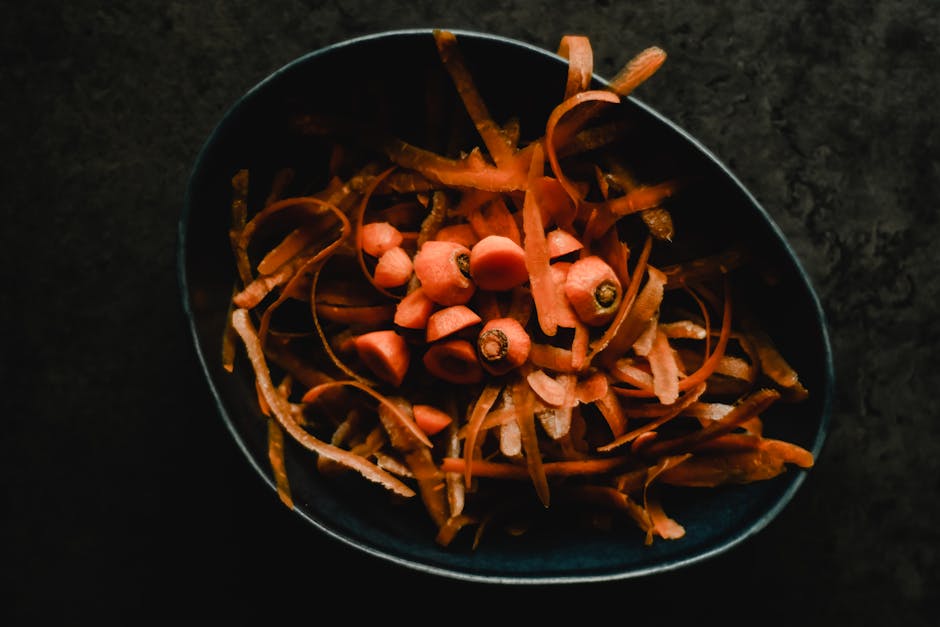
Are you worried that winter means the end of your composting efforts? You don’t have to stop turning your kitchen scraps into rich soil just because it’s cold outside.
Composting in winter is easier than you think, and it can save you money while helping the environment all year round. You’ll discover simple, practical tips to keep your compost active even when the temperature drops. By the end, you’ll feel confident turning your leftover food into garden gold—no matter the season.
Ready to learn how? Let’s dive in!

Credit: www.youtube.com
Benefits Of Winter Composting
Composting kitchen scraps in winter has unique benefits. It helps reduce waste during cold months. Composting keeps organic matter from landfills, lowering methane gas emissions. This process also creates rich soil that supports garden growth come spring.
Winter composting supports a healthy environment and saves money on fertilizers. It promotes natural recycling and reduces the need for chemical products. Even in cold weather, composting can continue with the right care.
Reduces Household Waste Year-round
Composting in winter means less trash in bins. Kitchen scraps do not pile up inside the house. This keeps the home cleaner and reduces odor. Waste stays out of landfills, helping community sanitation.
Improves Soil Quality For Spring Planting
Winter compost enriches soil with nutrients. It breaks down slowly, releasing food for plants. Healthy soil helps seeds grow strong and plants resist disease. Compost adds moisture and improves soil texture.
Supports Microbial Life During Cold Months
Compost piles shelter helpful microbes from freezing temperatures. These microbes break down scraps into valuable humus. They keep active under insulation like straw or leaves. This activity prepares compost for faster use in spring.
Saves Money On Garden Supplies
Using homemade compost reduces the need for store-bought fertilizers. It cuts costs for soil conditioners and plant food. Gardeners can grow plants naturally without extra chemicals. Compost also lowers water use by improving soil retention.
Encourages Sustainable Living Habits
Winter composting teaches eco-friendly routines. It shows how to reuse kitchen waste effectively. Practicing composting builds awareness of environmental impact. It motivates others to join green efforts in cold seasons.
Choosing The Right Compost Bin
Choosing the right compost bin is key to successful winter composting. The right bin keeps scraps warm and helps the breakdown process continue. It should protect your kitchen scraps from cold and pests. Also, it must allow air to flow to avoid bad smells.
A good compost bin makes it easier to manage scraps during cold months. It should be easy to use and fit your space. Think about how much waste you produce and choose a size that suits your needs.
Material Of The Compost Bin
Bins come in plastic, metal, and wood. Plastic bins are light and keep heat well. Metal bins are strong but can get cold fast. Wood bins look natural but may need more care. Choose a material that matches your climate and budget.
Size And Capacity
Small bins work well for apartments or small families. Larger bins suit big families or heavy compost users. The bin should hold enough scraps without being too big to manage. A medium size often balances space and capacity.
Insulation Features
Insulated bins keep compost warm in winter. Look for bins with double walls or foam insulation. These bins speed up decomposition by holding heat. You can also add extra insulation like straw around the bin.
Ventilation And Drainage
Airflow is vital to stop odors and keep microbes active. Bins with adjustable vents help control air inside. Drain holes remove extra moisture, preventing soggy compost. Balanced ventilation and drainage improve compost quality.
Ease Of Use And Maintenance
Choose a bin with easy access for adding scraps and turning compost. Bins with removable lids or doors simplify the process. Smooth surfaces prevent waste from sticking. Easy cleaning helps keep pests away.
Preparing Kitchen Scraps For Winter
Cold weather slows down composting, so chop kitchen scraps into small pieces for faster breakdown. Keep the pile insulated with dry leaves or straw to retain heat and moisture. Regularly turn the compost to help air flow and speed up the process.
Preparing your kitchen scraps for winter composting is crucial to ensure a successful composting process during the colder months. Winter can present challenges, but with a little preparation, your compost pile can thrive. Let's delve into how you can efficiently prepare your kitchen scraps for winter composting.
Understanding The Importance Of Preparation
In winter, the decomposition process slows down due to lower temperatures. You need to give your compost pile a head start by preparing your kitchen scraps properly. This ensures that the process doesn't come to a complete halt when the temperature drops.
Chop Scraps Into Smaller Pieces
Cutting your kitchen scraps into smaller pieces increases the surface area for microorganisms to work on. This simple step can significantly speed up decomposition. Plus, it’s a great way to involve kids in composting—let them help with the chopping!
Balance Your Browns And Greens
Remember the golden rule of composting: balance your browns and greens. Browns include dried leaves, straw, or shredded newspaper, while greens are your kitchen scraps. A good mix of these materials keeps your compost pile healthy and active, even in winter.
Store Scraps Efficiently
If the ground is frozen, you might need to store scraps until you can add them to the pile. Use a sealed container to avoid odors and pests. Consider a bucket with a tight-fitting lid or a dedicated compost bin.
Avoid Certain Scraps
Not all kitchen scraps are compost-friendly, especially in winter. Avoid meat, dairy, and oily foods as they attract pests and take longer to decompose. Stick to vegetable peels, fruit scraps, and coffee grounds for best results.
Layer For Success
When adding scraps to the compost pile, layer them with browns. This layering technique helps maintain airflow and prevents your pile from becoming a frozen mass. Think of it like building a lasagna—alternating layers for optimal results.
Keep Your Compost Insulated
To combat the cold, insulate your compost pile. Add a thick layer of straw or leaves on top. This acts like a warm blanket, helping to retain heat and keep the decomposition process going. So, are you ready to turn your kitchen waste into winter composting success? With these tips, your compost pile can be a thriving hub of activity, even in the coldest months. Happy composting!

Credit: www.andersonandgrant.com
Maintaining Heat In Cold Weather
Composting kitchen scraps in winter needs extra care to keep the pile warm. Cold air slows down the natural breakdown of organic waste. Without enough heat, composting stops or takes too long. Maintaining heat inside the compost bin is key for fast, healthy compost all winter long.
Insulating Your Compost Bin
Wrap the compost bin with straw or old blankets to trap heat. Place the bin in a sheltered spot, away from wind. Use thick materials like foam boards or hay bales around the bin. These layers keep the cold air out and warmth in. A well-insulated bin keeps microbes active, speeding up decomposition.
Adding Warm Materials
Mix warm kitchen scraps like cooked vegetables or coffee grounds into the pile. Add small amounts of garden waste that have been stored indoors. Use brown materials like dry leaves or shredded paper to balance moisture. Warm materials boost the pile’s temperature naturally. Stir the compost regularly to spread heat evenly inside.
Balancing Greens And Browns In Winter
Balancing greens and browns in your winter compost pile is key to keeping it active despite the cold. Kitchen scraps like vegetable peels provide the nitrogen-rich greens, but winter means fewer fresh yard waste materials to add as browns. Without enough carbon, your compost can become slimy and smelly, so finding the right mix during chilly months takes some creativity.
Understanding Greens And Browns
Greensare moist, nitrogen-rich materials such as fruit scraps, coffee grounds, and vegetable peelings. They help feed the microbes that break down the compost.
Brownsare dry, carbon-rich items like dried leaves, shredded newspaper, cardboard, and straw. Browns create air pockets and absorb excess moisture, which keeps the pile balanced.
Winter Challenges For Compost Balance
In winter, fallen leaves and garden waste dry up or are buried under snow, limiting your supply of browns. Meanwhile, kitchen scraps continue to add wet greens, making your pile soggy if you don’t add enough carbon.
Have you noticed your compost turning mushy or smelling bad during winter? This often means your greens outweigh the browns. Adjusting this ratio is crucial to keep decomposition healthy.
Easy Browns To Add During Winter
- Use shredded cardboard from packaging or cereal boxes—just tear it up into small pieces.
- Save dry paper towels and napkins (unprinted and chemical-free) as a carbon source.
- Collect sawdust or wood chips if you have access, but add sparingly to avoid compaction.
- Keep a stash of dried leaves from fall stored in a dry place for winter use.
These items are usually easy to find and store, making them perfect to maintain the brown side of your compost.
Tips For Keeping The Balance Right
- Layer your greens and browns evenly—start with a layer of browns, then add greens, and repeat.
- Mix the pile regularly to introduce air, which helps microbes thrive despite the cold.
- If your pile feels wet, add more browns immediately to soak up moisture.
- Consider using a compost bin with a lid to retain heat and protect materials from heavy snow or rain.
Have you tried mixing in shredded paper or dry leaves with your scraps? You might be surprised how much it helps keep your pile balanced and odor-free.
Turning And Aerating Compost In Cold Months
Turning and aerating your compost in winter plays a crucial role in keeping the decomposition process alive despite the cold. By regularly mixing your pile, you supply oxygen that microbes need to break down materials efficiently. This simple action can prevent your compost from freezing solid and help maintain its heat.
How Often Should You Turn Compost In Winter?
In colder months, turning compost less frequently than in summer is normal, but it’s still important. Aim to turn your pile every two to three weeks to keep air flowing and encourage microbial activity. If the pile feels frozen or overly wet, turning more often can help balance moisture and temperature.
Techniques For Effective Aeration
Use a pitchfork or compost aerator tool to gently lift and mix the compost layers. Avoid turning the pile too aggressively, as this can cool it down rapidly. Focus on fluffing the material to create air pockets, which helps microbes breathe and speeds up decomposition.
Signs Your Compost Needs More Oxygen
If your compost smells sour or looks slimy, it likely lacks oxygen. A dense, compact pile traps moisture and slows down breakdown. By turning the pile and adding dry materials like leaves or shredded paper, you restore balance and improve airflow.
Protecting Your Compost While Turning
Cold weather can chill your hands and slow you down, so wear warm gloves and dress in layers. Consider turning compost during the warmest part of the day to make the task easier. Covering the pile with a tarp after turning also helps retain heat and moisture.
Have you noticed how your compost behaves differently in winter? Paying attention to these small changes and adjusting your turning routine can keep your kitchen scraps turning into rich soil all year round.
Troubleshooting Common Winter Compost Issues
Composting in winter brings unique challenges. Cold weather can slow down the breakdown of kitchen scraps. Moisture and airflow may also cause problems. Understanding common issues helps keep your compost active and healthy.
Simple fixes can improve your compost’s performance during cold months. Watch for signs of trouble and act quickly. Proper care ensures your scraps turn into rich soil, even in winter.
Managing Slow Decomposition
Cold temperatures slow down the activity of microbes. This delay causes scraps to break down very slowly. To speed up the process, chop scraps into smaller pieces. Smaller bits warm up faster and decompose more easily.
Adding a layer of brown materials like dried leaves or shredded paper helps balance moisture and carbon. Keep the pile insulated with straw or a compost blanket to retain heat.
Preventing Excess Moisture
Winter rain and snow can make compost too wet. Wet compost smells bad and attracts pests. To avoid soggy conditions, cover your compost bin with a lid or tarp. Ensure the cover allows air to flow.
Mix the pile often to let air in and dry it out. Add dry materials if it feels too damp. Proper moisture keeps compost healthy and odor-free.
Improving Air Circulation
Airflow is vital for composting. Without enough air, the pile becomes compacted and smelly. Turn your compost regularly to introduce oxygen. Use a pitchfork or garden tool to fluff the pile.
Make holes in the bin walls for extra ventilation. Avoid packing scraps tightly. Loose layers keep air moving and support good decomposition.
Using Finished Compost After Winter
Using finished compost after winter boosts your garden's health. It enriches soil with nutrients and improves texture. Finished compost is dark, crumbly, and smells earthy. It helps plants grow strong and resist diseases.
Apply compost carefully for the best results. It supports soil life and retains moisture during dry spells. Spread it on flower beds, vegetable patches, or lawn edges. Compost can also be mixed into potting soil for indoor plants.
Preparing Your Garden Beds
Clear old leaves and debris from garden beds. Spread a 1-2 inch layer of compost evenly. Work it gently into the top few inches of soil. This refreshes soil and encourages root growth early in spring.
Feeding Houseplants And Containers
Mix compost with potting soil for potted plants. Use a ratio of one part compost to three parts soil. This adds nutrients and improves drainage. It helps houseplants grow healthier through the colder months.
Mulching With Compost
Use compost as a natural mulch around plants. Spread it in a thin layer to protect roots and retain moisture. Mulching reduces weeds and controls soil temperature. Replace mulch as it breaks down over time.
Compost Tea For Plant Health
Make compost tea by soaking compost in water for 24 hours. Strain the liquid and spray it on plant leaves or soil. This boosts plant immunity and adds nutrients quickly. Use fresh compost for the best effect.

Credit: www.teraganix.com
Frequently Asked Questions
How Can I Compost Kitchen Scraps During Winter?
To compost kitchen scraps in winter, use an indoor compost bin or insulated outdoor bin. Maintain moisture and turn the pile regularly to keep decomposition active despite cold temperatures.
What Kitchen Scraps Are Best For Winter Composting?
Vegetable peels, coffee grounds, eggshells, and fruit scraps are ideal. Avoid meat, dairy, and oily foods, as they attract pests and slow decomposition in cold weather.
How Do I Keep My Compost Warm In Winter?
Place your compost bin in a sunny spot and insulate it with straw or blankets. Adding fresh green scraps boosts heat and helps microbes stay active during cold months.
Can I Add Snow To My Winter Compost Pile?
Yes, small amounts of snow add moisture but avoid soaking the pile. Excess water can cool the compost and slow down microbial activity during winter.
Conclusion
Composting kitchen scraps in winter helps reduce waste and feed your garden. Keep your compost pile warm by adding dry leaves or straw. Turn the pile often to let air in and speed up decay. Small scraps break down faster, so chop them up well.
Protect your compost from frost with a cover or bin. With care, compost stays active even in cold months. This simple habit saves money and grows healthy plants. Start composting today and enjoy fresh soil all year round.