
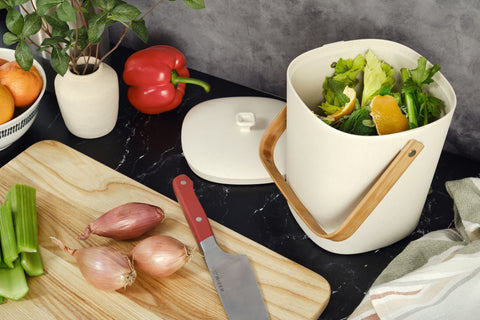
Do you want to turn your kitchen scraps into rich, natural fertilizer without stepping outside? Composting indoors is easier than you think, and it can transform your food waste into something valuable for your plants.
Imagine reducing your trash, saving money, and helping the environment—all from your own kitchen. Keep reading, and you’ll discover simple steps to start composting your kitchen scraps indoors today. Your plants, wallet, and planet will thank you.
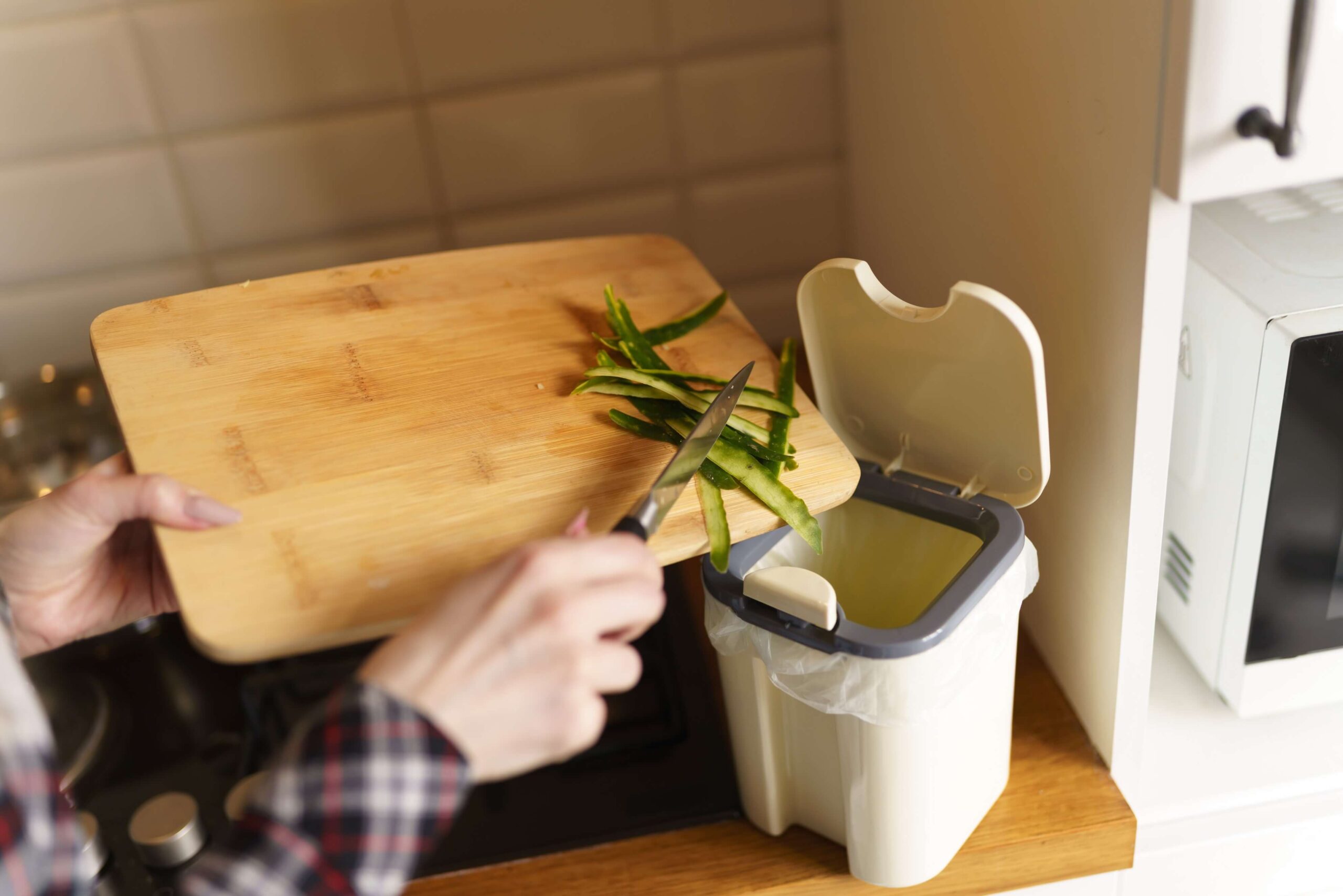
Credit: www.texasdisposal.com
Benefits Of Indoor Composting
Indoor composting offers a surprising number of benefits that can improve your home and garden. It’s a simple way to turn kitchen scraps into something valuable while staying eco-friendly. You might wonder how composting inside can make such a difference, but the results speak for themselves.
Reducing Food Waste
Every day, kitchens produce scraps that often end up in the trash. Composting indoors helps you keep those leftovers out of landfills where they create harmful gases. It’s easier than you think to start collecting peels, coffee grounds, and veggie scraps right in your kitchen.
Imagine cutting your food waste by half just by composting indoors. You’ll feel good knowing you’re making a real impact without needing a large backyard or special equipment.
Enriching Soil Naturally
Indoor compost creates rich, nutrient-packed soil that you can use for houseplants or garden pots. This natural fertilizer helps plants grow stronger and healthier without harmful chemicals. When I started adding homemade compost to my potted plants, I noticed they needed less watering and stayed vibrant longer.
Would you like to see your plants thrive without spending extra money on store-bought fertilizers? Compost gives you that option, right at your fingertips.
Saving Money On Fertilizers
Buying fertilizers can add up over time, especially if you care for many plants. Composting kitchen scraps indoors means you make your own fertilizer for free. This saves you money and reduces the number of plastic containers you bring into your home.
Think about the money you could save each year by turning food waste into nutrient-rich compost. It’s a small habit that adds up to big savings.
Choosing The Right Compost Bin
Choosing the right compost bin for indoor kitchen scraps is essential. Opt for a compact, odor-free model. Ensure it's easy to clean and fits your space. This helps in maintaining a clean and eco-friendly kitchen environment.
Choosing the right compost bin is key to successful indoor composting. The bin you select impacts the efficiency and convenience of your composting process. Here, we explore important factors to consider.
Size And Material Options
Select a bin that fits your available space. For small kitchens, a compact bin works best. Consider the amount of scraps you generate weekly. This determines the appropriate size for your needs. Materials matter too. Plastic bins are lightweight and affordable. Stainless steel bins offer durability and a modern look. Wooden bins provide a natural aesthetic but may require more maintenance.
Ventilation And Odor Control
Proper ventilation is crucial for a healthy composting environment. Look for bins with air holes or filters. These features ensure airflow, reducing odor and speeding up decomposition. Some bins come with charcoal filters. These help neutralize smells effectively. A well-ventilated bin makes indoor composting pleasant and practical.
Easy-to-clean Designs
A bin that's easy to clean saves time and effort. Choose bins with smooth, non-porous surfaces. This prevents residue build-up. Removable inner buckets simplify the cleaning process. Check if the bin parts are dishwasher safe. This adds convenience to your composting routine. An easy-to-clean bin keeps your composting experience stress-free.
Best Kitchen Scraps For Composting
Choosing the right kitchen scraps for indoor composting can make a big difference in how quickly and efficiently your compost breaks down. Some scraps work better than others because of their moisture content, texture, and nutrient balance. Knowing which items to add helps you avoid odors and pests while creating rich, healthy compost for your plants.
Vegetable And Fruit Peels
Vegetable and fruit peels are among the best scraps for indoor composting. They break down quickly and add valuable nutrients like nitrogen and potassium to your compost. You can toss in peels from carrots, potatoes, apples, and bananas without worry.
Try to chop larger peels into smaller pieces to speed up decomposition. Avoid citrus peels in large amounts because their acidity can slow down the process and deter beneficial microbes. Have you noticed how fast your banana peels disappear compared to tougher peels like citrus?
Coffee Grounds And Tea Bags
Coffee grounds are a fantastic addition to your indoor compost bin. They are rich in nitrogen and add texture that helps balance the compost’s moisture level. Used tea bags can also be composted, but check if they contain synthetic materials first.
Sprinkle coffee grounds evenly rather than dumping them all at once to avoid clumping and odor. You might find your plants grow better with compost mixed with coffee grounds—it’s a simple way to recycle your morning routine waste.
Eggshells And Bread
Eggshells add calcium to your compost, which supports healthy soil and plants. Crushing them before adding helps them break down faster and prevents sharp pieces. Bread scraps can be composted but in moderation, as they tend to attract pests and mold quickly.
If you have stale bread, tear it into small bits and mix it well with other scraps to avoid clumping. Have you ever wondered if your leftover bread could nourish your plants instead of just going to waste?

Credit: food52.com
Scraps To Avoid Indoors
Not all kitchen scraps are good for indoor composting. Some materials can cause bad smells or attract pests. Avoiding certain scraps keeps your compost healthy and clean. Knowing what to skip helps your indoor compost bin work better and stay fresh.
Meat And Dairy Products
Meat and dairy scraps can cause strong odors. They also attract flies and rodents. These items take longer to break down indoors. Avoid putting bones, cheese, milk, or cooked meat in your compost bin. They can spoil your compost and make it unsafe.
Oily Or Greasy Foods
Oily or greasy foods do not decompose well indoors. They create a slimy texture that slows composting. Oils can also cause bad smells and attract pests. Avoid cooking oils, salad dressings, and greasy leftovers. These scraps make compost bins messy and unpleasant.
Diseased Or Moldy Items
Diseased or moldy scraps can spread harmful bacteria. They may also harm beneficial compost microbes. Avoid adding fruits or vegetables with mold or rot. These items can disrupt the compost process. Always check scraps for signs of disease or mold before composting.
Step-by-step Indoor Composting Process
Indoor composting turns kitchen scraps into rich soil for plants. It helps reduce waste and supports gardening. The process is simple and requires little space. Follow these steps to start composting inside your home.
Preparing Your Scraps
Collect vegetable peels, fruit skins, coffee grounds, and eggshells. Avoid meat, dairy, and oily foods to prevent odors. Chop large scraps into small pieces to speed up breakdown. Store scraps in a container with a lid until ready to compost.
Layering Greens And Browns
Use green materials rich in nitrogen, like fruit scraps and coffee grounds. Add brown materials rich in carbon, like shredded paper or dry leaves. Alternate layers of greens and browns in your compost bin. This balance helps microbes break down the waste efficiently.
Maintaining Moisture And Aeration
Keep the compost damp like a wrung-out sponge, not soaking wet. Water lightly if it feels dry. Stir or turn the compost every few days to add air. Aeration helps microbes stay active and prevents bad smells.

Credit: thewoodlandstownshipblog-environment.com
Troubleshooting Common Issues
Indoor composting is simple but can bring some challenges. Common issues like smells, fruit flies, and slow breakdown can happen. Knowing how to fix these problems keeps your compost healthy and your kitchen fresh.
Controlling Odors
Bad smells usually mean too much moisture or food scraps that are not balanced. Add dry materials like shredded paper or dry leaves to fix this. Stir your compost regularly to add air. Avoid putting meat, dairy, or oily foods inside. Use a container with a lid and good ventilation.
Preventing Fruit Flies
Fruit flies come from exposed food scraps. Cover your scraps with a layer of dry material after adding them. Use a tight lid on your compost bin. Clean the area around the bin often. Keep the compost bin in a cool place. You can also place a small dish of apple cider vinegar nearby to trap flies.
Managing Slow Decomposition
Slow composting means the process is not balanced. Check the mix of green and brown materials. Green items are food scraps and fresh plants. Brown items are dry leaves, paper, or cardboard. Chop scraps into small pieces for faster breakdown. Stir your compost to help air reach all parts. Keep the compost moist, like a damp sponge, but not wet.
Harvesting And Using Compost
Harvesting and using compost is a rewarding part of indoor composting. It turns kitchen scraps into rich soil that feeds your plants. Knowing when and how to collect compost helps your plants grow healthy and strong. Proper use and storage keep the compost fresh and ready to use.
Identifying Finished Compost
Finished compost looks dark brown and crumbly. It smells earthy, not sour or rotten. You won’t see food scraps or large bits inside. The texture should feel soft and loose. Small pieces of eggshell or twigs may remain but are harmless. This means the compost is ready to use.
Applying To Indoor Plants
Mix compost with potting soil to add nutrients. Use one part compost to two parts soil for best results. Spread a thin layer on top of the soil around your plants. Gently work it into the soil surface. Compost improves water retention and helps roots grow. Avoid overusing compost to prevent soil imbalance.
Storing Excess Compost
Store extra compost in an airtight container to keep moisture in. Keep it in a cool, dry place away from direct sunlight. Use a breathable bag if you plan to use it soon. Label the container with the date of harvest. Check stored compost regularly for moisture and smell. Add water if it feels dry or crumbly.
Additional Tips For Success
Success in indoor composting depends on a few smart habits. These tips help speed up the process and keep your compost healthy. Follow these steps to get rich soil faster and avoid common problems.
Regular Turning And Mixing
Turning your compost keeps air flowing inside. Air helps bacteria break down scraps faster. Stir the compost every few days. Use a small tool or your hands with gloves. Mixing also stops bad smells and prevents mold.
Temperature Monitoring
Compost works best at warm temperatures. Keep your bin between 100°F and 140°F (38°C to 60°C). Use a compost thermometer to check heat levels. If it gets too cold, add fresh scraps or move the bin to a warmer spot. Too hot? Turn it more often to cool down.
Using Compost Accelerators
Compost accelerators speed up decay by adding helpful microbes. You can buy these in stores or use natural options. Coffee grounds, crushed eggshells, and garden soil work well. Sprinkle them evenly over your scraps. This boosts bacteria and helps your compost break down faster.
Frequently Asked Questions
What Kitchen Scraps Can I Compost Indoors?
You can compost fruit peels, vegetable scraps, coffee grounds, eggshells, and bread. Avoid meat, dairy, and oily foods as they cause odors and pests indoors.
How Do I Start An Indoor Compost Bin?
Choose a small, ventilated container with a lid. Layer green scraps with brown materials like shredded paper. Turn the compost regularly to aerate and speed decomposition.
How To Control Odor In Indoor Compost?
Prevent odor by balancing green and brown materials. Avoid adding meat or dairy. Turn compost often and keep it slightly moist but not wet.
How Long Does Indoor Composting Take?
Indoor composting usually takes 4 to 8 weeks. Turning the compost regularly speeds up the process. Temperature and material type also affect decomposition time.
Conclusion
Composting kitchen scraps indoors helps reduce waste daily. It creates rich soil for your plants easily. Keep your compost bin in a warm, dry spot. Turn the scraps often to speed up decay. Avoid adding meat, dairy, or oily foods.
Small changes in your kitchen can make a big impact. Start with simple steps and watch your compost grow. This practice saves money and helps the environment too. Try composting today and enjoy fresh, healthy soil at home.