
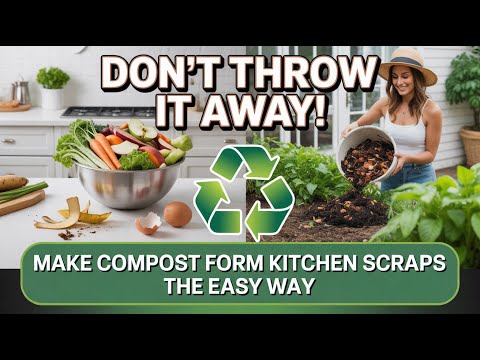
Do you want to turn your kitchen scraps into something valuable instead of tossing them in the trash? Composting is an easy way to reduce waste and create nutrient-rich soil for your plants.
Imagine transforming peels, coffee grounds, and leftover veggies into black gold that helps your garden thrive. In this guide, you’ll learn simple steps to start composting right in your kitchen or backyard. Keep reading to discover how small changes in your daily routine can make a big impact on the environment—and your garden.

Credit: www.youtube.com
Benefits Of Composting Kitchen Scraps
Composting kitchen scraps offers many benefits for your home and the environment. It turns waste into a resource that helps plants grow. It also lowers the amount of trash sent to landfills. Composting is easy and brings positive changes to your daily life.
Reducing Household Waste
Composting cuts down the waste you throw away. Food scraps like vegetable peels and coffee grounds stay out of the trash. This means less garbage in bins and fewer trips to the dump. It helps keep your home cleaner and reduces pollution from waste trucks.
Enriching Soil Naturally
Compost adds valuable nutrients to your soil. It improves soil texture and water retention. Plants grow healthier and stronger with compost. It replaces the need for chemical fertilizers, which can harm the earth. Your garden will thrive with natural nourishment.
Supporting Sustainable Living
Composting supports a lifestyle that cares for the planet. It lowers greenhouse gas emissions by reducing landfill waste. It encourages recycling of organic materials. Composting helps create a cycle of reuse and growth. This small act contributes to a cleaner, greener world.
Choosing The Right Composting Method
Choosing the right composting method depends on your space, lifestyle, and composting goals. Different methods suit different needs and environments. Some work well indoors, while others need outdoor space. Picking the best option helps you compost kitchen scraps easily and efficiently.
Indoor Composting Options
Indoor composting is ideal for small spaces or apartment living. It lets you recycle food waste without going outside. Common indoor methods include vermicomposting and bokashi. Vermicomposting uses worms to break down scraps fast. Bokashi is a fermentation process that handles all kitchen waste, even meat and dairy.
Indoor composting keeps smells low and controls pests. You can place bins under the sink or on a balcony. These methods work year-round and require little effort.
Outdoor Composting Systems
Outdoor composting suits homes with gardens or yards. This method uses piles or bins exposed to air and sunlight. Outdoor composting breaks down scraps faster because of natural heat and microbes. It needs space and some maintenance like turning the pile.
Choose a dry, shaded spot for your compost pile. Mix green (kitchen scraps) and brown (leaves, paper) materials. Outdoor composting can handle larger amounts of waste and produces rich soil for plants.
Using Compost Bins And Tumblers
Compost bins and tumblers make composting easier and cleaner. Bins are stationary containers that hold organic waste. Tumblers are rotating drums that speed up decomposition. Both keep pests away and reduce odor.
- Bins need manual turning to mix contents.
- Tumblers require less effort and aerate automatically.
- Both work well for kitchen scraps and yard waste.
Choose bins or tumblers based on your space and how much effort you want to spend. They fit indoors or outdoors, depending on size and design.
What Kitchen Scraps To Compost
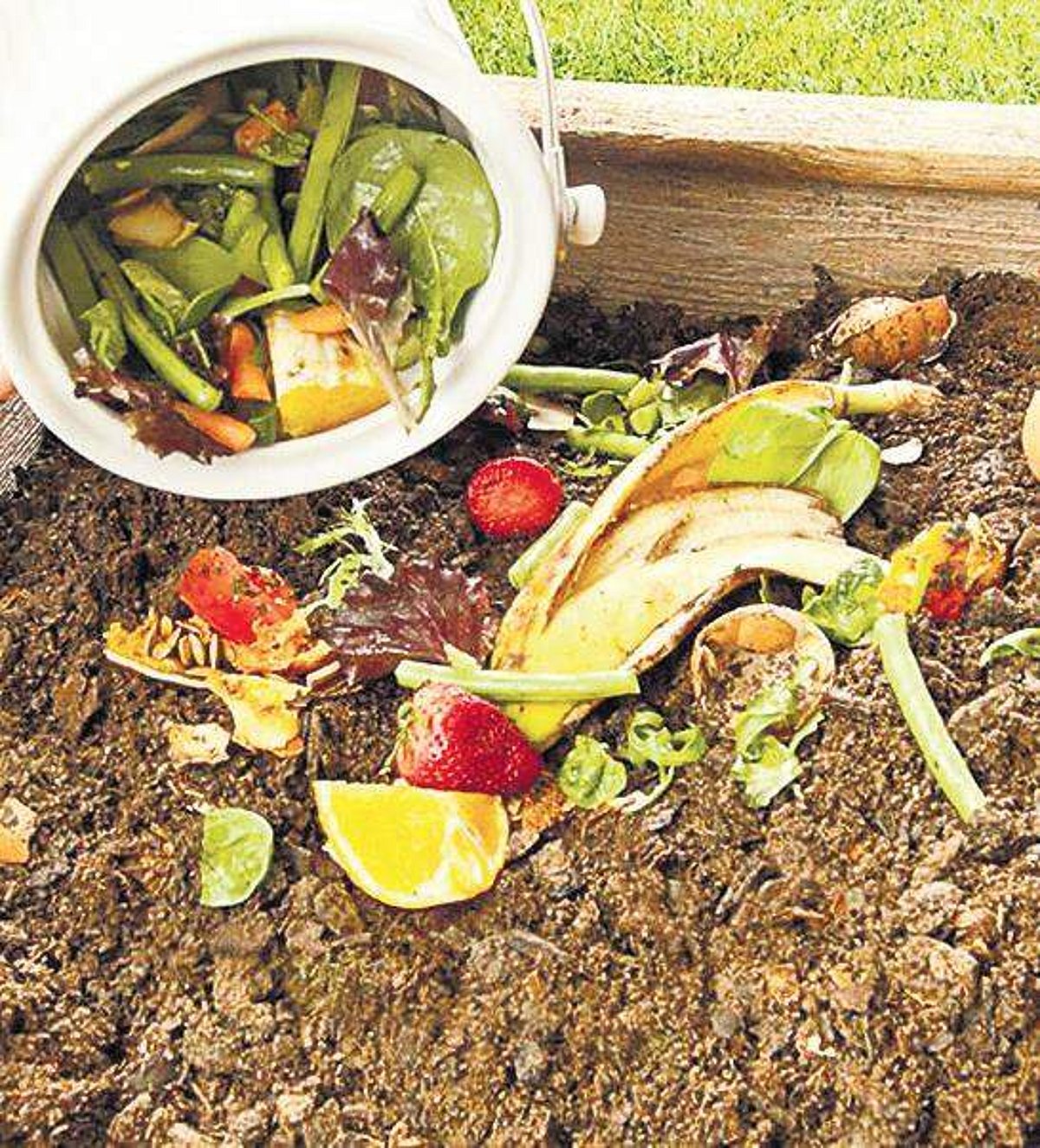
Vegetable peels, fruit scraps, coffee grounds, and eggshells make great kitchen compost materials. Avoid meat, dairy, and oily foods to keep compost healthy and odor-free.
Composting kitchen scraps is a sustainable way to reduce waste and create nutrient-rich soil for your garden. However, knowing what kitchen scraps to compost is crucial for the success of your compost pile. Not all kitchen waste is created equal, and adding the wrong items can slow down the process or even attract pests. Let's dive into some specific kitchen scraps you can compost and a few you should avoid.
Vegetable And Fruit Peels
Vegetable and fruit peels are excellent additions to your compost pile. They break down quickly and add essential nutrients like potassium and phosphorus to your compost. Next time you peel carrots, potatoes, or apples, remember that these peels have a second life beyond your kitchen. Even banana peels, which many people might toss without a thought, contribute a great deal. They decompose relatively fast, especially when chopped into smaller pieces. Consider how much less trash you'd have if you composted these regularly.
Coffee Grounds And Tea Bags
Coffee grounds are a favorite among composters. They not only add nitrogen to the compost but also improve the overall structure of the pile. If you start your day with a cup of coffee, you're already halfway there. Used tea bags can also join the compost party. Just ensure that the bags are made of biodegradable materials. It's a small step that can make a big difference in reducing waste.
Avoiding Harmful Items
While many kitchen scraps are compostable, certain items should be avoided. Meat, dairy, and oily foods can attract unwanted pests and create odors. They also take much longer to decompose, potentially disrupting the balance of your compost pile. Citrus peels, although biodegradable, can be tough on the microorganisms that aid decomposition. In small quantities, they are okay, but moderation is key. Do you really want to risk slowing down your compost's efficiency with items that won't break down quickly? By focusing on the right kitchen scraps and steering clear of harmful items, you can create a thriving compost system. So, what will you add to your compost pile today?

Credit: www.youtube.com
Preparing Scraps For Composting
Preparing kitchen scraps properly helps speed up composting. It also reduces bad smells and pests. The process involves chopping scraps, balancing materials, and keeping moisture right. This makes compost healthy and rich.
Chopping And Layering
Chop scraps into small pieces. Smaller bits break down faster in compost. Layer chopped scraps with dry materials like leaves or paper. Layering helps air flow inside the compost pile. It stops it from becoming too wet or smelly.
Balancing Greens And Browns
Greens are wet, nitrogen-rich scraps like fruit and vegetable peels. Browns are dry, carbon-rich materials like paper and dry leaves. A good compost mix needs both. Use about two parts browns for every one part greens. This balance helps microbes work well and speeds decomposition.
Maintaining Moisture Levels
Compost should feel like a damp sponge. Too dry, and microbes slow down. Too wet, and it smells bad. Add water if dry. Add dry browns if too wet. Check moisture often to keep compost healthy and active.
Maintaining Your Compost Pile
Maintaining your compost pile is essential to turn kitchen scraps into rich, nutritious soil. It’s not just about piling up waste; it requires regular attention and care. Proper maintenance speeds up decomposition and keeps unwanted pests away.
Turning And Aerating
Turning your compost pile introduces oxygen, which is vital for the microbes breaking down the scraps. Use a garden fork or compost aerator to mix the materials every few days. Have you noticed how a neglected pile starts to smell? That’s often due to lack of air.
By regularly turning, you keep the pile fluffy and improve airflow, preventing it from becoming compacted. This simple action can reduce bad odors and speed up the composting process dramatically.
Monitoring Temperature
Temperature tells you how active your compost pile is. A healthy pile heats up to between 130°F and 160°F (54°C to 71°C), which kills most weed seeds and pathogens. Use a compost thermometer to check the heat regularly.
If your pile isn’t warming up, it might be too dry or missing nitrogen-rich materials like vegetable scraps. Too hot? Turn it more often or add water to cool it down. How often do you check your compost’s temperature?
Troubleshooting Common Issues
Sometimes your compost pile can get smelly, attract pests, or become soggy. These problems often mean the balance between greens (wet, nitrogen-rich scraps) and browns (dry, carbon-rich materials) is off.
- Smelly pile:Add more dry materials like shredded paper or dry leaves and turn the pile.
- Pests:Avoid adding meat, dairy, or oily foods. Cover food scraps with browns each time you add them.
- Soggy pile:Mix in dry materials and aerate to absorb excess moisture.
Have you encountered any of these issues? Tackling them quickly keeps your compost healthy and efficient.
Credit: www.newindianexpress.com
Harvesting And Using Compost
Harvesting and using compost is the final step in turning kitchen scraps into rich soil. This process gives your plants vital nutrients and improves garden health. Knowing when compost is ready and how to use it properly helps you get the best results.
Recognizing Finished Compost
Finished compost looks dark brown or black, like rich soil. It feels crumbly and moist, not wet or dry. You should not see food scraps or large pieces of material. It smells earthy, not sour or rotten. If your compost has these qualities, it is ready to use.
Applying Compost In Your Garden
Spread a thin layer of compost on garden beds. Work it gently into the top few inches of soil. Compost adds nutrients and improves soil structure. Use it around vegetables, flowers, and trees. Compost helps plants grow stronger and resist pests. You can also mix compost with potting soil for container plants.
Storing Compost For Future Use
Keep extra compost in a dry, covered spot. Use a bin or a tarp to protect it from rain. Store compost in small piles or containers. Avoid letting it get too wet or dry. Good storage keeps compost healthy and ready for your garden later.
Tips For Composting Success
Composting kitchen scraps can be simple and rewarding with the right approach. Success depends on managing the process carefully. Small habits make a big difference. The following tips help keep your compost healthy and effective.
Avoiding Pests And Odors
Keep pests away by burying food scraps under a layer of brown materials. Use dry leaves, shredded paper, or cardboard as a cover. Avoid adding meat, dairy, or oily foods, which attract animals and cause bad smells. Turn the compost regularly to allow air inside. Proper airflow stops odors and helps materials break down faster.
Composting In Small Spaces
Use a compact bin or a worm composting system for limited areas. Choose containers with lids to control moisture and keep pests out. Place the bin in a warm spot, like near a sunny window or on a balcony. Chop scraps into small pieces before adding. Smaller bits decompose quicker and fit better in tight spaces.
Encouraging Family Participation
Make composting a family activity to spread the effort and fun. Set up a small kitchen container for scraps everyone can use. Teach kids what can and cannot go into the compost. Celebrate progress by showing how scraps turn into rich soil. Involve everyone in turning the compost or using the finished soil in the garden.
Frequently Asked Questions
What Kitchen Scraps Can I Compost Safely?
You can compost fruit and vegetable peels, coffee grounds, eggshells, and tea bags. Avoid meat, dairy, and oily foods to prevent odors and pests.
How Do I Start Composting Kitchen Scraps At Home?
Collect scraps in a compost bin. Add brown materials like leaves or paper. Turn regularly to aerate and speed decomposition.
How Long Does It Take To Compost Kitchen Waste?
Composting kitchen scraps takes about 2 to 6 months. Time varies by temperature, moisture, and how often you turn the pile.
Can I Compost Citrus Peels And Onions?
Yes, compost citrus peels and onions in moderation. Too much acidity can slow composting, so balance with neutral brown materials.
Conclusion
Composting kitchen scraps helps reduce waste and feed your garden. It saves money on fertilizers and keeps food scraps out of landfills. Start small with simple steps and watch your scraps turn to rich soil. Patience and regular care bring the best results.
Everyone can make a difference by composting at home. Give it a try and enjoy healthier plants and less trash. Simple actions add up to big changes for the planet.