

Are you craving a delicious, quick meal that bursts with flavor? Learning how to cook Thai Kitchen stir fry rice noodles is easier than you think.
Imagine creating that perfect balance of savory, sweet, and spicy right in your own kitchen. Whether you’re a beginner or just looking to sharpen your skills, this guide will show you step-by-step how to make stir fry rice noodles that taste just like your favorite Thai restaurant dish.
Ready to impress your taste buds and anyone you share your meal with? Let’s get started!
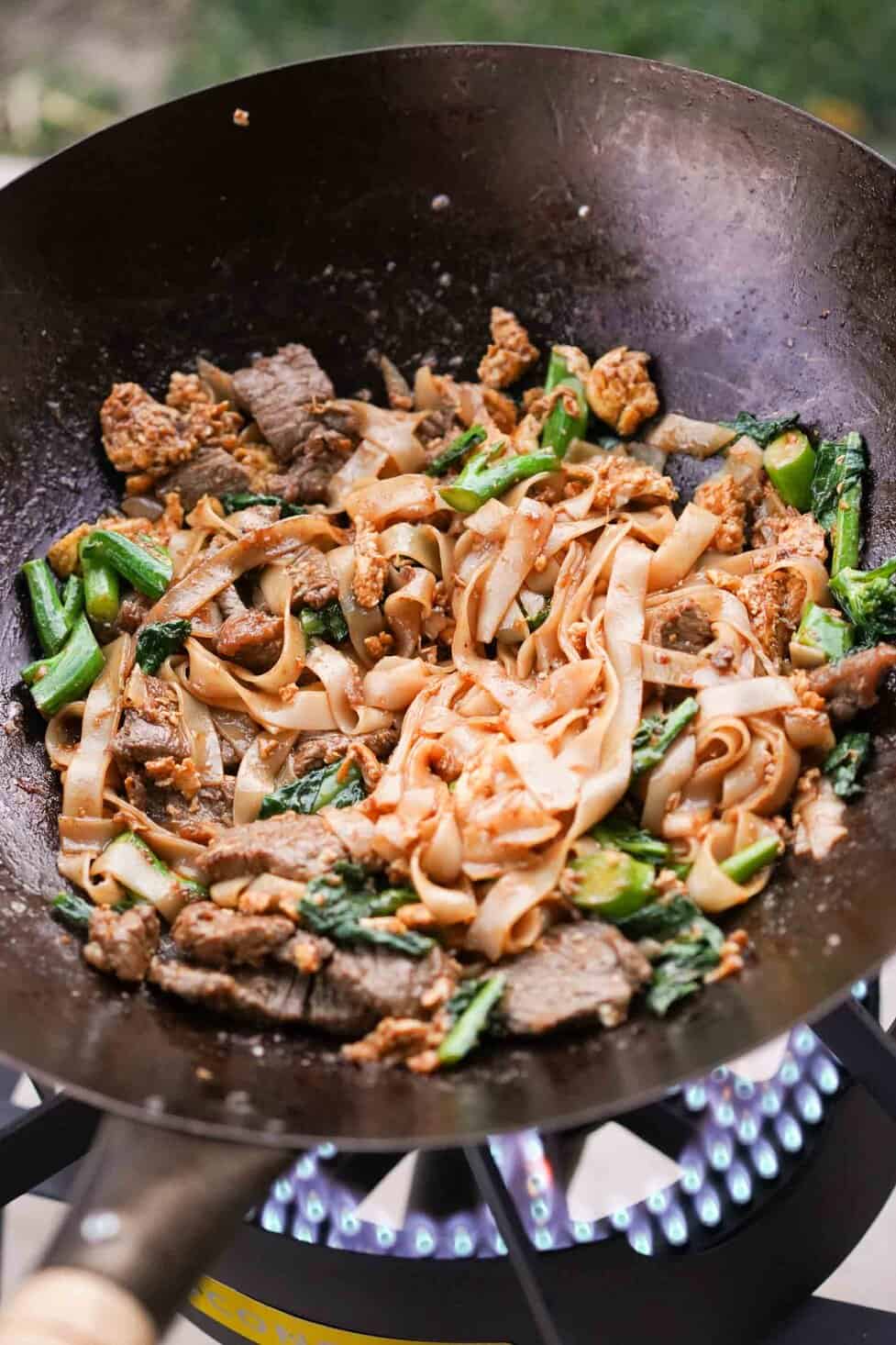
Credit: www.hungryhuy.com
Ingredients Needed
Choosing the right ingredients is the first step toward making a delicious Thai kitchen stir fry rice noodles dish. Each component plays a crucial role in building layers of flavor and texture. Understanding what to pick helps you cook confidently and enjoy every bite.
Rice Noodles Selection
The type of rice noodles you use can change the dish entirely. Thin rice vermicelli cooks quickly and soaks up sauces well, perfect for lighter stir fries. Wider flat noodles add more chewiness and hold up better to hearty ingredients.
Look for noodles labeled “sen lek” or “sen yai” in Asian grocery stores. If fresh noodles aren’t available, dried rice noodles work fine, but soak them properly before cooking. Have you tried swapping noodle types to see how texture influences your dish?
Essential Sauces And Spices
Sauces bring authentic Thai flavor straight to your pan. Fish sauce adds salty umami, while soy sauce offers a mild depth. Tamarind paste or lime juice gives the tangy brightness that cuts through richness.
- Fish sauce
- Light soy sauce
- Oyster sauce
- Tamarind paste or lime juice
- Chili flakes or fresh chili for heat
- Garlic and shallots for aroma
Balancing these sauces is key. Do you prefer your stir fry tangier or more savory? Adjust these ingredients to fit your taste buds perfectly.
Protein And Vegetables
Adding protein and vegetables makes your stir fry more satisfying and colorful. Chicken, shrimp, or tofu are great protein choices that absorb the sauce nicely. Vegetables like bean sprouts, bell peppers, and green onions add crunch and freshness.
Don’t be afraid to experiment with what’s in your fridge. I once used leftover broccoli and carrots, and it turned out fantastic. What veggies do you enjoy in your stir fry?
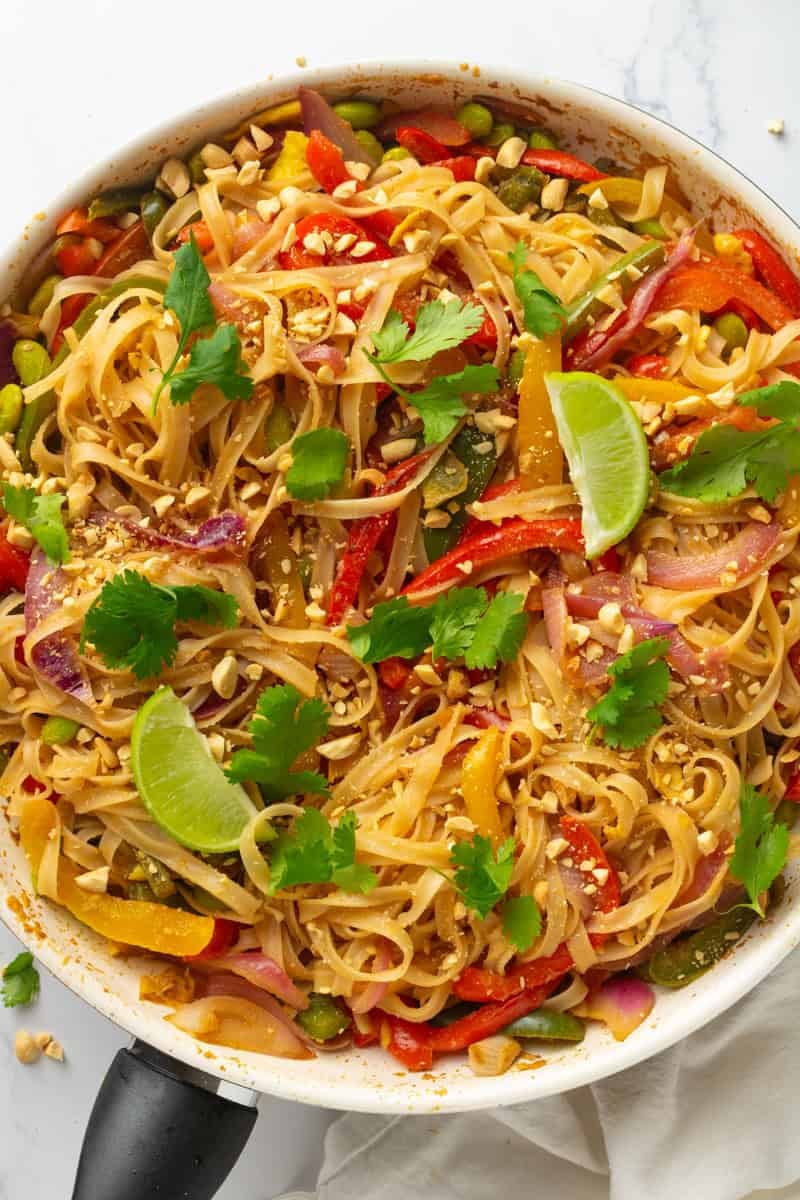
Credit: pinchmegood.com
Preparing The Noodles
Preparing the noodles properly is the key to a perfect Thai Kitchen stir fry. The texture of the noodles affects the whole dish. Soft but firm noodles absorb flavors better and mix well with other ingredients. Take time to prepare them right before cooking.
Soaking Vs Boiling
Rice noodles come dry and need softening. Two common ways exist: soaking or boiling. Soaking uses room temperature or warm water to soften noodles gently. It keeps noodles tender and prevents overcooking later.
Boiling cooks noodles quickly but risks making them mushy. Timing is crucial to avoid soggy noodles. Usually, boiling lasts from 1 to 3 minutes depending on noodle thickness.
Soaking is best for stir fry. It saves noodles from overcooking during frying. Boiling suits recipes needing fully cooked noodles immediately.
Avoiding Sticky Noodles
Sticky noodles ruin the stir fry texture. To prevent clumps, rinse soaked or boiled noodles with cold water. This removes extra starch on the surface.
Drain noodles well. Let them rest on a tray or paper towel to dry slightly.
- Toss noodles lightly with a small amount of oil before cooking.
- Use a wide pan or wok to spread noodles evenly while stir frying.
- Cook on high heat to keep noodles separate and smooth.
Cooking Techniques
Stir frying Thai rice noodles requires high heat and quick cooking to keep noodles soft and flavorful. Toss ingredients fast in a hot pan to blend sauces and spices evenly. Fresh vegetables and proteins cook quickly, preserving their texture and taste.
Cooking Thai stir fry rice noodles can be a delightful culinary journey. The right techniques ensure delicious results every time. Focusing on technique elevates your dish, making it flavorful and authentic. Let's explore essential methods to cook these noodles perfectly.
Choosing The Right Pan
A good pan makes a big difference. A wok is ideal for stir fry. Its curved shape ensures even cooking. If you don't have a wok, a large skillet works too. Ensure it's non-stick to prevent noodles from sticking. A wide pan allows for better tossing and mixing.
Heat Control Tips
Heat control is crucial in stir fry cooking. Start with high heat to quickly sear ingredients. This locks in flavors and gives a nice texture. Once you add noodles, lower the heat slightly. This prevents burning and ensures even cooking. Keep stirring to distribute heat evenly.

Credit: www.hungryhuy.com
Step-by-step Stir Fry Process
Cooking Thai kitchen stir fry rice noodles is a simple process. It involves quick cooking at high heat. This keeps the noodles tender and full of flavor. The key is to work fast and keep ingredients ready. Follow these steps for a tasty dish.
Sautéing Aromatics
Start by heating oil in a wok or large pan. Add chopped garlic and shallots. Stir constantly to avoid burning. Cook until fragrant and slightly golden. This step releases strong, tasty aromas. It creates the flavor base for the dish.
Adding Protein And Veggies
Add your choice of protein next. It can be chicken, shrimp, tofu, or beef. Cook until the protein turns opaque and nearly done. Then add vegetables like bell peppers, carrots, or bok choy. Stir quickly to keep veggies crisp and colorful. This mix adds texture and nutrition.
Incorporating Noodles And Sauce
Soak rice noodles in warm water until soft but firm. Drain well before adding to the pan. Toss noodles with the protein and veggies. Pour in the stir fry sauce, usually made from soy sauce, fish sauce, and sugar. Stir everything quickly to coat the noodles evenly. Cook just long enough for flavors to blend.
Flavor Enhancements
Enhancing the flavor of your Thai Kitchen stir fry rice noodles can transform a simple meal into something unforgettable. It’s all about finding the right balance and adding fresh elements that lift the dish. Small tweaks can make a huge difference in taste and aroma.
Balancing Sweet, Sour, And Savory
Thai stir fry noodles rely on a delicate balance of sweet, sour, and savory notes. Too much sweetness can overpower the dish, while too much sourness can make it sharp and unbalanced. Aim to add ingredients that complement each other.
Try mixing tamarind paste or lime juice for sourness with a touch of palm sugar or brown sugar for sweetness. Soy sauce or fish sauce adds the savory depth you want. Taste as you go—ask yourself if the flavors feel harmonious or if one is dominating.
Don’t be afraid to adjust based on your preferences. If the noodles feel flat, a splash of vinegar or a pinch of sugar might be just what they need. Your taste buds are the best guide here.
Using Fresh Herbs And Garnishes
Fresh herbs can elevate your stir fry noodles with vibrant flavors and aromas. Cilantro, Thai basil, and green onions add brightness and freshness that packaged sauces can’t match. I remember adding fresh basil to my noodles and suddenly the dish felt lighter and more authentic.
Garnishes like crushed peanuts, sliced red chili, or a wedge of lime not only add texture but also a final burst of flavor. Don’t overlook the power of these small extras—they can turn your meal into a multi-dimensional experience.
Think about what you enjoy on your noodles and add those finishing touches. How would your dish change if you tried fresh mint or a sprinkle of toasted sesame seeds? Experiment with what’s available and see how it transforms your stir fry.
Common Mistakes To Avoid
Cooking Thai Kitchen stir fry rice noodles is simple but tricky. Many cooks make common mistakes that spoil the dish. Avoid these errors to keep your noodles tasty and perfect. Pay attention to noodle texture and sauce balance. Small changes make a big difference in flavor and texture.
Overcooking Noodles
Rice noodles cook very fast. Overcooking makes them soft and mushy. They lose their chewy texture, which is key in stir fry. Soak noodles in warm water just until soft. Drain well before stir frying. Stir fry quickly on high heat to keep firmness. Avoid leaving noodles in hot water too long.
Sauce Overload
Too much sauce can drown the noodles. It makes the dish soggy and bland. Use sauce sparingly and taste as you go. Sauce should coat noodles lightly, not flood them. Balance salty, sweet, and sour flavors carefully. A little sauce goes a long way in stir fry dishes.
Serving Suggestions
Serving your Thai Kitchen Stir Fry Rice Noodles is where the dish truly comes alive. The way you present it and what you serve alongside can elevate the entire meal experience. Think about how vibrant colors, textures, and flavors on your plate invite you to dig in.
Plating Ideas
Use a shallow bowl or a wide plate to spread out the noodles. This lets the ingredients shine and makes it easier to pick up each bite.
Garnish with fresh herbs like cilantro or Thai basil for a pop of green and freshness. Add a wedge of lime on the side to squeeze over just before eating—it brightens every mouthful.
Consider sprinkling crushed peanuts or toasted sesame seeds on top. The crunch adds a delightful contrast to the soft noodles.
Side Dishes And Drinks
- Side Dishes:A light cucumber salad with a tangy dressing balances the richness of the noodles.
- Soups:A clear broth soup like Tom Yum or a simple miso can complement the flavors without overpowering them.
- Drinks:Try a chilled Thai iced tea or a crisp, citrusy white wine to refresh your palate.
- Non-alcoholic options:Coconut water or a sparkling lime soda can keep things authentic and refreshing.
Have you ever noticed how your choice of sides and drinks changes your perception of a main dish? Experiment with different combinations and see what turns your meal into an unforgettable experience.
Storing And Reheating Tips
Storing and reheating your Thai Kitchen stir fry rice noodles properly can make all the difference between a soggy mess and a delicious second helping. Knowing the right way to keep the noodles fresh and how to bring back their original texture will save you time and avoid food waste.
Keeping Noodles Fresh
After cooking, allow the noodles to cool down slightly before storing them. Place the stir fry in an airtight container to prevent moisture from building up, which can turn the noodles mushy.
If you add a little oil—like sesame or vegetable oil—before storing, it helps keep the noodles from sticking together. Store the container in the refrigerator and try to eat the leftovers within 2 days for the best taste and texture.
Best Reheating Methods
Reheating stir fry rice noodles can be tricky because they dry out or clump if not done right. Using a non-stick pan over medium heat, add a splash of water or broth to loosen the noodles and stir frequently to heat evenly.
If you prefer the microwave, cover the noodles with a damp paper towel to keep them moist. Heat in short bursts of 30 seconds, stirring in between to avoid hot spots.
Have you noticed how quickly noodles lose their freshness after refrigeration? Using these reheating tips helps you enjoy your stir fry almost like it was freshly made.
Frequently Asked Questions
What Type Of Rice Noodles Is Best For Thai Stir Fry?
The best rice noodles for Thai stir fry are flat, wide rice noodles. They absorb sauces well and cook quickly, offering an authentic texture.
How Do I Prevent Rice Noodles From Sticking Together?
Rinse rice noodles in cold water after cooking. Toss lightly with oil to keep them separate and prevent clumping during stir frying.
Can I Use Other Proteins In Thai Stir Fry Noodles?
Yes, chicken, shrimp, tofu, or beef work well. Choose your favorite protein to customize the dish to your taste.
What Sauces Are Essential For Thai Stir Fry Noodles?
Fish sauce, soy sauce, and tamarind paste are key. These ingredients create the signature balance of salty, sweet, and tangy flavors.
Conclusion
Cooking Thai kitchen stir fry rice noodles is simple and fun. You only need a few fresh ingredients and basic steps. Stir frying keeps the noodles tasty and soft. Try different vegetables or proteins to suit your taste. Practice a few times to get the perfect texture and flavor.
Enjoy this dish anytime you want a quick, delicious meal. Cooking at home saves money and helps you eat healthier. Give this recipe a try and enjoy a little taste of Thailand today.