
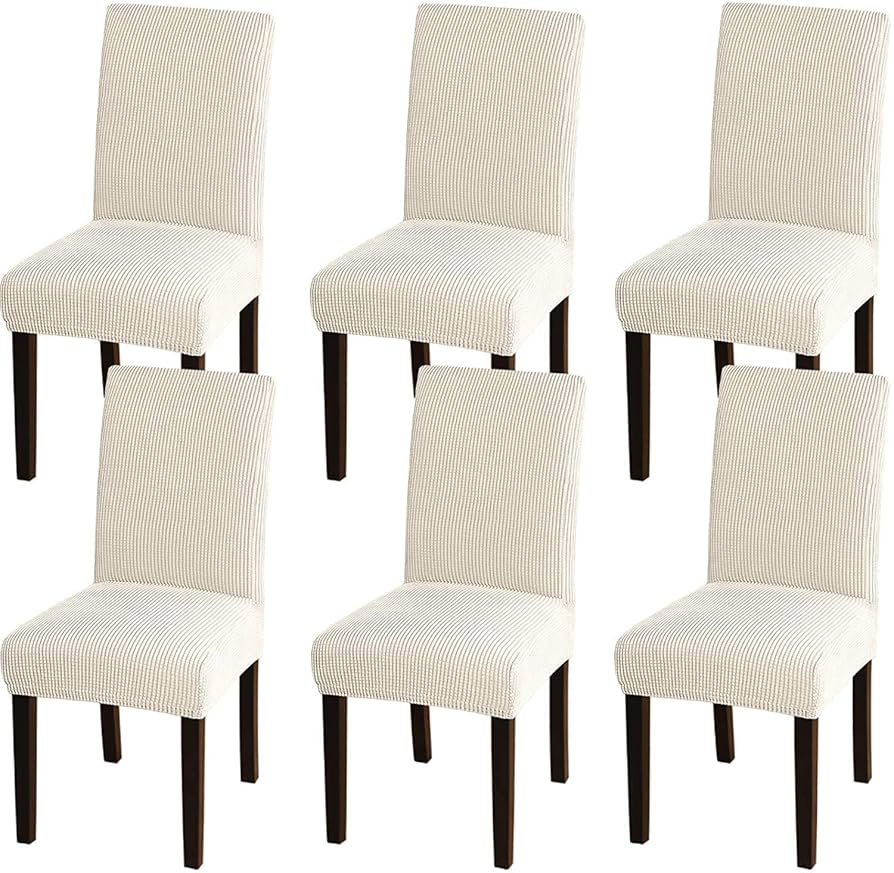
Your kitchen chair might be looking tired or outdated, but you don’t need to buy a new one to refresh its look. Covering a kitchen chair with fabric is a simple and affordable way to give it a fresh, stylish makeover.
Imagine transforming your chair into a cozy, eye-catching piece that matches your kitchen’s vibe perfectly—all with just a few easy steps. If you’ve ever wanted to add a personal touch to your space without spending a fortune, this guide is for you.
Keep reading, and you’ll discover how easy it is to bring new life to your kitchen chairs with fabric.
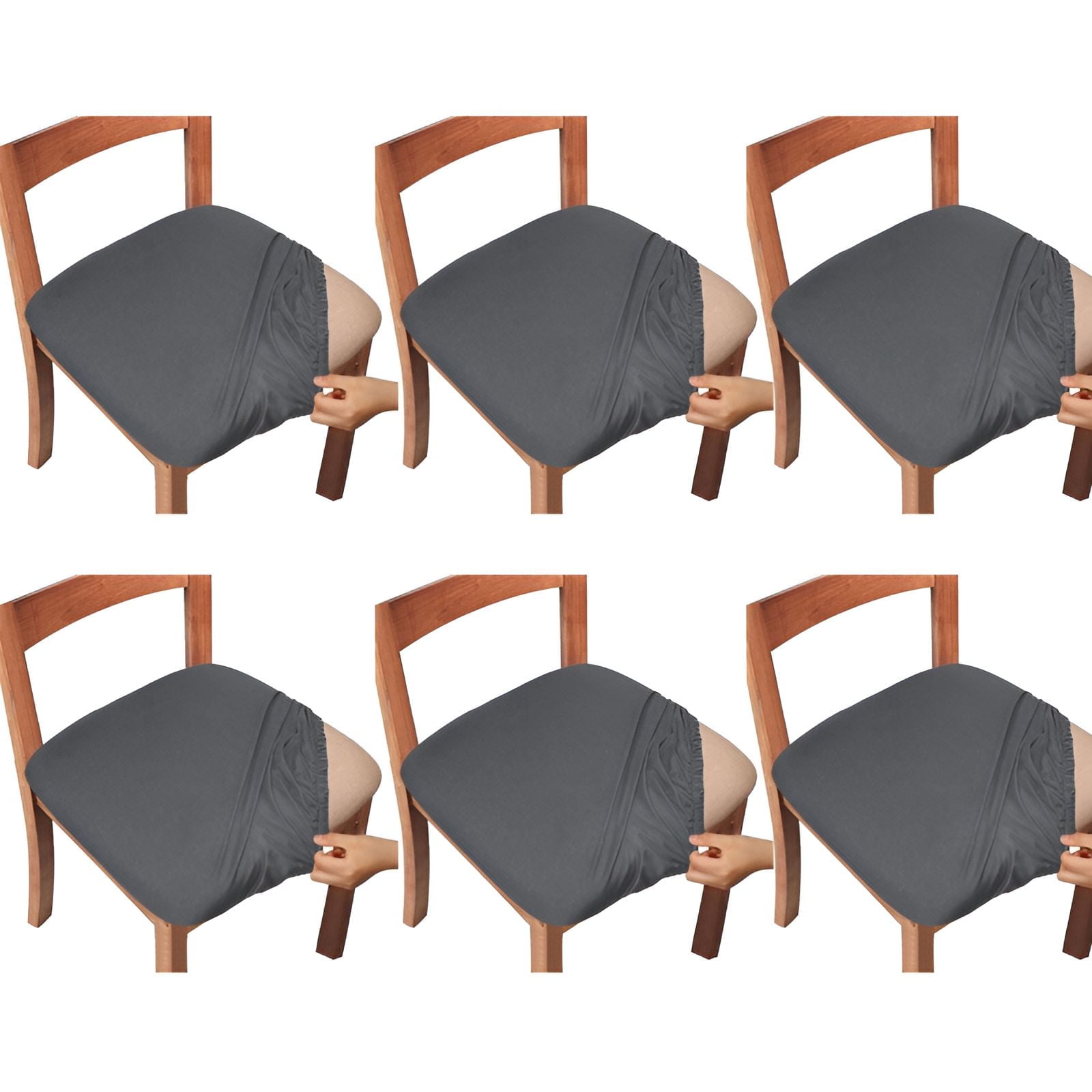
Credit: www.walmart.com
Materials Needed
Gathering the right materials makes covering a kitchen chair easier and neater. Choosing quality supplies helps the fabric fit well and last longer. Prepare everything before you start. This saves time and avoids frustration during the process.
Choosing The Right Fabric
Select fabric that is strong and easy to clean. Cotton and polyester blends work well for kitchen chairs. They resist stains and hold up against daily use. Pick a pattern or color that matches your kitchen style. Avoid thin or stretchy fabrics, as they may tear or wrinkle.
Essential Tools
- Staple gun with staples
- Scissors for cutting fabric
- Measuring tape to check dimensions
- Screwdriver to remove chair parts
- Pliers to pull out old staples
These tools help you remove old fabric and attach new material tightly. Keep them close while working for better flow.
Additional Supplies
- Foam padding for extra comfort
- Spray adhesive to hold foam in place
- Fabric chalk or pencil for marking cuts
- Needle and thread for small repairs
Extra supplies improve the chair’s comfort and finish. Foam gives soft support, and adhesive stops it from slipping. Marking tools ensure precise fabric cuts. Thread and needle fix any tears or loose edges.
Preparing The Chair
Preparing your kitchen chair before adding a new fabric cover is a crucial step that sets the foundation for a smooth and successful project. Taking time to carefully strip away the old cover and inspect the chair ensures your new fabric will fit perfectly and last longer. What small details might you overlook that could impact the final look and feel?
Removing Old Cover
Start by carefully peeling off the existing fabric. Use a flathead screwdriver or pliers to remove staples or tacks holding the cover in place. Take your time—ripping the fabric too quickly can damage the padding or wood underneath.
Keep the old fabric pieces intact if possible. They serve as a useful template when cutting the new material. This simple trick saved me hours of guesswork and helped me avoid costly mistakes.
Cleaning And Repairing
Once the old cover is off, clean the chair thoroughly. Dust, crumbs, and grease can weaken adhesives and cause new fabric to slip or stain. Use a vacuum or soft brush to remove debris from every corner.
Inspect the chair for damage. Tighten loose screws, glue any wobbly joints, and replace worn-out padding if necessary. A sturdy, clean base gives your new fabric the support it needs to look its best.
Measuring And Cutting Fabric
Measure the chair seat carefully to ensure the fabric fits well. Cut the fabric slightly larger to allow for wrapping and stapling. Accurate measuring and cutting help achieve a smooth, neat cover for your kitchen chair.
Measuring and cutting fabric is a crucial part of transforming your kitchen chairs. Accurate measurements ensure that your new chair covers fit perfectly and create a professional look. Cutting your fabric precisely is just as important, as it affects the durability and appearance of your finished project. Let's dive into how you can achieve this with confidence.
Taking Accurate Measurements
Start by measuring each part of the chair that you plan to cover. Use a flexible tape measure to get the most precise measurements. Record dimensions for the seat, backrest, and any other areas you want to cover. Ensure you're measuring the widest and longest parts of each section. This helps avoid the fabric being too tight. Don't forget to add a few inches to each measurement for seams and wrapping. Consider the chair's shape and contours. Are there any curves or angles that might require extra fabric? Capture these details to avoid surprises later.
Cutting Fabric Pieces
Lay your fabric flat on a clean, spacious surface. Use the measurements you took as a guide. Mark your fabric with chalk or a fabric pencil for clarity. Sharp scissors or a rotary cutter are essential for clean cuts. A clean cut reduces fraying and ensures a polished look. Cut slowly and carefully along your marked lines to maintain accuracy. Double-check each piece against your measurements before proceeding. It's easier to make adjustments before everything is cut. This step can save you both time and materials. Once all your pieces are cut, stack them neatly. This keeps your workspace organized and makes the next steps more efficient. Are you ready to see your vision come to life?
Attaching The Fabric
Attaching fabric to a kitchen chair is where your project really takes shape. The way you secure the fabric affects not only the look but also the durability of your cover. Choosing the right technique depends on your tools, skill level, and the chair’s design.
Using Staple Gun
A staple gun is a fast and effective way to attach fabric tightly to the chair frame. Start by pulling the fabric snug over the chair seat or back, making sure there are no wrinkles.
Place staples about an inch apart, especially at corners and edges where tension is highest. Be careful not to staple too close to the edge of the fabric to avoid tearing.
One trick I learned is to staple one side first, then the opposite side, and finally the remaining sides. This keeps the fabric evenly stretched and prevents puckering.
Securing With Upholstery Tacks
Upholstery tacks add a classic look and extra hold to your fabric cover. They work well if you want a decorative touch and don’t mind spending a bit more time on the project.
Hammer each tack carefully into the chair frame through the fabric, spacing them evenly. Using a small nail set helps sink the tack heads slightly below the surface for a neat finish.
Think about the pattern you want the tacks to form — straight lines, curves, or clusters can change the overall style of your chair dramatically.
Sewing Details
Sewing your fabric cover adds a custom, tailored fit that stapling or tacks can’t always achieve. If your fabric needs to wrap around complex shapes, sewing seams and darts can make a big difference.
Use a strong upholstery thread and a sharp needle designed for heavy fabrics. Reinforce stress points with extra stitches to prevent tearing over time.
Have you considered adding piping or trim along the edges? This not only hides raw edges but also gives your chair a polished, professional look.
Finishing Touches
Finishing touches can make all the difference when you’re covering a kitchen chair with fabric. These final steps ensure your chair looks polished and holds up over time. Paying attention to details will give you a professional-looking result you’ll be proud to show off.
Trimming Excess Fabric
After securing the fabric, check for any extra material hanging around the edges. Use sharp fabric scissors to carefully trim away the excess, leaving about half an inch to prevent fraying. Cutting too close can cause the fabric to unravel, so take your time and be precise.
Make sure to trim evenly on all sides. Uneven edges can cause lumps or wrinkles that ruin the smooth finish you want. Have you noticed how small mistakes in trimming can throw off the entire look? That’s why this step deserves your full attention.
Adding Decorative Elements
Adding a few decorative touches can elevate your chair cover from simple to stunning. Consider sewing or gluing on buttons, ribbons, or fabric trims to match your kitchen’s theme. These little details add character and show off your creativity.
If you want extra flair, use upholstery tacks or decorative nails along the edges. They not only add style but help secure the fabric better. Have you thought about how a small splash of color or texture can transform your chair’s appearance?
Maintaining The Cover
To keep your fabric cover looking fresh, regular maintenance is key. Spot-clean any spills immediately with a damp cloth and mild detergent. Avoid harsh chemicals that can damage the fabric’s fibers or fade colors.
Every few months, remove the cover if possible and wash it according to the fabric’s care instructions. This habit will extend the life of your work and keep your kitchen chair inviting. How often do you check your chair covers for wear and tear?

Credit: www.amazon.ca
Tips For A Professional Look
Achieving a professional look when covering a kitchen chair with fabric depends on careful choices and attention to detail. Small decisions can make a big difference in the final appearance. Focus on fabric selection, pattern, and color to create a balanced look. Avoid common mistakes to ensure the fabric fits smoothly and lasts long.
Choosing Patterns And Colors
Select patterns that match your kitchen style. Simple patterns work best for small chairs. Large prints can overwhelm the chair’s shape.
- Pick colors that complement your kitchen walls and furniture.
- Neutral tones offer timeless appeal and hide stains well.
- Bright colors add energy but use them sparingly.
- Consider fabric texture for added depth and comfort.
Avoiding Common Mistakes
Measure twice before cutting fabric. Wrong cuts waste material and ruin the fit.
- Do not stretch fabric too tightly; it may tear or look uneven.
- Use proper tools like sharp scissors and a staple gun for clean edges.
- Iron fabric before covering to remove wrinkles.
- Secure fabric firmly under the chair for a smooth finish.

Credit: www.amazon.ca
Frequently Asked Questions
How Do You Choose Fabric For Kitchen Chairs?
Choose durable, stain-resistant fabric suitable for frequent use. Opt for materials like cotton blends or treated polyester. Consider color and pattern to match your kitchen decor. Always buy extra fabric for adjustments and future repairs.
What Tools Are Needed To Cover A Kitchen Chair?
You need fabric scissors, staple gun, measuring tape, screwdriver, and upholstery foam. These tools help remove old fabric and attach new material securely. Having them ready ensures a smooth, efficient reupholstering process.
Can I Cover Kitchen Chairs Without Removing Old Fabric?
Yes, you can cover chairs without removing old fabric if it's in good condition. Simply place new fabric over the existing one and staple tightly. However, removing old fabric helps achieve a cleaner, more professional look.
How Long Does It Take To Cover A Kitchen Chair?
Covering a kitchen chair usually takes 1 to 2 hours. Time depends on chair complexity and your experience. Allow extra time for measuring, cutting, and securing fabric properly.
Conclusion
Covering a kitchen chair with fabric is a simple way to refresh its look. Choose fabric that fits your style and chair shape. Take your time to measure and cut carefully for the best fit. Sewing or stapling the fabric keeps it secure and neat.
This project adds comfort and style to your kitchen space. Try it yourself and enjoy a cozy, new chair look. Small changes can make a big difference. Give your kitchen a fresh touch today.