
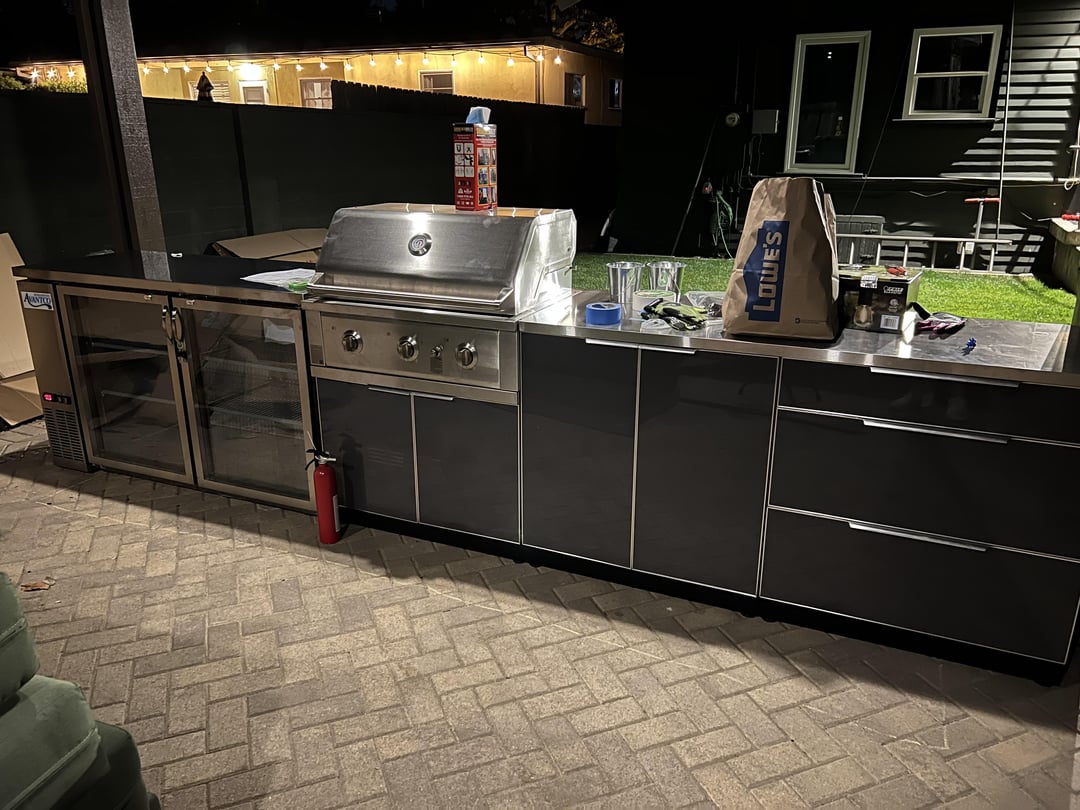
Your outdoor kitchen is more than just a cooking space—it’s a place where memories are made, laughter flows, and delicious meals come to life. But have you thought about how to protect it from weather damage, dirt, and wear?
Covering your outdoor kitchen is the secret to keeping it looking great and working perfectly for years. You’ll discover simple, effective ways to cover your outdoor kitchen so you can enjoy it without worry. Ready to give your outdoor cooking area the care it deserves?
Let’s dive in!
Benefits Of Covering An Outdoor Kitchen
Covering your outdoor kitchen is more than just a design choice—it’s a smart investment that protects your setup and boosts your enjoyment. You might wonder if a cover is really necessary, but the benefits quickly become clear once you see how much it helps in daily use and long-term care. Let’s break down why adding a cover can make a significant difference for your outdoor cooking space.
Protecting Appliances And Surfaces
Your outdoor kitchen appliances face constant exposure to weather elements like rain, sun, and dust. Without protection, grills, refrigerators, and countertops can degrade faster, leading to costly repairs or replacements.
Covering these appliances shields them from rust, fading, and damage. It also keeps surfaces cleaner, reducing the time you spend scrubbing away dirt and grime. Have you ever noticed how much longer your indoor kitchen appliances last compared to outdoor ones? A cover helps bring that same longevity outside.
Extending Kitchen Lifespan
Outdoor kitchens involve a significant investment in materials and equipment. A cover acts like a barrier against harsh weather conditions, which can crack stone counters or warp wooden cabinets.
By reducing exposure to sun, rain, and wind, you protect the integrity of your kitchen’s structure. This means fewer repairs and less frequent replacements, saving you money over time. What’s the value of keeping your outdoor kitchen looking and functioning like new for years to come?
Enhancing Outdoor Comfort
Covering your outdoor kitchen creates a more comfortable cooking and dining environment. It provides shade on hot days and shelter during light rain, allowing you to use your space regardless of the weather.
This makes your outdoor kitchen a true extension of your home, where you can relax and entertain without worrying about sunburn or unexpected showers. Imagine grilling your favorite meal while staying cool and dry—how much more often would you use your outdoor kitchen then?
Types Of Outdoor Kitchen Covers
Covers protect outdoor kitchens from weather and dirt. They help keep appliances safe and extend their life. Choosing the right cover depends on your needs, budget, and style. Different types offer various levels of protection and ease of use.
Hard Covers And Enclosures
Hard covers use strong materials like metal or wood. They offer solid protection against rain, wind, and sun. Many hard covers come as enclosures with walls and roofs. These enclosures create a small room to shield your kitchen fully. Hard covers last long and add value to your outdoor space. They need professional installation but require little maintenance.
Soft Covers And Tarps
Soft covers are made from fabric or vinyl. They are lightweight and easy to put on or remove. Tarps offer basic protection from dust and light rain. Soft covers are usually affordable and come in different sizes. They are good for short-term use or mild climates. These covers need regular cleaning and replacement over time.
Custom-built Structures
Custom-built structures fit your outdoor kitchen perfectly. They include pergolas, gazebos, or patio roofs. These structures provide shade and shelter while enhancing your space’s look. You can choose materials and designs that match your home. Custom covers often include lighting or fans. They require planning and a higher budget but offer great style and function.
Materials To Consider For Covers
Durable fabrics like canvas and vinyl protect outdoor kitchens from rain and sun. Weather-resistant materials ensure long-lasting coverage without damage. Choose breathable options to prevent mold and mildew buildup.
Selecting the right materials for covering your outdoor kitchen is crucial for durability and protection against the elements. Whether you're dealing with blazing sun, heavy rain, or gusty winds, the cover you choose can make a significant difference in how well your outdoor kitchen stands the test of time. Let's explore some materials that are excellent choices for outdoor kitchen covers.
Weather-resistant Fabrics
When thinking about fabrics, consider those specifically designed to withstand weather changes. Look for materials like solution-dyed acrylic and polyester blends. These fabrics are known for their resistance to fading, mold, and mildew. Imagine having a beautiful fabric cover that doesn’t fade after a summer of scorching sun. Solution-dyed acrylic offers just that, providing durability without sacrificing aesthetic appeal. Plus, these fabrics often come in a variety of colors and patterns to match your outdoor decor.
Durable Metals And Woods
Metals like aluminum and stainless steel are excellent for frames or structural elements of your cover. They offer strength without the worry of rust. Plus, they blend well with modern outdoor kitchen designs. Teak and cedar are popular choices for wooden components due to their natural resistance to moisture and insects. Although they might require some maintenance, like occasional sealing, their rich tones and textures can enhance the overall look.
Waterproofing And Uv Protection
A cover that is both waterproof and UV-resistant is ideal for protecting your kitchen. Consider covers with a waterproof backing or a coating that repels water effectively. This ensures your appliances and surfaces remain dry, even during heavy rain. UV protection is equally important to prevent sun damage. A cover with UV inhibitors will keep it from degrading over time and protect the kitchen underneath. Think about how much easier it will be to maintain your outdoor kitchen when you don't have to worry about sun or water damage. Choosing the right materials for your outdoor kitchen cover involves balancing aesthetics, durability, and maintenance. What materials are you considering for your cover, and how do they align with your needs?

Credit: www.bonpergola.com
Measuring And Fitting Your Cover
Covering your outdoor kitchen properly keeps it safe from weather damage. Accurate measuring and fitting are key to choosing the right cover. This ensures full protection and a neat look.
Taking Accurate Measurements
Measure the length, width, and height of your outdoor kitchen. Use a metal tape measure for precise results. Measure at the widest and tallest points to avoid fit issues. Write down each dimension clearly. Double-check measurements before buying a cover.
Choosing The Right Fit
Select a cover that matches your kitchen’s size closely. A cover too small won’t protect well. Too large covers may flap in the wind. Look for covers labeled with dimensions. Choose one slightly larger for easy placement but not too loose.
Adjustable And Custom Options
Adjustable covers allow some flexibility in size. They have straps or drawstrings to tighten around your kitchen. Custom covers are made to your exact measurements. They offer the best fit and maximum protection. Custom options cost more but last longer.
Installation Tips For Outdoor Kitchen Covers
Installing a cover for your outdoor kitchen protects it from weather damage and keeps it clean. Proper installation ensures the cover stays secure and functions well over time. Follow these tips to install your outdoor kitchen cover correctly for lasting protection.
Securing Covers Against Wind
Strong winds can easily lift or damage outdoor kitchen covers. Use heavy-duty straps or bungee cords to fasten the cover tightly. Anchor the cover to fixed points like hooks or eyelets around the kitchen. Avoid loose fabric that can flap and wear out quickly. Consider windproof covers made from tough materials for extra protection.
Ensuring Proper Drainage
Water pooling on your cover can cause mold and damage. Install the cover with a slight slope to let rainwater run off. Avoid flat surfaces where water can collect. Use covers with built-in drainage channels or vents to help moisture escape. Check the cover regularly to clear any debris blocking water flow.
Maintenance And Cleaning
Keep your outdoor kitchen cover clean to extend its life. Brush off leaves, dirt, and dust regularly. Use mild soap and water for deeper cleaning. Avoid harsh chemicals that can weaken the fabric. Dry the cover completely before storing it away to prevent mold. Inspect for tears or holes and repair them quickly.
Seasonal Protection Strategies
Protecting your outdoor kitchen throughout the year keeps it functional and looking great. Seasonal protection strategies help fight weather damage and wear. Simple actions can extend the life of your appliances and surfaces. Adjust care based on the season’s challenges to maintain your outdoor space.
Winterizing Your Outdoor Kitchen
Cold weather can harm your outdoor kitchen. Drain water lines to avoid freezing and cracks. Cover grills and appliances with weatherproof covers. Remove and store portable equipment inside. Clean surfaces to prevent mold and stains. Check for damage and fix it before the freeze.
Summer Care And Ventilation
Heat and sun can cause fading and warping. Use covers to protect from UV rays when not in use. Ensure good airflow around your kitchen to avoid overheating. Clean grease and food debris regularly to prevent pests. Shade structures like umbrellas or pergolas help keep the area cool.
Handling Rain And Snow
Water can cause rust and rot in your kitchen. Use waterproof covers or enclosures to shield appliances. Check seals on doors and cabinets for leaks. Clear snow promptly to avoid heavy buildup. Use water-resistant materials for counters and floors to reduce damage.
Common Mistakes To Avoid
Covering an outdoor kitchen protects it from weather and wear. Mistakes in this process can cause damage and extra costs. Avoiding common errors helps your kitchen last longer and stay functional.
Ignoring Ventilation Needs
Outdoor kitchens produce smoke and heat. Without proper ventilation, smoke can build up under the cover. This creates an unsafe and uncomfortable area. Make sure to plan vents or open spaces for airflow. Proper ventilation keeps the air fresh and reduces fire risks.
Using Inadequate Materials
Not all materials hold up well outdoors. Using cheap or wrong materials leads to quick damage. Choose weather-resistant and durable options like treated wood or metal. Avoid materials that absorb water or fade easily. Good materials protect your kitchen from rain, sun, and wind.
Neglecting Regular Maintenance
Covering your kitchen is not a one-time task. Dirt, mold, and rust can develop over time. Check the cover regularly for tears or wear. Clean and fix small problems before they grow. Regular upkeep keeps the cover strong and your kitchen safe.

Credit: www.amazon.ca
Enhancing Outdoor Kitchen Longevity
Protecting an outdoor kitchen helps keep it working well for many years. Covering the kitchen properly stops damage from weather. It also keeps surfaces clean and prevents rust or cracks. Small efforts in care can save big costs later. Focus on simple steps to extend the life of your outdoor cooking space.
Routine Inspections
Check your outdoor kitchen often for any signs of wear. Look for cracks, rust, or loose parts. Early detection stops small problems from growing. Keep an eye on appliances and countertops. Clean dirt and debris regularly to avoid buildup. A quick inspection takes only minutes but protects your investment.
Protective Treatments
Apply sealants or waterproof coatings to surfaces. These treatments block water and stains. Use rust-resistant sprays on metal parts. Reapply protection yearly or as needed. Cover wood areas with weatherproof paint or oils. Proper treatments prevent damage from sun, rain, and pests. This makes cleaning easier and extends durability.
Upgrading Cover Solutions
Choose covers made from durable, waterproof materials. Look for UV-resistant fabrics to guard against sun damage. Consider hard covers for extra protection during bad weather. Covers should fit well and be easy to remove. Secure covers to prevent wind from blowing them away. Updated covers provide better defense and keep your kitchen fresh longer.

Credit: www.creativecoversinc.com
Frequently Asked Questions
How Do I Protect My Outdoor Kitchen From Weather?
Use durable covers made of waterproof materials like vinyl or polyester. Secure covers tightly to prevent wind damage. Regularly clean and dry the kitchen before covering to avoid mold and rust. Store sensitive appliances indoors during harsh weather for added protection.
What Materials Are Best For Outdoor Kitchen Covers?
Choose covers made from UV-resistant, waterproof fabrics like heavy-duty polyester or vinyl. These materials resist fading, tearing, and water damage. Ensure the cover has reinforced seams and secure fasteners for durability. Breathable fabrics help prevent moisture buildup and mold growth.
How Often Should I Cover My Outdoor Kitchen?
Cover your outdoor kitchen whenever it’s not in use, especially during bad weather or winter. Frequent covering protects appliances, countertops, and cabinetry from dirt, rain, and sun damage. Remove covers periodically to air out and inspect for wear or damage.
Can I Customize Covers For My Outdoor Kitchen?
Yes, custom covers can be tailored to fit your outdoor kitchen’s exact dimensions. Customized covers provide better protection and a neat appearance. Many suppliers offer options for fabric type, color, and added features like vents or zippers.
Conclusion
Covering an outdoor kitchen protects it from weather damage. A good cover keeps your space clean and dry. Choose materials that last and fit your style. Simple steps can save you time and money later. Enjoy cooking outside without worrying about rain or sun.
Keep your kitchen ready for any season. A well-covered kitchen invites fun and relaxation outdoors.