
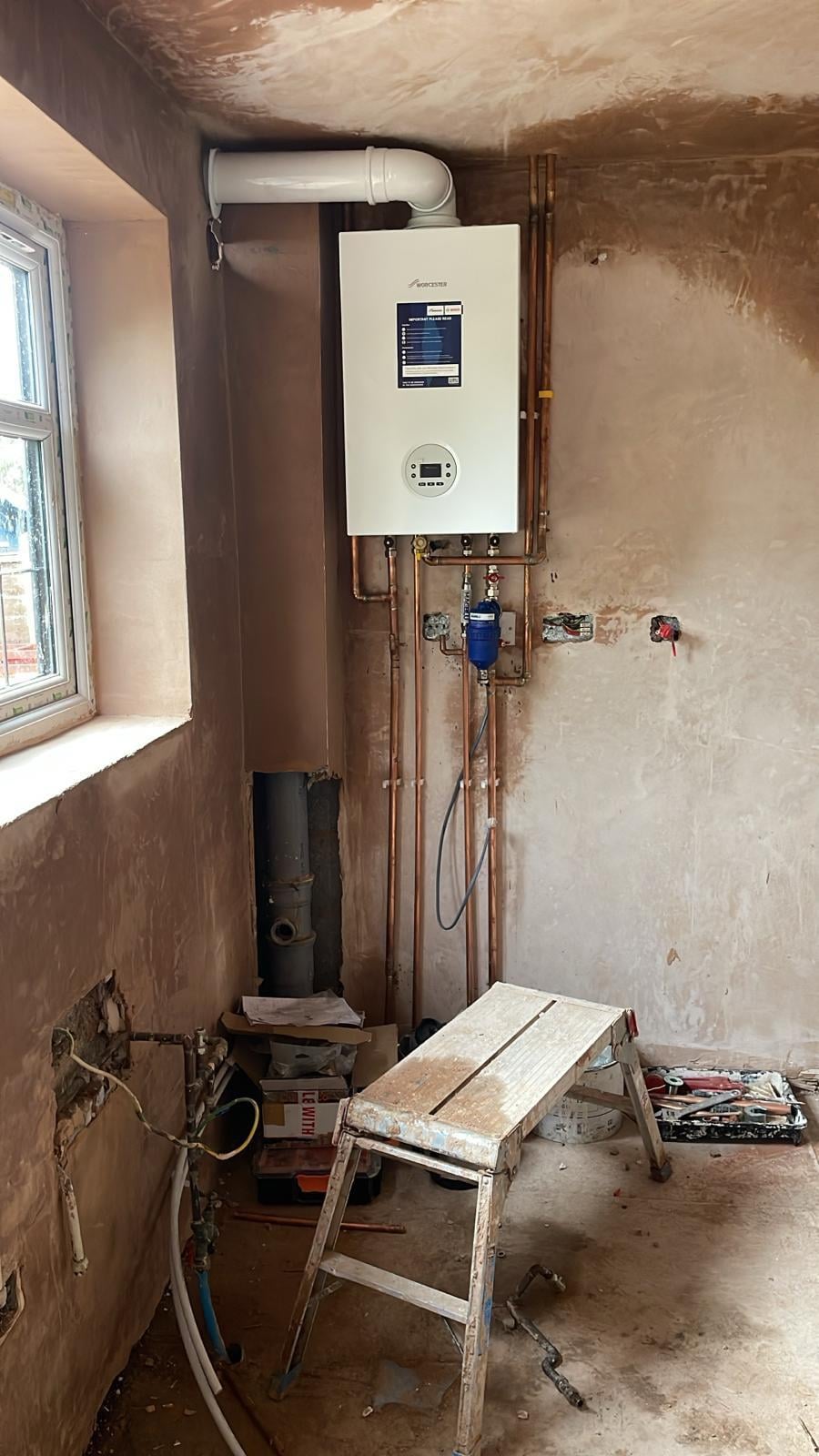
Are your boiler pipes in the kitchen looking messy or taking up too much space? You’re not alone—many people struggle with how to hide or cover these pipes without damaging their walls or disrupting the kitchen’s flow.
The good news is, you don’t have to live with unsightly pipes or spend a fortune on renovations. You’ll discover simple, practical ways to cover your boiler pipes that are both functional and stylish. Keep reading to transform your kitchen into a cleaner, safer, and more attractive space—without the hassle.

Credit: www.reddit.com
Reasons To Cover Boiler Pipes
Covering boiler pipes in the kitchen is a smart choice for many reasons. Pipes are often visible and can be unsafe or unattractive. Hiding them improves safety, looks, and even how heat moves around your kitchen.
Safety Concerns
Exposed boiler pipes get very hot and can cause burns. Children and pets are at risk near these hot surfaces. Covering pipes reduces accidental contact. It also protects pipes from damage that can cause leaks or bursts. Safety covers keep your kitchen safer for everyone.
Improving Kitchen Aesthetics
Boiler pipes often spoil the kitchen’s look. They create a messy, unfinished feel. Covering pipes hides them from view and creates clean lines. You can paint or decorate the covers to match your kitchen style. This simple change makes your kitchen look neat and welcoming.
Enhancing Heat Efficiency
Uncovered pipes lose heat quickly to the air. This wastes energy and raises heating bills. Pipe covers help keep heat inside the pipes. It makes the boiler work less and saves energy. Warm pipes also help heat the kitchen better, making it cozy.

Credit: www.ebay.co.uk
Materials For Pipe Covering
Choosing the right materials for covering boiler pipes in the kitchen enhances safety and style. The materials must handle heat and fit the kitchen’s look. Durable, heat-resistant options protect pipes and improve appearance. This section explores common materials used for pipe covering.
Wooden Casings
Wooden casings provide a warm, natural look to kitchen pipes. They can be painted or stained to match cabinets. Wood offers good insulation and hides pipes effectively. Use treated wood to resist moisture and heat damage. This option is easy to install and customize.
Metal Covers
Metal covers are strong and heat-resistant. They come in stainless steel, aluminum, or copper. Metal suits modern and industrial kitchen styles. These covers protect pipes from damage and are easy to clean. Metal is durable and requires little maintenance.
Decorative Fabrics
Decorative fabrics add softness and color to pipe coverings. Choose heat-resistant and flame-retardant fabrics for safety. Fabrics can be wrapped or sewn into covers. They offer flexible design options and are easy to change. Fabric covers improve kitchen aesthetics without bulk.
Heat-resistant Paints
Heat-resistant paints coat pipes for a simple, cost-effective cover. They withstand high temperatures without peeling or cracking. Paint comes in many colors to blend with kitchen decor. This method keeps pipes visible but tidy. It requires surface cleaning before application.
Diy Covering Techniques
Covering boiler pipes in the kitchen can improve both safety and appearance. DIY techniques offer simple, cost-effective ways to hide pipes. These methods require basic tools and materials. Choose the option that fits your skills and kitchen style. Here are some easy DIY covering techniques.
Boxing In Pipes
Boxing in pipes creates a neat, clean look. Use timber or MDF boards to build a frame around the pipes. Cut the boards to size, then fix them to the wall or floor. Fill gaps with sealant for a seamless finish. Paint or wallpaper the box to match your kitchen decor. This method hides pipes completely and protects them from damage.
Using Pipe Sleeves
Pipe sleeves are simple covers that slip over pipes. They come in foam, plastic, or rubber materials. Foam sleeves also insulate the pipes to reduce heat loss. Measure the pipe length and choose the right diameter sleeve. Cut the sleeve to fit and slide it over the pipe. This technique is quick and keeps pipes tidy without major work.
Painting And Wrapping
Painting pipes can blend them into the kitchen walls. Use heat-resistant paint designed for metal surfaces. Clean the pipes first to remove dust and grease. Apply a primer for better paint adhesion. Wrap pipes with decorative tape or fabric for a stylish touch. This approach adds color and texture while keeping pipes visible but less intrusive.

Credit: www.reddit.com
Stylish Design Ideas
h3 { font-family: Arial, sans-serif; color: 333; margin-top: 20px; } p { font-family: Arial, sans-serif; color: 555; line-height: 1.6; } ul { list-style-type: disc; margin-left: 20px; }
Boiler pipes in the kitchen can be an eyesore. But with a little creativity, they can blend seamlessly into your kitchen decor. Transform these functional elements into stylish features with smart design ideas. Let's explore some easy, stylish ways to cover your boiler pipes.
Matching Kitchen Decor
Blend the boiler pipes with your kitchen's overall look. Use paint that matches your walls or cabinets. This creates a uniform appearance. Consider using a color that complements your kitchen's theme. This makes the pipes less noticeable. You can also wrap them in decorative materials. Choose materials that align with your kitchen's style. This approach maintains the aesthetic harmony.
Incorporating Shelving
Install shelves around the boiler pipes. This adds functionality and style. Use these shelves to store kitchen items. Or display decorative pieces. Choose shelves that match your kitchen's design. This enhances the room's visual appeal. Shelves can also help hide the pipes. A practical solution with a stylish touch.
Adding Greenery And Accessories
Bring life to your kitchen with greenery. Use small plants to disguise the pipes. Choose plants that thrive indoors. Arrange them to draw attention away from the pipes. You can also add accessories. Use items like vases or small sculptures. This adds personality to your kitchen. A simple way to enhance the space.
Maintenance Tips
Maintaining the pipes you’ve covered in your kitchen is just as important as the initial installation. Proper care ensures safety, extends the life of your boiler system, and keeps your kitchen looking neat. Skipping regular maintenance can lead to hidden issues that might cost you more in repairs down the line.
Regular Inspection
Check your covered pipes at least once a month. Look out for signs of leaks, corrosion, or any unusual noises. Early detection can prevent serious damage and expensive repairs.
Keep an eye on the pipe insulation too. Damaged or damp insulation reduces efficiency and can lead to condensation problems.
Cleaning Covered Pipes
Dust and grease tend to build up on pipe covers in the kitchen environment. Wipe them down regularly with a damp cloth and mild detergent. Avoid abrasive cleaners that could damage the cover material.
If you use wooden or painted covers, consider applying a protective finish once a year to keep them looking fresh. Clean pipes help your kitchen stay hygienic and visually appealing.
Ensuring Accessibility
Make sure the covers you install can be easily removed or opened. You never know when you’ll need quick access for repairs or emergency shut-offs.
Using removable panels or hinged covers can save you time and hassle. Have you thought about labeling access points? It can make maintenance much smoother, especially if someone else is handling repairs.
Frequently Asked Questions
How Can I Safely Cover Boiler Pipes In The Kitchen?
Use heat-resistant materials like metal boxing or wooden casing. Ensure proper ventilation and avoid flammable coverings to maintain safety and efficiency.
What Materials Work Best For Covering Kitchen Boiler Pipes?
Common materials include wood, metal, and PVC boxing. Choose materials that resist heat and moisture for durability and safety.
Will Covering Boiler Pipes Affect Heat Efficiency?
Properly covering pipes can retain heat and improve efficiency. Avoid insulating too thickly, which may reduce heat transfer to the room.
Can I Paint Over Covered Boiler Pipes?
Yes, use heat-resistant paint on covers. This enhances appearance and protects materials without affecting pipe function.
Conclusion
Covering boiler pipes in the kitchen improves both safety and appearance. Simple materials like wood or foam work well for this job. Measuring pipes carefully helps ensure a good fit. Painting or decorating covers can match your kitchen style. Taking time to cover pipes keeps the space neat and tidy.
Small changes make a big difference in your kitchen’s look. Try these easy steps to hide pipes effectively today. Your kitchen will feel more comfortable and organized.