

Your kitchen’s chimney pipe is doing an important job, but it might not be the most attractive part of your space. If you’ve been wondering how to cover chimney pipe in your kitchen without losing functionality or style, you’re in the right place.
Imagine turning that plain pipe into a sleek feature that blends perfectly with your kitchen design. You’ll discover easy and practical ways to hide or decorate your chimney pipe, making your kitchen look cleaner and more inviting. Ready to transform your kitchen?
Let’s dive in.
Choosing The Right Materials
Choosing the right materials to cover your kitchen chimney pipe is crucial for both safety and style. The material you pick affects heat resistance, durability, and how well it blends with your kitchen's look. Think about how much heat the pipe generates and what kind of maintenance you’re comfortable with before making your choice.
Metal Covers
Metal covers are a popular choice because they handle heat very well. Stainless steel or aluminum options are durable and easy to clean, making them practical for kitchen use.
You can find sleek designs that fit modern kitchens or go for a brushed finish for a more industrial feel. Plus, metal is fire-resistant, which adds an important safety layer around your chimney pipe.
Wooden Enclosures
Wood brings warmth and a natural look to your kitchen, but it requires careful treatment to be safe. Using fire-retardant wood or sealing the wood properly can help reduce risks.
Wooden enclosures allow you to match cabinets or create a custom-built feel. Just make sure there’s enough space between the pipe and wood to prevent overheating.
Tile And Stone Options
Tile and stone materials offer excellent heat resistance and add texture to your kitchen. They come in a variety of colors and patterns, so you can make your chimney pipe a design feature.
These materials are also easy to clean and maintain, which is a big plus in a kitchen environment. Have you considered using mosaic tiles to create a striking focal point?
Heat-resistant Fabrics
Heat-resistant fabrics are less common but can work well for covering chimney pipes in a more flexible way. They are especially useful if you want to add a splash of color or pattern without permanent installation.
Make sure the fabric you choose is specifically designed to withstand high temperatures. Using fabrics with proper backing can also help prevent any heat damage to surrounding areas.

Credit: www.workshop.bunnings.com.au
Design Styles For Chimney Covers
Choosing the right design style for your chimney pipe cover can enhance your kitchen's overall look. A well-chosen cover blends functionality with style. It can hide the pipe while matching your kitchen decor. Various design styles suit different tastes and kitchen themes.
Modern Minimalist
Modern minimalist covers focus on clean lines and simple shapes. They often use neutral colors like white, black, or gray. Materials such as stainless steel or smooth wood work well. This style keeps the kitchen looking neat and uncluttered. It fits well with contemporary kitchens that emphasize space and light.
Rustic And Farmhouse
Rustic and farmhouse covers use natural materials like wood or stone. They often feature warm tones and rough textures. This style adds a cozy, homey feel to the kitchen. It pairs well with vintage or country-style kitchens. Decorative elements like distressed paint or metal accents bring charm.
Industrial Look
Industrial covers highlight raw materials and sturdy designs. Common materials include metal pipes, bricks, and reclaimed wood. Exposed bolts or rivets add to the rugged appearance. This look suits kitchens with open shelving and metal fixtures. It creates a bold, urban vibe.
Classic And Traditional
Classic and traditional covers focus on elegance and detail. They often use carved wood, moldings, or painted finishes. Soft, neutral colors like cream or beige are common. This style fits kitchens with timeless cabinetry and vintage appliances. It brings warmth and a sense of history to the space.
Diy Chimney Cover Ideas
Covering a kitchen chimney pipe can blend style with function. Use wood panels or paint to match your decor for a neat look. Simple covers hide pipes and keep your kitchen tidy.
Covering a chimney pipe in your kitchen can transform a functional necessity into a stylish feature. DIY chimney cover ideas not only enhance the aesthetic appeal but also offer a personal touch to your space. You can choose from a variety of creative options to suit your style and budget.
Simple Box Frame
A simple box frame is an easy and effective way to cover your chimney pipe. You can create a sleek, minimalist look using materials like plywood or MDF. This option allows you to paint or stain the frame to match your kitchen decor, providing a seamless integration.
Decorative Panels
Decorative panels offer a stylish alternative that can complement any kitchen theme. Consider using panels with intricate designs or textures for added visual interest. These panels can be attached directly to the chimney pipe, and are available in materials like metal, wood, or even PVC.
Painted Designs
If you're feeling artistic, painting the chimney pipe can be a rewarding project. Choose colors that contrast or complement your kitchen's palette to make the pipe a focal point. You might even consider using chalkboard paint for a functional and fun surface to jot down notes or recipes.
Using Wall Art
Wall art can cleverly disguise a chimney pipe while enhancing your kitchen's ambiance. Large framed pictures or a collection of smaller art pieces can be arranged around the pipe. This approach not only hides the pipe but also adds character and personal flair to your kitchen. Have you ever thought about how these simple DIY projects can completely change the vibe of your space? Choosing the right cover can elevate your kitchen from ordinary to extraordinary. Which idea resonates with you?
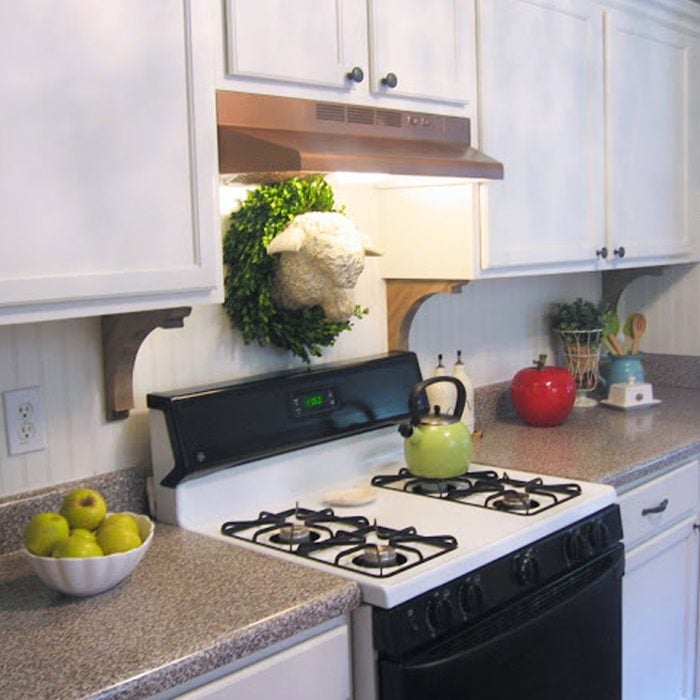
Credit: www.familyhandyman.com
Installation Tips And Safety
Covering a chimney pipe in your kitchen not only improves the look of the space but also protects the pipe and surrounding areas from damage. However, the installation process requires careful attention to safety and precise measurements to avoid hazards. You’ll want to handle this project with care to ensure a safe, secure, and lasting result.
Measuring And Fitting
Start by measuring the chimney pipe’s diameter and height accurately. Use a tape measure to get the exact size, and double-check your numbers before cutting any materials. A snug fit is essential; too tight can damage the pipe, and too loose can let in unwanted air or allow debris to collect.
Think about how the cover will fit around the pipe—will it slide over or wrap around? Choosing the right design will save you from complicated adjustments later. Remember, precise measurements make the difference between a professional finish and a sloppy look.
Ensuring Heat Clearance
Your chimney pipe gets hot, so maintaining proper clearance is critical to avoid fire risks. Check the manufacturer’s guidelines for the minimum distance between the pipe and any combustible materials. Typically, you should leave at least a two-inch gap between the pipe and the cover.
Use heat-resistant materials for the cover to add a layer of protection. Have you considered how easy it is to inspect this clearance regularly? Designing the cover with removable panels can make safety checks much simpler.
Securing The Cover
Once you have the fit and clearance right, focus on securing the cover firmly. Use brackets or screws designed for high temperatures to attach the cover to the wall or ceiling. Loose covers can fall or shift, creating hazards and damaging your pipe.
Test the stability by gently shaking the cover after installation. If it moves, reinforce the attachment points. Secure covers not only protect your chimney pipe but also keep curious hands and pets safe.
Maintenance Advice
Keep the chimney pipe cover clean and inspect it regularly for signs of wear or damage. Dust and grease buildup can reduce heat resistance and cause odors. Wipe down the cover monthly and check for loose screws or cracks.
Have you set a reminder for seasonal checks? Winter months can be tough on chimney pipes and covers, so a quick inspection before and after heating seasons helps catch problems early. Staying on top of maintenance extends the cover’s life and keeps your kitchen safe.
Incorporating Storage Solutions
Incorporating storage around a chimney pipe in the kitchen can make the space both practical and attractive. Clever storage ideas help hide the pipe while adding useful spots for kitchen items. These solutions keep your kitchen organized and maximize space.
Shelves Around The Pipe
Shelves built around the chimney pipe create extra storage without taking much space. Open shelves offer easy access to spices, jars, or cookbooks. Use materials like wood or metal that match your kitchen style. Floating shelves add a modern look and keep things light.
Hidden Cabinets
Hidden cabinets camouflage the chimney pipe completely. Custom cabinets can be designed to fit snugly around the pipe. They keep clutter out of sight and maintain a clean kitchen look. Inside, store less-used items or cleaning supplies to free up counter space.
Hooks And Racks
Hooks and racks mounted near the pipe provide quick access to utensils and towels. Hang pots, pans, or oven mitts on sturdy hooks to save drawer space. Magnetic racks work well for knives and metal tools. These options keep essentials within easy reach.
Multipurpose Units
Multipurpose units combine storage and function in one piece. A cabinet with a built-in wine rack or spice holder uses space smartly. You can also find units with a fold-out table or cutting board. These designs make the kitchen more efficient and visually pleasing.
Color And Finish Ideas
Choosing the right color and finish for your kitchen’s chimney pipe can enhance the entire space. It helps the pipe blend in or stand out, depending on your style. Consider the kitchen’s colors and materials before deciding. The right finish also protects the pipe and makes cleaning easier.
Matching Kitchen Palette
Use colors that match your kitchen walls or cabinets. This creates a seamless look. Neutral tones like white, beige, or gray work well in most kitchens. Matching colors make the chimney pipe less noticeable. It keeps the focus on other design elements.
Contrasting Accents
Choose a color that contrasts with your kitchen palette. This makes the chimney pipe a bold feature. Dark pipes work well in light kitchens. Bright colors add a playful touch. Contrasts bring energy and interest to the space.
Matte Vs Glossy
- Matte finisheshide fingerprints and smudges better. They offer a soft, modern look.
- Glossy finishesreflect light and make the pipe stand out. They create a sleek, clean feel.
Select a finish based on your kitchen’s style and maintenance needs.
Natural Textures
Consider finishes that mimic natural materials. Wood grain, stone, or metal textures add warmth and depth. These finishes blend well with rustic or industrial kitchens. They also give the chimney pipe a unique, stylish look. Textured finishes can hide minor dents or scratches.
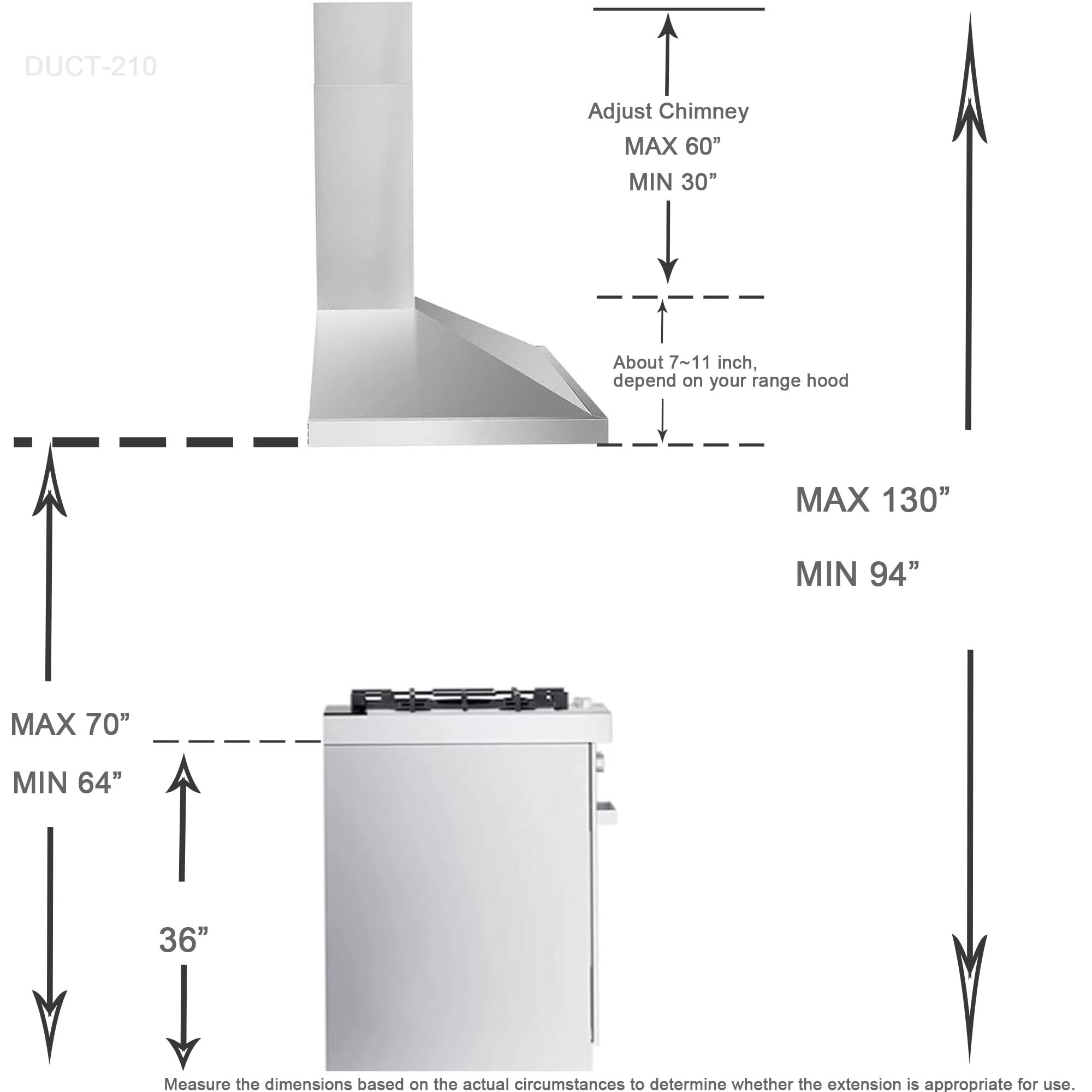
Credit: www.amazon.com
Frequently Asked Questions
How Can I Safely Cover A Kitchen Chimney Pipe?
Use non-combustible materials like metal or tile to cover the pipe. Ensure proper ventilation and avoid flammable covers to maintain safety and efficiency.
What Materials Work Best To Cover Chimney Pipes In Kitchens?
Metal sheets, heat-resistant tiles, and fireproof drywall are ideal. These materials withstand high temperatures and prevent fire hazards effectively.
Can I Paint The Chimney Pipe In My Kitchen?
Yes, use heat-resistant paint designed for metal surfaces. This protects the pipe and improves the kitchen’s aesthetic without compromising safety.
How Do I Hide A Chimney Pipe Without Blocking Airflow?
Build a ventilated enclosure or use decorative metal covers. Make sure airflow remains unobstructed to avoid smoke or gas buildup.
Conclusion
Covering a chimney pipe in your kitchen can improve safety and style. Choose materials that match your kitchen’s look and resist heat. Measure carefully before starting the cover to ensure a good fit. Use tools and steps that keep the job simple and safe.
A well-covered chimney pipe keeps your kitchen clean and neat. Small effort, big difference. Take your time and enjoy the new look.