
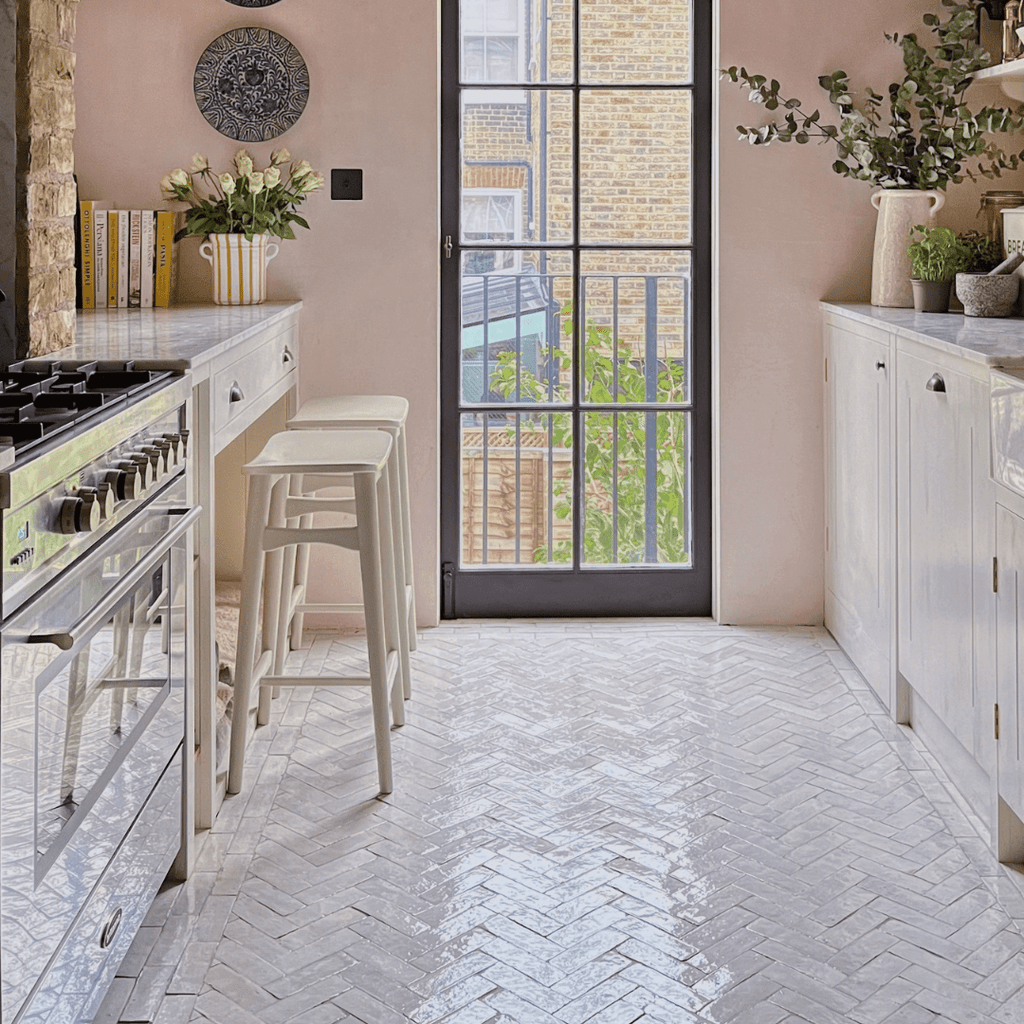
Are you tired of looking at those old, worn-out floor tiles in your kitchen? You don’t have to replace them to give your kitchen a fresh, new look.
Imagine stepping into your kitchen and feeling instantly happy with the floor beneath your feet. Covering your floor tiles is easier than you think, and it can save you time, money, and a lot of hassle. You’ll discover simple and effective ways to transform your kitchen floor without the mess of a full renovation.
Ready to learn how to make your kitchen floor look amazing? Keep reading!
Choosing The Right Floor Covering
Choosing the right floor covering for your kitchen tiles can transform the entire space. It’s not just about looks; you need a solution that fits your lifestyle and lasts. Let’s break down what matters most so you can pick a floor covering that works perfectly for you.
Durability And Maintenance
Think about how much traffic your kitchen floor gets daily. You’ll want a covering that can handle spills, drops, and constant foot traffic without wearing out quickly.
Materials like vinyl and laminate are tough and easy to clean, making them great for busy kitchens. On the other hand, carpet tiles may look cozy but can trap dirt and stains, needing more upkeep.
Ask yourself: How often are you willing to clean? Choosing a low-maintenance option can save you time and frustration in the long run.
Style And Aesthetic Options
Your kitchen’s style speaks volumes about your personality. Fortunately, floor coverings come in a variety of colors, patterns, and textures to match any vibe.
Want a modern look? Consider sleek vinyl planks that mimic wood or stone. If you prefer something classic, cork or bamboo might be just the thing.
Don’t overlook how the floor covering complements your cabinets, countertops, and walls. Would you like a bold contrast or a subtle blend? Your choice can either highlight or downplay certain design elements.
Budget Considerations
Floor coverings vary widely in price, so it’s wise to set a clear budget before shopping. Remember, the cheapest option may cost more over time if it wears out quickly.
| Floor Covering | Approximate Cost per sq. ft. | Typical Lifespan |
|---|---|---|
| Vinyl | $2 - $5 | 10-20 years |
| Laminate | $1.50 - $4 | 10-25 years |
| Cork | $3 - $8 | 10-15 years |
| Carpet Tiles | $1 - $6 | 5-10 years |
Consider installation costs too; some materials require professional help while others are DIY-friendly. Which option fits your budget without compromising quality?
Peel-and-stick Vinyl Tiles
Peel-and-stick vinyl tiles offer a simple way to cover old kitchen floor tiles. These tiles come with an adhesive back. Just peel off the paper and stick them on the floor. They create a fresh look without much effort or cost.
These tiles are water-resistant and easy to clean. They suit kitchens well because spills and stains wipe off quickly. Peel-and-stick tiles come in many colors and styles, fitting various kitchen designs.
Installation Tips
- Clean the floor thoroughly before applying the tiles.
- Make sure the surface is dry and free of dust or grease.
- Measure the area and plan the tile layout carefully.
- Start from the center of the room for a balanced look.
- Press each tile firmly to remove air bubbles.
- Use a utility knife to trim edges for a perfect fit.
Design Patterns
Arrange tiles in different patterns to enhance the kitchen’s style. Popular patterns include:
- Checkerboard: alternating colors for a classic look.
- Herringbone: angled tiles create a dynamic flow.
- Grid: straight rows for a clean, modern feel.
- Random mix: combine colors for a playful effect.
Experiment with patterns to match your kitchen’s theme and size.
Pros And Cons
| Pros | Cons |
|---|---|
| Easy and fast to install | May peel over time in high-moisture areas |
| Affordable compared to other flooring options | Less durable than ceramic or stone tiles |
| Wide range of designs and styles | Can be damaged by sharp objects |
| Water-resistant and easy to clean | Not suitable for uneven or rough surfaces |
Area Rugs And Mats
Area rugs and mats are a simple way to cover floor tiles in the kitchen. They add warmth, color, and comfort underfoot. Rugs can protect tiles from wear and spills. Mats help keep the floor dry and safe. Choosing the right rug or mat can change the kitchen’s look instantly.
Material Choices
Choose materials that handle kitchen conditions well. Look for:
- Cotton – soft and easy to wash, but may wear quickly.
- Wool – durable and water-resistant, stays warm.
- Polypropylene – tough, stain-resistant, and easy to clean.
- Rubber-backed mats – prevent slipping and protect tiles.
Pick materials that suit your kitchen’s foot traffic and moisture levels.
Placement Ideas
Place rugs and mats where they help most. Common spots include:
- In front of the sink to catch water splashes.
- Near the stove for comfort while cooking.
- By the fridge to protect tiles from spills.
- Under kitchen tables for style and warmth.
Use runners for narrow spaces or larger rugs for open areas.
Cleaning And Care
Keep rugs and mats clean to maintain their look and hygiene. Follow these tips:
- Vacuum regularly to remove dust and crumbs.
- Spot clean spills immediately to avoid stains.
- Machine wash smaller rugs as per instructions.
- Use mild detergent and cold water for washing.
- Dry rugs flat to keep their shape and prevent damage.
Proper care extends the life of your floor coverings and keeps your kitchen fresh.

Credit: www.reddit.com
Laminate Flooring Over Tiles
Laminate flooring is a popular choice for covering old kitchen tiles. It offers a fresh look without removing the existing tiles. This method saves time and reduces mess. Laminate planks mimic wood or stone textures, enhancing your kitchen's style. It also provides a smooth surface that is easier to clean and maintain. Installing laminate over tiles creates a durable and cost-effective floor upgrade.
Preparation Steps
Start by cleaning the tile floor thoroughly. Remove all dirt, grease, and debris. Check for loose or cracked tiles and fix them. Level any uneven areas with a floor leveling compound. Allow the floor to dry completely before proceeding. Place an underlayment to reduce noise and add cushioning. Measure the kitchen space to estimate the amount of laminate needed. Acclimate the laminate planks in the room for 48 hours to prevent expansion issues.
Floating Floor Installation
Lay the underlayment flat across the floor. Begin placing laminate planks along the longest wall. Use spacers to keep a small gap between planks and walls. Connect planks using the tongue-and-groove system. Tap gently with a rubber mallet to secure joints. Stagger plank seams for a natural look. Cut planks to fit edges and corners using a saw. Remove spacers after installation and add baseboards to hide gaps.
Advantages And Drawbacks
| Advantages | Drawbacks |
|---|---|
| Quick and clean installation | Height may increase, affecting door clearance |
| Cost-effective flooring upgrade | Not suitable for wet areas prone to water damage |
| Wide range of styles and colors | Cannot repair individual planks easily |
| Durable and easy to maintain | Less natural feel compared to hardwood |
Painted Tile Floors
Transform your kitchen with painted tile floors. It's an affordable option. Refresh your space with color and style. Painting your tiles is a DIY-friendly project. It adds a personal touch to your kitchen. Let's explore how to achieve stunning results.
Selecting The Right Paint
Choosing the right paint is essential. Not all paints suit tile surfaces. Look for paints labeled for floors or high durability. Epoxy or latex paints work well. They provide a smooth, long-lasting finish. Consider your color choice carefully. Light colors make spaces appear larger. Dark colors add depth and warmth.
Surface Preparation
Preparation is key for a successful paint job. Start by cleaning the tiles thoroughly. Remove grease, dirt, and grime. Use a mild detergent or a specialized cleaner. Once clean, rinse well and let them dry completely. Sanding the tiles is the next step. It helps the paint adhere better. Use fine-grit sandpaper for this process.
After sanding, remove dust with a damp cloth. Ensure the surface is dust-free before painting. Mask off areas you don't want painted. Use painter's tape along edges and fixtures. This prevents unwanted paint splatters.
Sealing And Durability
Sealing the painted tiles enhances durability. It protects the paint from wear and tear. Choose a clear polyurethane sealer for floors. Apply it after the paint has dried completely. Follow the manufacturer's instructions for best results. Usually, two to three coats provide enough protection.
Allow adequate drying time between coats. Proper sealing ensures your painted tiles last longer. It also makes cleaning easier and maintains the shine. Regular maintenance will keep your tiles looking fresh. Clean with a soft mop and gentle cleaners. Avoid harsh chemicals that could damage the finish.

Credit: www.youtube.com
Temporary Floor Coverings
Temporary floor coverings offer a quick and practical way to protect or change kitchen tiles. They are easy to install and remove. These solutions help maintain the floor’s condition during renovations or special occasions.
Temporary coverings come in various types. Each type suits different needs and spaces. These options keep your kitchen looking fresh without permanent changes.
Removable Floor Stickers
Removable floor stickers stick directly to tiles. They come in many designs and colors. These stickers protect tiles from scratches and spills.
They peel off easily without leaving residue. Perfect for renters or short-term use. These stickers also add a decorative touch to the kitchen.
Interlocking Floor Mats
Interlocking floor mats fit together like puzzle pieces. Made from foam or rubber, they provide cushioning and warmth. These mats cover large areas quickly.
They are easy to clean and move around. Mats protect tiles from heavy pots or dropped items. Ideal for temporary kitchen setups or play areas.
When To Use Temporary Solutions
- During kitchen renovations or repairs.
- To protect floors during parties or events.
- When renting and avoiding permanent changes.
- For seasonal decoration or quick style updates.
- To test new floor designs before permanent installation.
Temporary coverings save time and money. They offer protection without commitment. Choose them when flexibility matters most.
Creative Layering Ideas
Adding a new layer over your kitchen floor tiles can completely change the room’s vibe. Creative layering lets you play with different materials, colors, and patterns to create a look that feels fresh and personal. This approach not only updates the floor but also adds texture and depth to your kitchen space.
Mixing Textures
Think about combining soft rugs with hard tile surfaces to create contrast. A woven jute rug over smooth ceramic tiles adds warmth and comfort underfoot. You can also try a plush, patterned carpet runner to break the coldness of stone tiles.
Have you considered layering vinyl mats over your tiles? They come in various finishes—some mimic wood grain or stone texture—offering a tactile experience without heavy remodeling. This mix keeps things interesting and adds a cozy touch to your kitchen.
Combining Colors
Layering allows you to bring in fresh colors that complement or contrast your existing floor. If your tiles are neutral, like gray or beige, adding a bright colored rug or mat can inject personality instantly. Shades of blue, red, or even mustard yellow work well to energize the space.
Try pairing soft pastels with darker base tiles for a subtle but stylish effect. For example, a pale green runner over dark slate tiles balances vibrancy with calmness. What colors would make you feel more inspired while cooking?
Using Patterns For Impact
Patterns can transform a plain tile floor into a focal point. Layering a patterned rug with geometric shapes or floral prints creates visual intrigue. It’s a simple way to add character without changing the tile itself.
Don’t hesitate to mix different patterns—stripes on your runner combined with a floral mat can work if you stick to a consistent color palette. This playful approach keeps your kitchen lively and inviting. Which patterns speak to your style the most?

Credit: www.bertandmay.com
Frequently Asked Questions
What Are The Best Materials To Cover Kitchen Floor Tiles?
Popular materials include vinyl planks, peel-and-stick tiles, and laminate flooring. These options are affordable, easy to install, and water-resistant, making them ideal for kitchens.
Can I Cover Floor Tiles Without Removing Them?
Yes, many covering materials like vinyl or laminate can be installed directly over tiles. Ensure the surface is clean, level, and dry for best results.
How To Prepare Floor Tiles Before Covering Them?
Clean thoroughly, remove grease or dirt, and repair any cracks or uneven areas. Sand glossy tiles lightly to improve adhesion of new flooring materials.
Is Covering Floor Tiles A Cost-effective Kitchen Renovation?
Covering tiles is often cheaper and faster than removal and replacement. It refreshes the kitchen floor while minimizing mess and labor costs.
Conclusion
Covering kitchen floor tiles can change your space quickly. Choose materials that suit your style and budget. Prepare the floor well before starting any work. Take your time to measure and cut carefully. Small steps lead to a big difference in the end.
Enjoy the fresh look and feel of your kitchen. Keep these tips handy for a smooth project. Your kitchen can look new without a full renovation. Simple updates can make a big impact on your home.