
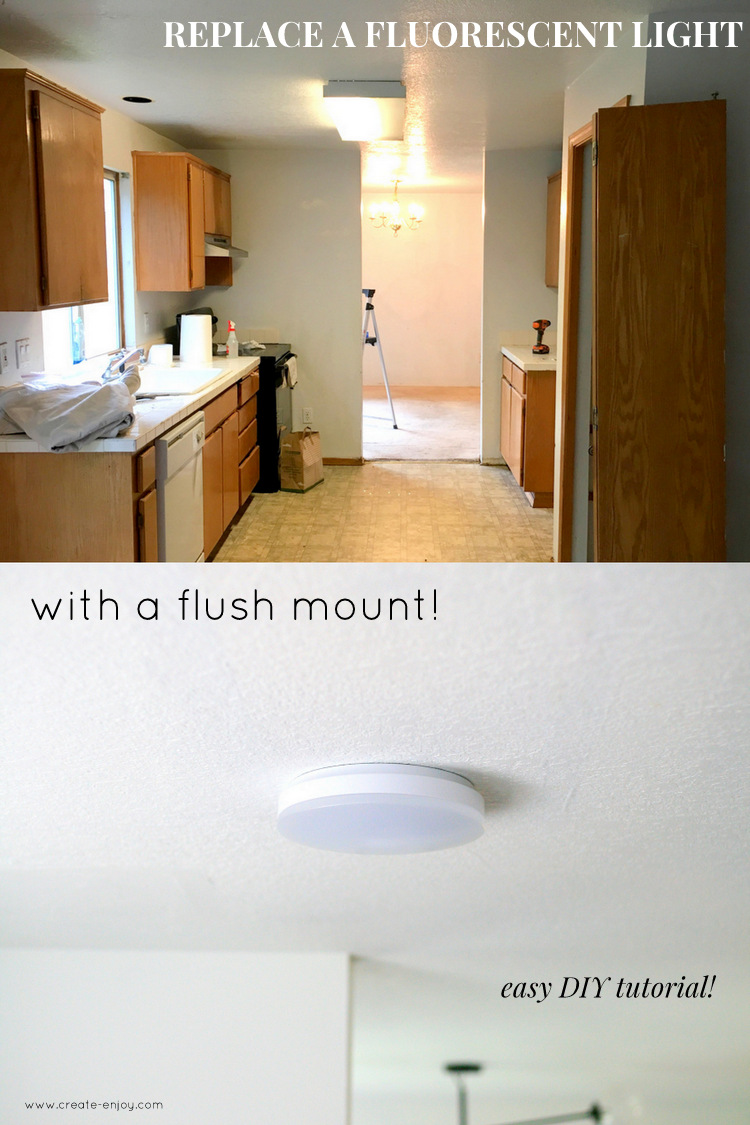
Is your kitchen’s fluorescent light harsh or uninviting? You’re not alone.
Many people find these lights too bright or dull, making the space feel cold instead of cozy. But what if you could easily change that? Learning how to cover fluorescent light in your kitchen can transform the atmosphere and make your cooking area more welcoming.
You’ll discover simple, practical ways to soften that glare and add style without spending a fortune. Keep reading to find out how to make your kitchen light work for you, not against you.
Credit: decorativelightcovers.com
Choosing The Right Cover
Choosing the right cover for your kitchen’s fluorescent light improves both function and style. A good cover softens harsh light, reduces glare, and adds to your kitchen’s decor. Focus on materials, size, shape, and color to pick the best option. The right cover fits well and lasts long while enhancing your kitchen’s look.
Materials That Work Best
Plastic covers are lightweight and easy to clean. They diffuse light softly and resist yellowing over time. Glass covers offer a classic look and are very durable. They provide clear light diffusion but require careful handling. Acrylic covers combine strength with clarity and come in various textures. Metal covers add an industrial style but may reduce light spread. Choose a material that suits your kitchen’s design and cleaning needs.
Size And Shape Considerations
Measure your fluorescent fixture before buying a cover. The cover must fit snugly without gaps. Rectangular and square covers suit most standard lights. Round covers work well for circular fixtures or recessed lights. Consider the depth of the cover to avoid interference with cabinets or shelves. A well-sized cover ensures even light distribution and easy installation.
Color And Finish Options
White or frosted covers create soft, even light that reduces eye strain. Clear covers let maximum light through but may cause glare. Matte finishes help diffuse light gently and hide fingerprints. Colored covers add mood lighting and style but reduce brightness. Choose neutral tones for a timeless look or match colors to your kitchen theme. Finishes should balance light quality and visual appeal.
Diy Cover Ideas
Covering fluorescent lights in your kitchen doesn’t have to be a costly or complicated project. With a bit of creativity and some simple materials, you can soften the harsh glow and add style to your space. Here are some DIY cover ideas that are easy to make and customize to your kitchen’s vibe.
Fabric And Paper Covers
Using fabric or paper to cover fluorescent lights is a budget-friendly way to diffuse the light and add warmth. Choose lightweight fabrics like cotton or linen, which allow light to pass through without overheating. You can stretch the fabric over a simple frame or attach it directly to the ceiling fixture with clips or adhesive strips.
Paper covers offer endless design possibilities. Try patterned parchment paper or rice paper for a soft, glowing effect. Just be sure to keep the paper a safe distance from the bulbs to avoid any fire risk. Have you ever experimented with layering different textures to create a unique light filter?
Wooden Frames And Panels
Wood adds a natural, cozy feel to the kitchen while helping to reduce glare. Building a wooden frame to fit over your fluorescent light is easier than it sounds. Use thin wooden slats or panels with cutouts to create interesting shadows and patterns on your ceiling and walls.
You can stain or paint the wood to match your kitchen décor. This approach not only covers the light but becomes a design feature in its own right. Think about how the grain or color of the wood might change the atmosphere in your cooking space.
Using Decorative Films
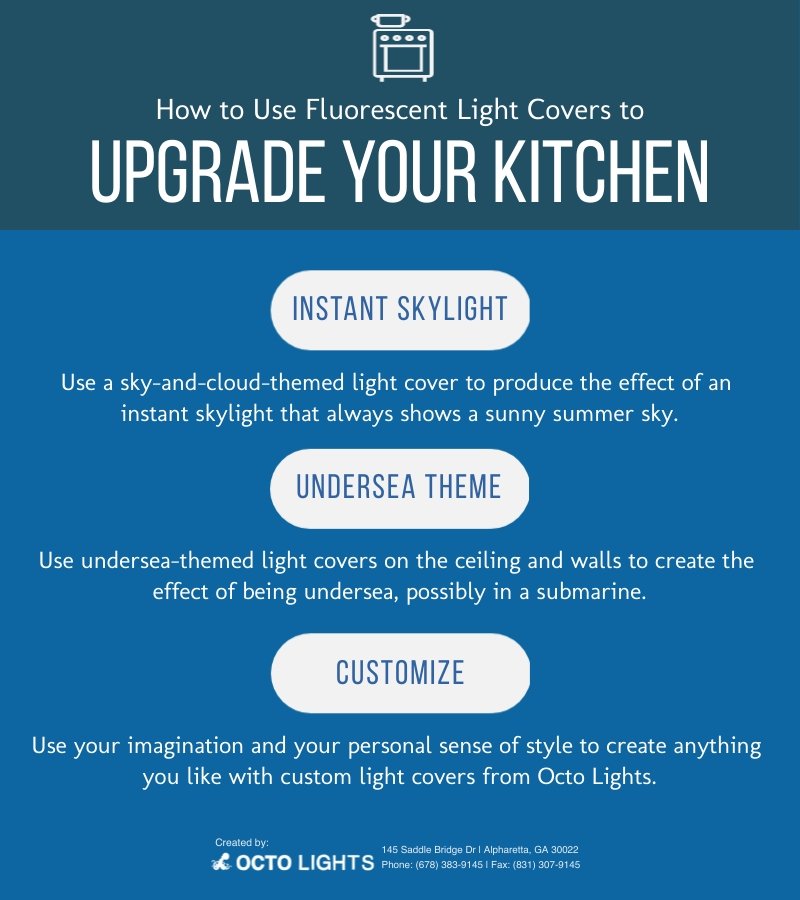
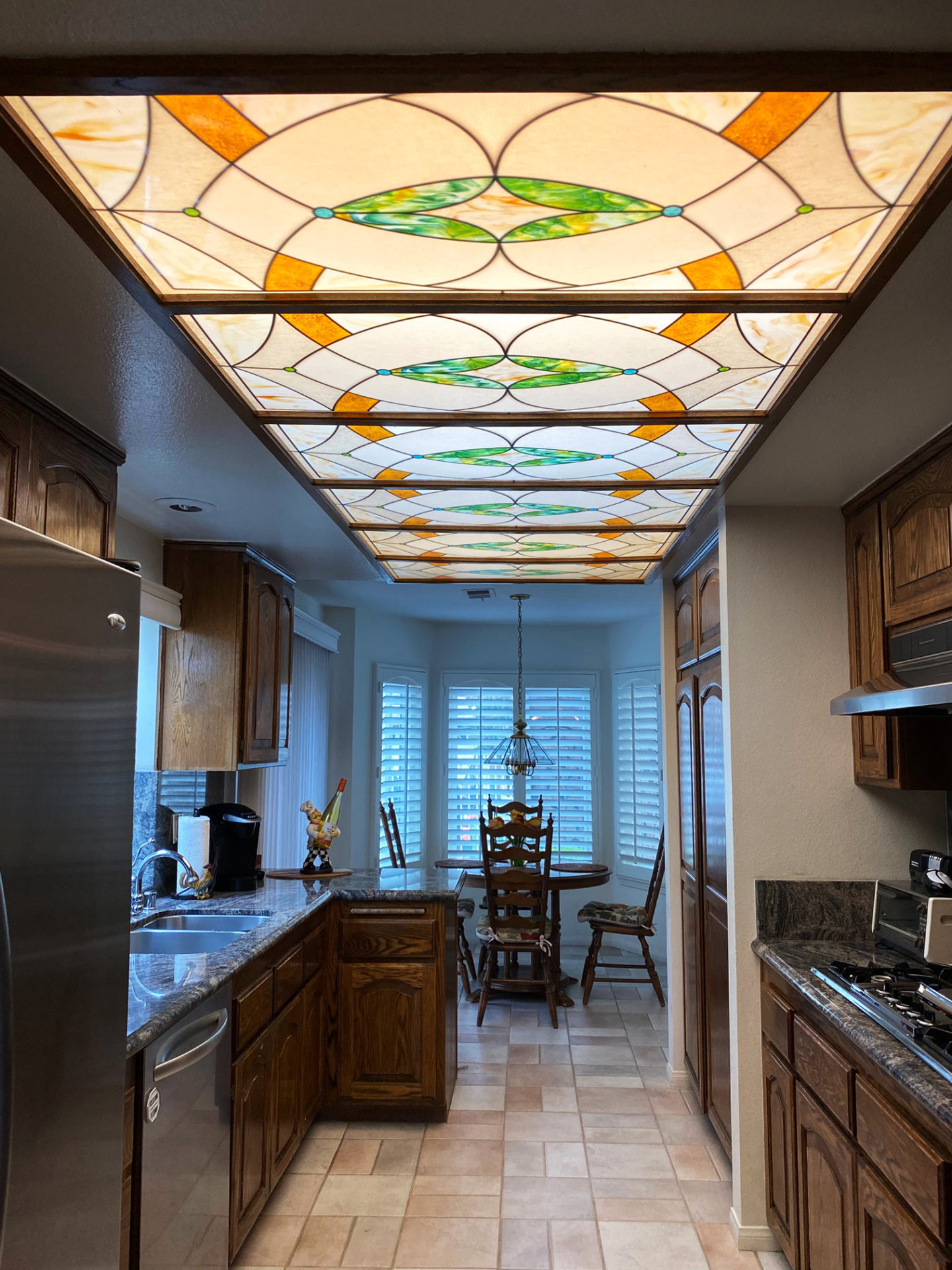
Decorative films are a sleek, modern option to cover fluorescent lights without bulky frames or fabric. These films come in various styles—frosted, stained glass, or geometric patterns—and stick directly onto the light cover. They soften the light and add a splash of color or texture.
Applying these films is straightforward and reversible, perfect if you like to refresh your kitchen look often. Have you considered how tinted films could help reduce eye strain during long cooking sessions? It’s a small change that can make your kitchen more comfortable and inviting.
Installing A Cover
Choose a lightweight cover that fits your fluorescent light fixture. Secure it carefully to avoid blocking airflow and ensure safety. This helps soften the light and improves kitchen ambiance.
Installing a cover over fluorescent lights in your kitchen can improve aesthetics and lighting quality. Many find bare fluorescent lights too harsh. A cover can diffuse the light, creating a softer ambiance. This guide will help you install a cover effectively.
Tools You’ll Need
Gathering the right tools ensures a smooth installation. You will need:
- Screwdriver
- Measuring tape
- Drill (if necessary)
- Safety goggles
- Gloves
- Cover kit
Having these tools ready saves time and effort.
Step-by-step Installation
Follow these steps for a successful installation: 1. Turn off the Power: Ensure safety by switching off the light's power source. 2. Measure the Fixture: Use a measuring tape to determine the cover size needed. 3. Prepare the Cover Kit: Unpack the cover kit and check all parts. 4. Position the Cover: Align the cover with the light fixture. 5. Secure the Cover: Use the screwdriver to attach the cover firmly. 6. Check Alignment: Ensure the cover is centered and secure. 7. Test the Light: Turn the power back on to test the light with the cover.
Safety Tips
Safety should be your priority during installation. - Wear safety goggles to protect your eyes. - Use gloves to avoid cuts or scratches. - Ensure your ladder or step stool is stable. - Double-check the power is off before starting. - Follow the cover kit's instructions carefully. These tips help prevent accidents and ensure a smooth installation process.
Creative Lighting Alternatives
Creative lighting alternatives can transform your kitchen’s look and feel. Fluorescent lights often appear harsh and outdated. Replacing them with modern options makes the space warmer and more inviting. These alternatives improve both style and functionality. They help create a cozy cooking and dining environment. Below are some effective ways to upgrade your kitchen lighting.
Replacing With Led Panels
LED panels offer bright, even light without flicker. They consume less energy than fluorescent bulbs. Installation is simple and they last longer. LED panels come in various sizes and designs. Choose one that fits your kitchen’s layout. The light is softer and more natural. This change can refresh your kitchen instantly.
Adding Dimmer Switches
Dimmer switches let you control light brightness easily. They create mood lighting for different occasions. Bright light for cooking, softer light for dining. Installing a dimmer is affordable and quick. It works with many types of bulbs, including LEDs. This small upgrade adds big comfort to your kitchen.
Layering With Pendant Lights
Pendant lights add style and focused illumination. Hang them over kitchen islands or dining tables. They create visual interest and highlight key areas. Choose designs that match your kitchen’s theme. Layering light adds depth and warmth. Pendants work well with ceiling lights or LEDs.
Maintaining Your Light Cover
Maintaining your fluorescent light cover is key to keeping your kitchen bright and inviting. A clean, well-kept cover not only improves light quality but also extends the life of your fixture. Regular attention saves you time and money on replacements and repairs.
Cleaning Tips
Dust and grease can quickly build up on your light cover, especially in a busy kitchen. Use a soft cloth or microfiber duster to wipe the surface weekly. For tougher grime, dampen the cloth with warm, soapy water, then dry immediately to avoid streaks.
Remove the cover carefully before deep cleaning. Soak it in a mixture of mild detergent and water for 10-15 minutes. Rinse well and let it air dry completely before reinstalling to prevent moisture damage.
Handling Wear And Tear
Fluorescent light covers can crack or yellow over time, especially if exposed to heat and cleaning chemicals. Handle the cover gently during cleaning and avoid harsh scrubbing. If you notice small cracks, use clear tape on the inside to prevent further damage temporarily.
Be mindful of how you remove and replace the cover; forcing it can cause breakage. If your kitchen gets very steamy or oily, consider switching to covers made from more durable materials like polycarbonate.
When To Replace
Ask yourself: Is your light cover still clear and intact? If it’s yellowed, cracked, or warped, it's time to replace it. A damaged cover reduces light output and can make your kitchen look dull, no matter how clean you keep it.
Also, if you find yourself cleaning it more than once a week because grease sticks too easily, a new cover designed to resist grime might be a better option. Remember, investing in a quality replacement improves both the look and function of your kitchen lighting.
Credit: www.fluorescentgallery.com

Credit: www.create-enjoy.com
Frequently Asked Questions
How Can I Hide Fluorescent Lights In My Kitchen?
You can hide fluorescent lights using decorative covers, diffusers, or false ceiling panels. Choose materials that soften light and match kitchen decor for a seamless look.
What Materials Work Best To Cover Kitchen Fluorescent Lights?
Frosted glass, acrylic panels, or fabric diffusers work well. These materials soften harsh light and provide a modern, clean appearance in your kitchen.
Are There Safe Ways To Cover Fluorescent Kitchen Lights?
Yes, use heat-resistant covers and ensure proper ventilation. Avoid flammable materials and keep covers away from direct bulb contact for safety.
Can I Use Diy Solutions To Cover Fluorescent Lights?
Absolutely! DIY options include painting covers, adding wooden frames, or using fabric shades. Be sure to maintain light diffusion and heat safety.
Conclusion
Covering fluorescent lights in your kitchen can improve its look and feel. Use simple materials like fabric, paper, or plastic covers for easy changes. Choose covers that let light pass through well to keep the space bright. Always make sure your covers do not block airflow or get too hot.
Try different styles until you find what fits your kitchen best. A small change can make your kitchen feel warmer and more inviting. Keep it safe, simple, and stylish for the best result.