
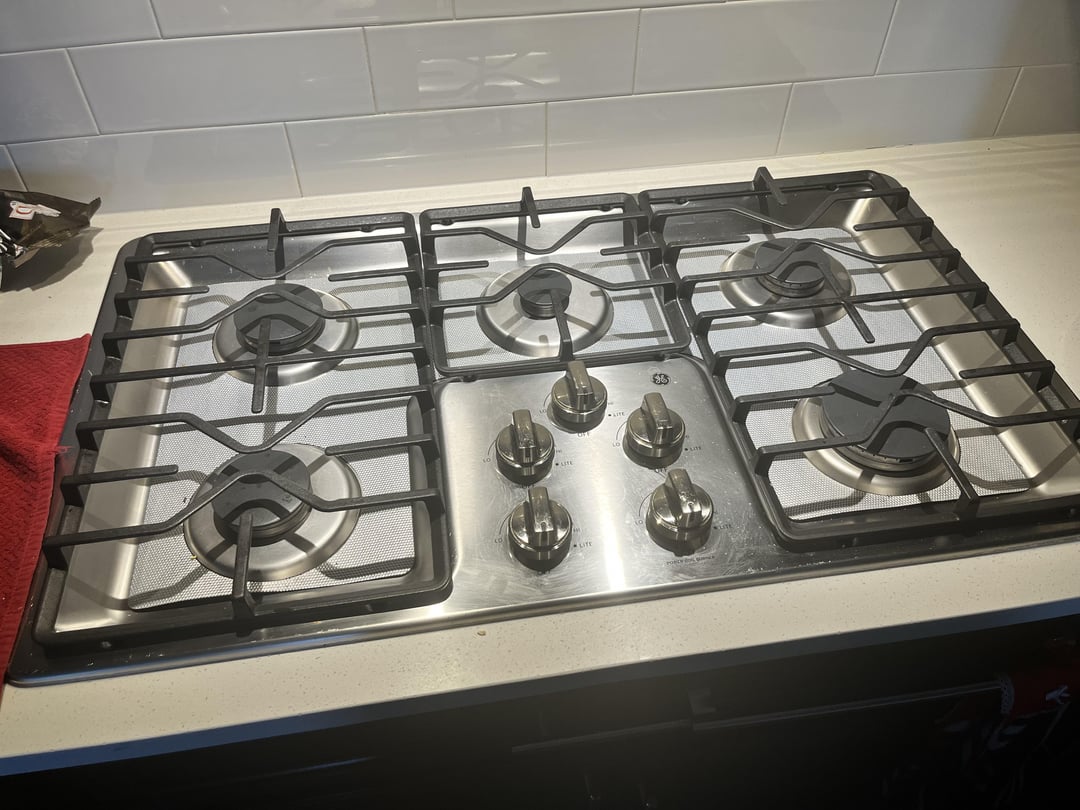
If you have a gas pipe running through your kitchen, you probably want it to look neat and safe. Leaving it exposed can make your space feel unfinished and even a little risky.
But how do you cover a gas pipe without blocking access or causing problems? You’ll discover simple, effective ways to hide your gas pipe that blend seamlessly with your kitchen design. By the end, you’ll feel confident turning that eyesore into a clean, stylish feature.
Keep reading to learn the best tips and tricks for covering your kitchen gas pipe easily and safely.
Choosing Safe Materials
Choosing the right materials to cover your kitchen gas pipe is crucial for both safety and durability. The material you pick can affect how well the pipe is protected from heat, moisture, and accidental damage. It also impacts your kitchen’s overall safety, so it’s important to be selective and informed.
Types Of Pipe Covers
There are several options available for covering gas pipes, each with its own benefits. Plastic covers are lightweight and easy to install but may not hold up well against heat. Metal covers, like aluminum or stainless steel, offer stronger protection and can withstand higher temperatures. Another choice is flexible rubber or silicone sleeves, which provide good insulation and flexibility around corners.
Heat-resistant Options
Heat resistance is a key factor to consider in a kitchen environment. Materials like stainless steel and specialized heat-resistant plastics can prevent damage from high temperatures near cooking appliances. Silicone sleeves are great for areas where the pipe might get warm but not extremely hot. Always check the temperature rating of the cover material to ensure it matches your kitchen’s conditions.
Non-toxic Materials
Your kitchen is a place where food is prepared, so the materials you use should not release harmful chemicals. Look for covers labeled as BPA-free or food-safe, especially if they are made of plastic or rubber. Metal covers are generally safe, but avoid those with lead-based paints or coatings. Choosing non-toxic materials protects your family’s health while keeping your gas pipe safe.

Credit: www.amazon.ca
Preparing The Gas Pipe
Preparing the gas pipe is a crucial step before you cover it in your kitchen. Proper preparation ensures safety and a neat finish. Taking time to clean, check, and measure the pipe can save you from costly repairs or hazards later.
Cleaning The Surface
Start by wiping down the gas pipe with a damp cloth to remove dust and dirt. Any grease or residue can prevent coverings from sticking properly. If you notice stubborn grime, use a mild detergent but avoid harsh chemicals that might damage the pipe.
After cleaning, let the pipe dry completely. A clean, dry surface helps you spot any issues and ensures coverings like paint or insulation adhere well. Have you ever tried covering something only to have the material peel off? That usually happens because the surface wasn’t properly cleaned first.
Checking For Leaks
Before you cover the pipe, check carefully for leaks. A simple way is to apply a mixture of soap and water along the pipe joints. Look closely for bubbles, which indicate escaping gas.
If you detect bubbles, don’t cover the pipe. Instead, call a professional to fix the leak immediately. Your safety is the top priority, and covering a leaking pipe could lead to dangerous situations.
Measuring Pipe Length
Take accurate measurements of the gas pipe length you plan to cover. Use a tape measure and note down the exact dimensions, including any bends or joints. This helps you buy the right amount of covering material and avoid waste.
Consider extra length for overlap or adjustments. Have you ever bought less material than needed and had to make multiple trips? Measuring carefully upfront saves time and effort.
Diy Covering Methods
Covering gas pipes in the kitchen can enhance its look. DIY methods offer creative solutions. These methods are affordable and easy to implement. They help blend pipes with your kitchen's design. Let's explore some DIY covering techniques.
Using Decorative Covers
Decorative covers come in various styles and colors. Choose one that matches your kitchen theme. These covers snap on easily and hide unsightly pipes. They add a stylish touch without extensive work. You can find them at most hardware stores.
Installing Pipe Boxing
Pipe boxing involves creating a box around the pipe. Use wood or MDF for this purpose. Paint the box to match your kitchen walls. This method offers a clean and seamless look. It also provides extra protection for the pipes.
Applying Heat-resistant Tape
Heat-resistant tape is practical and effective. It covers pipes and withstands high temperatures. Choose a tape that complements your kitchen's color scheme. Wrap it around the pipes for a neat appearance. This method is cost-effective and quick to apply.
Safety Tips During Installation
Covering a gas pipe in your kitchen requires careful attention to safety. Ignoring safety measures can lead to serious accidents. Here are key tips to keep your installation secure and efficient.
Turning Off Gas Supply
Always switch off the gas supply before starting any work. This step prevents gas leaks, which can cause fires or explosions. Locate your main gas valve and confirm it is fully closed.
Double-check by attempting to light a gas appliance after turning off the supply. If it doesn’t ignite, the gas is off. This simple test ensures your safety before you begin.
Working In Well-ventilated Areas
Good ventilation reduces the risk of gas buildup during installation. Open windows and doors or use fans to keep fresh air flowing. This precaution helps disperse any accidental gas leaks quickly.
Have you noticed how stale air can feel heavier? That’s a sign gas could be lingering. Keep your workspace airy to protect yourself and others in the kitchen.
Using Proper Tools
Use tools designed for gas pipe work, like pipe wrenches and thread sealants rated for gas lines. Avoid makeshift tools that may damage pipes or fittings. Proper tools make the job safer and easier.
Insist on quality materials and equipment. Cheap or incorrect tools can cause leaks or breaks, leading to costly repairs and hazards. Your safety is worth investing in the right gear.
Maintaining Covered Gas Pipes
Maintaining covered gas pipes in your kitchen is crucial for safety and durability. Proper upkeep helps prevent leaks, corrosion, and damage that could lead to costly repairs or hazardous situations. You don’t have to be a professional to keep your gas pipes in top shape—just a bit of regular care and attention can go a long way.
Regular Inspections
Check your gas pipe covers at least once a month. Look for any cracks, dents, or signs of corrosion on the cover material. Don’t forget to inspect the connections where the cover meets the wall or appliances, as these spots can be vulnerable.
If you spot anything unusual, such as a loose cover or discoloration, act quickly. Ignoring small problems often leads to bigger ones. Have you noticed any strange smells or sounds near your gas pipes? These could be warning signs that need immediate attention.
Cleaning Covers
Keep the covers clean to avoid buildup of dust, grease, or grime. Use a damp cloth with mild soap to wipe the surface gently. Avoid harsh chemicals that might damage the cover or affect the gas pipe underneath.
Cleaning also helps you spot potential issues early. For example, a clean cover makes it easier to see hairline cracks or rust spots. How often you clean depends on your kitchen’s use, but a monthly routine works well for most homes.
Addressing Wear And Tear
Gas pipe covers can wear down over time due to heat, moisture, and accidental knocks. When you notice peeling paint, rust, or loose fittings, replace or repair the cover promptly. Small fixes like tightening screws or applying rust-resistant paint can extend the cover’s life.
Don’t wait for visible damage to get worse. If your kitchen experiences high humidity or frequent cooking splatters, check your covers more often. Have you considered upgrading to more durable materials like metal or PVC for better long-term protection?

Credit: www.reddit.com
Credit: www.temu.com
Frequently Asked Questions
How Can I Safely Cover A Gas Pipe In The Kitchen?
Use non-combustible materials like metal or cement board to cover gas pipes safely. Ensure proper ventilation and avoid sealing the pipe completely. Always follow local building codes and consult a professional if unsure.
What Materials Are Best For Covering Kitchen Gas Pipes?
Metal enclosures, cement boards, and heat-resistant drywall are ideal for covering gas pipes. These materials prevent fire hazards and allow easy access for maintenance. Avoid flammable materials like wood or plastic near gas pipes.
Is It Necessary To Hide Gas Pipes In The Kitchen?
Hiding gas pipes improves kitchen aesthetics and protects pipes from damage. However, ensure covers do not obstruct ventilation or access for repairs. Proper coverage enhances safety and maintains a clean look.
Can I Cover Gas Pipes Myself Or Hire A Professional?
DIY covering is possible with basic skills and knowledge of safety codes. However, hiring a licensed professional ensures compliance with regulations and reduces risks. Always prioritize safety when dealing with gas lines.
Conclusion
Covering gas pipes in the kitchen keeps your space safe and neat. Choose materials that resist heat and are easy to clean. Measure the pipes carefully before buying covers or boxes. Secure the cover well to avoid accidents and leaks.
Regularly check the cover for damage or wear. A tidy kitchen looks better and feels safer. Small steps can make a big difference in your home’s safety. Start with simple covers and improve your kitchen today.