
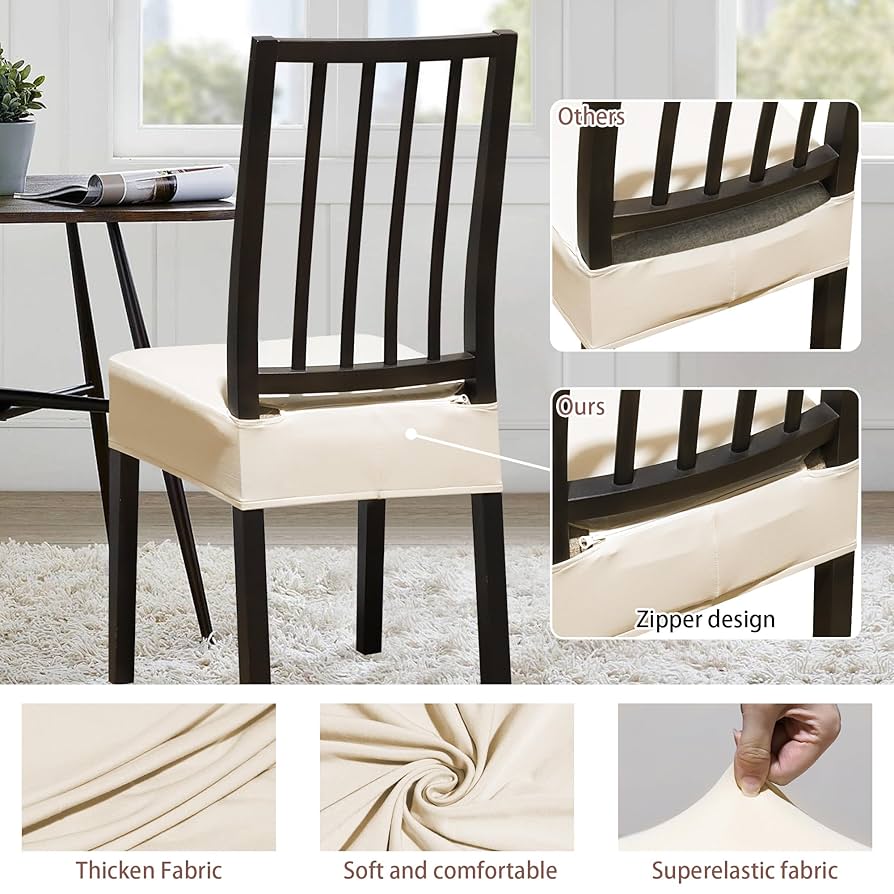
Are your kitchen chair seats looking worn out or outdated? You don’t have to replace the entire chair to give your kitchen a fresh new look.
Covering your kitchen chair seats is an easy and affordable way to bring style and comfort back to your dining area. Whether you want to protect your chairs from spills or simply update their appearance, this guide will show you simple steps and smart tips to achieve a perfect fit and finish.
Keep reading, and you’ll discover how to transform your chairs quickly—making your kitchen feel inviting and cozy again.
Choosing The Right Fabric
Choosing the right fabric for kitchen chair seats makes a big difference. The fabric affects comfort, style, and how long the covers last. Picking fabric that fits your needs helps keep your chairs looking fresh and cozy.
Durability And Comfort
Kitchen chairs get a lot of use. Choose fabric that can handle spills and wear. Look for materials like cotton blends or polyester. They clean easily and resist stains. Softness matters too. The fabric should feel nice to sit on every day.
Patterns And Colors
Fabric patterns and colors add style to your kitchen. Solid colors offer a clean, simple look. Patterns like stripes, florals, or checks bring personality. Pick colors that match your kitchen’s theme. Dark colors hide stains better, while light shades brighten the space.
Budget-friendly Options
Good fabric does not have to be expensive. Affordable choices like canvas or linen blends work well. These fabrics look nice and handle wear without breaking the bank. Buying fabric by the yard lets you cover multiple chairs with one purchase.
Tools And Materials Needed
Before you start covering your kitchen chair seats, gathering the right tools and materials is key. Having everything at hand saves you from frustrating interruptions and helps you stay focused on transforming your chairs. Let’s look at what you’ll need to make the process smooth and enjoyable.
Basic Sewing Supplies
- Fabric:Choose a durable, easy-to-clean fabric like cotton, canvas, or polyester. Think about your kitchen’s style and how often you’ll use the chairs.
- Scissors:Sharp fabric scissors ensure clean cuts and prevent fraying.
- Measuring Tape:Accurate measurements help you avoid wasting fabric or ending up with a poor fit.
- Needle and Thread:Even if you plan to use a sewing machine, having hand-sewing needles and matching thread is handy for small fixes.
- Sewing Machine (optional):If you want neat, strong seams, a basic machine speeds things up, but you can sew by hand if needed.
Adhesives And Fasteners
- Staple Gun:This is often the easiest way to attach fabric to the seat base securely.
- Staples:Get heavy-duty staples that fit your gun to avoid jams or weak holds.
- Spray Adhesive:Using spray adhesive can help keep fabric in place before stapling.
- Velcro Strips or Ties:For seats that need removable covers, these are perfect fasteners that keep things tidy and easy to wash.
Optional Decorative Elements
- Trim or Piping:Adding trim can give your chair seats a polished, custom look.
- Buttons or Tufting Supplies:If you want a tufted look, you’ll need buttons and a long needle to pull the fabric tight.
- Fabric Paint or Stencils:Customize plain fabric with patterns or designs to match your kitchen’s vibe.
Have you thought about which tools feel easiest to use for you? Sometimes choosing between hand sewing and a machine can make or break your enthusiasm for the project. Pick what fits your comfort level and available time. Ready to gather your supplies and start creating?
Preparing The Chairs
Clear dirt and dust from the chair seats before covering. Remove old fabric and staples carefully to create a smooth surface. Measure the seat size to choose the right cover.
Preparing your kitchen chairs for new covers can transform your dining area. A fresh look can brighten the room and enhance your home's style. Before you start, it's crucial to prepare your chairs properly. Follow these steps to ensure the best results.
Removing Old Covers
Begin by taking off the old covers. Use a screwdriver to remove any screws holding the seat in place. Carefully pull away the fabric without tearing it. If staples are used, a staple remover will help. Keep the removed fabric as a pattern for the new covers.
Cleaning And Repairing Seats
Check the seats for dirt or damage. Clean them with a mild detergent and a damp cloth. Allow them to dry completely before proceeding. If there are loose parts, secure them with wood glue or screws. A solid base ensures the new covers last longer.
Measuring For New Covers
Accurate measurements are key to perfect fitting covers. Use a measuring tape to determine the seat's width and length. Add a few extra inches for folding and stapling. Record these measurements for reference when cutting your new fabric.
No-sew Cover Ideas
No-sew options are perfect if you want a quick, budget-friendly way to update your kitchen chair seats without a trip to the sewing machine. These ideas let you customize your chairs with minimal effort and zero stitching. Whether you want something temporary or a longer-lasting fix, no-sew covers can transform your space fast.
Using Slipcovers
Slipcovers are an easy way to refresh your chairs. You can buy ready-made covers or repurpose old pillowcases and fabric pieces. Simply stretch the fabric over the seat and tuck it under tightly.
Slipcovers protect the original fabric and are easy to remove when you want to change styles or clean them. Have you tried using elastic bands or Velcro strips underneath to keep the slipcover snug? It’s a simple trick to prevent slipping during meals.
Adhesive Fabric Wraps
Adhesive fabric wraps stick directly onto the seat, creating a smooth, custom look without any sewing. These wraps often come with a peel-and-stick backing, similar to contact paper, making them perfect for quick makeovers.
They come in various colors and patterns, so you can match your kitchen décor easily. Just make sure to clean the seat surface well before applying to get the best adhesion. If you’re worried about removing them later, test a small corner first to see how it peels off.
Tying Fabric With Ribbons
Tying fabric with ribbons adds a charming, handcrafted touch to your kitchen chairs. Cut a piece of fabric slightly larger than the seat, place it over, and secure it underneath by tying ribbons at the corners or sides.
This method lets you change covers in seconds and gives you the freedom to mix and match patterns and colors. What patterns would you choose to brighten your kitchen? Floral, stripes, or bold solids can completely change the vibe.
Sewing Custom Covers
Sewing custom covers for your kitchen chair seats gives you full control over style, fit, and comfort. It’s a rewarding project that lets you choose fabrics matching your kitchen’s vibe while protecting the seats from spills and wear. Plus, you get the satisfaction of creating something uniquely yours, tailored perfectly to your chairs.
Cutting Fabric Patterns
Start by measuring the seat dimensions carefully—length, width, and thickness matter. Add an extra inch around each side for seam allowances and ease of handling.
Use paper or lightweight fabric to create a pattern first. This step helps you avoid cutting mistakes on your main fabric. Don’t forget to mark where seams and corners will fold.
Think about the fabric’s grain direction; cutting along the grain ensures your cover maintains shape and durability. Have you checked if your fabric has a pattern that needs aligning?
Basic Stitching Techniques
Use a straight stitch for most seams; it’s strong and simple to sew. If your fabric frays, consider a zigzag stitch or serger finish on raw edges for a clean look.
Secure corners with backstitching to prevent unraveling over time. Sewing slowly around curves helps keep smooth edges—don’t rush this part.
Try sewing a small test piece first to adjust tension and stitch length. This can save you from frustrating errors on your actual cover.
Adding Cushions For Comfort
Adding foam padding beneath your fabric cover transforms a hard seat into a cozy spot. Choose high-density foam for durability and support.
Cut the foam to match your seat size, then layer it between the seat and fabric cover. Attach it securely using spray adhesive or a few hand stitches.
Consider adding a thin batting layer over the foam for extra softness and a smoother fabric finish. Have you felt how much more inviting a cushioned chair becomes?

Credit: www.amazon.com
Using Chair Pads And Cushions
Using chair pads and cushions is a simple way to refresh kitchen chairs. They add comfort and protect the seat surface from wear. Chair pads come in many colors, fabrics, and sizes. They are easy to place and can change the look of your kitchen instantly.
Choosing the right pad or cushion depends on your chair type and daily use. It is important to pick the right thickness and secure the pads well. Mixing different styles can also create a fun and unique look for your kitchen.
Choosing The Right Thickness
Chair pads vary in thickness from thin to plush. Thin pads offer a bit of softness without changing the chair height. Thick cushions provide extra comfort for long sitting times. Consider how much padding your chairs need for daily use. Too thick can make the chair unstable or hard to sit on. A medium thickness often works best for balance and comfort.
Attaching Pads Securely
Loose pads can slip and cause discomfort. Many chair pads come with ties or non-slip backing. Ties wrap around the chair legs or back for a tight hold. Non-slip pads grip the seat surface to prevent sliding. You can also use double-sided tape or Velcro strips for extra security. Check the fit often to keep pads in place and safe.
Mixing And Matching Styles
Mixing styles creates a playful and inviting kitchen space. Combine different colors, patterns, and textures of chair pads. Use stripes, solids, or floral designs to add personality. Match some pads to your kitchen decor for harmony. Use contrasting colors to highlight each chair. Mixing styles keeps the look fresh and interesting.
Maintenance And Care Tips
Keeping kitchen chair seats looking fresh needs regular care. Proper maintenance helps your covers last longer and stay clean. Simple habits can prevent stains and damage. Understand how to clean, replace, and protect your chair covers for best results.
Cleaning Different Fabrics
Each fabric type needs special cleaning care. Check the label for washing instructions.
- Cotton:Wash in cold water with mild detergent. Air dry to avoid shrinking.
- Polyester:Machine wash on gentle cycle. Use low heat for drying.
- Vinyl or Leather:Wipe with a damp cloth and mild soap. Avoid harsh chemicals.
- Linen:Hand wash or use gentle machine cycle. Do not bleach.
Spot clean spills immediately to prevent stains. Use soft brushes to remove dirt without damaging fabric.
Replacing Covers Easily
Choose covers with elastic edges or ties for easy removal. Slip them off without struggling or damaging the fabric.
Keep spare covers for quick changes. Wash dirty covers while using clean ones to avoid gaps.
Label covers by chair type to find the right fit fast. This keeps your kitchen organized and tidy.
Extending The Life Of Your Covers
Rotate covers regularly to distribute wear evenly. Avoid sitting with sharp objects in pockets.
Store covers in a dry, cool place when not in use. Protect them from direct sunlight to prevent fading.
Use fabric protectors or sprays to guard against stains and spills. Always test sprays on small areas first.

Credit: www.amazon.com

Credit: www.walmart.com
Frequently Asked Questions
How Do I Choose Fabric For Kitchen Chair Seats?
Choose durable, stain-resistant fabric for kitchen chairs. Opt for materials like cotton blends or vinyl. Consider colors and patterns that match your kitchen décor. Ensure the fabric is easy to clean and maintain for longevity.
What Tools Are Needed To Cover Kitchen Chair Seats?
You need fabric, scissors, staple gun, screwdriver, and foam padding. Remove the seat from the chair first. Cut fabric slightly larger than seat size. Use the staple gun to secure fabric underneath the seat.
How Can I Remove Old Fabric From Kitchen Chair Seats?
Start by unscrewing the seat from the chair. Use a flathead screwdriver or pliers to remove staples or tacks. Pull off the old fabric carefully. Clean the seat base before applying new fabric.
Can I Use Foam Padding To Improve Chair Comfort?
Yes, foam padding adds comfort and support to seats. Choose high-density foam for durability. Cut foam to fit the seat size. Attach foam securely before covering with fabric.
Conclusion
Covering kitchen chair seats can refresh your space quickly. Choose fabrics that suit your style and needs. Measure seats carefully to ensure a good fit. Use simple tools and follow easy steps for best results. Changing covers protects chairs and adds color or texture.
This small project brings comfort and style to your kitchen. Enjoy a fresh look without buying new furniture. Try different patterns to match your home’s vibe. Small changes can make a big difference. Your kitchen will feel cozy and inviting once again.