
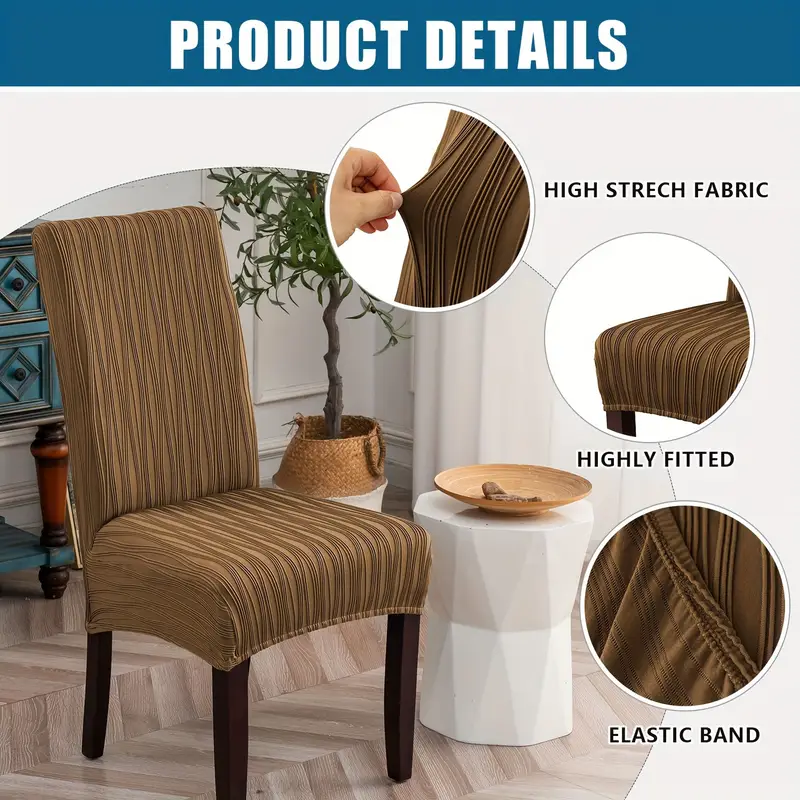
Are your kitchen chairs looking tired or outdated? Covering them with fabric is a simple and affordable way to give your space a fresh, new look.
You don’t need special skills or expensive tools to do it. With the right steps, you can transform your chairs into stylish, comfortable seats that match your home’s vibe perfectly. Ready to learn how to cover your kitchen chairs with fabric and make your dining area stand out?
Keep reading, and you’ll discover easy tips and tricks that anyone can follow.
Choosing The Right Fabric
Choosing the right fabric is key to covering kitchen chairs well. It affects how the chairs look and how long the cover lasts. The fabric must handle daily use and spills without fading or tearing. It should also match your kitchen style and be easy to clean. Picking fabric with these points in mind helps create a practical and attractive chair cover.
Fabric Types For Durability
Durability matters most for kitchen chairs. Look for fabrics that resist stains and wear. Some good options include:
- Canvas:Thick and strong, perfect for heavy use.
- Denim:Tough and easy to clean.
- Microfiber:Soft but durable, repels stains well.
- Polyester blends:Long-lasting and resistant to wrinkles.
Natural fibers like cotton are comfy but may wear out faster. Choose fabrics with a tight weave for better strength.
Color And Pattern Selection
Color affects the kitchen’s look and hides stains. Dark colors or patterns hide dirt better than light shades. Patterns can add style and mask spills. Consider:
- Neutral tones for a classic look.
- Bright colors to add energy.
- Small prints or stripes to hide marks.
Match colors with your kitchen decor for a balanced appearance.
Fabric Care Considerations
Easy care fabrics save time and effort. Choose materials that clean well and dry fast. Check if the fabric is machine washable or needs spot cleaning. Avoid fabrics that shrink or fade quickly. Consider:
- Stain-resistant finishes.
- Fabrics that repel liquids.
- Materials that hold color after washing.
Good care features keep chair covers fresh and lasting longer.
Credit: www.walmart.com
Tools And Materials Needed
Before you start covering your kitchen chairs with fabric, gathering the right tools and materials is essential. Having everything on hand saves time and prevents frustration halfway through your project. Let’s break down what you’ll need to make the process smooth and successful.
Basic Sewing Supplies
You'll need some basic sewing tools to handle the fabric and ensure a neat finish. A good quality sewing machine speeds up the process, but you can also sew by hand if you prefer.
- Sewing machine:Choose one that handles thick fabrics well.
- Needles:Use heavy-duty needles suitable for upholstery fabric.
- Thread:Pick a strong, durable thread that matches your fabric color.
- Scissors:Sharp fabric scissors make clean cuts easier.
- Pins or clips:These hold fabric pieces in place while sewing.
Measuring Tools
Accurate measurements are key to a perfect fit. You don’t want your fabric too loose or too tight on the chair.
- Measuring tape:A flexible tape measure helps capture curves and angles.
- Ruler or straight edge:For marking straight lines on fabric.
- Chalk or fabric marker:Use these to mark cutting lines without permanent damage.
Additional Accessories
Some extra items can make your project easier and give your chairs a professional look.
- Staple gun:Essential for attaching fabric tightly to wooden frames.
- Foam padding or batting:Adds comfort and smooths out the surface under the fabric.
- Upholstery tacks or decorative nails:Useful for finishing edges or adding style.
- Seam ripper:Mistakes happen—this helps fix them quickly.
Do you have all these tools ready? Starting with the right materials will make your kitchen chair makeover easier and more enjoyable.
Measuring Your Chairs
Measure the seat width and depth carefully for a perfect fabric fit. Don’t forget to note the chair back height and any curves. Accurate measurements make covering kitchen chairs easier and neater.
Measuring Your Chairs When it comes to updating the look of your kitchen chairs with fresh fabric, getting the measurements right is crucial. It ensures a snug fit and avoids unnecessary wastage of material. Let’s break down the steps to measure your chairs accurately.
Seat Dimensions
Start by measuring the seat of your kitchen chair. Use a tape measure to find the width by measuring from one side of the seat to the other. Then, measure the depth from the front edge to where the seat meets the backrest. If your chair has a curved seat, measure at the widest and deepest points. This will help you ensure that the fabric covers the entire area without awkward gaps.
Backrest Measurements
Next, turn your attention to the backrest. First, measure the width of the backrest at its widest point. Follow this by measuring the height from the top of the backrest down to where it meets the seat. Consider if the backrest is thicker at the top or sides, as this will affect how much fabric is needed. Accurate backrest measurements ensure the fabric lays smoothly and enhances the chair’s comfort.
Accounting For Cushion Thickness
Don’t forget to factor in the thickness of any cushions. This is crucial for a tight and comfortable fit. Measure the thickness of the seat cushion by placing the tape measure at the top of the cushion and extending it to the bottom. A thicker cushion means you’ll need more fabric to cover it properly. This step ensures that the final look is plush and professional. Accurate measurements transform your DIY project from a simple fabric swap into a stunning makeover. Imagine the satisfaction when your chairs look brand new without the hefty price tag. So, what are you waiting for? Grab that tape measure and let the transformation begin!

Credit: www.les-affutes.ca
Cutting The Fabric
Cutting the fabric accurately is a crucial step in covering your kitchen chairs. It sets the foundation for a neat and professional-looking finish. Without precise cutting, even the best fabric won’t fit properly or look right on your chairs.
Creating A Pattern Template
Start by making a pattern template using kraft paper or newspaper. Lay your chair seat and backrest on the paper, then carefully trace their shapes. Add about an inch around the edges for seam allowance and tucking.
This template lets you test the shape before cutting the actual fabric. I once skipped this step and ended up with fabric pieces that didn’t match the chair’s curves, causing a lot of wasted material.
Marking Fabric Accurately
Place your pattern template on the fabric and pin it down to prevent shifting. Use a fabric chalk or a washable marker to trace around the template. Make sure to mark any important points like corners or curves clearly.
Double-check that your fabric grain aligns with the chair’s shape to avoid stretching or warping once covered. Taking time here makes the next steps much easier and ensures a smooth fit.
Cutting Tips For Precision
- Use sharp fabric scissors instead of regular ones to get clean edges.
- Cut slowly and follow the marked lines closely.
- Keep the fabric flat on a hard surface to avoid uneven cuts.
- Cut one piece at a time to maintain control and accuracy.
Have you ever tried rushing this part? It often leads to jagged edges and uneven fits. Taking your time with precise cuts saves you frustration and extra work later on.
Sewing The Covers
Sewing the covers for your kitchen chairs brings your project to life. This step transforms fabric pieces into a neat, custom fit. Sewing allows control over the shape and durability of the cover. A few basic sewing skills help create covers that look great and last long.
Basic Stitch Techniques
Start with simple stitches like the straight stitch and backstitch. These hold fabric pieces together firmly. Use a sewing machine or sew by hand. Keep stitches even and tight to avoid gaps. For edges, use a zigzag stitch to prevent fraying. Practice on scrap fabric before sewing the covers.
Assembling The Pieces
Lay out all fabric pieces flat. Match edges carefully before sewing. Pin the pieces together to keep fabric from shifting. Sew along the pinned edges slowly. Press seams open with an iron for a smooth finish. Check the fit often by placing the cover on the chair. Make adjustments if the cover feels too loose or tight.
Adding Elastic Or Ties
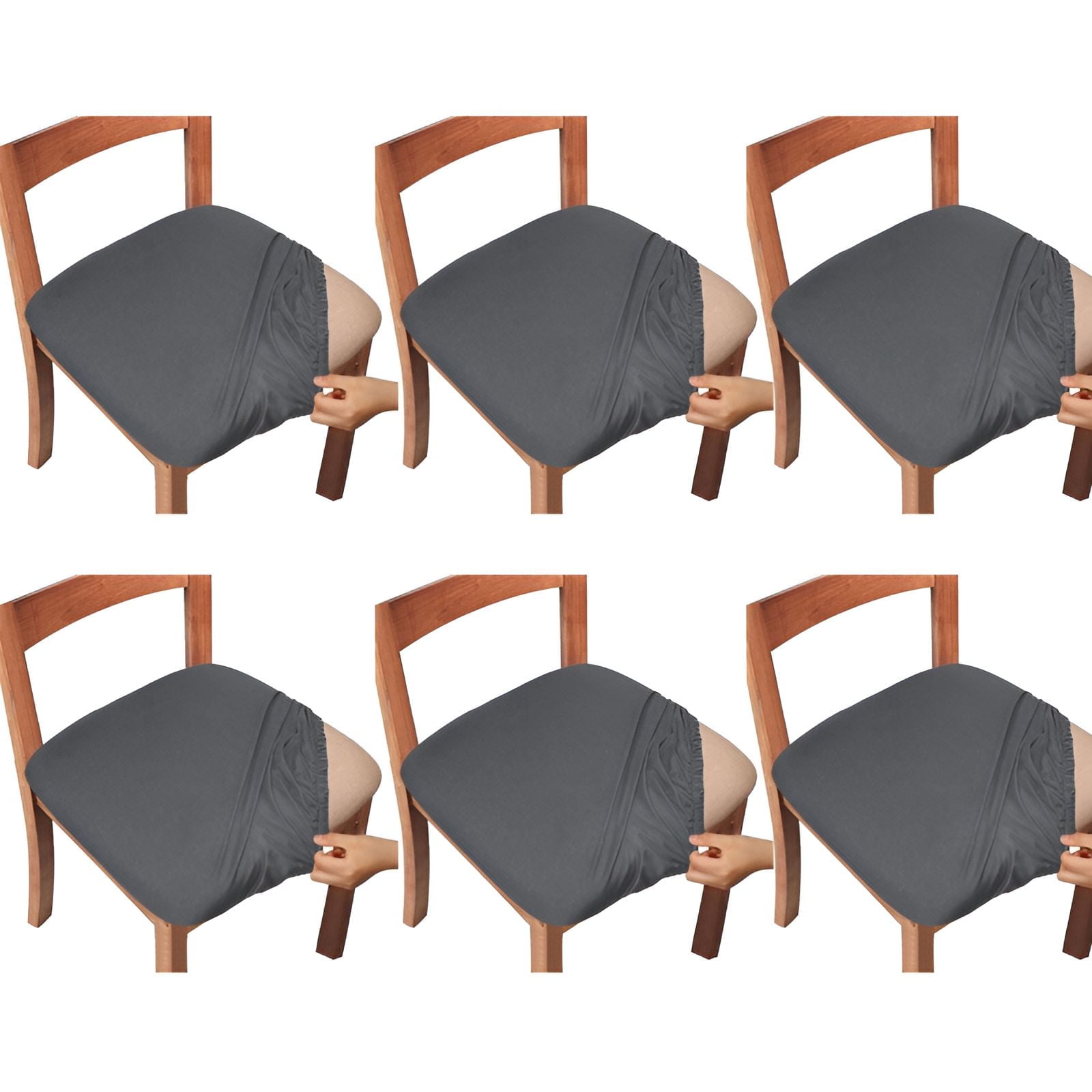
Elastic helps the cover hug the chair snugly. Cut elastic strips to fit under the chair seat. Sew elastic into the bottom edge of the cover. Stretch the elastic slightly as you sew. Ties offer another way to secure the cover. Sew fabric strips to corners or sides. These can be tied under or behind the chair legs. Both elastic and ties keep covers in place during use.
Fitting The Covers
Fitting fabric covers on your kitchen chairs can transform their look instantly. But the key to a polished appearance lies in how well the covers fit. Getting the cover to sit properly not only improves aesthetics but also ensures durability and comfort.
Placing The Cover On The Chair
Start by positioning the cover over the chair’s backrest. Make sure the patterned side or the side you want visible is facing out. Gently pull the cover down over the seat, smoothing out any wrinkles as you go.
Pay close attention to corners and curves. These are often tricky spots that need careful handling to avoid bunching. If the chair has arms, drape the fabric evenly on both sides to prevent lopsidedness.
Adjusting For A Snug Fit
After placing the cover, check if it fits tightly without pulling or sagging. You want the fabric to hug the chair’s shape closely. If you notice loose areas, pull the fabric gently but firmly to tighten it.
Sometimes, adjusting the fabric around the seat and backrest separately helps. Try shifting the cover slightly up or down to see where it fits best. A snug fit not only looks neat but also prevents the cover from sliding when you sit.
Securing Loose Ends
Once the cover fits well, address any loose fabric at the bottom or sides. Tuck these ends under the seat or use fabric clips to keep them in place. If your cover came with ties or elastic bands, use them to fasten the fabric securely.
Have you ever had a cover slip off at the worst moment? Securing loose ends stops that from happening. It also keeps the fabric from wearing out quickly by reducing unnecessary movement.
Maintenance And Cleaning
Keeping your fabric-covered kitchen chairs clean helps them look fresh longer. Regular care prevents stains and dirt buildup. Proper cleaning also protects the fabric’s color and texture. Simple maintenance routines extend the life of your chair covers and keep your kitchen inviting.
Washing Instructions
Check the fabric tag for washing guidelines. Most covers can be machine washed on a gentle cycle. Use cold water to avoid shrinking or fading. Choose mild detergent without bleach or harsh chemicals. Air dry covers to prevent damage from heat. Avoid wringing or twisting the fabric to keep its shape.
Spot Cleaning Tips
Act quickly on spills to stop stains from setting. Blot the area gently with a clean cloth or paper towel. Use a mild soap solution and a soft brush for stubborn spots. Test cleaning products on a hidden area first. Avoid rubbing the fabric hard to prevent damage. Repeat spot cleaning as needed until the stain fades.
Fabric Longevity Tips
- Rotate covers regularly to reduce uneven wear.
- Keep chairs away from direct sunlight to prevent fading.
- Vacuum fabric with a soft brush attachment weekly.
- Remove crumbs and dust promptly to avoid buildup.
- Store extra covers in a cool, dry place to avoid mildew.

Credit: www.aliexpress.com
Creative Design Ideas
Giving your kitchen chairs a fresh look with fabric covers opens a world of creative possibilities. You can completely change the mood of your space by playing with colors, patterns, and textures. The trick is to think beyond just covering the chairs—use fabric to express your style and add personality to your kitchen.
Mixing And Matching Fabrics
Why settle for one fabric when you can mix and match? Try combining solids with prints or pairing different textures like linen and velvet. This creates visual interest and can make your chairs stand out as unique pieces.
Think about coordinating colors rather than matching them exactly. For example, use a floral print on the seat and a solid complementary color for the backrest cover. Have you noticed how mixing patterns can bring energy to a plain kitchen?
Adding Decorative Elements
Fabric covers don’t have to be plain. Add buttons, ribbons, or lace trims to give them a custom touch. These small details catch the eye and make your chairs look professionally styled.
You might sew on contrasting piping along the edges or attach fabric rosettes at the corners. Even simple ties made from fabric scraps can turn a basic cover into a charming statement. What details would you add to make your chair covers feel special?
Seasonal Cover Changes
One of the best parts about fabric covers is how easy it is to switch them out with the seasons. Use light, bright fabrics for spring and summer, and cozy, warm tones for fall and winter. This keeps your kitchen feeling fresh all year long.
Consider having two or three sets of covers ready to change with the weather. It’s a budget-friendly way to update your space regularly without buying new furniture. How often do you refresh your kitchen’s look?
Frequently Asked Questions
How Do I Choose Fabric For Kitchen Chairs?
Choose durable, stain-resistant fabric like cotton or polyester blends. Consider colors and patterns that hide stains. Ensure the fabric is easy to clean and complements your kitchen decor.
What Tools Are Needed To Cover Kitchen Chairs With Fabric?
You will need fabric, scissors, staple gun, screwdriver, foam padding, and a measuring tape. These tools help remove old fabric and securely attach new fabric to chairs.
Can I Reuse Old Fabric To Cover Kitchen Chairs?
Yes, if the fabric is clean and durable. Old fabric can save money and add a unique look. Make sure it’s free from tears and stains before reuse.
How Long Does It Take To Cover Kitchen Chairs With Fabric?
It usually takes 1-2 hours per chair. Time depends on chair complexity and your experience. Planning and preparation can speed up the process.
Conclusion
Covering kitchen chairs with fabric can refresh any space quickly. Choose the right fabric and tools to make the process smooth. Measure carefully to ensure a good fit on each chair. Take your time to attach the fabric neatly and securely.
The result will protect your chairs and add style to your kitchen. Small changes like this can make your home feel new again. Try this simple project for a cozy, updated look.