
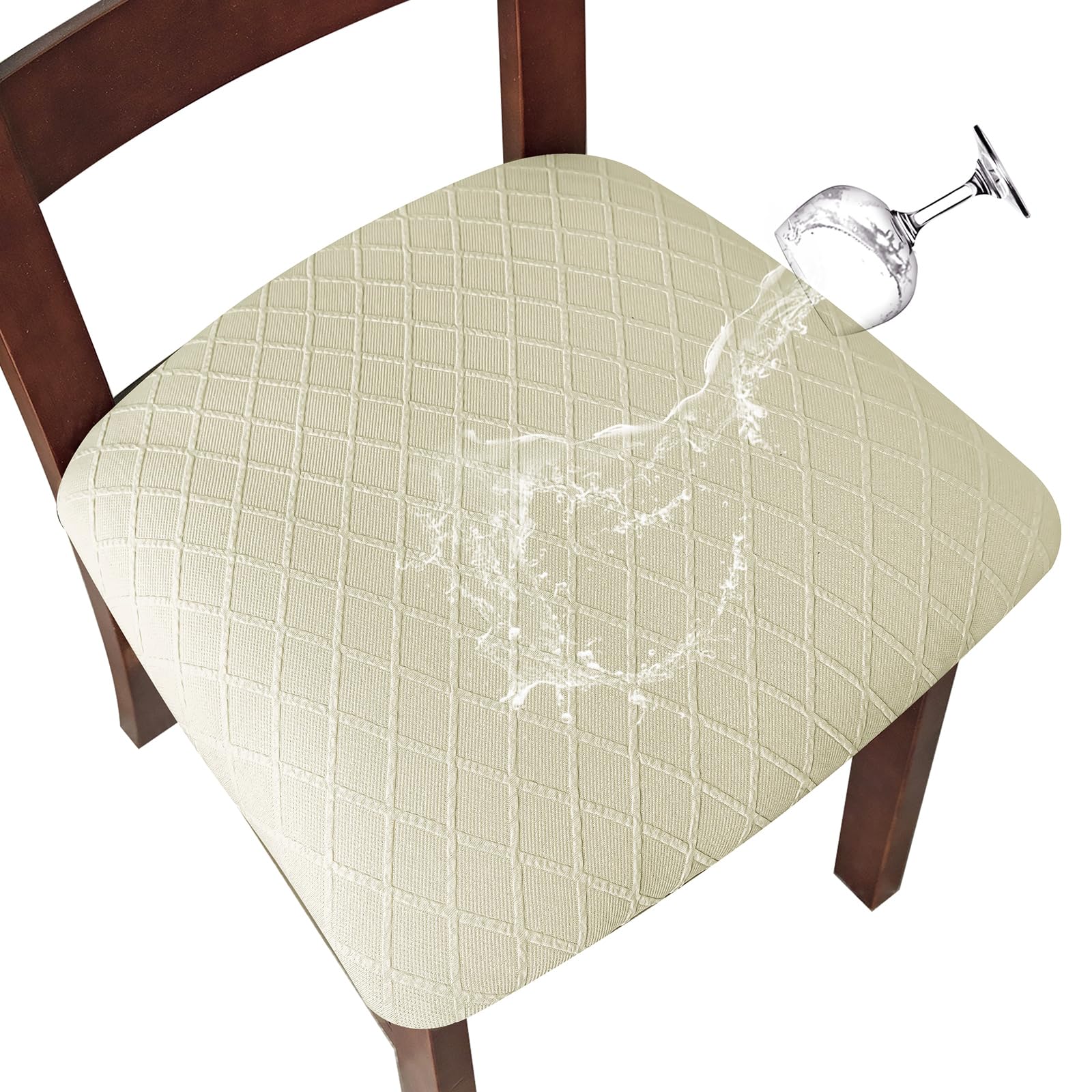
Are your kitchen chairs looking worn out or outdated? Covering them can instantly refresh your space without spending a fortune.
Imagine turning those tired seats into stylish, comfortable spots that match your personality and home decor. You’ll discover simple, step-by-step ways to cover your kitchen chairs easily—even if you’ve never done it before. Ready to transform your kitchen and impress your guests?
Let’s dive in and make your chairs look brand new!
Choosing The Right Fabric
Choosing the right fabric for your kitchen chairs is important. The fabric affects comfort, style, and how long the cover lasts. Kitchen chairs face spills, stains, and frequent use. Picking a fabric that fits these needs saves time and money. Consider the type of fabric, how easy it is to clean, and the colors or patterns that match your kitchen.
Types Of Fabrics For Kitchen Chairs
- Cotton:Soft and breathable, but can stain easily.
- Polyester:Durable and resistant to wrinkles and stains.
- Leather or Faux Leather:Easy to wipe clean and adds a sleek look.
- Linen:Natural and stylish, but less resistant to stains.
- Vinyl:Waterproof and simple to clean, ideal for messy kitchens.
Durability And Maintenance
Kitchen chair covers need to handle daily wear and tear. Strong fabrics last longer and keep their shape. Choose fabrics that resist stains and spills easily. Check if the fabric is machine washable or if it requires special care. Avoid delicate fabrics that wear out quickly or need dry cleaning. Durable fabrics reduce the need for frequent replacements.
Color And Pattern Selection
Colors can hide stains better than light shades. Dark colors or patterns help mask dirt and spills. Patterns add style and can brighten up your kitchen space. Choose colors and patterns that match your kitchen décor. Neutral tones work well for most styles and are easy to update with cushions or accessories. Avoid very bright or bold colors that may fade quickly.

Credit: www.amazon.ca
Measuring Your Chairs
Measuring your kitchen chairs accurately is the key to finding or making covers that fit perfectly. Without the right measurements, your covers might be too tight or too loose, which can ruin both comfort and appearance. Taking the time to measure carefully can save you from returns and frustration later on.
Seat Dimensions
Start by measuring the seat width and depth. Use a tape measure to get the width from one side of the seat to the other, and the depth from the front edge to the backrest.
Don't forget to check the thickness of the seat cushion if it's padded. This helps in choosing a cover that won’t feel too snug or too loose.
Backrest Measurements
Measure the height of the backrest from the top of the seat to the highest point of the back. Also, note the width at the widest part of the backrest.
Think about the shape too—is the backrest straight, curved, or angled? Knowing this helps you find covers that will fit smoothly without bunching up.
Additional Features To Consider
Look out for armrests, decorative details, or any gaps between the seat and backrest. These features can affect how the cover fits and whether you might need custom adjustments.
Have you noticed loose cushions or removable parts on your chairs? Measuring these separately can make your covers more functional and easier to maintain.
Preparing Your Chairs
Preparing your kitchen chairs sets the foundation for a smooth covering process. Clean and repair each chair before adding new fabric or cushions. Proper preparation ensures the new covers fit well and last longer. It also improves the chair’s look and feel. Start by focusing on cleaning, removing old covers, and treating the wood surfaces.
Cleaning And Repairing
Remove dust, dirt, and grease from your chairs using mild soap and water. Use a soft cloth to avoid scratching the surface. Check for loose joints or broken parts. Tighten screws and glue any loose pieces. Fixing these issues early prevents problems later.
Removing Old Covers
Take off old fabric carefully to avoid damage. Use a staple remover or flat screwdriver to pull out staples or tacks. If the old cover is glued, gently peel it away. Dispose of the old material properly. Removing old covers makes room for fresh, smooth fabric.
Sanding And Priming Wood
Sand wooden parts with fine-grit sandpaper to smooth rough areas. Sanding helps new paint or primer stick better. Clean dust off after sanding with a damp cloth. Apply a coat of primer to protect the wood. Let the primer dry completely before covering or painting.
Cutting And Sewing The Covers
Transforming your kitchen chairs with new covers can refresh the room. Cutting and sewing the covers is a fun project. Let's dive into the steps to make custom chair covers.
Creating A Pattern
Start by creating a pattern for your chair covers. Use a large piece of paper. Place it on the chair seat. Trace around the edges with a pencil. Leave an extra inch for seam allowance. Cut out the pattern carefully. This will guide you in cutting the fabric.
Cutting Fabric Accurately
Lay the fabric flat on a clean surface. Place the paper pattern on top. Use fabric chalk to trace the pattern onto the fabric. Ensure the grain of the fabric aligns with the pattern. This prevents distortion. Use sharp fabric scissors to cut along the traced lines. Accuracy here is crucial for a neat fit.
Basic Sewing Techniques
Thread your sewing machine with matching thread. Practice on scrap fabric first. Use a straight stitch for most seams. Start sewing the pieces together, right sides facing. Sew slowly to maintain control. Finish seams with a zigzag stitch to prevent fraying. Press seams flat with an iron for a polished look.
Attaching The Covers
Attaching covers to kitchen chairs is a key step to ensure a neat and lasting fit. Choosing the right attachment method affects both the look and durability of the covers. Each technique offers unique benefits, depending on the chair design and fabric type. Understanding these methods helps you pick the best option for your needs.
Using Staple Guns
Staple guns provide a strong hold for fixed chair covers. This method works well with wooden or sturdy chair frames. Pull the fabric tight and staple it underneath the seat or along the chair’s back. Staples stay hidden, giving a clean finish.
Use a staple gun carefully to avoid damage. Choose staples that fit the thickness of your fabric. This attachment is best for covers you want to keep in place for a long time.
Velcro And Ties
Velcro strips and ties offer an easy way to attach covers. Velcro allows quick removal for washing or changing styles. Sew or glue Velcro strips to both the cover and chair frame.
Ties can be ribbons, strings, or fabric strips. Tie them around chair legs or backs to hold the cover firmly. This option fits many chair shapes and sizes. It’s perfect for renters or those who like to update decor often.
Slipcovers Vs. Fixed Covers
| Type | Attachment | Use | Cleaning |
|---|---|---|---|
| Slipcovers | Velcro, ties, elastic bands | Temporary or seasonal use | Easy to remove and wash |
| Fixed Covers | Staple guns, sewn-in fits | Permanent, tailored look | Spot clean or professional care |
Slipcovers provide flexibility and convenience. Fixed covers offer a polished and custom feel. Choose based on how often you want to change or clean the covers.

Credit: www.amazon.ca
Adding Finishing Touches
Adding finishing touches to your kitchen chair covers can completely change their look and feel. These details not only enhance the style but also improve comfort and durability. Paying attention to small elements makes your chairs stand out and last longer.
Decorative Trims And Piping
Decorative trims and piping add a polished edge to your chair covers. You can choose from ribbons, lace, or contrasting fabric strips that complement your kitchen’s color scheme. Adding piping along the seams creates a tailored look that catches the eye and makes your chairs look professionally covered.
Think about the vibe you want: Do you prefer something rustic like burlap trim or something sleek like satin piping? Try mixing textures to create depth and interest. These details are easy to add with a hot glue gun or by sewing them onto the edges.
Cushion Inserts
Adding cushion inserts under your chair covers increases comfort dramatically. Thin foam pads or memory foam inserts can make even old wooden chairs feel inviting. You can find inserts in various thicknesses, so pick one that fits your chair and your comfort needs.
Remember, a soft seat encourages longer family dinners and more relaxed conversations. You might be surprised how a simple cushion transforms the entire seating experience. Plus, removable inserts make cleaning easier and keep covers looking fresh.
Protective Coatings
Protective coatings shield your chair covers from spills and stains. Fabric sprays with water-repellent or stain-resistant properties are great options. Applying these sprays after you finish sewing can help your covers stay clean, especially in busy kitchens.
Wondering if these sprays change the fabric’s feel? Most modern coatings are lightweight and won’t make your covers stiff. Think about your lifestyle—are you dealing with kids, pets, or frequent guests? A protective coating can save you time and keep your covers looking new longer.
Maintaining Your Chair Covers
Keeping your kitchen chair covers looking fresh and new takes some effort, but it pays off in comfort and style. Maintenance isn’t just about cleaning; it’s about treating your covers with care so they last longer and keep your kitchen inviting. Let’s look at practical ways you can care for your chair covers every day and through the seasons.
Cleaning Tips
Regular cleaning is key to preserving your chair covers. Check the care label first to avoid damage from harsh detergents or hot water.
- Use a gentle cycle with cold water if machine washing is allowed.
- Spot clean spills immediately with a mild soap and water solution to prevent stains.
- Air dry covers instead of using a dryer to keep fabric from shrinking or fading.
Have you ever left a stain overnight and regretted it? Acting fast can save you time and money on replacements.
Repairing Minor Damage
Small tears or loose threads don’t have to mean the end for your chair covers. Fixing minor damage early keeps covers looking neat and prevents bigger problems.
- Use fabric glue or a needle and thread to mend small holes or seams.
- Replace broken elastic bands or ties to keep covers snug.
- Keep a repair kit handy so you can quickly handle damage as it happens.
Does your cover have a tiny rip? Don’t ignore it—repairing it now will save you from a costly replacement later.
Seasonal Care
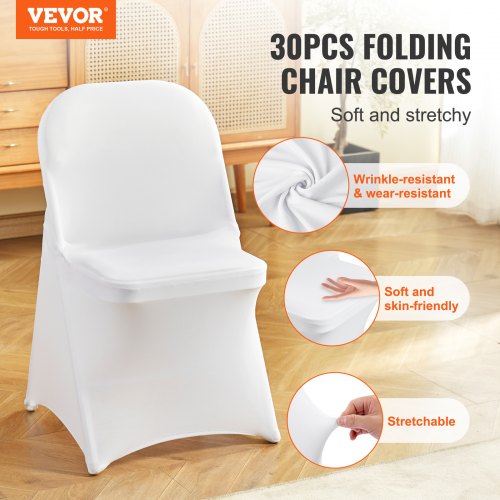
Season changes can affect your chair covers more than you might think. Preparing your covers for different weather helps maintain their condition.
- Store covers in a dry, cool place during off-seasons to prevent mold and odors.
- Consider swapping to lighter fabrics in summer and thicker ones in winter for comfort and durability.
- Refresh covers with a gentle wash before storing to avoid setting in dirt or stains.
How often do you think about your covers’ seasonal needs? Adjusting care routines with the seasons extends their life and keeps your kitchen looking inviting year-round.
Credit: www.vevor.ca
Frequently Asked Questions
How Do I Choose Fabric For Kitchen Chair Covers?
Select durable, stain-resistant fabrics like cotton or polyester blends. These materials withstand spills and frequent cleaning, ensuring long-lasting chair covers. Consider color and pattern to match your kitchen decor and personal style.
Can I Cover Kitchen Chairs Without Sewing?
Yes, use no-sew chair cover kits or stretchable slipcovers. These options are easy to install and remove, providing a quick chair makeover without sewing skills.
How Often Should I Wash Kitchen Chair Covers?
Wash chair covers every 1-2 weeks or immediately after spills. Frequent cleaning keeps them fresh, hygienic, and extends their life, especially in busy kitchens.
Are Kitchen Chair Covers Suitable For Wooden Chairs?
Absolutely, chair covers protect wooden chairs from scratches and stains. Choose fitted covers that complement the chair shape for a neat, stylish look.
Conclusion
Covering kitchen chairs can change your space quickly. Choose fabric that fits your style and needs. Measure chairs well for a perfect fit every time. Sew or buy covers that are easy to clean. Swap covers often to keep your kitchen fresh.
Small changes bring new life to old furniture. Enjoy a cozy and neat kitchen with simple steps. Try different colors and patterns to match your room. Covering chairs saves money and adds comfort too. Simple, smart, and stylish—your kitchen chairs will shine.