
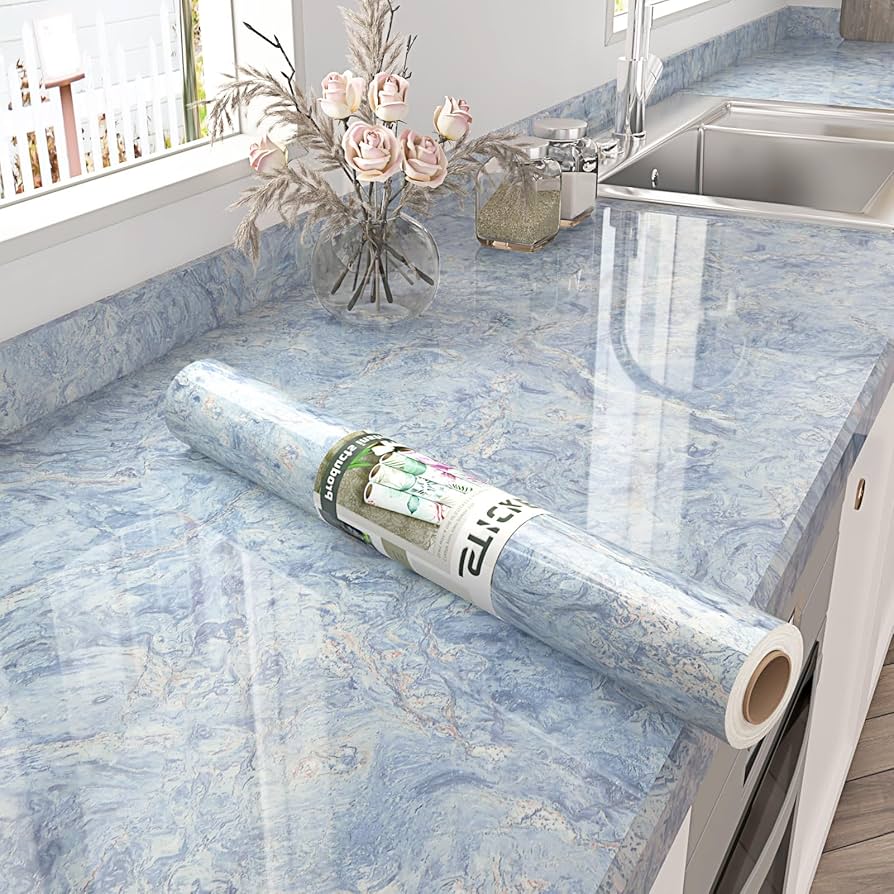
Are your kitchen countertops looking worn out or outdated? You don’t have to replace them to give your kitchen a fresh, new look.
Learning how to cover kitchen countertops can save you time and money while transforming your space. Whether you want a quick fix or a long-lasting upgrade, this guide will show you simple, effective ways to protect and beautify your countertops.
Keep reading, and you’ll discover easy steps you can take today to make your kitchen shine like new.

Credit: food52.com
Choosing Materials
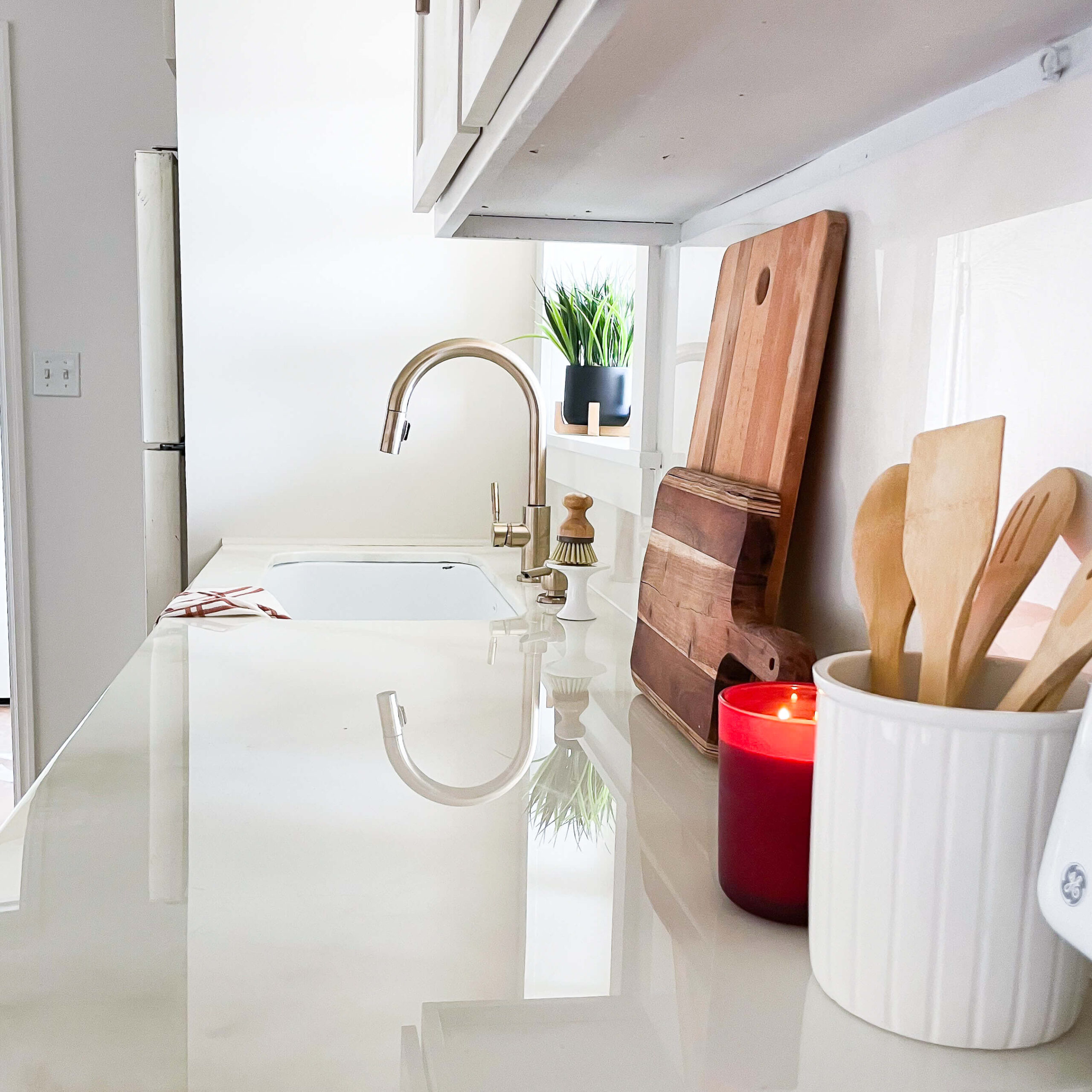
Choosing the right material for kitchen countertops is crucial. The material affects the look, feel, and durability of your kitchen space. It also impacts maintenance and cost. Picking a suitable material balances style, function, and budget.
Consider your daily kitchen use and cleaning routine. Some materials resist stains and scratches better. Others bring warmth and natural beauty. Focus on materials that fit your lifestyle and design taste.
Affordable Options
Budget-friendly materials can still look great and last long. Laminate countertops offer many colors and patterns. They mimic expensive stones but cost less. Tile surfaces are another cheap choice. Tiles allow creative designs and easy repairs.
Butcher block wood adds warmth and is affordable too. It needs regular sealing to prevent damage. Concrete is stylish and adaptable. It requires sealing but can be budget-friendly with DIY.
Durable Surfaces
Durability matters for busy kitchens. Granite is strong and heat-resistant. It lasts for years with proper care. Quartz is non-porous and resists stains well. It needs less maintenance than natural stone.
Solid surface countertops like Corian blend durability with seamless looks. Stainless steel is tough and easy to clean. It fits modern or industrial kitchen styles. Porcelain slabs are scratch and heat resistant. They offer long-lasting beauty.
Eco-friendly Choices
Environmentally friendly materials protect the planet. Recycled glass countertops use waste glass and resin. They create unique, colorful surfaces. Bamboo is fast-growing and renewable. It gives a natural, warm feel.
Paper composite countertops use recycled paper and resin. They are strong and sustainable. Concrete can be eco-friendly if local materials are used. Choosing green materials supports a healthier home and world.
Credit: crystelmontenegrohome.com
Preparing Your Countertops
Preparing your kitchen countertops properly is key before covering them. A good base ensures the new surface looks smooth and lasts longer. Taking time to clean, repair, and prime the countertops helps the covering material stick well.
Cleaning And Repairing
Start by removing all dirt, grease, and stains. Use a mild cleaner and a soft cloth for best results. Check for cracks, chips, or holes. Fill small damages with a suitable filler and let it dry fully. Clean the surface again after repairs to remove dust and debris.
Sanding Techniques
Sanding creates a rough surface for better adhesion. Use medium-grit sandpaper to sand the entire countertop. Focus on shiny or glossy areas to dull the finish. Sand in circular motions for even results. Wipe away the dust with a damp cloth before moving on.
Priming Tips
Choose a primer made for your countertop material. Apply a thin, even coat using a brush or roller. Allow the primer to dry completely according to the instructions. This step improves bonding and prevents peeling later. Check for any missed spots and cover them as needed.
Paint And Stain Ideas
Transforming your kitchen countertops with paint or stain can breathe new life into your space without the expense of a full renovation. These options offer flexibility and creativity, letting you customize the look to fit your style perfectly. Whether you want a bold color splash or a natural wood tone, knowing how to apply paint and stain properly ensures a durable and beautiful finish.
Selecting The Right Paint
Choosing paint for your countertops isn’t just about color—it’s about durability. Look for paints labeled as “kitchen” or “cabinet” paint since they resist moisture, stains, and wear better than regular wall paint.
Semi-gloss or high-gloss finishes work best because they create a smooth surface that's easier to clean. If you want a pop of color, consider deep blues or greens for a modern vibe, or soft neutrals for a timeless look.
Applying Stain For Wood
Staining wood countertops highlights the natural grain and adds warmth to your kitchen. Before staining, sand the surface thoroughly to remove any old finish and create a smooth base.
Use a brush or cloth to apply the stain evenly, wiping off excess to prevent blotches. You can layer multiple coats to deepen the color, but be patient—let each coat dry completely before applying the next.
Sealing For Longevity
After painting or staining, sealing your countertops protects them from water damage and daily wear. Polyurethane or epoxy sealers are popular choices because they form a hard, waterproof layer.
Apply at least two coats of sealer, allowing proper drying time between each. Ask yourself: how often do you want to redo this? A good sealer can save you from frequent touch-ups and keep your countertops looking fresh longer.

Credit: m.youtube.com
Tile And Laminate Solutions
Covering kitchen countertops with tile or laminate offers affordable, stylish options. Tiles provide durability and easy cleaning, while laminate gives a smooth, modern look. Both materials can refresh your kitchen without major renovation.
Revamping your kitchen countertops can breathe new life into your cooking space without breaking the bank. Among the most popular choices are tile and laminate solutions, which offer both aesthetic appeal and practical functionality. Whether you're seeking a quick update or a more permanent solution, these options cater to different needs and budgets.
Easy Tile Installation
Tiles can transform your countertops into a piece of art. Start by selecting tiles that match your kitchen’s theme—consider colors, patterns, and textures. An easy installation process involves laying out your tiles on a dry surface to plan the design. Use tile spacers to keep them evenly spaced. Ensure the surface is clean and dry before applying adhesive. Cut tiles to fit edges and corners using a tile cutter for precise adjustments. A personal tip: practice cuts on spare tiles to perfect your technique. This minimizes waste and prevents costly mistakes.
Peel-and-stick Laminate
Peel-and-stick laminate is a boon for renters and DIY enthusiasts alike. It's cost-effective and requires minimal tools to apply. Measure your countertop surfaces carefully, and cut the laminate sheets accordingly. Remove the backing and press the laminate firmly onto the surface, smoothing out any air bubbles. A friend of mine used this method in her apartment, and it completely transformed her space in just one afternoon. It’s a quick fix that doesn’t compromise on style.
Grout And Finishing
Grouting tiles is crucial for a polished look. Choose a grout color that complements your tiles; it can blend in or create a striking contrast. Apply the grout with a rubber float, pressing it into the spaces between tiles. Wipe away excess with a damp sponge, and let it dry thoroughly. For laminate, finishing might involve sealing edges to prevent moisture penetration. This step can significantly extend the life of your countertop. Have you considered the impact that grout color can have on the overall look of your kitchen? It's often an overlooked detail that makes a big difference. By choosing the right materials and techniques, you can achieve stunning results that reflect your personal style. Whether you're going for a bold statement or subtle elegance, tile and laminate solutions offer endless possibilities.
Creative Coverings
Creative coverings offer a fresh look for kitchen countertops without major renovations. These ideas bring style and function together. They suit renters and homeowners who want quick updates. Each option lets you customize the space easily.
Using Contact Paper
Contact paper is an easy, low-cost way to change countertops. It comes in many colors and patterns. You can mimic wood, marble, or tile looks. Applying contact paper is simple. Just clean the surface, peel the backing, and smooth it down. It resists water and stains but needs careful handling to avoid bubbles.
Concrete Overlays
Concrete overlays create a modern, industrial feel on countertops. This thin layer of concrete goes over existing surfaces. It can be smooth or textured. Concrete lets you choose colors and finishes. Once sealed, it resists heat and scratches. It requires some skill to apply but lasts long. This option suits those who want a durable, stylish countertop.
Chalkboard Surfaces
Chalkboard surfaces add fun and function to kitchens. You paint your countertop with special chalkboard paint. It lets you write notes, recipes, or drawings. This covering turns your countertop into a creative space. It cleans easily with a damp cloth. It fits well in homes with kids or for those who like personalization.
Maintenance And Care
Maintaining and caring for kitchen countertops keeps them looking fresh and lasting longer. Proper care protects the surface from stains, scratches, and damage. Simple habits help preserve the beauty and function of your countertops.
Regular cleaning and careful use prevent costly repairs or replacements. Small touch-ups can fix minor issues fast. The right routine makes your kitchen a pleasant and safe space.
Cleaning Tips
- Use mild soap and warm water for daily cleaning.
- Wipe spills immediately to stop stains from setting.
- Avoid harsh chemicals that can dull or damage surfaces.
- Use a soft cloth or sponge to prevent scratches.
- For tough spots, try a baking soda paste applied gently.
Avoiding Damage
- Never cut directly on the countertop; always use a cutting board.
- Place hot pans on trivets or heat pads, not directly.
- Keep sharp objects away from edges to avoid chipping.
- Do not use abrasive scrubbers or steel wool.
- Avoid sitting or leaning heavily on the countertops.
Touch-up Tricks
- Use a matching color marker or paint for small scratches.
- Fill minor chips with epoxy or filler designed for your surface.
- Buff out light stains with fine polishing pads.
- Seal natural stone countertops regularly to protect from moisture.
- Consult professionals for deeper damage or refinishing needs.
Frequently Asked Questions
What Materials Are Best For Covering Kitchen Countertops?
Popular materials include laminate, granite, quartz, and butcher block. Choose based on durability, style, and budget. Laminate is affordable and easy to install. Granite and quartz offer long-lasting, elegant surfaces. Butcher block adds warmth and natural appeal to kitchens.
How Do I Prepare Countertops Before Covering Them?
Clean the surface thoroughly and remove all debris. Repair any cracks or holes to ensure smoothness. Sand glossy surfaces lightly for better adhesive grip. Proper preparation enhances material adhesion and extends countertop life.
Can I Cover Countertops Without Professional Help?
Yes, many materials like peel-and-stick vinyl and laminate are DIY-friendly. Follow manufacturer instructions carefully for best results. Measure accurately and take your time during installation. DIY can save money but requires patience and precision.
How Long Does Countertop Covering Typically Last?
Durability depends on material and maintenance. Laminate may last 5-10 years, while granite and quartz can last 20+ years. Proper cleaning and care extend lifespan. Regular sealing may be needed for natural stone surfaces.
Conclusion
Covering kitchen countertops can change your space fast. Choose materials that fit your style and budget. Measure well to avoid mistakes and waste. Take your time with installation for best results. Clean and maintain your new surface regularly. Enjoy your refreshed kitchen and its new look.
Simple steps can bring big changes to your home.