
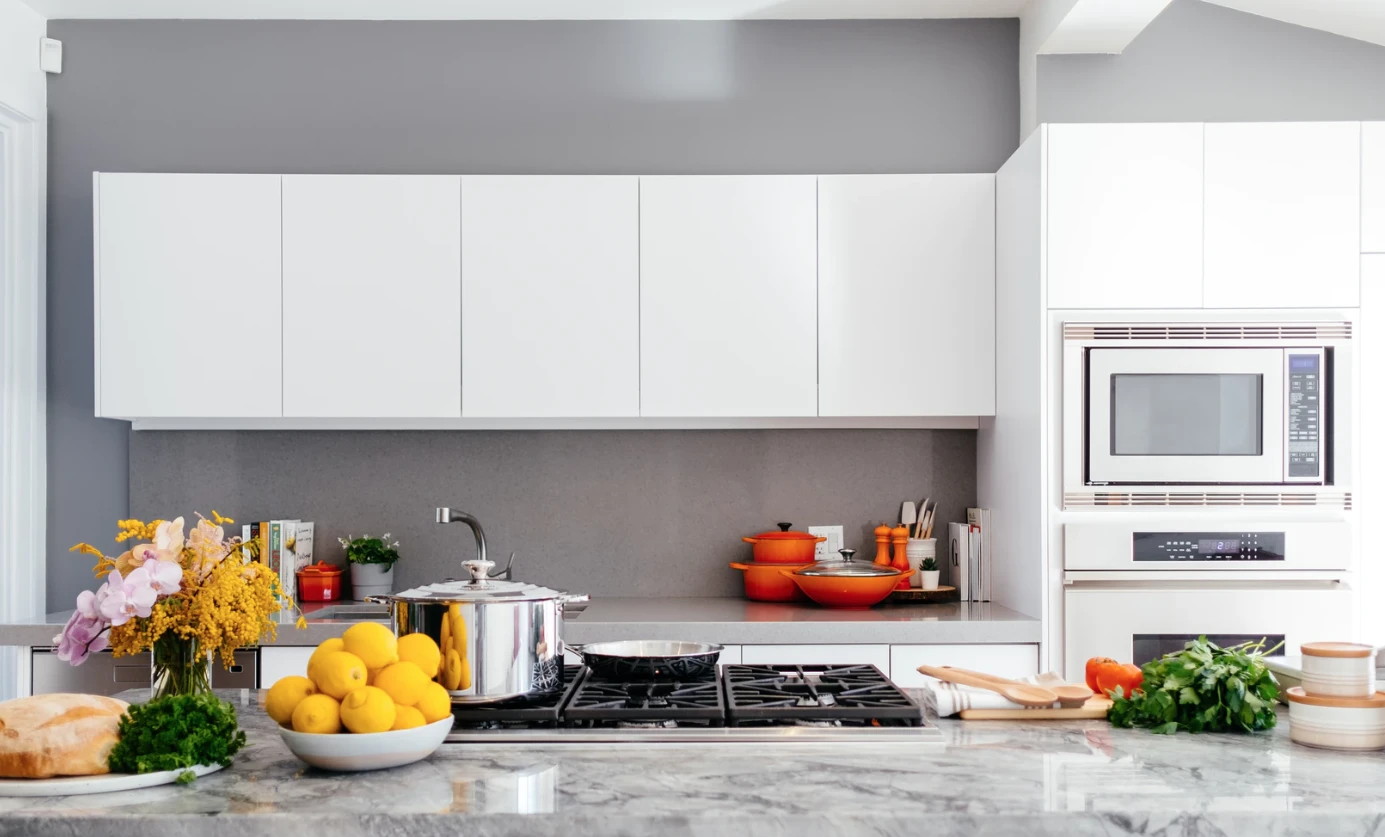
Are your kitchen cupboards looking outdated or worn out? You don’t have to spend a fortune on a full remodel to give them a fresh, stylish new look.
Covering your kitchen cupboards with vinyl is a simple, affordable way to transform your space quickly. Imagine turning tired cabinets into eye-catching features that match your style perfectly—all without the mess or hassle of paint or replacement. In this guide, you’ll discover easy steps and insider tips to help you achieve a flawless finish that lasts.
Keep reading, and you’ll see just how doable and rewarding this project can be for your kitchen.
Choosing The Right Vinyl
Choosing the right vinyl is key to transforming your kitchen cupboards effectively. The right choice not only enhances the look but also ensures durability and ease of maintenance. Let’s break down what to look for so your project turns out just the way you want.
Types Of Vinyl For Cupboards
Vinyl comes in several forms suitable for cupboards. Adhesive vinyl sheetsare the most common and easy to apply. They stick directly onto the cupboard surface and come in various thicknesses.
Contact paperis a thinner, budget-friendly option but may not last as long. For a more professional finish, vinyl wrapscan cover larger areas smoothly and resist peeling better.
Think about your skill level and how long you want the vinyl to last before picking a type. Have you tried applying adhesive vinyl before? It’s easier than many expect, but the smoother the surface, the better the results.
Selecting Colors And Patterns
Colors and patterns set the tone for your kitchen’s style. Light colors can brighten the space, while dark hues add a sleek, modern touch. Patterns like wood grain, marble, or geometric shapes add personality.
Consider how these choices will blend with your countertops, backsplash, and overall kitchen vibe. Would a bold pattern distract or enhance your space? Sometimes a subtle texture works better than a loud print.
Try holding vinyl samples against your cupboards in different lighting before committing. This helps avoid surprises once the vinyl is applied.
Considering Durability And Finish
Vinyl’s durability varies widely, so check the product specifications carefully. Look for vinyl that is water-resistant and easy to clean, especially since kitchen cupboards face spills and grease.
The finish also affects the look and feel. Matte finishes hide fingerprints well, while glossy finishes reflect light and can make the kitchen feel larger. However, gloss can show scratches more easily.
Ask yourself how much wear your cupboards get daily. If you cook often or have kids, a durable, matte finish might save you time and frustration in the long run.

Credit: www.kitchenrestoration.co.uk
Preparing Cupboards For Vinyl
Preparing your kitchen cupboards before applying vinyl is a crucial step that can make or break your project. The surface must be clean, smooth, and free of any obstacles to ensure the vinyl sticks properly and lasts longer. Taking the time to prepare thoroughly will save you frustration and give your kitchen a professional finish.
Cleaning And Sanding Surfaces
Start by cleaning your cupboards with a gentle detergent and warm water to remove grease, dirt, and dust. Avoid harsh chemicals that might damage the surface or leave residues that prevent the vinyl from adhering.
After cleaning, lightly sand the surface with fine-grit sandpaper. This creates a slightly rough texture that helps the vinyl grip better. Don't skip this step—even cupboards that look clean and smooth can benefit from a little sanding.
Removing Hardware
Take off all knobs, handles, and hinges before you apply vinyl. This makes it easier to work and ensures the vinyl covers the entire surface evenly.
Keep track of all screws and hardware by placing them in a small container. You’ll thank yourself later when it’s time to put everything back together without hunting for missing parts.
Fixing Imperfections
Check your cupboards for dents, chips, or scratches. These imperfections will show through the vinyl if left untreated.
Use wood filler or putty to fill in any holes or dents. Once dry, sand the filled spots smooth so the surface is even. This small step can make a big difference in the final look of your cupboards.
Measuring And Cutting Vinyl
Measure each cupboard door carefully to ensure vinyl fits perfectly. Use a sharp blade to cut vinyl along the measured lines for a clean edge.
Covering your kitchen cupboards with vinyl is an excellent way to give them a fresh new look without the hefty price tag of a complete renovation. The process involves two crucial steps: measuring and cutting vinyl. Getting these steps right ensures a seamless finish and avoids costly mistakes. Here, we dive into the essentials of measuring and cutting vinyl for your kitchen cupboards, ensuring precision and a perfect fit.
Taking Accurate Measurements
Before diving into the cutting phase, it's important to measure each cupboard door carefully. Use a tape measure to determine both the height and width of each door. It's a good idea to double-check your numbers; a small miscalculation can lead to wasted material. Write down the measurements on a piece of paper, labeling each cupboard to avoid confusion later. If you're covering multiple cupboard doors, remember that slight variations in size can occur, especially in older kitchens. Always measure each door individually.
Tools For Cutting Vinyl
Having the right tools on hand makes a world of difference when cutting vinyl. A sharp utility knife or a specialized vinyl cutter works best for clean edges. Ensure that the blade is fresh and sharp to prevent tearing or jagged cuts. A straight edge or a ruler is also essential. It helps guide your cuts, ensuring they are straight and precise. Consider using a cutting mat to protect your work surface and to make the cutting process smoother.
Tips For Precise Cuts
Precision is key when cutting vinyl for your cupboards. Start by marking out your measurements on the vinyl with a pencil or a light marker. This ensures you know exactly where to cut. Always cut slightly larger than your measurements. This extra material can be trimmed later, allowing for a perfect fit. It's easier to trim excess than to deal with a piece that's too small. Lastly, take your time. Rushing can lead to mistakes, especially when cutting around corners or edges. Consider practicing on a small piece of vinyl first to get a feel for the material. Have you ever cut vinyl before? What tips have helped you achieve a perfect fit? Share your insights and let's make the process easier for everyone.
Applying Vinyl To Cupboards
Applying vinyl to kitchen cupboards is a simple way to refresh their look. This process requires patience and attention to detail. Taking your time ensures a smooth and professional finish that lasts. Prepare your workspace and tools before starting. Clean the cupboards well to help vinyl stick better. Follow these steps for perfect application.
Peeling And Aligning Vinyl
Start by peeling a small section of the vinyl backing. Hold the vinyl close to the cupboard surface. Align the vinyl carefully to the edge or corner. Make sure the design or pattern is straight. Avoid touching the sticky side too much. Slowly press the vinyl onto the cupboard as you peel more backing away. Work gradually to keep the vinyl smooth and aligned.
Smoothing Out Bubbles
Use a plastic squeegee or credit card to smooth the vinyl. Start from the center and push outward toward the edges. This helps remove air bubbles trapped under the vinyl. Apply firm, even pressure for best results. Check the surface from different angles to spot bubbles. If bubbles appear, lift the vinyl gently and smooth again.
Trimming Excess Material
After applying vinyl, trim the extra material around edges. Use a sharp utility knife or craft blade. Cut close to the cupboard edges for a clean finish. Be careful not to cut the cupboard surface. Trim slowly and steadily to avoid mistakes. Dispose of scraps properly to keep your workspace tidy.
Finishing Touches
Finishing touches give your kitchen cupboards a clean, polished look. These steps help protect the vinyl and keep it looking fresh. Small details make a big difference in durability and appearance.
Reattaching Hardware
Remove any old screws or nails before reattaching hardware. Use the original holes to avoid damaging the vinyl. Tighten screws gently to prevent tearing. Choose hardware that complements your new vinyl style. Check handles and hinges for smooth operation after installation.
Sealing Edges For Longevity
Apply clear edge sealant along the vinyl borders. This prevents moisture from getting underneath. Use a small brush or applicator for neat lines. Allow the sealant to dry fully before using cupboards. Sealing edges stops peeling and extends the vinyl’s life.
Cleaning And Maintenance Tips
- Wipe vinyl surfaces with a damp cloth regularly.
- Use mild soap for tougher stains.
- Avoid abrasive cleaners or scrubbing pads.
- Dry surfaces after cleaning to prevent water damage.
- Inspect edges periodically for lifting or damage.
- Fix small tears quickly with vinyl adhesive.

Credit: www.kitchenrestoration.co.uk
Common Mistakes To Avoid
Covering kitchen cupboards with vinyl can refresh your space quickly. Avoiding common mistakes helps get a smooth, lasting finish. Small errors can cause bubbling, peeling, or uneven surfaces. Focus on each step for the best results.
Skipping Surface Prep
Clean cupboards thoroughly before applying vinyl. Dirt, grease, or dust stops the vinyl from sticking well. Sand rough or glossy surfaces lightly for better grip. A clean, smooth base prevents bubbles and peeling later.
Misaligning Vinyl Sheets
Measure and cut vinyl carefully to fit cupboard doors. Align edges and patterns before sticking down. Misalignment causes wrinkles and uneven looks. Take time to position sheets correctly before pressing firmly.
Rushing The Application Process
Apply vinyl slowly and steadily. Press out air bubbles gently with a squeegee or cloth. Rushing causes trapped air and creases. Work in small sections to keep control and a neat finish.
Creative Ideas For Customization
Customizing kitchen cupboards with vinyl offers endless possibilities. It transforms plain surfaces into stylish features. Creative ideas let you express personality and enhance your kitchen’s look. Try mixing patterns, adding accents, or blending vinyl with paint for unique effects.
Mixing Patterns And Textures
Combine different vinyl patterns to create contrast. Use geometric shapes on some cupboards and floral prints on others. Mix smooth vinyl with textured finishes for depth. This approach adds interest and breaks monotony. Choose colors that complement each other for balance.
Adding Decorative Accents
Include decorative elements like vinyl decals or borders. Apply strips of metallic or glitter vinyl along edges. Use small shapes or motifs to highlight cupboard corners. These details make cupboards look custom and elegant. Keep accents subtle to avoid a cluttered feel.
Combining Vinyl With Paint
Use vinyl on cupboard doors and paint the frames. Choose paint colors that match or contrast with vinyl designs. Paint can refresh the whole kitchen while vinyl adds patterns or texture. This mix creates a layered, polished look. It also allows easy updates by changing either paint or vinyl.

Credit: www.youtube.com
Frequently Asked Questions
How Do I Prepare Kitchen Cupboards For Vinyl Covering?
Clean cupboards thoroughly and remove all grease and dirt. Sand surfaces lightly for better vinyl adhesion. Remove handles and hinges if possible for a smooth application.
What Type Of Vinyl Is Best For Kitchen Cupboards?
Choose adhesive vinyl designed for furniture or cabinets. It should be durable, waterproof, and easy to clean. Matte or semi-gloss finishes work best for kitchens.
Can I Apply Vinyl Over Painted Kitchen Cupboards?
Yes, but ensure the paint is fully dry and smooth. Vinyl adheres best to clean, non-porous, and smooth surfaces without peeling paint.
How Do I Avoid Bubbles When Applying Vinyl?
Apply vinyl slowly from one edge, smoothing with a squeegee. Use a pin to pop any trapped bubbles and press firmly.
Conclusion
Covering kitchen cupboards with vinyl is simple and affordable. It gives old cabinets a fresh, clean look. You can choose many colors and patterns to match your style. Vinyl protects surfaces and is easy to clean. Take your time to measure and cut carefully for best results.
This small project can brighten your kitchen without much effort. Try it yourself and enjoy a new kitchen feel today.