
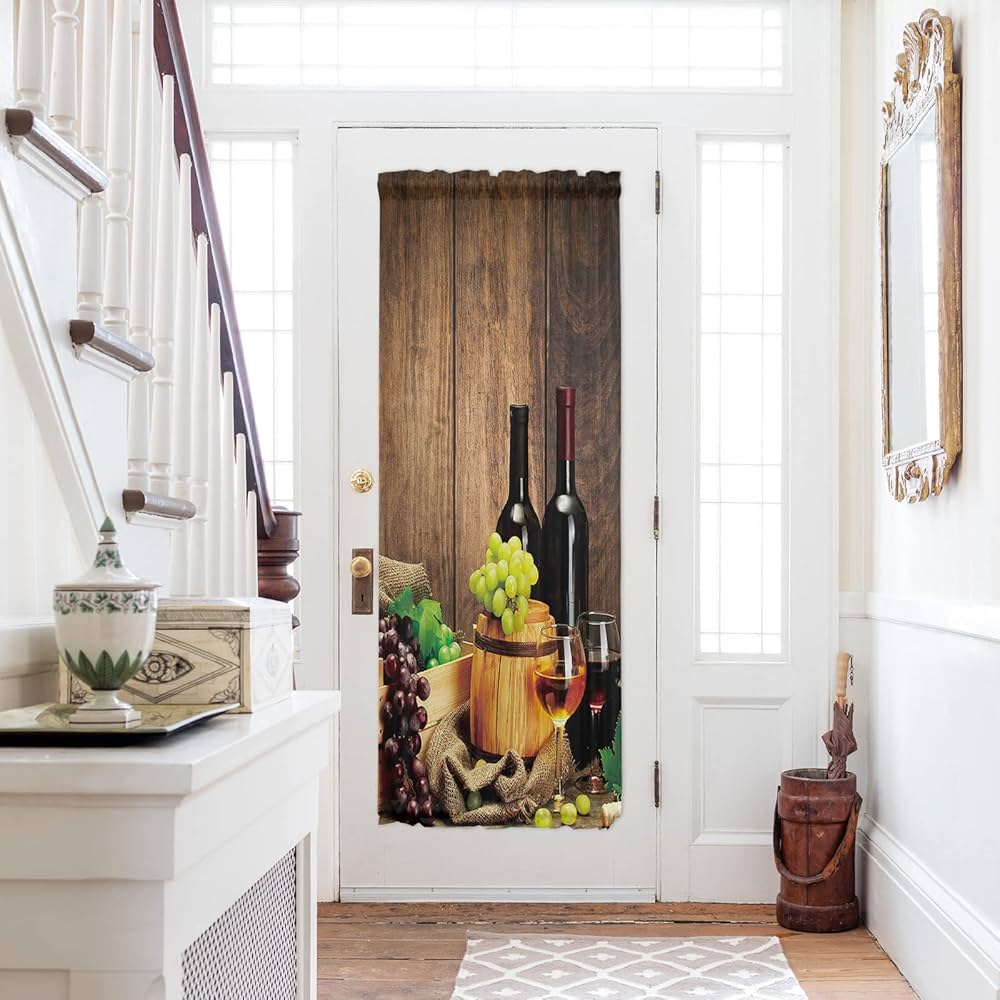
Your kitchen entrance is more than just a doorway—it’s a chance to add style, privacy, and function to one of the busiest spaces in your home. But how do you cover it in a way that looks great and works well for you?
Whether you want to hide messes, reduce noise, or simply create a cozy vibe, the right cover can make all the difference. Keep reading to discover easy, affordable, and creative ideas that will transform your kitchen entrance and make your home feel more inviting instantly.
Curtains And Drapes
Curtains and drapes offer a simple yet stylish way to cover your kitchen entrance. They provide privacy, control light, and add texture to your space. Plus, they are easy to change whenever you want a fresh look.
Choosing The Right Fabric
The fabric you pick affects both the look and function of your kitchen curtains. Lightweight fabrics like cotton or linen let in natural light while still offering privacy. Heavier fabrics such as velvet or thick polyester block light and reduce noise, making them ideal if you want a cozier feel.
Think about your kitchen’s use and lighting. Do you want sunlight filtering through, or do you need to keep the kitchen darker? Also, consider how often you cook—durable and washable fabrics are better for busy kitchens.
Color And Pattern Tips
Colors and patterns can make your kitchen entrance pop or blend in quietly. Neutral tones like beige, white, or soft gray create a calm, clean look that matches most kitchens. If your kitchen is plain, bold patterns or bright colors can add personality and energy.
Look at your kitchen’s existing colors. Do you want the curtains to match the cabinets or contrast with the walls? Stripes and geometric patterns often work well in modern kitchens, while floral or traditional prints suit classic styles.
Installation Ideas
How you hang your curtains affects both style and practicality. A tension rod inside the door frame is an easy, no-drill option that works well for lightweight curtains. For a more polished look, use a ceiling-mounted track or a decorative rod above the entrance.
Consider curtain length too. Floor-length drapes add elegance but can get in the way of traffic. Shorter café-style curtains offer privacy while keeping the space open and airy. What kind of entrance do you have, and how much space do you want the curtains to take up?

Credit: mannleeco.com
Sliding Doors
Sliding doors offer a sleek and practical solution for covering your kitchen entrance. They slide smoothly to open and close, saving space and adding a modern touch to your home. If you want to enhance your kitchen’s style while keeping functionality high, sliding doors are a smart choice.
Materials And Designs
You can find sliding doors in a variety of materials, each bringing a unique look and feel. Popular options include:
- Wood:Offers warmth and classic charm. Choose solid wood for durability or engineered wood for cost-effectiveness.
- Glass:Adds light and openness. Frosted or textured glass provides privacy without sacrificing brightness.
- Metal:Gives a contemporary, industrial vibe. Aluminum frames are lightweight and resistant to rust.
- Composite:Combines materials for strength and style, often mimicking wood or metal finishes.
Designs vary from traditional panel styles to minimalist frameless doors. You can even customize colors and finishes to match your kitchen decor. Think about whether you want your door to be a statement piece or blend in seamlessly.
Space-saving Benefits
Sliding doors don’t swing open like traditional doors, which means they don’t take up extra space in your kitchen or adjoining rooms. This makes them ideal for small kitchens or tight hallways.
Because they slide along the wall or inside a pocket, you can maximize usable floor area. Imagine having more room for a small dining table or additional storage just because your door doesn’t block space.
Have you noticed how much space a swinging door consumes when open? Sliding doors eliminate that problem completely, giving you freedom to arrange your kitchen the way you want.
Diy Vs Professional Installation
Installing sliding doors can be tempting as a DIY project if you have basic tools and skills. Kits often come with clear instructions, and installing a track and door panel might seem straightforward.
However, precise measurements and level installation are critical. A slight misalignment can cause the door to stick or fall off the track, which can be frustrating and costly to fix.
If you’re unsure about your carpentry skills or the door system is complex (like pocket doors), hiring a professional is a safer bet. They ensure the door works smoothly and fits perfectly, saving you time and headaches in the long run.
Room Dividers
Room dividers are a smart way to separate your kitchen entrance without building permanent walls. They let you control privacy, define spaces, and add style all at once. If you want a flexible solution that changes with your needs, room dividers offer plenty of options to fit your space and taste.
Folding Screens
Folding screens are easy to move and store, making them perfect for renters or anyone who likes to switch things up. They come in many styles, from traditional wood panels to modern metal frames with fabric inserts. You can choose a bold pattern to make a statement or a neutral tone to blend with your decor.
Think about how often you want to open or close the kitchen entrance. Folding screens let you do just that without blocking light or airflow completely. They create a soft boundary that feels welcoming, not restrictive.
Bookshelves As Dividers
Bookshelves double as storage and a divider, giving you a practical way to cover your kitchen entrance. Open-backed shelves work well to keep the space airy while still defining the kitchen area. You can display cookbooks, plants, or decorative items to personalize the space.
If you have a small kitchen, a bookshelf divider can free up wall space by acting as a freestanding unit. Plus, it encourages organization—no more clutter spilling into your living areas. Are you ready to turn your kitchen entrance into a functional display?
Creative Partition Ideas
Beyond screens and shelves, creative partitions can add unique charm and functionality. Hanging plants on a rope grid or using a curtain with a stylish rod can soften the kitchen entry without closing it off. You might even try a pegboard with hooks for utensils or pots.
Consider materials like reclaimed wood, bamboo, or frosted glass to create a distinctive look that matches your home’s vibe. What personal touch will you add to make the kitchen entrance truly yours?

Credit: www.houseandgarden.co.uk
Blinds And Shades
Blinds and shades offer a practical and stylish way to cover kitchen entrances. They help control light, enhance privacy, and add a touch of design to the space. Choosing the right type can improve kitchen comfort and functionality.
Types Of Blinds Suitable For Kitchens
Kitchen environments need blinds that resist moisture and stains. Some popular options include:
- Vinyl blinds – water-resistant and easy to clean
- Aluminum blinds – durable and lightweight
- Faux wood blinds – look like wood but resist humidity
- Roller shades – simple design, easy to raise and lower
- Roman shades – soft fabric folds, adds warmth
These types balance durability with style, perfect for kitchen use.
Light Control And Privacy
Blinds and shades give precise control over sunlight. Adjusting slats or pulling shades lets you set brightness levels. This helps reduce glare while cooking.
Privacy is important for kitchens connected to outdoor areas or hallways. Blinds and shades block view from outside without darkening the room completely.
Maintenance Tips
Keep blinds and shades clean to avoid grease and dust buildup. Use a damp cloth or mild soap for wiping. Avoid harsh chemicals that can damage materials.
Regular dusting helps maintain appearance and function. Check mechanisms often to ensure smooth operation. Proper care extends the life of your window coverings in the kitchen.
Decorative Panels
Decorative panels offer a stylish way to cover kitchen entrances. They add character and help define space without closing it off completely. Panels come in many designs, materials, and sizes, giving you plenty of options to match your kitchen style.
Wooden And Metal Options
Wooden panels create warmth and a natural feel. They can be carved, painted, or stained to fit any decor. Metal panels bring a modern, industrial touch. They work well in minimalist or contemporary kitchens. Both materials are durable and easy to maintain.
Incorporating Art And Patterns
Panels with art or patterns make the entrance a focal point. Choose geometric shapes, floral designs, or abstract art. Patterns can be cut out or printed on the panel surface. This adds texture and visual interest, brightening the kitchen space.
Custom Vs Ready-made Panels
Custom panels fit your space perfectly. They allow unique designs and exact measurements. Ready-made panels are budget-friendly and easy to install. They come in standard sizes and popular styles. Both options can transform your kitchen entrance beautifully.
Credit: www.theottohouse.com
Plants And Greenery
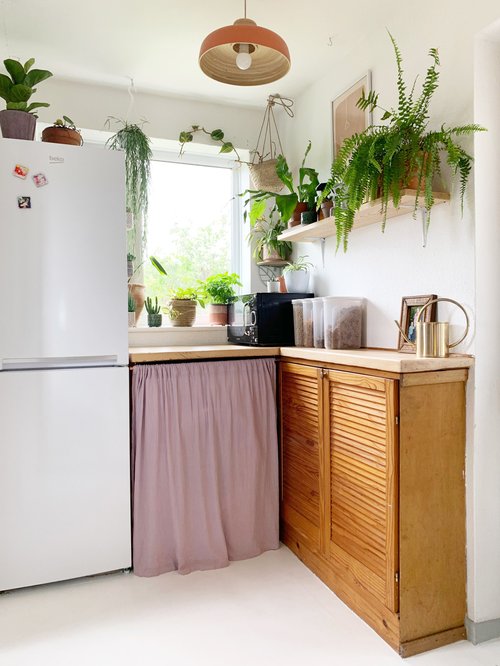
Enhance your kitchen entrance with plants and greenery. Place hanging pots or vertical planters for a refreshing look. Choose easy-care plants like ferns or succulents for a stylish and functional decor.
Bringing plants and greenery into your kitchen entrance can transform the space from a mere passageway into a lively, inviting area. Plants not only add aesthetic value, but they also improve air quality and create a natural ambiance. Whether you have a green thumb or are a novice in gardening, there's an option for every level of expertise.
Using Plants As Natural Dividers
Creating a natural divider with plants can offer a seamless transition between spaces. Tall potted plants, such as fiddle leaf figs or bamboo palms, are excellent for this purpose. They provide a lush barrier while allowing light to filter through, maintaining an open feel. Consider placing a row of smaller plants on a shelf or a console table at the entrance. This can subtly partition the kitchen while adding layers of texture and color. You might be surprised how a simple row of succulents or ferns can redefine a space.
Hanging Planters Ideas
Hanging planters are a fantastic way to add greenery without taking up floor space. They work wonders in small kitchens where every inch counts. Think about installing a series of small hanging pots with herbs like basil or mint—functional and beautiful. Another idea is to use macramé hangers, which can add a boho-chic touch to your kitchen entrance. Suspended from the ceiling or a sturdy beam, these planters can create an eye-catching vertical garden effect.
Low-maintenance Plant Choices
Not everyone has the time to care for high-maintenance plants, but that doesn't mean you have to miss out on greenery. Consider opting for low-maintenance plants like snake plants, pothos, or zz plants. These plants thrive with minimal care, making them ideal for busy lifestyles. They require less frequent watering and can tolerate low-light conditions, perfect for entrances that may not get ample sunlight. Incorporating plants into your kitchen entrance can be a rewarding endeavor. Which plant will you choose to welcome you home each day?
Creative Fabric Screens
Creative fabric screens offer a flexible and stylish way to cover your kitchen entrance. They add personality and warmth without the need for permanent changes. Plus, fabric screens can be easily swapped out to match your mood or season.
Macrame And Boho Styles
Macrame screens bring a handcrafted, artistic touch to your kitchen entrance. Their intricate knots and patterns create a light, airy feel that lets light pass through while still providing a sense of separation.
If you love a relaxed, boho vibe, these screens are perfect. You can even customize colors or add beads and feathers to match your decor.
Layered Textures
Using multiple fabric layers adds depth and interest to your kitchen screen. Think combining sheer curtains with heavier linen or cotton panels for a dynamic look.
This approach lets you control privacy and light—pull back the heavier layers during the day and close them at night. Have you tried mixing fabrics with different textures in your home? It can transform the entire space.
Seasonal Fabric Switches
Changing your fabric screen with the seasons keeps your kitchen entrance feeling fresh year-round. Lighter, breathable fabrics like cotton or voile work well in warm months.
When cooler weather hits, swap in cozy materials like velvet or wool blends. This simple switch not only updates your look but also contributes to comfort and warmth.
Lighting Effects
Lighting plays a key role in covering a kitchen entrance effectively. It shapes the space and controls how much of the kitchen is visible. The right lighting effects can create privacy and improve the room’s atmosphere. Lights can be both functional and decorative. Choosing the right lighting style helps blend the kitchen entrance with the rest of the home.
Mood Lighting For Privacy
Mood lighting softens the space around the kitchen entrance. It uses dim or warm lights to reduce harsh brightness. This helps create a cozy and private feel. Use lamps or small fixtures near the entrance. Lights with adjustable brightness offer more control over privacy levels. This lighting style helps separate the kitchen without building walls.
Backlit Panels
Backlit panels add a modern touch to kitchen entrances. These panels light up from behind, creating a glowing effect. They can be made from frosted glass or acrylic. Backlit panels offer privacy by obscuring the view but still letting light pass through. They also serve as stylish room dividers. Choose panels with soft, even lighting for the best look.
Smart Lighting Solutions
Smart lighting brings convenience and flexibility to kitchen entrances. Use smart bulbs or strips that change colors and brightness. Control these lights with apps or voice commands. Set scenes for different times or moods. Smart lighting can turn on or off automatically when someone enters. This technology makes managing kitchen entrance lighting simple and fun.
Frequently Asked Questions
What Are The Best Materials To Cover A Kitchen Entrance?
Popular materials include curtains, sliding doors, bead curtains, and decorative screens. Choose materials that match your kitchen style and durability needs.
How Can I Cover A Kitchen Entrance Without Blocking Light?
Use sheer curtains, frosted glass doors, or open lattice screens. These options maintain light flow while providing some privacy and separation.
Is Covering A Kitchen Entrance Good For Energy Efficiency?
Yes, covering the entrance can help retain heat or cool air. It reduces energy loss and improves overall home comfort.
Can I Cover A Kitchen Entrance On A Budget?
Absolutely. DIY curtains, tension rods, and repurposed fabrics offer affordable, stylish coverage without expensive installations.
Conclusion
Covering a kitchen entrance can change your space's look and feel. Choose a cover that fits your style and needs. Curtains, sliding doors, or room dividers all work well. Keep measurements in mind to avoid mistakes. Simple designs often bring the best results.
Enjoy a more private, cozy kitchen area. Small changes can make a big difference. Your kitchen entrance can become both functional and attractive. Try different ideas until you find the right fit. This helps create a warm, inviting home space.