
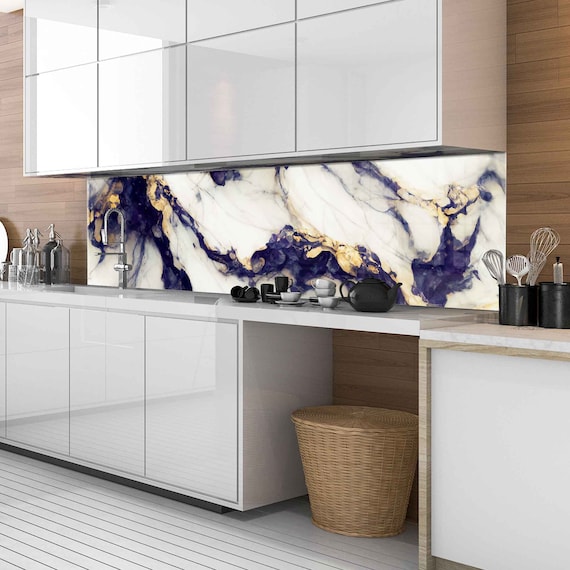
Are you looking for a simple way to refresh your kitchen without a full renovation? Knowing how to cover your kitchen sink can transform the entire look of your space quickly and affordably.
Whether your sink is old, stained, or just not matching your style, the right cover can make it look brand new. In this guide, you’ll discover easy, practical options that fit your budget and skill level. Keep reading to find out how to give your kitchen sink a fresh, stylish upgrade that will impress everyone who walks into your kitchen.
Choosing Sink Covers
Choosing the right cover for your kitchen sink can change the look and function of your space. A good sink cover hides the sink, adds workspace, and keeps the kitchen tidy. Picking the best cover involves thinking about materials, style, and size. Each choice impacts how well the cover fits and lasts.
Materials And Styles
Sink covers come in many materials, each with benefits and downsides. Wood covers add warmth and match most kitchens. They need sealing to resist water damage. Plastic covers are light, easy to clean, and affordable. Metal covers, like stainless steel, offer a modern look and strong durability.
Styles vary too. Some covers are flat and simple. Others have built-in cutting boards or drain racks. Choose a style that fits your kitchen use and décor. Consider covers that blend well with counters and cabinets.
Measuring For The Perfect Fit
Measure your sink carefully before buying a cover. Note the length, width, and depth of the sink area. Check for any rounded corners or unusual shapes. Use a tape measure to get exact numbers.
Measure twice for accuracy. A cover too small or too big will not work well. A good fit means the cover rests securely on the sink edges. It should not wobble or slide easily.
Consider the thickness of the cover too. Thin covers may feel fragile. Thick covers add strength but take more space. Balance strength with usability for the best results.
Diy Sink Cover Ideas
Covering your kitchen sink with a DIY project can add style and extra workspace. A custom sink cover can blend with your kitchen decor and help keep the area clean. These ideas work well for small kitchens or when you want a simple upgrade. Choose materials that fit your needs and skill level. Here are some popular DIY sink cover ideas to inspire you.
Wooden Covers
Wooden sink covers offer a warm, natural look. You can use hardwood like oak or maple for durability. Sand the wood smooth and seal it with water-resistant varnish. This prevents damage from water and stains. Wooden covers can double as cutting boards or extra counter space. Attach rubber feet underneath to avoid slipping and protect your sink edges.
Marble And Stone Options
Marble and stone covers bring a touch of elegance to your kitchen. Use thin slabs of marble, granite, or quartz cut to fit your sink. These materials resist heat and scratches well. Polish the surface for a smooth finish. Stone covers are heavier, so handle with care. They add a luxurious feel while being practical for food prep or serving.
Repurposing Materials
Repurposing old items can create unique sink covers. Consider using wooden pallets, cutting boards, or even old doors. Clean and sand the materials before finishing with a sealant. This approach saves money and reduces waste. Mix and match textures for a creative touch. Repurposed covers can fit any style, from rustic to modern.
Installing Sink Covers
Covering a kitchen sink helps protect it from dirt and damage. Choose a cover that fits well and is easy to clean. Place the cover securely to keep your sink neat and functional.
Installing sink covers is a smart way to maximize your kitchen space. These covers transform your sink into additional countertop space, providing a sturdy surface for cutting, mixing, or temporarily placing items. Whether you're short on space or just want a more organized kitchen, installing a sink cover can be a game-changer.
Step-by-step Guide
Start by measuring your sink's dimensions accurately. Use a measuring tape to get the length, width, and depth of your sink. Double-check these measurements to ensure your cover will fit perfectly. Next, select a sink cover that matches your kitchen's aesthetics. Options range from sleek bamboo to durable stainless steel. Choose one that complements your kitchen's style while meeting your functional needs. Position the sink cover over your sink to test the fit. Ensure it's stable and doesn't wobble. If necessary, make minor adjustments to achieve a secure placement.
Tools You’ll Need
To install your sink cover, gather the following tools:
- Measuring tape
- Level tool
- Rubber feet or pads (optional)
A measuring tape will help you get precise dimensions. A level tool ensures the cover sits flat and even. Consider rubber feet or pads to prevent scratches and enhance stability. Installing sink covers doesn't require advanced skills. It's a simple project that can enhance your kitchen's functionality. Have you ever thought about how much time you spend in the kitchen? A sink cover might just streamline your routine.

Credit: www.sauteandsoak.com
Maintaining Your Sink Cover
Maintaining your kitchen sink cover keeps it looking good and lasting longer. Regular care prevents stains, scratches, and wear. Simple steps help protect your investment and keep the cover functional.
Cleaning Tips
Use mild soap and warm water to clean the sink cover. Avoid harsh chemicals that can damage the surface. Wipe with a soft cloth or sponge to prevent scratches. Dry the cover thoroughly after cleaning to avoid water spots.
For stubborn stains, try a paste of baking soda and water. Gently scrub with a soft brush and rinse well. Clean your sink cover regularly to stop grime buildup and maintain its shine.
Preventing Damage
Place hot pots or pans on heat-resistant mats, not directly on the cover. Avoid dropping heavy or sharp objects that could chip or crack it. Use the cover only for its intended purpose to avoid unnecessary stress.
Store the cover safely when not in use to prevent accidental damage. Check the edges and surface often for signs of wear or cracks. Early repair can stop further damage and extend the cover’s life.
Styling Tips For Kitchen Sinks
Styling your kitchen sink goes beyond just picking the right basin. It’s about creating a space that feels both practical and visually appealing. Thoughtful styling can turn an ordinary sink area into a highlight of your kitchen.
Coordinating With Countertops
Matching your sink with your countertops creates a seamless look that feels intentional. If your countertops are dark granite, a stainless steel or black sink can complement them well. On the other hand, white or light-colored sinks pair beautifully with marble or quartz surfaces.
Consider the texture too. A matte finish sink works better with honed stone, while a glossy sink suits polished countertops. Have you noticed how a well-matched sink and countertop can make cleaning feel less like a chore?
Adding Functional Accessories
Accessories can add style and boost your sink’s functionality. Think about adding a sleek soap dispenser or a matching drying rack that fits right inside the sink. These small additions keep clutter off your counters and make daily tasks easier.
Don’t forget about a cutting board that fits over your sink. It not only saves counter space but also creates a handy prep station. What accessories have you found make your kitchen sink area more enjoyable to use?

Credit: www.amazon.ca

Credit: www.etsy.com
Frequently Asked Questions
What Materials Are Best For Covering A Kitchen Sink?
The best materials for covering a kitchen sink include wood, acrylic, stainless steel, and laminate. Choose materials that are water-resistant, durable, and easy to clean. Consider your kitchen style and budget to find the ideal cover that blends functionality with aesthetics.
How Do I Measure My Sink For A Cover?
Measure the length and width of your kitchen sink’s top edges accurately. Include any lip or rim in the measurements. Use a tape measure and record the dimensions to ensure a perfect fit for your sink cover.
Can I Use A Cutting Board As A Sink Cover?
Yes, a cutting board can double as a sink cover if it fits properly. Choose a sturdy, water-resistant board that rests securely on the sink edges. This option adds workspace and keeps the sink area clean.
Are Custom Sink Covers Worth The Investment?
Custom sink covers offer a perfect fit and tailored design. They enhance kitchen aesthetics and provide additional workspace. While more expensive than ready-made covers, they increase functionality and durability, making them a valuable investment for many homeowners.
Conclusion
Covering your kitchen sink keeps your space neat and safe. It hides pipes and prevents clutter under the sink. You can use simple materials like wood or plastic covers. Make sure the cover fits well and is easy to remove.
This small change improves your kitchen’s look and function. Try it today for a cleaner, more organized kitchen area.