
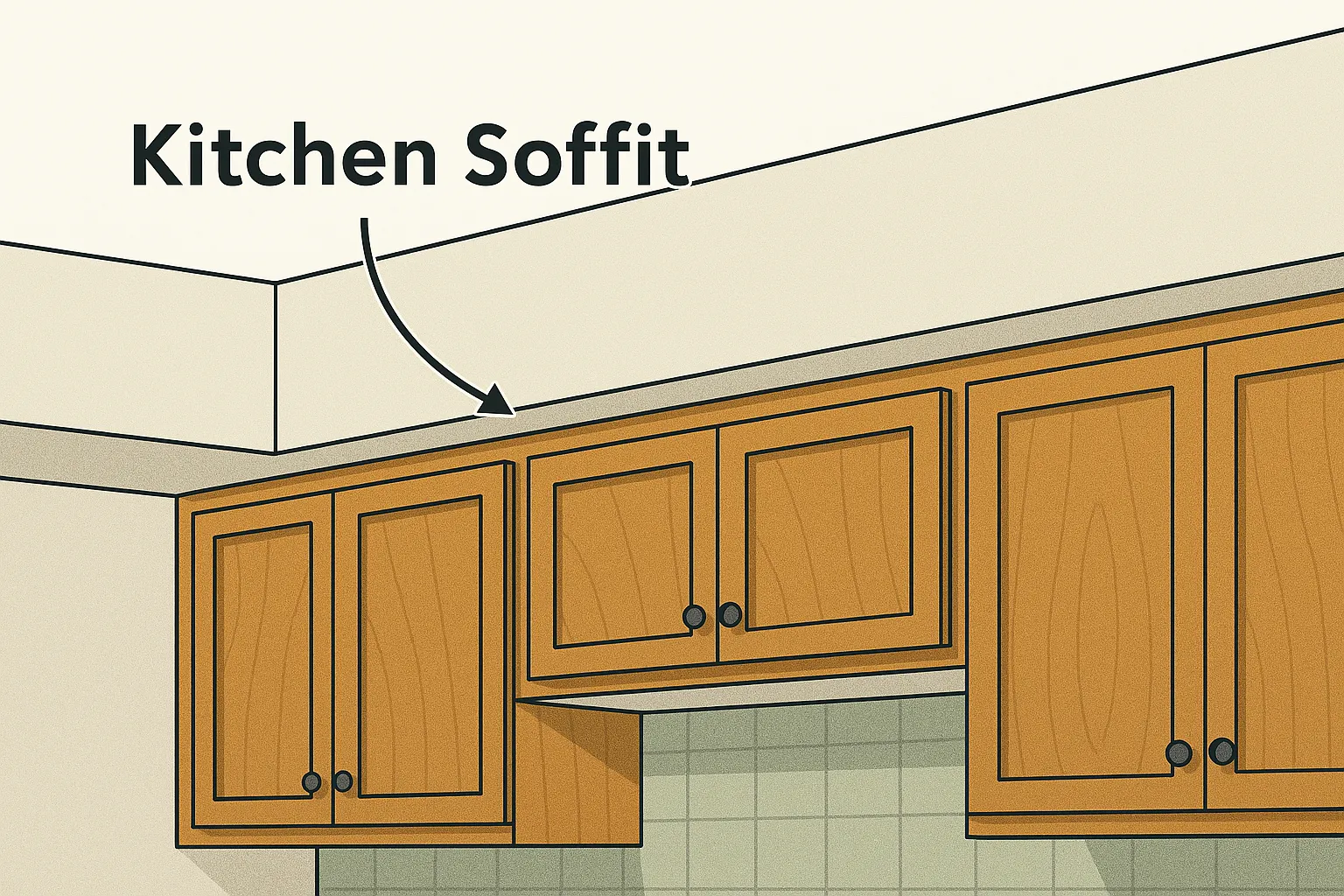
Are your kitchen soffits looking outdated or unfinished? Covering them can instantly refresh your kitchen’s look and add a polished touch to your space.
You might think this is a tricky job, but with the right steps, you can do it yourself without hassle. You’ll discover simple, effective ways to cover your kitchen soffits, saving money and boosting your home's style. Keep reading to transform your kitchen and impress everyone who walks in!

Credit: www.reddit.com
Reasons To Cover Kitchen Soffits
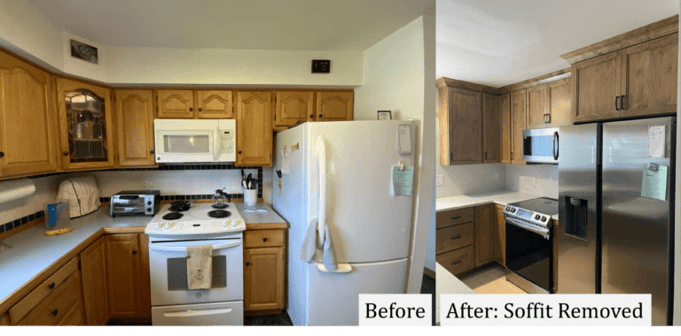
Covering kitchen soffits offers practical and aesthetic benefits. Soffits often hide wiring, ducts, or structural elements. Covering them creates a cleaner, more polished look. It also opens opportunities to improve kitchen style and functionality. Homeowners can customize soffits to match their kitchen design. Some choose to add storage space, boosting kitchen efficiency. Understanding these reasons helps decide the best way to cover kitchen soffits.
Hide Wiring And Ducts
Soffits often conceal electrical wiring and air ducts. Leaving them exposed looks messy and unfinished. Covering soffits hides these elements neatly. It protects wiring and ducts from dust and damage. This improves kitchen safety and cleanliness. A smooth soffit surface creates a seamless ceiling line. It helps the kitchen feel more organized and calm.
Enhance Kitchen Style
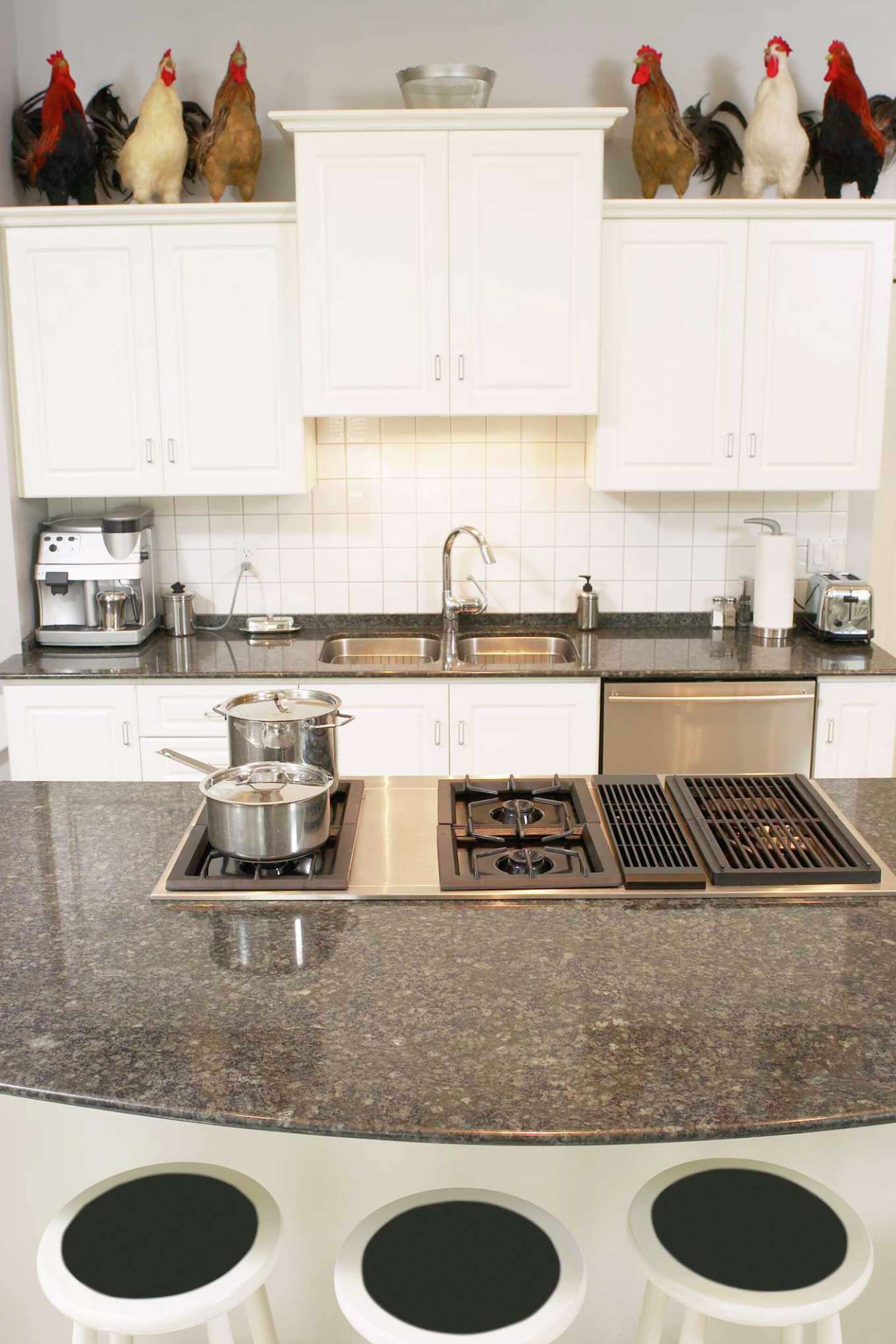
Covered soffits improve the kitchen’s overall style. They create a cohesive look that matches cabinets and walls. Soffits can be painted or trimmed to fit any design. They add architectural interest and depth to the space. This simple update lifts the kitchen’s visual appeal. It makes the room feel modern, clean, and well-planned.
Increase Storage Options
Covered soffits can become extra storage spots. Some homeowners build shelves or cabinets inside soffits. This adds space for small kitchen items. It reduces countertop clutter and improves organization. Custom soffit storage fits unused areas efficiently. It helps keep kitchen tools and decor within easy reach.
Credit: www.weekand.com
Popular Materials For Soffit Coverings
Covering kitchen soffits can transform the look of your space. Choosing the right material is essential for both aesthetics and functionality. Let's explore some popular materials to cover those soffits effectively.
Wood Panels And Trim
Wood panels create a warm and classic look. They add texture and depth to your kitchen. Trim can enhance the elegance, providing a finished appearance. Choose from a variety of woods to match your decor.
Drywall Extensions
Drywall offers a seamless extension of your existing walls. It allows for a uniform appearance. Paint it to blend with or contrast against your kitchen. This option is great for a minimalist and clean look.
Beadboard And Shiplap
Beadboard gives a traditional and cottage-style appeal. It features ridged panels that add charm. Shiplap offers a more modern touch with its horizontal lines. Both are perfect for adding character.
Metal And Tile Options
Metal coverings, like stainless steel, provide a sleek, industrial vibe. Tiles offer endless design possibilities with various colors and patterns. Both materials are durable and easy to clean, ideal for a busy kitchen environment.
Simple Soffit Covering Ideas
Covering kitchen soffits doesn’t have to be complicated or expensive. Simple updates can transform these often overlooked spaces into stylish features that complement your kitchen’s design. You can choose easy, creative options that fit your skills and budget, making your kitchen feel fresher and more inviting.
Painting For A Fresh Look
One of the quickest ways to update your soffits is with paint. Choose a color that contrasts with your walls or matches your cabinets to create a cohesive look.
Using semi-gloss or satin paint will help the soffits resist kitchen moisture and make cleaning easier. Have you considered how a pop of bold color up high could bring new life to your kitchen?
Adding Crown Molding
Crown molding adds a touch of elegance and can make your soffits look like intentional architectural details. It’s a simple upgrade that can dramatically change the room’s vibe.
Measure carefully and choose molding that complements your kitchen style, whether traditional or modern. Adding molding is a budget-friendly way to increase your home’s perceived value without a full remodel.
Installing Open Shelves
Open shelves on soffits provide extra storage and display space without making your kitchen feel cramped. You can show off cookbooks, plants, or decorative dishes to add personality.
Make sure the shelves are securely attached and consider lighting underneath to highlight your items. Have you thought about how much more functional your kitchen could be with a few well-placed shelves?
Using Wallpaper Or Stencils
Wallpaper or stencils can add pattern and texture to your soffits, turning them into focal points. Choose designs that complement your kitchen’s color scheme for a harmonious look.
This option allows for creativity without permanent changes, so you can switch styles whenever you want. What patterns or colors would make your kitchen soffits stand out in a way you love?
Step-by-step Covering Process
Covering kitchen soffits can transform the look of your space, adding a polished and updated feel. The process requires attention to detail and careful planning to ensure a seamless finish. Let’s walk through the steps that make this project manageable and even enjoyable.
Measuring And Planning
Start by measuring the soffit dimensions precisely—length, width, and depth all matter. Use a tape measure and jot down your numbers clearly to avoid confusion later. Think about how the covering material will fit around corners and outlets, and plan any cuts accordingly.
Consider the style you want: do you prefer a smooth finish, wood panels, or beadboard? This decision affects your measurements and material needs. Have you thought about how much space you want between your new cover and existing fixtures?
Gathering Tools And Materials
Gather everything before you start to avoid interruptions. Basic tools include a saw (hand or power), drill, measuring tape, level, and a hammer or nail gun. Materials depend on your chosen covering—wood panels, drywall, or beadboard are common choices.
- Wood panels or plywood sheets
- Drywall and joint compound
- Beadboard panels
- Primer and paint
- Trim pieces for finishing edges
Don’t forget safety gear like goggles and gloves. Having all tools and materials ready saves time and frustration.
Installation Tips For Different Materials
Each material requires a slightly different approach. For wood panels, cut them to size and attach with finishing nails or screws. Make sure you hit the studs for secure mounting.
Drywall needs to be cut carefully and screwed into place, then taped and mudded at seams. Sanding between coats gives a smooth finish. Beadboard panels can be glued and nailed, which often speeds up the process.
Keep your level handy to check for straightness during installation. How do you handle tricky corners? Cutting pieces at angles or using trim can help conceal gaps.
Finishing Touches And Paint
Once the covering is installed, add trim to hide any rough edges and create a clean look. Caulk gaps between trim and soffit to prevent cracks from showing over time.
Prime the surface before painting to ensure even color and adhesion. Choose a paint finish that matches your kitchen’s style—semi-gloss is great for easy cleaning.
Consider adding a second coat for durability. What color will brighten your kitchen or blend seamlessly with your cabinets? Your choice here impacts the entire room’s vibe.
Creative Soffit Upgrades
Creative soffit upgrades can transform a dull kitchen space. They add style and function while covering the soffits. These upgrades bring charm and new uses to often overlooked areas.
Incorporating Lighting
Installing lights under soffits brightens the kitchen and adds warmth. LED strip lights or small spotlights work well. Soft lighting highlights cabinets and countertops. It also creates a cozy atmosphere during evening hours.
Adding Decorative Trim
Decorative trim changes plain soffits into elegant features. Crown molding or beadboard adds texture and detail. Choose trim that matches your kitchen style. Paint it in a color that contrasts or blends with walls. This simple touch makes soffits look custom-built and refined.
Using Soffits For Display Space
Soffits can become extra display shelves. Place small plants, cookbooks, or decorative items there. This turns unused space into a focal point. Displayed items bring personality and color to the kitchen. Make sure the items are lightweight and easy to clean.
Common Mistakes To Avoid
Covering kitchen soffits can transform the look of your space, but it’s easy to make mistakes that lead to frustration and wasted effort. Avoiding common errors will save you time, money, and headaches. Let’s look at the pitfalls many face and how you can steer clear of them.
Ignoring Ventilation Needs
One big mistake is overlooking the kitchen’s ventilation requirements. Soffits often hide vents or ductwork, and sealing these off can cause poor air circulation or even moisture buildup.
Ask yourself: does your soffit cover block any exhaust fans or air returns? If yes, you need to plan for proper openings or removable panels to keep airflow steady.
Failing to address ventilation can lead to mold growth or appliance damage. Make ventilation a priority before you start covering your soffits.
Choosing The Wrong Materials
Not all materials work well for kitchen soffits. Using cheap or unsuitable products can cause warping, staining, or peeling over time, especially in humid kitchen environments.
Think about moisture-resistant options like MDF with a waterproof finish or PVC panels. Avoid untreated wood that might absorb grease and steam.
Remember, your material choice affects durability and maintenance. Investing in the right materials upfront saves you from costly repairs later.
Skipping Proper Measurements
Many DIY projects go wrong because of inaccurate measurements. Cutting soffit covers too short or too long wastes materials and complicates installation.
Take your time to measure each section carefully, including depth, width, and height. Double-check your numbers before making cuts.
Use a level and a tape measure to ensure your soffits fit perfectly. Precision here makes the entire process smoother and your finished kitchen look professional.
Budget-friendly Soffit Makeovers
Budget-friendly soffit makeovers transform kitchen spaces without high costs. Small changes bring fresh looks and improve kitchen appeal. Simple projects fit tight budgets and add charm to soffits.
Diy Vs Professional Help
Choosing between DIY and professional help depends on skills and budget. DIY saves money but needs time and patience. Professionals ensure quality results and save effort but cost more.
Easy projects like painting or adding trim suit DIY. Complex repairs or custom covers require experts. Balance cost, time, and skill to pick the best option.
Repurposing Existing Materials
Reuse materials for budget-friendly soffit upgrades. Old wood, leftover tiles, or scrap molding create unique looks. Repurposing reduces waste and cuts expenses.
Check storage for items like:
- Unused wood panels
- Discarded decorative molding
- Leftover paint or wallpaper
Creative reuse adds character without spending extra money.
Affordable Decorative Accents
Decorative accents enhance soffits at low cost. Use simple ideas like stencils, decals, or peel-and-stick tiles. These add texture and color easily.
Other options include:
- Faux beams made from foam
- Fabric wraps or burlap
- Small hanging plants or lights
Affordable accents refresh soffits with style and personality.
Credit: www.jsbhomesolutions.com
Frequently Asked Questions
What Materials Are Best For Covering Kitchen Soffits?
Popular materials include wood panels, drywall, beadboard, and PVC. Choose based on durability, style, and moisture resistance. Wood offers a warm look, while PVC suits humid kitchens. Proper sealing prevents damage and extends lifespan. Material choice affects ease of installation and maintenance.
How Do I Measure Soffits For Covering?
Measure soffit length, width, and height accurately. Use a tape measure and record dimensions carefully. Include any corners or angles for precise cuts. Accurate measurements ensure material fits well and reduces waste. Double-check numbers before purchasing materials or cutting.
Can I Paint Kitchen Soffits After Covering?
Yes, most soffit materials can be painted. Use primer for better adhesion and durability. Choose paint suitable for kitchen environments, like semi-gloss or satin. Painting enhances appearance and matches kitchen decor. Allow proper drying time between coats for best results.
How Long Does It Take To Cover Kitchen Soffits?
Covering soffits usually takes 1 to 3 days. Time depends on soffit size, material, and skill level. Preparation, cutting, installation, and finishing all affect duration. Planning and having tools ready speeds up the process. Hiring a professional may reduce time and ensure quality.
Conclusion
Covering kitchen soffits can change your space’s look quickly. Simple steps help you achieve a neat, clean finish. Choose materials that suit your style and budget. Take your time measuring and cutting for best results. This small project adds value and charm to your kitchen.
Enjoy the fresh, updated feeling every time you cook or eat. Small efforts bring big changes. Try it yourself and see the difference!