
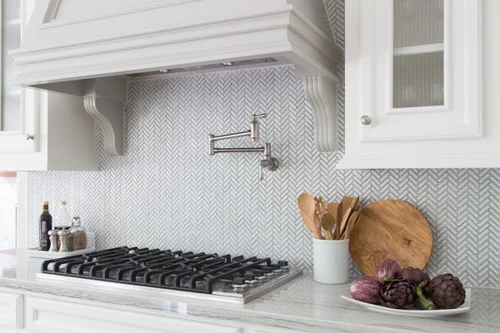
Are you tired of your outdated kitchen tile backsplash but not ready for a full renovation? You’re not alone.
Changing your backsplash can completely transform the look of your kitchen without breaking the bank or spending weeks on construction. Imagine a quick, simple way to cover those old tiles and give your kitchen a fresh, modern feel. You’ll discover easy, effective methods to cover your kitchen tile backsplash—no mess, no stress, just a stylish new look you’ll love.
Keep reading to find the perfect solution for your kitchen makeover!

Credit: food52.com
Choosing The Right Materials
Choosing the right materials is key to successfully covering a kitchen tile backsplash. The materials affect the look, durability, and ease of installation. Picking the best options helps create a stylish and lasting finish. Consider your kitchen style, budget, and skill level before deciding.
Tile Options
Tiles come in many shapes, colors, and textures. Ceramic tiles are affordable and easy to clean. Porcelain tiles are stronger and resist stains well. Glass tiles reflect light and add a modern look. Natural stone tiles bring warmth and character. Peel-and-stick tiles offer a quick and simple update without mess.
Alternative Coverings
Not all backsplashes need tiles. Paint can refresh the area and resist moisture with special kitchen paints. Beadboard panels add a cozy, cottage feel. Stainless steel sheets provide an industrial and easy-to-clean surface. Wallpaper made for kitchens offers patterns and colors but needs a protective seal.
Tools And Supplies Needed
- Measuring tape to get accurate dimensions.
- Level to keep surfaces straight.
- Utility knife for cutting materials.
- Adhesive or mortar for sticking tiles or panels.
- Grout and sponge for tile finishing.
- Protective gloves and safety glasses.
- Caulk for sealing edges.
Preparing The Surface
Preparing the surface is an important first step before covering your kitchen tile backsplash. A clean, smooth wall helps new materials stick better and look great. Skipping this step can cause peeling or uneven surfaces. Focus on cleaning, removing old tiles, and smoothing the wall to get the best results.
Cleaning And Repairing
Start by cleaning the backsplash area thoroughly. Use a mild detergent and warm water to remove grease and dirt. Wipe the surface with a sponge and let it dry completely.
Check the wall for cracks, holes, or loose grout. Fill any holes with spackle or wall filler. Sand the repaired spots smooth once dry. This creates a solid base for the new backsplash.
Removing Old Backsplash
Removing the old backsplash is necessary if you want a fresh look. Use a putty knife or scraper to pry off loose tiles carefully. Protect the countertop and cabinets with painter’s tape and a drop cloth.
For stubborn tiles, a hammer and chisel might be needed. Work slowly to avoid damaging the wall. Clean off any leftover adhesive or grout after tile removal.
Smoothing The Wall
Smoothing the wall ensures the new backsplash will be flat and even. Sand the entire surface lightly with fine-grit sandpaper. This removes bumps and rough spots.
Apply a primer or bonding agent if recommended for your new backsplash material. This step improves adhesion and gives a clean, uniform surface.
Simple Covering Techniques
Revamping your kitchen doesn't need to be complicated or expensive. Simple covering techniques offer an easy way to refresh your backsplash. You can use several methods to achieve a brand-new look. Each option is affordable and requires minimal effort. Whether you rent or own, these ideas suit any space.
Peel-and-stick Tiles
Peel-and-stick tiles provide a quick fix for tired backsplashes. They mimic the look of real tiles without the hassle. You can choose from various colors and styles to match your decor.
Installation is easy, requiring no special tools or skills. Clean the surface thoroughly to ensure the tiles stick well. Measure and cut the tiles to fit your space precisely. Peel the backing and press the tiles firmly onto the wall. These tiles are also removable, making them great for renters.
Painting Over Tiles
Painting over tiles offers a budget-friendly way to update your backsplash. Use special tile paint for a durable finish. Clean the tiles and apply a primer for better adhesion.
Choose a paint color that complements your kitchen theme. Use a small roller or brush for even coverage. Apply multiple coats if necessary, allowing each to dry thoroughly. This method transforms your kitchen with minimal expense.
Using Wallpaper Or Decals
Wallpaper and decals bring a splash of color to your backsplash. They offer a fun and unique way to personalize your kitchen. Choose water-resistant options suitable for high-moisture areas.
Measure your backsplash area to cut the wallpaper or decals accurately. Use a squeegee to smooth out any bubbles during application. Remove them easily without damaging the tiles underneath. This technique allows for frequent style changes with ease.

Credit: www.aol.com
Creative Design Ideas
Covering your kitchen tile backsplash offers a fantastic chance to refresh your space with style. Creative design ideas can transform a plain backsplash into a stunning focal point. Think beyond simple covers and imagine a backsplash that reflects your personality and enhances your kitchen's vibe.
Mixing Patterns And Colors
Don't be afraid to mix different tile patterns and colors to create a unique backsplash. Combining geometric shapes with floral prints can add depth and interest. Try pairing bold colors like navy blue with soft pastels to create contrast without overwhelming your kitchen.
Think about how the patterns interact. Will they clash or complement each other? Use a color wheel to find shades that work well together, or choose patterns that share a common color to keep harmony.
Adding Metallic Accents
Metallic accents can instantly elevate your backsplash design. Adding strips of copper, brass, or stainless steel tiles adds a sleek, modern touch. These accents catch the light and create a dynamic look that changes throughout the day.
Consider small metallic inserts scattered among ceramic tiles or a full metallic mosaic for a bold statement. Reflective surfaces also make your kitchen feel brighter and more spacious. Have you tried mixing metals, like gold and silver? It can surprise you how well they blend.
Incorporating Textured Materials
Texture adds dimension and interest to your backsplash. Materials like natural stone, wood-look tiles, or even 3D tiles bring a tactile element that plain tiles lack. Textured backsplashes create a cozy and inviting atmosphere in your kitchen.
Think about combining smooth and rough textures to create balance. For example, pair glossy subway tiles with rough slate tiles. How do you want your backsplash to feel when you touch it? This can guide your material choices and help you design a space that’s not just beautiful but engaging.
Installation Tips
Installing a kitchen tile backsplash needs careful preparation and attention. Following the right steps helps achieve a clean and lasting finish. Small details make a big difference in the final look and durability.
Measuring And Cutting Tiles
Start by measuring the backsplash area accurately. Use a tape measure to get the height and width. Mark your tiles before cutting to avoid mistakes. Use a tile cutter or wet saw for clean, precise cuts. Always wear safety glasses to protect your eyes during cutting.
Applying Adhesive
Choose the right adhesive for your tile type and wall surface. Spread the adhesive evenly using a notched trowel. Work in small sections to prevent the adhesive from drying out. Press tiles firmly into place and use spacers to keep gaps even. Check alignment often to keep rows straight.
Grouting And Sealing
Allow the adhesive to dry fully before grouting. Mix grout according to the package instructions. Use a rubber float to spread grout diagonally over the tiles. Remove excess grout with a damp sponge before it hardens. After the grout dries, apply a sealer to protect against stains and moisture.

Credit: www.create-enjoy.com
Maintaining Your Backsplash
Maintaining your kitchen tile backsplash keeps it looking fresh and new. Regular care prevents stains, cracks, and dullness. Small efforts protect your investment and improve your kitchen’s look. Follow simple steps to clean, repair, and extend your backsplash’s lifespan.
Cleaning Techniques
Use a soft cloth or sponge with warm water and mild soap. Avoid harsh chemicals that can damage tile surfaces. For tough stains, try a mixture of baking soda and water. Apply gently, then rinse thoroughly. Clean grout lines with a toothbrush and a vinegar solution. Wipe backsplash daily to stop grease build-up and dust.
Repairing Damage
Check tiles for cracks or chips regularly. Replace broken tiles to stop damage from spreading. Use grout repair kits to fix small gaps or cracks. For loose tiles, reapply adhesive and press firmly. Act quickly to avoid water damage behind tiles. Small repairs save you from costly renovations later.
Extending Lifespan
Seal grout lines every six months to prevent moisture damage. Avoid using abrasive tools that scratch tile surfaces. Use backsplash-friendly cleaners to keep tiles shiny and strong. Control kitchen humidity to protect grout and tiles. Regular maintenance keeps your backsplash durable and beautiful for years.
Frequently Asked Questions
How Do I Cover Kitchen Tile Backsplash Easily?
You can cover kitchen tile backsplash with peel-and-stick tiles or panels. Clean the surface well before applying. These options save time and avoid demolition.
What Materials Work Best To Cover Backsplash Tiles?
Popular materials include beadboard, stainless steel sheets, and adhesive wallpaper. These materials are durable, easy to install, and provide a fresh look.
Can I Paint Over Existing Kitchen Backsplash Tiles?
Yes, you can paint tiles with proper preparation. Clean, sand lightly, and use a primer designed for tiles. Finish with durable, moisture-resistant paint.
How To Remove Backsplash Tiles Without Damaging Walls?
Use a putty knife and hammer to gently pry tiles away. Work slowly to avoid wall damage. Protect the wall for easier covering later.
Conclusion
Covering your kitchen tile backsplash can refresh your space quickly. Choose materials that suit your style and budget. Take your time to prepare the surface well. Follow the steps carefully for a smooth finish. Small changes make a big difference in your kitchen’s look.
Enjoy your updated backsplash and the new feel it brings. Simple updates can brighten up your cooking area. Keep your tools handy and work patiently. This project is doable for anyone with basic skills. Give your kitchen a fresh, clean look today.