
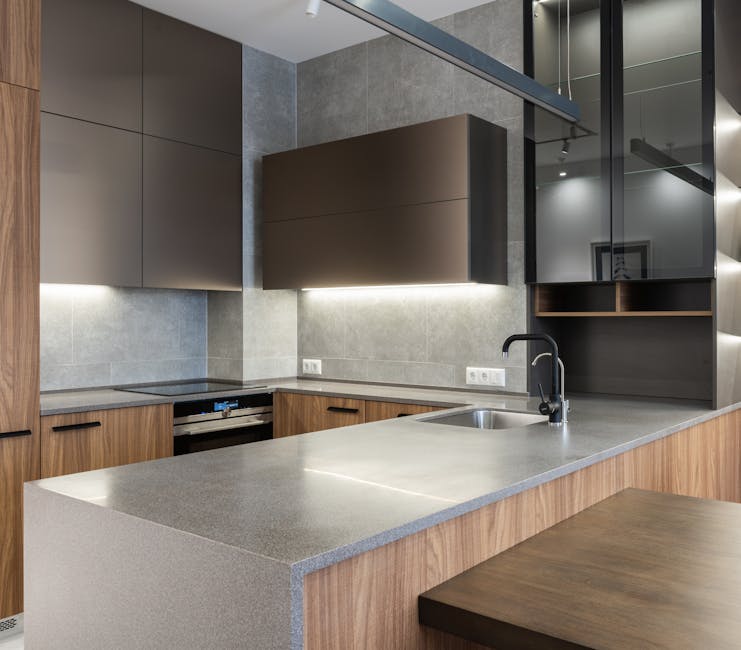
Is your open kitchen making your living room feel cluttered or messy? You’re not alone.
Many people struggle with finding the perfect way to separate these two spaces without losing the open, airy feel. If you want to create a cozy, stylish living area while keeping your kitchen out of sight, this guide is for you.
You’ll discover simple, practical ideas that can transform your space instantly. Ready to make your home look cleaner and more inviting? Keep reading to find out how to cover your open kitchen from your living room with ease.
Reasons To Separate Kitchen And Living Room
Separating the kitchen from the living room creates distinct spaces that serve different purposes. This separation helps maintain order and improves the overall comfort of your home. It also allows better control over the atmosphere in each room.
Dividing these areas can make your living space more functional and pleasant. It gives each room its own character and reduces distractions.
Benefits Of Privacy
Privacy is important in a home. A separate kitchen keeps cooking activities away from the living area. It hides clutter and mess during meal preparation.
Guests can relax in the living room without seeing dirty dishes or food prep. Family members enjoy quiet moments without kitchen interruptions.
Managing Noise And Smells
Kitchens can be noisy with appliances and cooking sounds. Keeping the kitchen separate reduces noise in the living room. This makes it easier to watch TV or have conversations.
Strong food smells stay in the kitchen, not spreading to the living space. This keeps the living room fresh and pleasant for everyone.
Enhancing Aesthetic Appeal
Separating the kitchen allows more design freedom in both spaces. You can create a cozy living room without kitchen clutter. The kitchen can focus on practical and stylish cooking features.
This division helps maintain a clean, organized look. Each room can have its own color scheme and decor, improving the home's overall style.
Decorative Room Dividers
Decorative room dividers offer stylish ways to separate your open kitchen from the living room. They create visual boundaries without building walls. These dividers add charm and function by defining spaces and enhancing privacy. They come in many designs and materials to suit any home style.
Folding Screens
Folding screens are flexible dividers that easily move and adjust. They come in various colors and patterns. These screens can add texture and personality to your space. Folding screens are lightweight and simple to store when not in use. Their portability makes them ideal for renters or temporary setups.
Shelving Units
Shelving units act as dividers while providing storage and display areas. Open shelves keep the space airy and bright. You can use them to showcase plants, books, or decor items. Shelving units help organize both kitchen and living room essentials. Choose units that fit your room size and style.
Curtains And Drapes
Curtains and drapes offer a soft, flexible way to separate spaces. They are easy to install and change. Light fabrics allow some light to pass through, keeping the area open. Heavy curtains create more privacy and block noise. Curtains add warmth and color, enhancing your room’s atmosphere.
Creative Partition Ideas
Sliding panels or glass partitions create a stylish barrier between kitchen and living room. Using open shelves as dividers offers storage and separates spaces without blocking light. Curtains or folding screens provide flexible, easy-to-change coverage for open kitchens.
When designing an open kitchen, one of the common challenges is how to create a distinct separation from the living room without sacrificing style or functionality. Creative partition ideas can transform your space, offering privacy while maintaining an open and airy feel. Let's dive into some innovative solutions that can beautifully delineate your kitchen and living room.
Glass Partitions
Glass partitions provide a sleek and modern way to separate spaces without blocking natural light. They offer a transparent barrier that maintains the open feel of your home. You can choose from clear, frosted, or even colored glass to match your aesthetic. Imagine preparing dinner while still keeping an eye on your kids playing in the living room. Glass partitions let you do just that, ensuring you’re always part of the action. Plus, they’re easy to clean, making them a practical choice for busy households.
Sliding Doors
Sliding doors are versatile and space-saving, making them perfect for small apartments or homes with limited space. These doors can be opened to create an open-plan feel or closed to offer privacy. Choose from materials like wood, glass, or even metal to complement your interior design. Picture hosting a dinner party where you want to keep the prep work out of sight. Simply slide the doors closed, and your guests will never know what’s happening behind the scenes.
Half Walls And Counters
Half walls or counters offer a subtle division that doubles as extra workspace or a breakfast bar. They’re excellent for creating zones without fully enclosing a space. Consider adding open shelving on your half wall to display your favorite cookbooks or decorative items. This setup not only enhances functionality but also adds a personal touch to your home. Have you ever thought about how a cleverly placed counter can become the heart of your home, inviting family and friends to gather around? Each of these partition ideas provides a unique way to balance openness with privacy. Which one resonates with your style and needs?
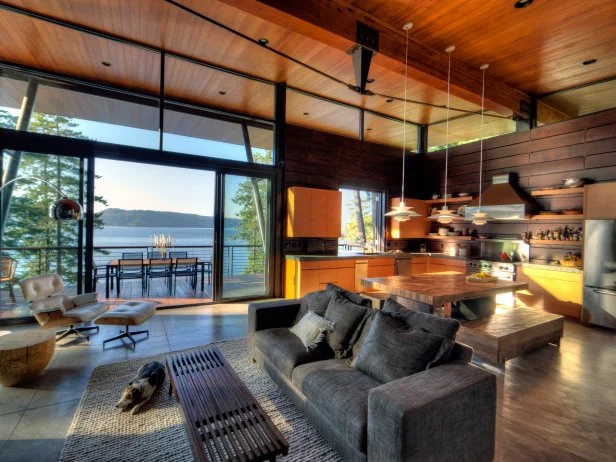
Credit: www.hgtv.com
Using Plants For Natural Separation
Using plants to create a natural separation between your open kitchen and living room adds life and texture to your space. Plants not only divide areas but also improve air quality and add a calming vibe. You can choose from various green options that suit your style and space, making your home feel fresh and cozy.
Tall Indoor Plants
Tall indoor plants like fiddle leaf figs, snake plants, or rubber plants can act as living walls between your kitchen and living room. Place them in a row or cluster near the boundary to create a lush, green screen that softens the open layout.
They bring height and drama without blocking light or making the area feel cramped. Have you tried positioning plants where you naturally pause or turn? It’s a subtle way to nudge your eyes away from the kitchen clutter.
Vertical Gardens
Vertical gardens are perfect if floor space is limited but you want a bold green statement. Use wall-mounted planters or a grid system to grow a variety of herbs, succulents, or small foliage plants.
This setup keeps your kitchen fresh—imagine plucking herbs for dinner right next to your cooking space—while visually separating the two rooms. Could you transform an unused wall into a vertical garden that also serves as a natural divider?
Planter Screens
Planter screens combine the privacy of a room divider with the beauty of plants. These modular units let you arrange pots at different heights and densities to suit your needs.
You can move them as you like, making it easy to adapt your space for gatherings or quiet evenings. What if your divider could be both a statement piece and a practical storage spot for your plants?
Furniture Placement For Privacy
Creating privacy between your open kitchen and living room can be tricky without building walls. Furniture placement plays a crucial role in defining spaces while keeping the flow open and inviting. Thoughtful arrangement lets you enjoy both areas without sacrificing comfort or style.
Sofa Orientation
Position your sofa so its back faces the kitchen. This simple shift acts as a natural barrier and directs attention toward the living area. It also helps block kitchen mess from view during gatherings.
If space allows, choose a sectional sofa. It creates a cozy corner that clearly separates the two zones. Imagine sitting comfortably, unaware of kitchen clutter, while still feeling part of the home’s activity.
Bar Stools And Islands
Use a kitchen island or peninsula as a divider and add bar stools facing the living room. This setup maintains openness but signals a boundary between cooking and relaxing zones.
Bar stools invite casual seating and conversations without crowding the living space. They offer a spot for quick meals or chats, bridging the two areas while giving your kitchen a defined edge.
Storage Furniture As Barriers
Place low storage units or open shelving between the kitchen and living room. These pieces provide privacy and extra storage without closing off light or sightlines.
Pick furniture that matches both areas to unify the design. You could use bookcases, cabinets, or even a sideboard to hide kitchen clutter and display decor, enhancing privacy and style simultaneously.

Credit: www.magnet.co.uk
Lighting To Define Spaces
Lighting plays a key role in defining open kitchen and living room spaces. Proper lighting creates boundaries without walls. It adds depth and character to each area. Thoughtful lighting guides the eye and enhances the room’s function.
Balancing light levels helps separate the kitchen's work zone from the living room's relaxation area. Different lighting types set distinct moods. Mixing functional and decorative lights shapes the atmosphere. This section explores lighting ideas to mark spaces clearly and attractively.
Pendant Lights Over Kitchen
Pendant lights highlight the kitchen area beautifully. They hang low above counters or islands. These lights focus on task areas for cooking and prepping. Choose fixtures that match the kitchen style and size. Warm, bright bulbs improve visibility and comfort. Pendant lights also add a stylish touch that draws attention.
Ambient Lighting In Living Area
Soft ambient lighting makes the living room cozy. Use ceiling lights, floor lamps, or wall sconces. These lights spread gentle, even illumination across the space. They reduce harsh shadows and glare. Dimmer switches help adjust brightness to suit moods. Ambient light invites relaxation and socializing comfortably.
Accent Lighting For Dividers
Accent lighting highlights boundaries between kitchen and living areas. Use LED strips, spotlights, or small lamps along dividers. These lights emphasize room edges without blocking sight lines. Accent lighting adds visual interest and texture. It creates subtle separation that feels open and airy.
Color And Material Choices
Choosing the right colors and materials helps separate the kitchen from the living room. It creates a clear boundary without building walls. This approach keeps spaces open yet distinct.
Colors and textures add personality and style. They influence how the rooms feel and flow. Thoughtful choices improve both look and function.
Contrasting Paint Colors
Use different paint colors to mark each area clearly. Darker shades in the kitchen highlight it as a separate zone. Lighter, softer tones in the living room invite relaxation.
Choose colors that complement but do not match exactly. This contrast draws the eye and defines space. It also adds visual interest without clutter.
Textured Wall Treatments
Textured walls create depth and focus. Materials like brick, wood panels, or stone give unique character. They break the flatness between kitchen and living areas.
Use texture on one side only to avoid overwhelming the room. For example, a brick wall in the kitchen adds warmth. A smooth painted wall in the living room keeps it calm.
Coordinated Flooring Options
Flooring can unify or separate the kitchen and living room. Use different materials or patterns to signal a change in space. Hardwood in the living room contrasts nicely with tile in the kitchen.
Choose colors that work well together for smooth transitions. This method helps the open layout feel intentional and balanced. Durable kitchen floors also protect against spills and stains.

Credit: www.magnet.co.uk
Frequently Asked Questions
How Can I Hide An Open Kitchen From The Living Room?
Use room dividers, curtains, or sliding panels to separate the kitchen visually. These options maintain openness but create a clear boundary.
What Materials Work Best For Covering Open Kitchens?
Wooden screens, frosted glass, and metal partitions are popular. They add style while effectively concealing kitchen clutter from the living room.
Are Plants Effective For Covering An Open Kitchen?
Yes, tall plants or vertical gardens provide a natural barrier. They enhance decor and subtly separate the kitchen from the living space.
Can Furniture Placement Help Cover An Open Kitchen?
Strategically placing sofas or shelving units can block kitchen views. This method defines zones without building permanent walls.
Conclusion
Covering an open kitchen from the living room creates a cozy, private space. Simple ideas like room dividers or curtains work well. You can also use furniture or plants to separate areas. Choose options that fit your style and budget.
Small changes make a big difference in your home's feel. Enjoy the balance between openness and privacy in your living space. Keep it practical and stylish for daily comfort.