
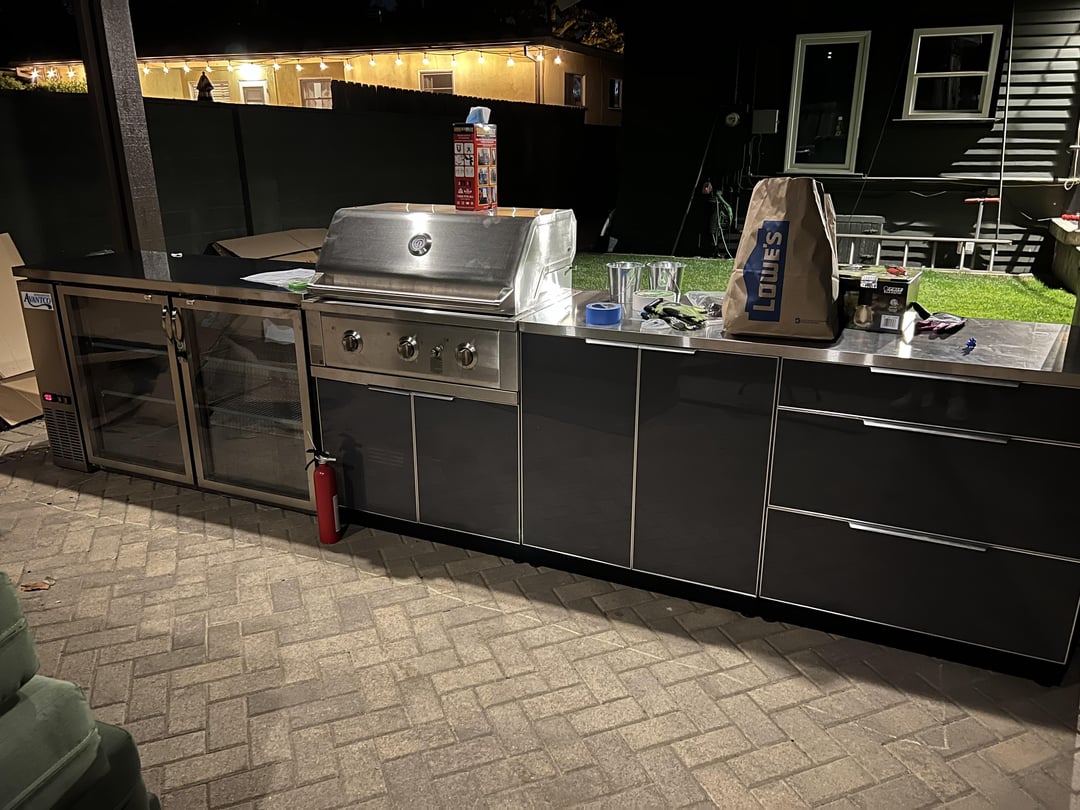
Your outdoor kitchen is a fantastic space to enjoy cooking and entertaining, but protecting it from the elements is crucial to keep it looking great and working well. Covering your outdoor kitchen not only shields it from rain, sun, and dust but also extends its life and makes it more comfortable to use year-round.
If you want to learn simple, effective ways to cover your outdoor kitchen without breaking the bank, you’re in the right place. Keep reading to discover practical solutions that fit your style and budget, so your outdoor cooking area stays perfect no matter the weather.

Credit: www.creativecoversinc.com
Choosing The Right Cover Material
Choosing the right cover material is key to protecting your outdoor kitchen. It keeps your space clean and safe from weather damage. The right material lasts long and fits your climate. Consider durability, weather resistance, and breathability. These factors help maintain your kitchen’s condition.
Weather-resistant Fabrics
Weather-resistant fabrics shield your kitchen from rain and sun. They repel water and resist fading from sunlight. These fabrics often have a tight weave to block dust and dirt. They are lightweight, making covers easy to handle and store. Many come with UV protection, preventing color loss over time.
Durable Vinyl Options
Vinyl covers offer strong protection against harsh weather. They are waterproof and can handle heavy rain and snow. Vinyl is tough and resists tears or punctures. It requires little maintenance and cleans easily with a damp cloth. These covers often have reinforced seams for added strength.
Breathable Mesh Covers
Breathable mesh covers allow air to flow through. This prevents mold and mildew build-up. Mesh covers are good for dry climates or mild weather. They protect against leaves, dust, and insects. These covers dry quickly after rain and reduce moisture trapping under the cover.
Credit: creekstoneoutdoors.com
Measuring Your Outdoor Kitchen
Measuring your outdoor kitchen correctly ensures a perfect fit for covers and accessories. Accurate measurements prevent gaps and protect your kitchen from weather damage. Take your time and measure carefully for the best results.
Taking Accurate Dimensions
Start by measuring the length, width, and height of your outdoor kitchen. Use a metal tape measure for precision. Measure at several points to check for irregular shapes. Record the largest measurements to ensure full coverage. Don't forget to measure any raised or lowered areas.
Accounting For Accessories
Include accessories like side burners, sinks, or refrigerators in your measurements. These parts often extend beyond the main structure. Measure their full width and height as well. Add extra space for handles, knobs, and vents. This prevents damage and allows easy access.
Custom Vs Standard Sizes
Standard covers come in common sizes and fit most kitchens. They are usually cheaper and easier to find. Custom covers match your kitchen’s exact dimensions. They offer better protection but cost more. Choose based on your budget and kitchen shape.
Styles Of Outdoor Kitchen Covers
Choosing the right style of cover for your outdoor kitchen can make a huge difference in its usability and longevity. Your cover needs to protect against weather while matching the look and feel of your outdoor space. Whether you want something permanent or flexible, there’s a style that fits your needs and lifestyle.
Full Coverage Designs
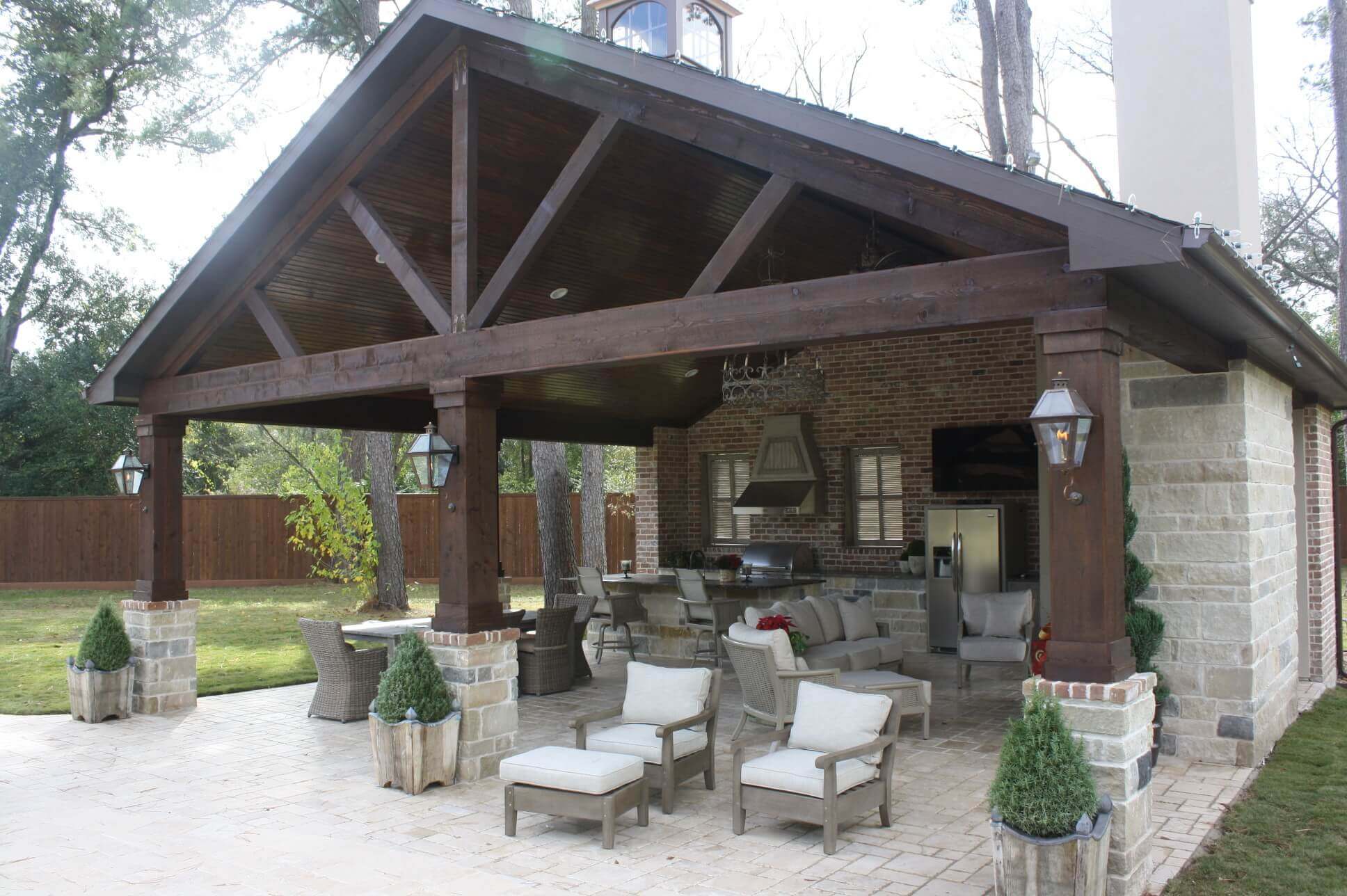
Full coverage designs completely enclose your outdoor kitchen, shielding it from rain, sun, and dust. These covers often resemble small gazebos or pergolas with solid or semi-solid roofs. They provide excellent protection and allow you to use your kitchen year-round, no matter the weather.
Imagine hosting a barbecue on a rainy day without worrying about soggy grills or damp countertops. Full coverage keeps your appliances and surfaces clean, reducing maintenance time. Plus, these structures can add a striking architectural element to your backyard.
Partial And Modular Covers
Partial and modular covers give you flexibility by protecting key areas while leaving others open. They typically cover just the grill or cooking zone, leaving prep areas exposed. These options are ideal if you want some weather protection but still enjoy an open-air feel.
Modular covers can be rearranged or expanded as your outdoor kitchen grows. You could start with a simple hood over the grill and later add side panels or a roof. This approach saves money upfront and adapts to your changing needs.
Roll-up And Retractable Options
Roll-up and retractable covers offer convenience and versatility. You can pull them down to block sun or rain and roll them up to enjoy fresh air and sunlight. Many are made from weather-resistant fabric that dries quickly and resists mildew.
This style is perfect if you want quick protection without a permanent structure. Think about how often your weather changes—having the option to open or close your cover instantly can make your cooking experience much more enjoyable. Have you considered how much time you spend cleaning after a storm?
Installation Tips For Secure Protection
Securing your outdoor kitchen cover can prevent damage. Proper installation ensures durability. It also protects from harsh weather. Follow these tips for peace of mind. Your outdoor kitchen will thank you.
Anchoring Techniques
Anchors keep your cover in place. Use sturdy anchor points like walls or posts. Ensure anchors are firmly embedded. This prevents movement during storms. You can use concrete anchors for extra strength. Make sure the material is weather-resistant.
Using Straps And Buckles
Straps and buckles offer tight fits. They are essential for secure coverage. Choose durable materials like nylon. Fasten straps tightly around the kitchen. Adjust buckles to eliminate slack. This prevents the cover from lifting.
Preventing Wind Damage
Wind can cause significant damage. Choose a cover with vents. Vents allow wind to pass through, reducing pressure. Add weights to the cover’s edges. This keeps it grounded during gusts. Regularly check and adjust as needed.
Maintaining And Cleaning Covers
Maintaining and cleaning your outdoor kitchen covers is essential to extend their life and keep your kitchen looking great. Dirt, dust, and weather elements can wear down the material if you don’t take care of them regularly. Proper upkeep not only protects your investment but also saves you money on replacements and repairs.
Routine Cleaning Methods
Start by gently brushing off loose dirt and debris with a soft broom or brush. This prevents grime from settling deep into the fabric. Use a mixture of mild soap and warm water to spot clean stains or dirt patches.
Apply the soapy water with a soft cloth or sponge, then rinse thoroughly with clean water. Avoid harsh chemicals or bleach as they can damage the cover material. Let the cover air dry completely before putting it back on your kitchen.
Mold And Mildew Prevention
Have you ever noticed a musty smell or seen dark spots on your covers? That’s mold or mildew starting to grow. To prevent this, make sure the covers are completely dry before storing or covering your kitchen.
Improving air circulation around the cover also helps reduce moisture buildup. Consider using a spray designed to inhibit mold growth on outdoor fabrics. These sprays create a barrier that discourages mold spores from settling.
Storage During Off-season
When winter or heavy rain is on its way, storing your covers properly can make all the difference. Fold them neatly and place them in a dry, cool spot away from direct sunlight. Avoid storing covers in plastic bags as this traps moisture and can lead to mold.
If space is limited, invest in a breathable storage bag or container. This protects the covers from pests and dust while allowing air to flow freely. Do you have a special spot for your covers during the off-season? Finding one can save you time and hassle next season.

Credit: www.bonpergola.com
Enhancing Outdoor Kitchen Durability
Keeping your outdoor kitchen in great shape means protecting it from the elements. Weather can quickly wear down surfaces and appliances if you don’t take steps to strengthen their defenses. Enhancing your outdoor kitchen’s durability ensures it stays functional and beautiful through every season.
Adding Protective Coatings
Applying protective coatings to your countertops and cabinets can make a big difference. Look for sealants designed for outdoor use that resist stains, moisture, and UV damage. These coatings create a barrier that helps prevent cracking, fading, and mold growth over time.
Think about the last time you noticed wear on your outdoor surfaces. Would a simple layer of protection have saved you from costly repairs? Regularly refreshing these coatings keeps your kitchen looking fresh and sturdy.
Using Shade Structures
Shade structures like pergolas, awnings, or umbrellas shield your kitchen from direct sun and rain. This reduces heat stress on appliances and prevents water from pooling on surfaces. You can even install retractable options to control how much exposure your kitchen gets.
Have you ever felt how much cooler it is under a shaded area? That comfort extends to your kitchen materials, slowing down wear caused by harsh sun or sudden showers. Plus, shade makes cooking outside more enjoyable for you and your guests.
Incorporating Waterproof Features
Water can be your outdoor kitchen’s worst enemy. Adding waterproof elements such as weatherproof cabinets, water-resistant countertops, and sealed seams helps keep moisture out. Drainage systems around the kitchen area also prevent water from pooling and causing damage.
Consider how often rain or spills happen in your outdoor space. Would adding waterproof features reduce your maintenance time and protect your investment? Small adjustments here can save you headaches later, making your kitchen last longer.
Frequently Asked Questions
What Materials Are Best For Outdoor Kitchen Covers?
Durable materials like waterproof canvas, vinyl, and heavy-duty polyester are best. They resist weather, UV rays, and mildew, protecting appliances effectively.
How Do I Choose The Right Cover Size?
Measure your outdoor kitchen’s dimensions accurately. Choose a cover slightly larger for full protection and easy fitting without tightness.
Can Outdoor Kitchen Covers Withstand Harsh Weather?
High-quality covers with reinforced seams and waterproof coatings can handle rain, snow, and sun, ensuring long-lasting protection for your kitchen.
How Often Should I Clean My Outdoor Kitchen Cover?
Clean your cover every 1-3 months to prevent mold and dirt buildup. Use mild soap and water, then air dry completely.
Conclusion
Covering your outdoor kitchen protects it from rain, sun, and dust. A good cover keeps your cooking area clean and lasts longer. Choose a cover that fits well and is easy to use. Regularly clean and dry the cover to avoid damage.
A simple step like this saves money on repairs. Enjoy cooking outside without worry. Your outdoor kitchen stays ready for any meal or gathering. Protect it well, and it will serve you for years.