
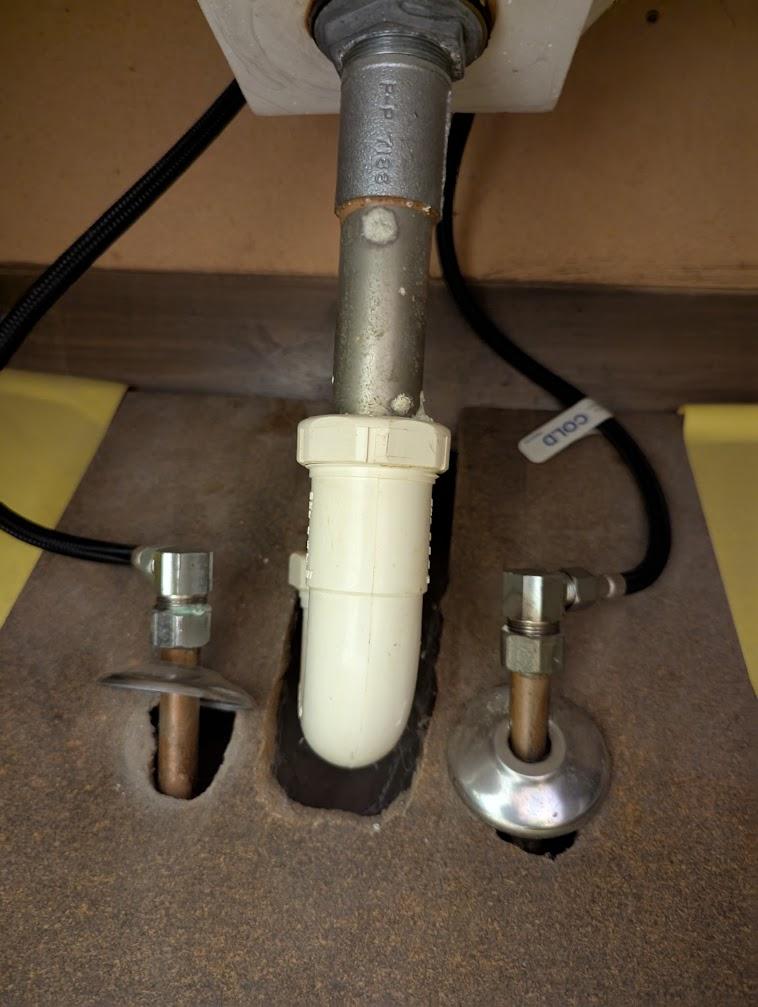
Are your kitchen sink pipes looking messy or unfinished? Covering them not only improves the look of your kitchen but also keeps your space safer and cleaner.
You might think it’s a complicated job, but with the right steps, you can easily cover your pipes yourself. You’ll discover simple and effective ways to hide those pipes and transform the area under your sink. Keep reading—you’ll be surprised at how easy it is to give your kitchen a neat, polished look.

Credit: www.reddit.com
Reasons To Cover Pipes
Covering pipes under the kitchen sink offers several benefits. It improves the overall look and protects the plumbing. It also keeps the area safer and cleaner. Understanding these reasons helps you decide why covering pipes is important in your kitchen.
Enhancing Kitchen Aesthetics
Exposed pipes can make your kitchen look unfinished or cluttered. Covering pipes creates a cleaner and more polished appearance. It hides unsightly plumbing and matches the kitchen décor. This small change can boost the room's overall charm.
Protecting Pipes From Damage
Pipes under the sink face risks from bumps and knocks. Covering them adds a layer of protection against accidental damage. It reduces the chances of leaks or breaks caused by impact. This helps maintain your plumbing system longer and avoids costly repairs.
Improving Safety And Hygiene
Uncovered pipes can collect dust, dirt, and even pests. Covering pipes makes cleaning easier and prevents buildup. It also reduces the risk of accidental burns from hot pipes. This creates a safer and more hygienic kitchen environment for everyone.

Credit: www.ebay.com
Materials For Pipe Covers
Covering pipes under the kitchen sink improves the space’s look and safety. Choosing the right material for pipe covers helps protect pipes from damage and hides them neatly. Materials vary in style, durability, and ease of installation. This guide explores popular options for pipe covers you can use.
Wooden Panels
Wooden panels offer a natural and warm look. They blend well with most kitchen designs. Wood is easy to cut and customize to fit around pipes. It provides good protection and hides pipes completely. Choose treated wood to resist moisture and last longer.
Pvc And Plastic Covers
PVC and plastic covers are lightweight and water-resistant. They come in various shapes and sizes. These covers are easy to clean and install. They also resist mold and mildew, making them ideal for damp areas. Plastic covers offer a modern look and affordable option.
Metal Enclosures
Metal enclosures provide a strong and durable cover. Stainless steel or aluminum are common choices. Metal resists heat and damage well. It can be painted or finished to match kitchen decor. These covers add a sleek, industrial touch to your kitchen.
Fabric Curtains
Fabric curtains give a soft, flexible cover for pipes. They are easy to install with simple rods or hooks. Curtains come in many colors and patterns to match your kitchen style. Fabric allows quick access to pipes for repairs. Use water-resistant fabric for better durability.
Diy Cover Ideas
Transforming the space under your kitchen sink can be rewarding. Exposed pipes often create an eyesore. Luckily, there are creative DIY solutions. These ideas help you cover pipes stylishly and efficiently.
Installing Wooden Cabinets
Wooden cabinets offer a sleek look. They provide storage and hide pipes. Choose a cabinet that fits your kitchen's style. Measure the space accurately. Ensure easy access to pipes for maintenance.
Using Decorative Boxes
Decorative boxes add charm. Use them to conceal pipes cleverly. Select boxes with lids for extra storage. Stack them for a neat look. Match colors with your kitchen decor.
Hanging Fabric Skirts
Fabric skirts give a cozy touch. They are easy to install. Attach them using Velcro or a tension rod. Choose waterproof fabric for durability. Mix and match patterns for a vibrant appeal.
Creating Faux Drawers
Faux drawers mimic real cabinetry. Install them to cover pipes. Use lightweight materials for easy handling. Paint to match your kitchen color scheme. They offer style without sacrificing functionality.
Stylish Design Tips
Covering pipes under the kitchen sink does not have to be boring. You can make this space look neat and stylish. Simple design tips can transform the area into a pleasing part of your kitchen. Focus on matching, color, texture, and storage to create a balanced look.
Matching Kitchen Decor
Choose materials and colors that blend with your kitchen style. Use wood panels if your kitchen has wooden cabinets. For modern kitchens, sleek metal or painted covers work well. Matching the cover with the floor or cabinet color creates a smooth flow. This makes the pipes less noticeable and the space feels unified.
Adding Color And Texture
Bright colors can make the pipe cover a fun feature. Soft pastels add a calm vibe, while bold colors bring energy. Textured surfaces like beadboard or patterned tiles add depth. These details draw the eye away from the pipes. Use paint or wallpaper to add personality without much cost.
Incorporating Storage Solutions
Turn the pipe cover into extra storage. Add shelves or small cabinets above or beside the pipes. Use hooks to hang cleaning tools or small baskets for sponges. This keeps the area tidy and useful. Storage makes the space practical and hides pipes cleverly.
Maintenance And Access
Proper maintenance and access are key when covering pipes under a kitchen sink. Covers protect pipes but should not block quick access for repairs. Regular cleaning and moisture control keep the area safe and dry. This section guides how to maintain covers without losing easy access.
Ensuring Easy Pipe Access
Choose covers that are easy to remove or open. Sliding panels or hinged doors work well. Avoid permanent fixtures like glued panels. Mark the cover area clearly for quick identification. Keep tools nearby for faster repairs. Clear space around pipes to prevent obstacles. Easy access saves time during leaks or clogs.
Cleaning Tips For Covers
Clean covers regularly to avoid dirt buildup. Use a damp cloth with mild soap. Avoid harsh chemicals that can damage surfaces. Check for dust or grime inside the cover area. Wipe pipes gently to keep them visible. Dry covers thoroughly after cleaning to prevent rust. Regular cleaning keeps the space hygienic and neat.
Preventing Moisture Build-up
Moisture causes mold and pipe damage. Use waterproof covers to protect pipes. Ensure good ventilation under the sink to reduce humidity. Place moisture absorbers or silica gel packs inside the cabinet. Fix leaks immediately to stop water pooling. Keep the area dry after cleaning or spills. Controlling moisture extends the life of pipes and covers.

Credit: www.reddit.com
Frequently Asked Questions
How Do I Cover Pipes Under The Kitchen Sink?
You can cover pipes using decorative panels, pipe covers, or custom cabinetry. These options hide pipes and improve kitchen aesthetics efficiently.
What Materials Work Best To Conceal Kitchen Sink Pipes?
PVC pipe covers, wood panels, and flexible foam insulation work well. They are durable, easy to install, and visually appealing.
Can I Paint Pipes Under My Kitchen Sink?
Yes, use water-resistant, non-toxic paint designed for plumbing. Painting pipes improves appearance and protects against rust and moisture damage.
Is It Necessary To Cover Pipes Under The Kitchen Sink?
Covering pipes is optional but enhances kitchen appearance and prevents dust buildup. It also protects pipes from accidental damage.
Conclusion
Covering pipes under the kitchen sink keeps the space neat and safe. It stops dust and water from causing damage. Use simple materials like foam or plastic covers. Measure pipes carefully before cutting covers to fit well. Keep the area dry and check for leaks often.
A tidy sink area makes kitchen work easier and cleaner. Small steps make a big difference in home care. Try these tips to protect your pipes today.