
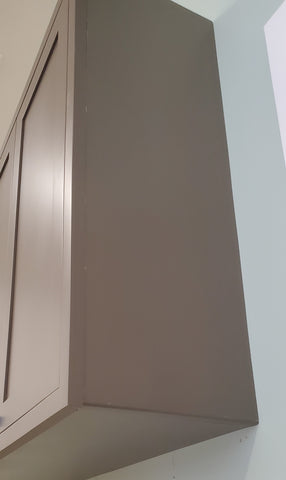
Are you tired of staring at the plain, unfinished bottoms of your kitchen cabinets? That little detail might seem small, but it can make your entire kitchen look incomplete or worn out.
The good news is, covering the bottom of your kitchen cabinets is easier than you think—and it can instantly boost the look and feel of your space. Whether you want a sleek modern finish or a cozy, traditional touch, this guide will show you simple, practical ways to transform those hidden spots.
Keep reading, and you’ll discover how a few smart moves can make your kitchen look polished and brand new.

Credit: www.amazon.com
Reasons To Cover Cabinet Bottoms
Covering the bottom of your kitchen cabinets is more than just a finishing touch. It serves practical purposes that protect your investment and improve the overall look of your kitchen. Understanding these reasons can help you decide the best way to finish your cabinets and keep them looking great for years.
Protecting Against Moisture And Damage
Kitchen floors often get wet, whether from spills, mopping, or cooking splashes. The bottom of cabinets is vulnerable to water damage, which can cause swelling, warping, or even mold growth.
Adding a protective layer, like a kickboard or toe kick, shields the cabinet base from moisture and daily wear. This simple step can save you costly repairs down the line.
Enhancing Kitchen Aesthetics
Have you noticed how unfinished cabinet bottoms can make a kitchen look incomplete? Covering the base adds a polished, professional appearance that ties the whole room together.
You can choose materials and colors that match your cabinetry or contrast for a stylish statement. This small change can dramatically improve your kitchen’s visual appeal.
Hiding Unsightly Gaps
Gaps between the cabinet bottom and the floor can collect dust and crumbs, making cleaning harder. They also create a visual distraction that breaks the flow of your kitchen design.
Covering these gaps with a baseboard or trim creates a seamless transition and keeps dirt out of hard-to-reach spots. Isn’t it nicer to have a smooth, clean line along your cabinets?
Popular Materials For Covering
Choosing the right material to cover the bottom of kitchen cabinets is key to enhancing both style and durability. The material should resist moisture, wear, and daily kitchen messes. It also needs to blend with your kitchen’s look and feel. Various materials suit different needs and budgets.
Wood And Laminate Options
Wood offers a natural, warm look that fits many kitchen styles. It is sturdy and easy to paint or stain. Laminate mimics wood but costs less and resists scratches and stains better. Both materials are simple to cut and install. They add a polished finish to your cabinet base.
Metal And Aluminum Choices
Metal covers bring a modern, sleek touch to cabinets. Aluminum is lightweight, rust-resistant, and easy to clean. It can handle kitchen humidity well. Metal options often come in brushed or shiny finishes. They provide a durable shield against bumps and spills.
Vinyl And Adhesive Films
Vinyl films are budget-friendly and come in many colors and patterns. Adhesive films stick directly to the cabinet bottom for quick updates. They resist water and stains but can peel over time. Vinyl is flexible and easy to replace if needed.
Simple Installation Methods
Covering the bottom of kitchen cabinets is a simple task with the right approach. Choosing an easy installation method saves time and effort. These methods help protect cabinets from damage and improve the kitchen’s look.
Using Peel-and-stick Strips
Peel-and-stick strips offer a quick and mess-free solution. Clean the cabinet bottom before applying. Cut strips to the needed length. Peel the backing and press firmly onto the surface. These strips come in various colors and textures. They resist moisture and are easy to replace.
Nailing Or Screwing Trim Pieces
Trim pieces add a polished finish and extra protection. Select trim that fits your cabinet style. Use small nails or screws to attach the trim securely. Pre-drill holes to prevent wood splitting. Make sure the trim is flush with the cabinet edge. This method provides a durable and neat look.
Applying Caulk Or Sealant
Caulk or sealant fills gaps between the cabinet and floor. Choose a paintable, waterproof caulk for kitchen use. Apply a steady bead along the edge using a caulk gun. Smooth the bead with a wet finger or tool. This seals out dirt and moisture, extending cabinet life.
Credit: www.cabinetjoint.com
Creative Design Ideas
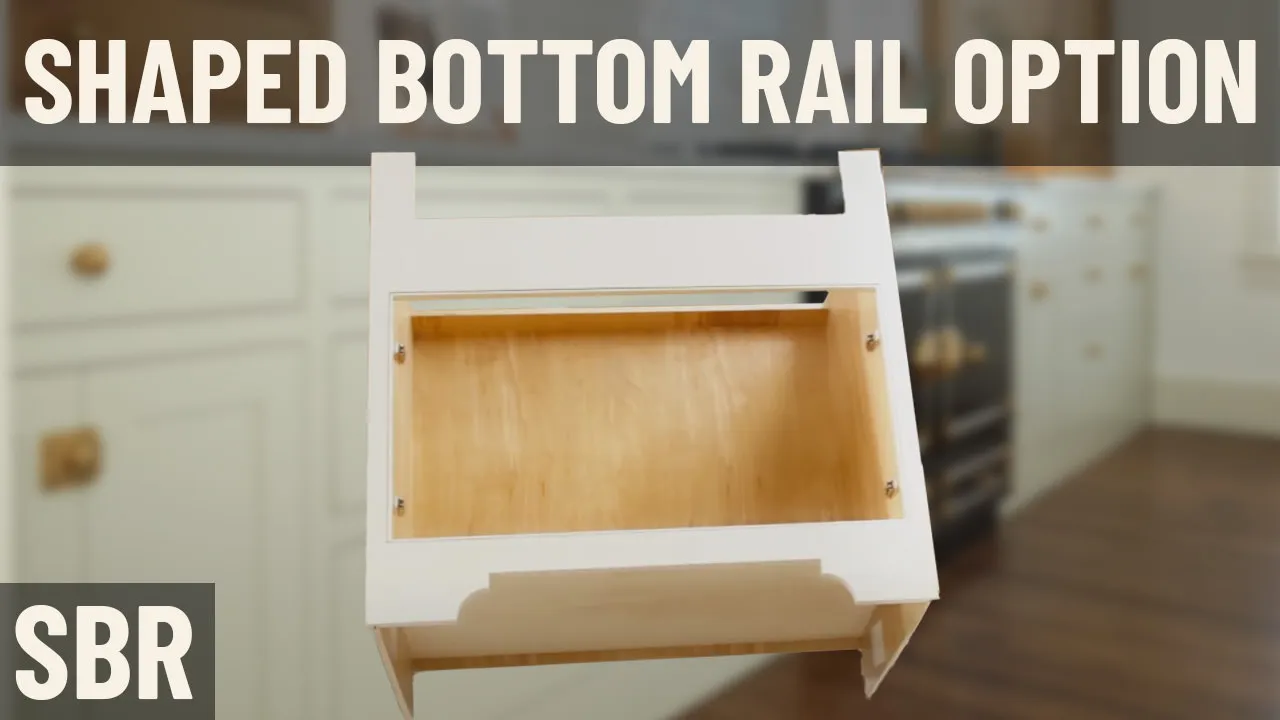
Covering the bottom of kitchen cabinets can hide gaps and protect against dirt. Using trim, paint, or decorative panels adds a neat, finished look. Simple materials can create a stylish, clean space under your cabinets.
Creativity can transform your kitchen cabinets from mundane to marvelous. Covering the bottom of your cabinets is an opportunity to add a personal touch and elevate your kitchen's aesthetic. Let's delve into some creative design ideas that can give your kitchen a fresh look without a complete overhaul.
Painting And Staining Techniques
A fresh coat of paint can work wonders. Choose colors that complement your kitchen's theme. Bright colors can make your space feel open and airy, while darker shades add a touch of elegance. Staining is another option if you prefer a natural wood look. Consider experimenting with different finishes for added texture. Both techniques are budget-friendly and can be a fun weekend project.
Adding Decorative Moldings
Decorative moldings bring a touch of sophistication. They can turn your plain cabinets into elegant masterpieces. Use moldings to create patterns or frames on the cabinet bottom. These additions can be painted or stained to match your existing decor. It's a small change that can make a big impact on the overall look.
Incorporating Led Lighting
LED lighting is a practical and stylish choice. Install strip lights under your cabinets to illuminate your countertop. This not only enhances the look but also improves functionality. Consider using colored LEDs for a modern twist. You can change the colors to suit your mood or occasion, creating a dynamic and inviting kitchen atmosphere. Which of these ideas resonates with you? Each option offers a unique way to refresh your kitchen space. Whether you opt for a splash of color, decorative accents, or innovative lighting, your kitchen is sure to stand out.
Maintenance Tips
Keeping the bottom of your kitchen cabinets in great shape isn't just about looks—it's about protecting your investment and ensuring your kitchen stays fresh and functional. Regular maintenance helps you spot issues early and keeps your cabinets looking their best. Let's dive into some practical tips to care for these often-overlooked areas.
Cleaning And Care
Start with gentle cleaning. Use a soft cloth and mild detergent to wipe down the cabinet bottoms regularly. Avoid harsh chemicals that can damage finishes or cause discoloration over time.
Pay attention to crumbs and spills, especially near the floor where dust and moisture tend to collect. A quick wipe after cooking sessions can prevent buildup and keep pests away.
Have you noticed how even small amounts of moisture can warp wood or peel paint? Keeping the area dry and clean is your best defense against these issues.
Repairing Minor Damages
If you see small scratches or chips, don’t ignore them. These spots can worsen if moisture seeps in. Use a wood filler or touch-up paint that matches your cabinet color to fix minor damages.
For loose or peeling covers, reattach them with adhesive or small nails. This simple fix can prevent further damage and keep your kitchen looking neat.
Ever tried fixing a scratch only to make it more noticeable? Test repair products on a hidden spot first to avoid surprises.
Replacing Worn Covers
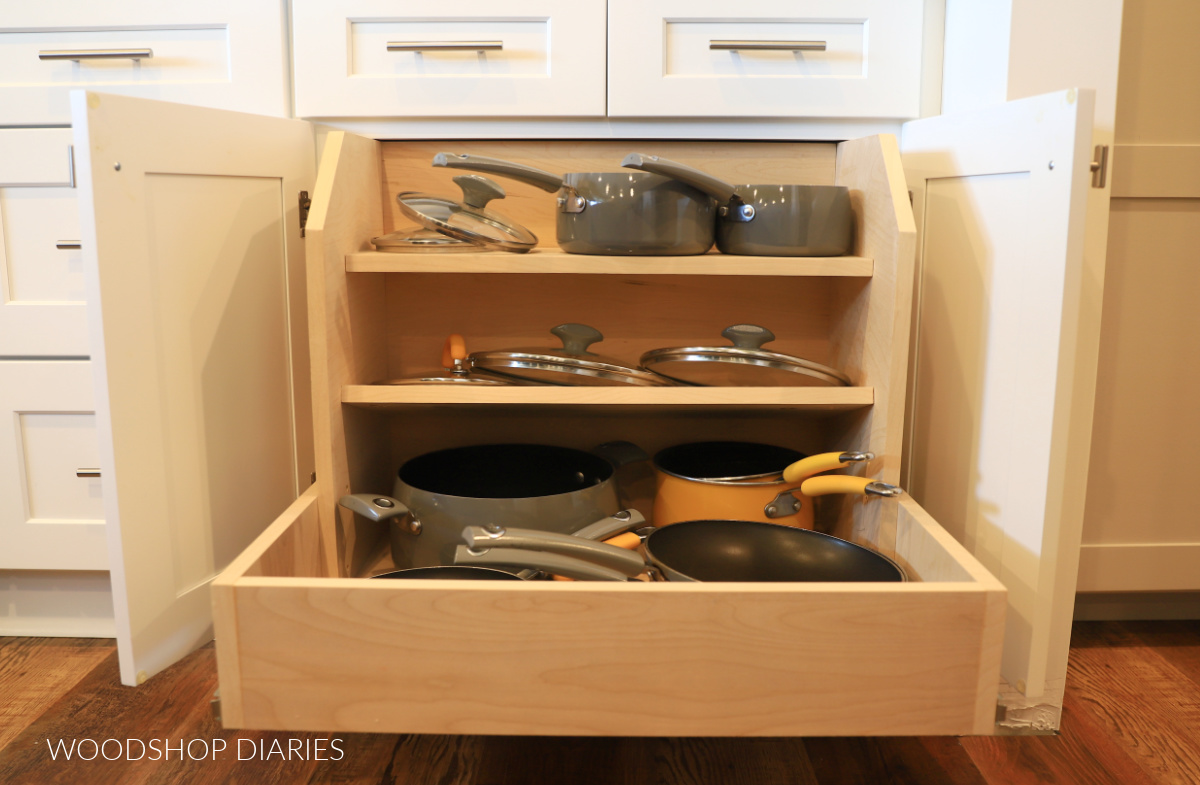
Sometimes, covers at the bottom wear out beyond repair. Replacing them can refresh your kitchen instantly. Measure carefully before buying new covers to ensure a perfect fit.
Choose durable materials like vinyl or metal trims for long-lasting protection. They resist water and wear better than wood in high-traffic areas.
Ask yourself: is it time for an upgrade that not only protects but also enhances your kitchen’s style?
Credit: www.woodshopdiaries.com
Frequently Asked Questions
What Materials Can I Use To Cover Kitchen Cabinet Bottoms?
You can use plywood, beadboard, laminate, or MDF to cover cabinet bottoms. These materials are durable, easy to clean, and affordable. Choose moisture-resistant options to prevent damage in humid kitchens. Each material offers a different look and finish, so pick one that matches your kitchen style.
How Do I Measure For Covering Kitchen Cabinet Bottoms?
Measure the cabinet bottom's length and width accurately using a tape measure. Note any cutouts for pipes or vents. Add a small margin for trimming during installation. Proper measurements ensure a snug fit and a professional finish for your cabinet bottoms.
Can I Cover Cabinet Bottoms Myself Without Professional Help?
Yes, covering cabinet bottoms is a manageable DIY project. Basic tools like a saw, drill, and adhesive are sufficient. Follow step-by-step instructions and safety guidelines. This approach saves money and allows customization, but ensure precise measurements and careful installation for best results.
Why Should I Cover The Bottom Of Kitchen Cabinets?
Covering cabinet bottoms protects against moisture, dust, and pests. It improves cabinet durability and cleanliness. Additionally, it enhances the kitchen’s aesthetic by hiding unfinished surfaces. Proper coverage helps maintain cabinets' structural integrity and extends their lifespan.
Conclusion
Covering the bottom of kitchen cabinets protects them from damage and dirt. It also gives your kitchen a cleaner, fresher look. Choose materials that fit your style and budget. Measure carefully to get the right fit every time. Take your time during installation for the best results.
A small effort can make a big difference in your kitchen’s appearance. Try these tips to keep your cabinets looking new and neat. Simple steps, lasting benefits.