
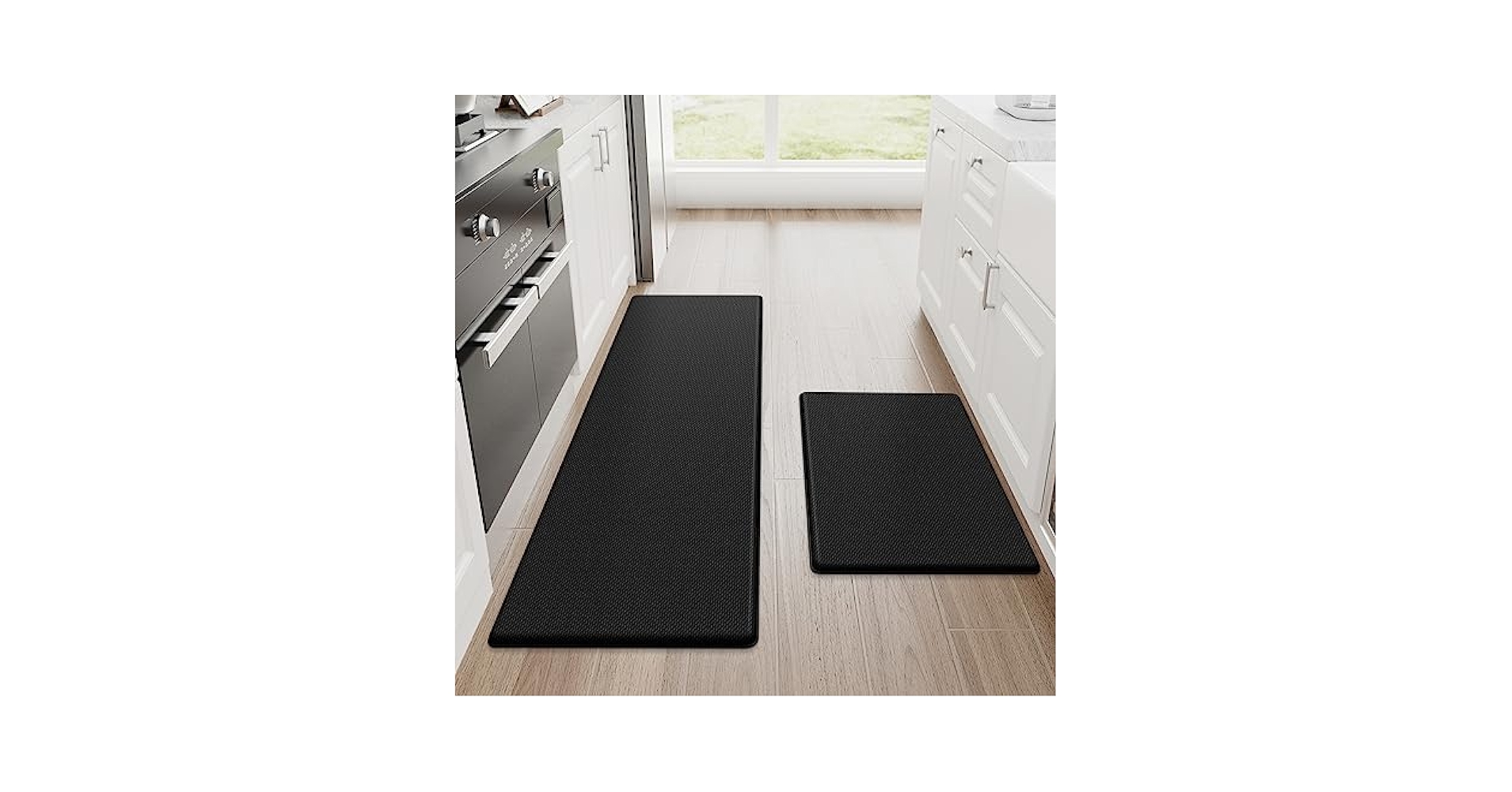
If you’ve ever spilled water or noticed moisture on your foam kitchen mats, you know how frustrating it can be to dry them properly. Leaving them damp can cause unpleasant smells, mold, or damage to your mats—and no one wants that in their kitchen.
But don’t worry, drying your foam kitchen mats the right way is easier than you think. In this post, you’ll discover simple, effective steps to get your mats dry and fresh again fast. Keep reading to protect your mats and keep your kitchen clean and comfortable.
Choosing The Right Cleaning Method
Choosing the right cleaning method for your foam kitchen mats makes a big difference in how well they dry and how long they last. Cleaning too aggressively can damage the foam, while a gentle approach might not remove all the grime. Knowing when to spot clean or give the whole mat a wash can save you time and keep your mats fresh.
Spot Cleaning Vs. Full Wash
Spot cleaning is perfect when you notice small stains or spills. It saves water and drying time since you only treat the dirty area. Use a damp cloth with mild soap to gently scrub the spot, then wipe it with a clean damp cloth to remove soap residue.
Full washing is necessary if your mat has widespread dirt or a persistent odor. You can hand wash it in a basin with warm water and gentle detergent. Avoid soaking for too long—foam absorbs water and takes longer to dry, which could lead to mold or unpleasant smells.
Ask yourself: Is the dirt localized or spread out? This simple question will guide your decision and help avoid over-washing.
Selecting Suitable Cleaning Products
Choose cleaning products that are mild and free from harsh chemicals. Strong detergents or bleach can break down the foam's structure. Look for gentle soaps or even baby shampoo, which clean effectively without damage.
If you prefer natural options, a mixture of water and white vinegar works well for deodorizing and light cleaning. Remember to test any product on a small, hidden area first to ensure it doesn’t cause discoloration or foam deterioration.
Have you checked the label on your cleaning product lately? Some ingredients might look harmless but can harm your mats over time. Selecting the right cleaner protects your investment and keeps your kitchen safe.
Preparing Foam Mats For Drying
Preparing your foam kitchen mats for drying is a crucial step that can extend their life and keep them comfortable underfoot. Proper preparation helps avoid damage like warping or mold growth. It also ensures the mats dry evenly and quickly, saving you time and hassle.
Removing Excess Water
After washing your foam mats, the first thing you want to do is get rid of as much water as possible. You can press the mats gently with a clean towel to soak up moisture. Avoid wringing or twisting, as this can damage the foam’s structure.
If you have a large mat, try rolling it up like a yoga mat with a towel inside to squeeze out water evenly. How often do you overlook this step and end up with a soggy mat that takes forever to dry?
Shaping And Flattening
Once you’ve removed excess water, focus on reshaping the mat to its original form. Lay it flat on a dry surface, smoothing out any wrinkles or bends. Foam mats can easily lose their shape if left folded or uneven during drying.
To help the mat keep its shape, place lightweight objects like books on the edges if it tends to curl. This simple trick worked for me when a mat started warping after a wash, and it saved me from buying a new one.
Effective Air Drying Techniques
Place foam kitchen mats in a well-ventilated area to dry naturally. Avoid direct sunlight to prevent damage and maintain softness. Pat mats gently with a towel to remove excess water before air drying.
Drying foam kitchen mats effectively can extend their lifespan and maintain hygiene. Using air drying techniques is not only eco-friendly but also gentle on the material. Understanding the best practices for air drying ensures your mats remain fresh and ready for use. Let's dive into some practical methods you can use at home.
Optimal Placement For Airflow
Position your mats in a well-ventilated area. This could be near a window or in an open space where air circulates freely. Hanging them on a clothesline outside can also be very effective, especially on a sunny day. Avoid placing mats in cramped or damp areas. These conditions can prolong drying time and may lead to unpleasant odors. Instead, choose a spot where air can reach both sides of the mat for even drying.
Using Fans To Speed Up Drying
A fan can be your best friend when it comes to speeding up the drying process. Place a fan near the mats to boost air circulation. This is particularly useful during rainy or humid days when natural airflow is limited. Ensure the fan is set to a medium or high speed. This enhances airflow, reducing drying time significantly. You might be surprised at how quickly a simple fan can work its magic on your mats. Have you ever considered using a combination of these methods for even faster results? By strategically placing your mats and using a fan, you optimize the drying process. This proactive approach ensures your kitchen mats are always fresh and ready to support your culinary adventures.

Credit: www.amazon.com
Using Towels And Absorbents
Using towels and absorbents is a simple and effective way to dry foam kitchen mats. These materials soak up moisture quickly and help prevent mold growth. This technique requires only a few household items and minimal effort. It works best on mats that are damp but not dripping wet.
Patting And Pressing Methods
Start by laying the foam mat flat on a dry surface. Use a clean, dry towel to gently pat the mat. Press down softly to absorb water from the foam. Avoid rubbing, which can damage the material. Repeat patting until the towel no longer picks up moisture.
Next, use a dry towel to press on the mat. Apply even pressure to squeeze out trapped water. Change towel positions to cover all wet areas. This step helps draw moisture out without twisting the mat.
Replacing Towels For Efficiency
Wet towels lose their absorbent power quickly. Swap them out frequently for dry ones. Keep several towels ready to speed up the drying process. Using fresh towels ensures maximum moisture removal each time. This simple habit shortens drying time and keeps mats fresh.
Place used towels in a dry, warm area to air dry. Once dry, they can be reused for future cleaning tasks. This method saves money and reduces waste.
Avoiding Common Drying Mistakes
Drying foam kitchen mats correctly keeps them clean and lasts longer. Many people make simple mistakes that damage the mats or cause bad smells. Avoiding these errors helps maintain the mat’s shape and comfort.
Careful drying also prevents health risks like mold, which can grow in damp foam. Follow these tips to dry your mats safely and keep your kitchen fresh.
Avoiding Direct Sunlight Damage
Foam mats can fade or crack when exposed to strong sunlight. Direct sun weakens the foam’s structure and color. Always dry mats in shaded areas with good airflow. Indoors near an open window is ideal. If drying outside, choose a spot under a tree or awning. Avoid placing mats on hot surfaces that increase heat damage.
Preventing Mold And Mildew Growth
Foam absorbs water easily, making it a perfect place for mold. Dry mats quickly and completely to stop mold growth. Lay mats flat or hang them to allow air circulation on all sides. Avoid folding or stacking wet mats. Use a fan or open windows to speed drying in humid rooms. Check mats for damp spots before storing to keep them fresh and safe.

Credit: www.amazon.ca
Alternative Quick Drying Options
Drying foam kitchen mats quickly helps keep your kitchen clean and safe. Some simple alternatives speed up drying without damage. These options work well when air drying takes too long.
Using A Dehumidifier
A dehumidifier removes moisture from the air around the mat. Place the mat flat near the device in a small room. The dry air pulls water out faster than natural drying. This method lowers humidity, preventing mold growth on the foam. It works best in closed spaces with little airflow.
Employing Low Heat Settings
Low heat settings on a dryer or fan help dry foam mats gently. Use the lowest temperature to avoid melting or warping the foam. Keep the mat moving or flip it often for even drying. Avoid high heat that can ruin the mat’s texture. This method is faster than air drying but requires careful monitoring.
Maintaining Foam Mats For Longevity
Maintaining foam kitchen mats properly helps them last longer. These mats face daily wear from water, spills, and foot traffic. Careful cleaning and storage prevent damage and preserve comfort. A simple routine keeps mats fresh and ready for use.
Regular Cleaning Routine
Clean foam mats often to stop dirt buildup. Use mild soap and warm water for washing. Avoid harsh chemicals that can break down foam. Gently scrub with a soft cloth or sponge. Rinse well to remove soap residue. Let mats air dry completely before use. Drying prevents mold and unpleasant odors.
Proper Storage Tips
Store mats in a dry, cool place. Avoid folding mats to stop creases and damage. Roll mats loosely or lay flat for best results. Keep mats away from direct sunlight to prevent fading. Ensure mats are fully dry before storing. Proper storage keeps foam flexible and strong.

Credit: www.amazon.com
Frequently Asked Questions
How Long Does It Take To Dry Foam Kitchen Mats?
Drying foam kitchen mats typically takes 4 to 6 hours. Air drying in a well-ventilated area speeds up the process. Avoid direct sunlight to prevent mat damage. Proper drying ensures no moisture remains, preventing mold and odors.
Can I Use A Dryer For Foam Kitchen Mats?
Using a dryer is not recommended for foam mats. Heat can warp or damage the foam material. Instead, air dry mats flat or hang them in a shaded, ventilated space. This preserves the mat’s shape and durability.
What Is The Best Method To Dry Foam Mats Quickly?
The best quick-drying method is air drying with good airflow. Lay the mat flat or hang it on a clothesline indoors. Use a fan to circulate air and speed up drying without harming the foam.
How To Prevent Mold When Drying Foam Kitchen Mats?
To prevent mold, ensure mats dry completely before use. Dry them in a dry, well-ventilated area. Avoid folding or stacking wet mats. Regular cleaning and drying after use also reduce mold risks.
Conclusion
Drying foam kitchen mats is simple with the right steps. Always air dry mats in a well-ventilated space. Avoid direct sunlight to prevent damage. Make sure mats are completely dry before using again. Quick drying keeps mats fresh and lasting longer.
Proper care helps maintain their softness and shape. Follow these tips to keep your kitchen mats clean and dry. Enjoy a safer, more comfortable kitchen space every day.