

Filling your kitchen sink soap dispenser sounds simple, but if you’ve ever struggled with spills and messes, you know it can quickly become frustrating. Imagine a quick, clean refill every time—no drips, no wasted soap, no cleanup.
You’ll discover easy, practical tips to fill your soap dispenser smoothly and efficiently. Keep reading to make this small task hassle-free and keep your kitchen looking neat and tidy.

Credit: www.amazon.com
Choosing The Right Soap
Choosing the right soap for your kitchen sink dispenser makes filling easier and cleaner. The right soap flows smoothly and does not clog the pump. It helps avoid spills and keeps the dispenser working well.
Liquid Soap Types
Different soaps suit different dispensers. Most kitchen dispensers work best with liquid soaps made for handwashing or dishwashing. Avoid thick gels or foaming soaps unless your dispenser states they are compatible. Look for soaps labeled “liquid” or “dish soap” for smooth use.
Viscosity And Flow
Viscosity means how thick or runny a soap is. Thin soaps flow easily and pump without effort. Thick soaps need more pressure and may clog the dispenser. Choose soaps with medium to low viscosity for steady flow and less mess.
Avoiding Thick Soaps
Thick soaps cause spills and blockages. They slow the pump and cause soap to drip. Avoid heavy gel soaps or those with added moisturizers that thicken the liquid. If only thick soap is available, dilute it slightly with water to improve flow.

Credit: www.amazon.com
Preparing The Dispenser
Preparing the soap dispenser correctly sets the stage for a spill-free refill. Taking a few moments to clean and inspect the dispenser can save you from mess and frustration later. It also helps keep your kitchen sink area neat and your soap flowing smoothly.
Cleaning Before Filling
Before adding new soap, wipe down the dispenser’s spout and around the pump opening. Dried soap residue or dust can clog the pump or cause soap to drip unexpectedly.
Use a damp cloth or paper towel to clean these areas thoroughly. This small step prevents leaks and keeps your dispenser working well for longer.
Checking The Pump Mechanism
Test the pump by pressing it a few times before filling. This ensures it isn’t stuck or clogged.
If the pump feels stiff or doesn’t spring back, try loosening it gently by twisting or rinsing under warm water. A smooth pump action reduces the chance of soap squirting out uncontrollably.
Removing Air Bubbles
Air trapped inside the dispenser can cause sputtering or spurting when you refill. To avoid this, pump the dispenser a few times to release any air before adding soap.
Another trick is to fill the dispenser slowly, pausing to let bubbles escape. This simple habit helps your soap flow evenly without unexpected splashes.
Filling Techniques
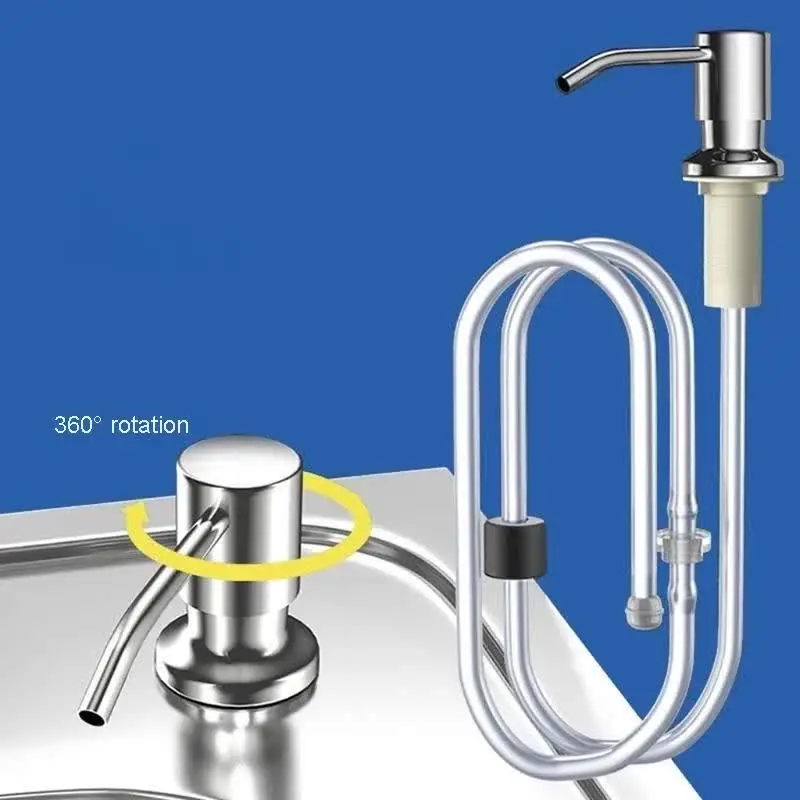
Use a funnel or a small cup to pour soap carefully into the dispenser. Pour slowly to avoid spills and keep the area clean. Wipe any drips immediately to prevent mess.
Filling the kitchen sink soap dispenser can be tricky. Spills are common. With the right techniques, you can avoid messes. Let’s explore some easy methods to fill your soap dispenser neatly.
Using A Funnel
A funnel makes pouring easier. It directs the soap into the dispenser. Place the funnel's narrow end into the dispenser opening. Pour the soap slowly. This minimizes spills. Funnels come in various sizes. Choose one that fits your dispenser.
Pouring Slowly
Pouring slowly helps control the flow. Steady hands are key. Keep the soap bottle close to the dispenser. This reduces the chance of missing the target. Slow pouring prevents soap from overflowing.
Avoiding Overfilling
Overfilling leads to leaks and waste. Fill the dispenser only three-quarters full. This leaves room for the pump mechanism. Check the soap level often. Stop adding soap when it reaches the recommended level.
Credit: www.aliexpress.com
Handling Spills
Handling spills while filling a kitchen sink soap dispenser is important to keep your countertop clean and safe. Soap spills can make surfaces slippery and sticky, attracting dirt and making cleaning harder. Taking care of spills right away prevents stains and buildup.
Quick action helps avoid bigger messes. Using the right materials makes cleanup easier and faster. Keeping a few simple tools nearby can save time and effort during the process.
Quick Cleanup Tips
- Wipe spills immediately with a damp cloth.
- Use warm water to loosen dried soap residue.
- Clean edges and corners carefully to remove all soap traces.
- Dry the area after cleaning to prevent slips.
- Keep a small spray bottle of water handy for quick rinsing.
Preventing Soap Residue
- Fill the dispenser slowly to control the flow.
- Use a funnel to direct soap without spilling.
- Do not overfill the soap container inside the dispenser.
- Wipe the dispenser pump after filling to remove excess soap.
- Check for cracks or leaks in the dispenser regularly.
Using Towels Or Paper
- Keep microfiber towels nearby for quick absorption.
- Paper towels work well for small spills and fast cleanup.
- Use dry towels to prevent spreading soap further.
- Have a small stack of towels ready during filling.
- Dispose of used paper towels properly to avoid mess.
Maintaining The Dispenser
Keeping your kitchen sink soap dispenser in top shape makes refilling smoother and prevents messes. Regular upkeep helps the dispenser work efficiently and lasts longer. Let’s look at simple ways to maintain your dispenser and avoid spills or clogs.
Regular Refills
Don’t wait until the dispenser is empty to add soap. Refilling when it’s about one-third full helps you control the flow better and reduces the chance of spills.
Use a small funnel or a measuring cup with a spout to pour soap carefully. This keeps the soap directed into the dispenser without dripping on the sink or countertop.
Cleaning The Nozzle
Soap buildup around the nozzle can cause uneven dispensing or leaks. Wipe the nozzle with a damp cloth every few days to remove dried soap.
If the nozzle is removable, rinse it with warm water and a bit of vinegar to clear any residue. This simple habit keeps the soap flowing smoothly.
Preventing Clogs
Thick or old soap can clog your dispenser. Dilute concentrated soap with a little water before filling to maintain a good flow.
Occasionally, pump warm water through the dispenser to flush out any blockages. Have you noticed your dispenser slowing down? This quick flush often fixes the problem immediately.
Frequently Asked Questions
How Do I Fill A Kitchen Sink Soap Dispenser?
Remove the dispenser pump, pour soap slowly into the reservoir. Use a funnel to avoid spills. Replace the pump securely.
What Soap Works Best For Sink Dispensers?
Choose liquid dish soap or hand soap with medium thickness. Avoid thick or gel soaps to prevent clogging.
How Can I Prevent Soap Dispenser Spills?
Fill the dispenser slowly and use a funnel. Wipe any drips immediately to keep the area clean.
How Often Should I Refill The Soap Dispenser?
Refill when the soap level is low, usually every 2-4 weeks. Avoid overfilling to prevent spills and leaks.
Conclusion
Filling your kitchen sink soap dispenser can be simple and mess-free. Take your time and use a small funnel or a steady hand. Avoid overfilling to prevent spills. Clean any drops right away to keep your sink tidy. Regular refills help maintain smooth soap flow.
With these easy steps, soap refills become quick and stress-free. Try these tips during your next refill for a neat kitchen experience. Small care makes a big difference.