
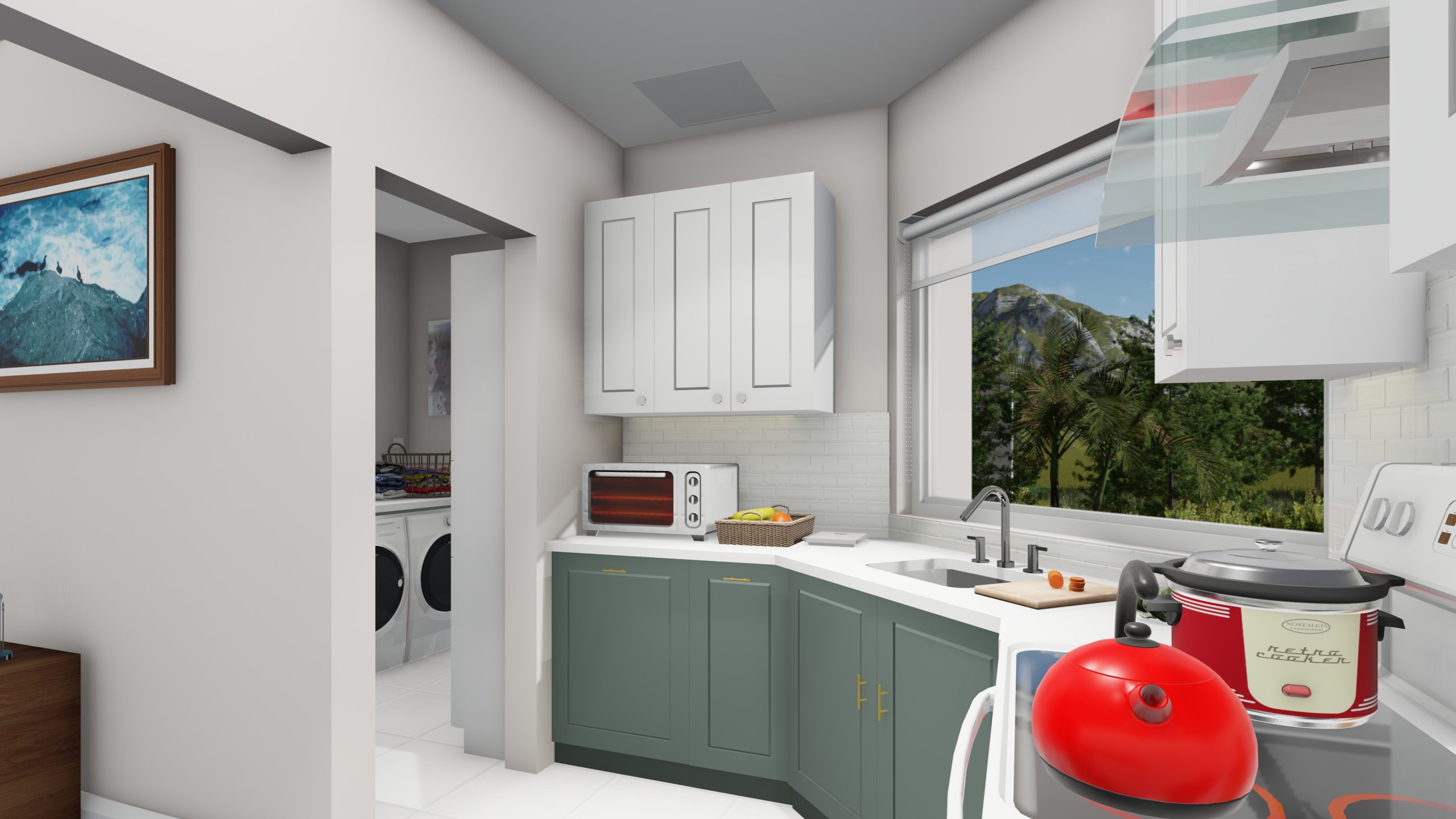
Struggling to find space for a dishwasher in your small kitchen? You’re not alone.
Fitting a dishwasher in tight spots can feel like a puzzle, but it’s easier than you think. Imagine saving time and effort by having a dishwasher right at your fingertips, without sacrificing your kitchen’s style or space. You’ll discover practical tips and smart solutions that make a dishwasher fit perfectly, even in the smallest kitchens.
Keep reading to transform your kitchen and make dishwashing a breeze!
Choosing The Right Dishwasher
Choosing the right dishwasher is key for a small kitchen. The right model saves space and fits your needs. Size, style, and efficiency matter most. Picking a dishwasher that matches your kitchen size helps keep the room open and functional.
Consider how much space you have and how many dishes you wash daily. Small kitchens need compact solutions without losing performance. Energy and water use also affect your bills and the environment.
Compact Models For Small Spaces
Compact dishwashers fit easily into tight spots. These models usually measure about 18 inches wide. They hold fewer dishes but clean well. Perfect for singles or couples with limited kitchen room.
Look for slim designs that fit under counters or in corners. Some compact models have flexible racks to hold different dish sizes. This makes loading easier and maximizes space inside.
Drawer Vs. Traditional Dishwashers
Drawer dishwashers slide out like a drawer. They work well in small kitchens and need less bending. You can run one drawer or both, saving water and energy.
Traditional dishwashers open downward and hold more dishes. They fit standard kitchen cabinets. Choose this if you have a bigger household or wash many dishes.
Drawer types offer convenience and space-saving. Traditional models give capacity and power. Pick based on your kitchen layout and dishwashing habits.
Energy Efficiency And Water Usage
Energy-efficient dishwashers save money and reduce waste. Look for models with the ENERGY STAR label. They use less electricity and water than older models.
Water-saving features matter in small kitchens with limited plumbing. Some dishwashers recycle water during cycles to cut usage. Lower water use means faster installation and fewer bills.
Check the dishwasher’s energy and water ratings before buying. Choose one that balances cleaning power with eco-friendly operation.

Credit: www.reddit.com
Measuring Your Kitchen Space
Fitting a dishwasher into a small kitchen starts with precise measurements. Knowing your kitchen’s exact dimensions helps you avoid costly mistakes and ensures your new appliance fits seamlessly. Taking time to measure carefully can save you from frustration and create a more functional space.
Assessing Available Dimensions
Begin by measuring the width, height, and depth of the area where you want to place the dishwasher. Use a tape measure to get accurate numbers, and write them down. Don’t forget to include any adjacent walls, appliances, or furniture that might limit the space.
Remember, dishwashers come in various sizes, typically 18 to 24 inches wide. Knowing your space allows you to pick one that fits perfectly without crowding your kitchen. Have you checked if your space can handle a slightly smaller model? Sometimes a compact dishwasher is a smarter choice in tight kitchens.
Checking Cabinet And Countertop Clearances
Next, look at the cabinets and countertops around the planned dishwasher spot. There should be enough clearance for the dishwasher door to open fully without hitting anything. Measure from the floor to the bottom of your countertop to ensure the dishwasher’s height will fit smoothly under it.
Also, check if any cabinet doors or drawers might block the dishwasher door. You want easy access without awkward maneuvers. If space is tight, consider removing or modifying a cabinet to make room. Have you thought about how much space you’ll need to comfortably load and unload dishes?
Considering Plumbing And Electrical Setup
Plumbing and electrical access are crucial for dishwasher installation. Measure the distance from your kitchen sink’s water supply and drain to where the dishwasher will go. This helps you know if new plumbing lines are needed or if the existing setup will work.
Don’t forget to check the electrical outlet location and power rating. Dishwashers usually require a dedicated 120V outlet. If your kitchen doesn’t have one near the installation spot, you might need an electrician’s help. Have you mapped out where all your utility connections are before shopping for a dishwasher?
Installing The Dishwasher
Choose a compact dishwasher designed for tight spaces to save room in your small kitchen. Measure carefully and connect water and power lines with ease. Slide the appliance into place, securing it under the counter for a neat finish.
Fitting a dishwasher into a small kitchen might seem like a daunting task, but with the right approach, it can be a manageable project. The installation process is crucial, ensuring not only that the dishwasher fits but also that it functions efficiently. Whether you're a DIY enthusiast or prefer hiring a professional, understanding the installation process can save time and prevent headaches down the line.
Diy Installation Tips
Taking on a dishwasher installation yourself can be rewarding, especially if you enjoy tackling home improvement projects. First, measure the space where you plan to install the dishwasher to ensure a snug fit. It's essential to have the correct dimensions to avoid complications later. Ensure you have all the necessary tools ready. This might include a screwdriver, adjustable wrench, and a level. Keep the installation manual handy for reference. Connecting the water supply and drain hose can be tricky. Make sure the hoses are securely attached to prevent leaks. Have a friend assist you in lifting and aligning the dishwasher, making the process smoother and safer.
When To Hire A Professional
Sometimes, hiring a professional is the best course of action. If you're unsure about handling electrical or plumbing connections, it's wise to call in an expert. A professional ensures the installation is done correctly and safely. Hiring a professional can save you from costly mistakes. They have the experience to identify potential issues and address them before they become significant problems. If your kitchen layout is complex, a professional can offer solutions you might not consider.
Ensuring Proper Ventilation
Proper ventilation is critical to avoid moisture buildup and unpleasant odors. Ensure there is enough space around your dishwasher for air circulation. This helps maintain its efficiency and extends its lifespan. Check that vents are unobstructed and functioning correctly. This might mean adjusting cabinets or nearby appliances. Think about airflow in your kitchen—is there a window or exhaust fan nearby that can aid in ventilation? Consider your kitchen's humidity levels. If they are high, additional ventilation solutions might be necessary to keep your kitchen fresh and your dishwasher working optimally.

Credit: www.reddit.com
Maximizing Kitchen Layout
Maximizing your kitchen layout is key when fitting a dishwasher into a small space. It’s about making smart choices that open up room without sacrificing functionality. Sometimes, a few simple changes can transform a cramped kitchen into a well-organized, efficient area.
Rearranging Cabinets And Appliances
Look closely at your existing cabinets and appliances. Could shifting a cabinet or moving a small appliance free up the perfect spot for a dishwasher? Even swapping the positions of your fridge and stove might create a better flow.
Think about accessibility. Placing the dishwasher near the sink reduces water line complexity and makes loading easier. Have you ever tried to fit a dishwasher far from your sink? It often leads to frustrating plumbing work and wasted effort.
Using Vertical Storage Solutions
When floor space is limited, vertical storage is your best friend. Adding shelves above the countertop or installing hanging racks can clear up lower cabinets. This extra space could be the key to squeezing in a dishwasher.
Consider stackable storage and tall pull-out pantry units. They keep items organized and accessible without crowding your workspace. Could you free up enough room by using the height of your kitchen more efficiently?
Integrating Dishwasher With Existing Fixtures
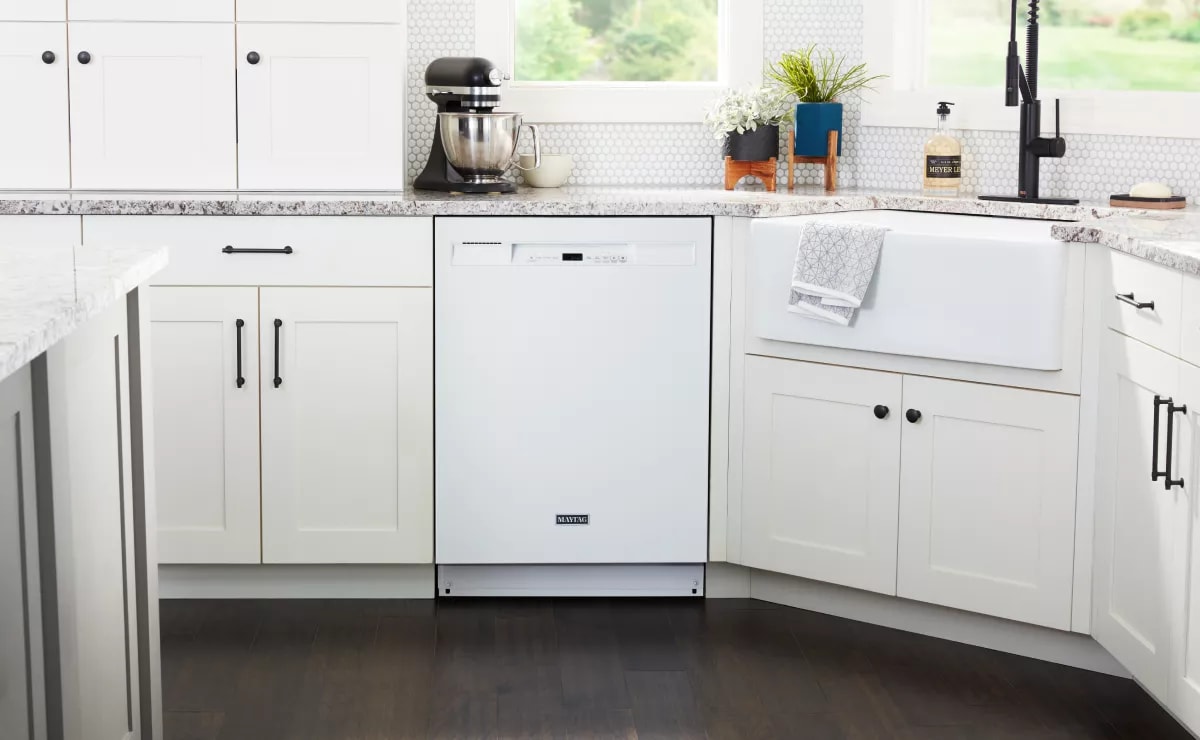
Blending the dishwasher with your current kitchen style helps maintain a seamless look. Panel-ready dishwashers that match your cabinets create visual harmony and make the appliance less obtrusive. Have you noticed how a built-in look can make small kitchens feel larger?
Also, think about combining the dishwasher with other fixtures—like positioning it under the countertop near your trash bin or next to your prep area. This setup speeds up kitchen tasks and keeps everything within reach.
Alternative Space-saving Options
Fitting a dishwasher in a small kitchen can be tricky. Standard dishwashers often need a lot of space. Alternative space-saving options offer smart solutions. These options help keep kitchens functional and tidy without major changes.
Portable dishwashers, countertop models, and combination sink-dishwasher units save space. They suit kitchens with limited room but still provide the convenience of a dishwasher. Each type fits different needs and kitchen layouts.
Portable Dishwashers
Portable dishwashers are compact and easy to move. They connect to the kitchen faucet when needed. After use, they can be stored away to free up floor space. They often have wheels for easy mobility.
Ideal for renters or small kitchens without built-in dishwasher space. They come with various capacities, usually holding fewer dishes than built-in models. Portable dishwashers use less water and energy, saving on bills.
Countertop Models
Countertop dishwashers sit on the kitchen counter. They connect directly to the sink faucet. These models are small but efficient for washing everyday dishes. Great for tiny kitchens or single-person households.
They do not require installation, making setup quick and easy. Ideal for kitchens with no extra cabinet space. Countertop dishwashers offer convenience without sacrificing counter space entirely.
Combination Sink-dishwasher Units
Combination sink-dishwasher units integrate a dishwasher with the kitchen sink. They save space by merging two essential functions into one appliance. Perfect for kitchens with very limited space.
These units wash dishes and provide a normal sink function. They often have compact sizes and modern designs. Installation usually requires less plumbing work than separate appliances.
Credit: www.maytag.com
Maintaining Efficiency In Small Kitchens
Maintaining efficiency in a small kitchen means making every inch count, especially when fitting in a dishwasher. Your goal is to keep the kitchen functional without feeling cramped. Efficient use of your dishwasher can save you time, energy, and even water, helping you enjoy a smooth cooking and cleaning routine.
Organizing Dishes For Optimal Loading
Loading your dishwasher smartly is key to maximizing space and ensuring everything gets clean. Place larger items like pots and pans on the bottom rack, and arrange plates and bowls facing the spray arms for better water flow.
Stack cups and glasses upside down on the top rack to avoid water pooling. Don’t overcrowd; if you must run a half-load, adjust the dishwasher settings instead of cramming everything in. Have you noticed how taking a moment to organize dishes carefully leads to fewer rewashes?
Regular Cleaning And Maintenance
Small kitchens leave little room for appliance downtime, so keep your dishwasher in top shape with regular cleaning. Remove and clean the filter every few weeks to prevent clogs and bad smells.
Wipe down the door seals and spray arms to maintain strong water pressure. Running a cleaning cycle with dishwasher cleaner monthly can improve performance and extend the life of your machine.
Tips To Reduce Water And Energy Use
Saving water and energy is especially important in compact spaces where bills can add up quickly. Use eco or quick wash cycles for lightly soiled dishes to cut down on consumption.
Only run the dishwasher when it’s full to avoid wasting resources. Also, air-dry your dishes by opening the door after the cycle instead of using the heated dry feature. How much could you save by making these small adjustments?
Frequently Asked Questions
What Size Dishwasher Fits Best In Small Kitchens?
Compact dishwashers, usually 18 inches wide, fit best in small kitchens. They save space while still cleaning dishes effectively.
Can Portable Dishwashers Work In Limited Kitchen Spaces?
Yes, portable dishwashers are ideal for small kitchens. They can be moved and connected to the sink when needed.
How To Maximize Space Around A Dishwasher Installation?
Use vertical storage and slim cabinets next to the dishwasher. This keeps your kitchen organized and maximizes available space.
Are Countertop Dishwashers Suitable For Small Kitchens?
Countertop dishwashers are perfect for tiny kitchens. They require less space and are easy to install on counters.
Conclusion
Fitting a dishwasher in a small kitchen is doable with smart choices. Measure your space carefully before buying any appliance. Choose compact or slim models that save room. Think about where plumbing and electrical connections go. Use creative storage ideas to keep the kitchen neat.
Small kitchens can still have the convenience of a dishwasher. Plan well, and enjoy easier dishwashing without clutter.